Commercial Roof Repair in Burbank, CA
Production space and offices in Burbank may share a roof while keeping different operating windows. We locate the affected zone and set temporary protection for the floor below before tracing the defect. The visit compares the reported timing and room with roof plans, prior repairs, seams, curbs, drains, walls, and edges. Our scope separates an observed failure from an area that needs testing, and notes access or weather limits that could affect the next step. A staged diagnostic visit can keep an urgent leak response from becoming an unsupported whole-roof repair.
Organize findings by roof zone
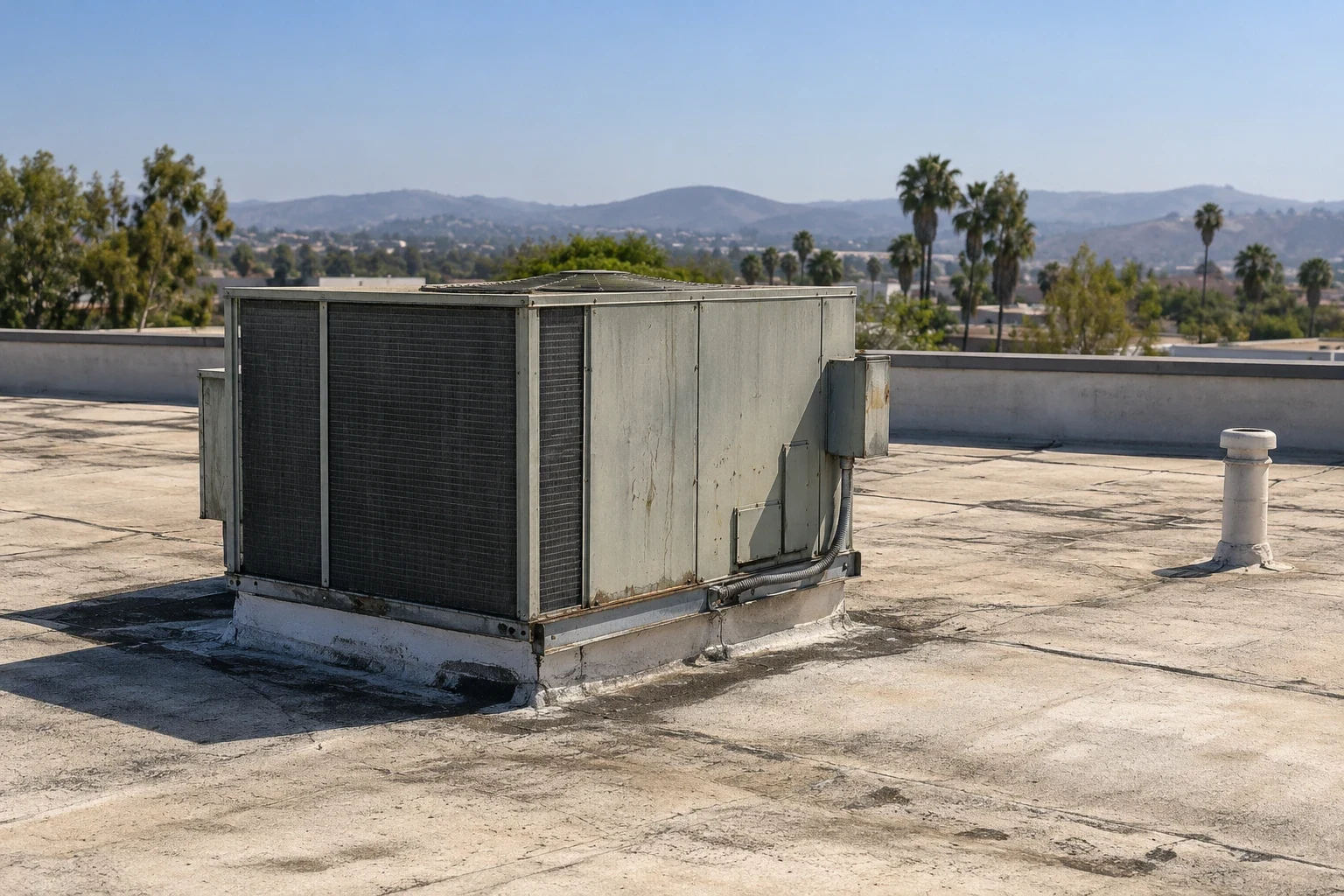
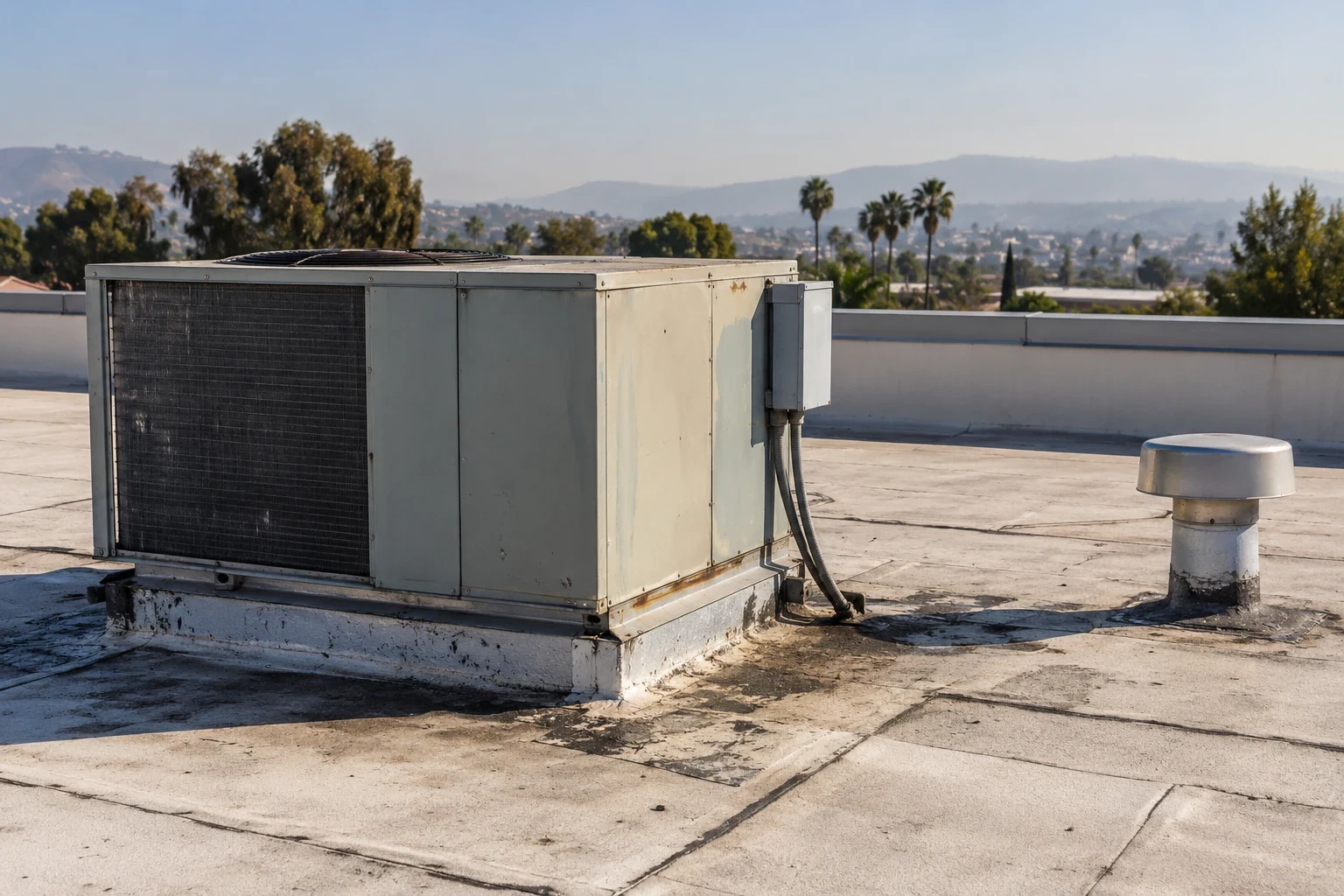
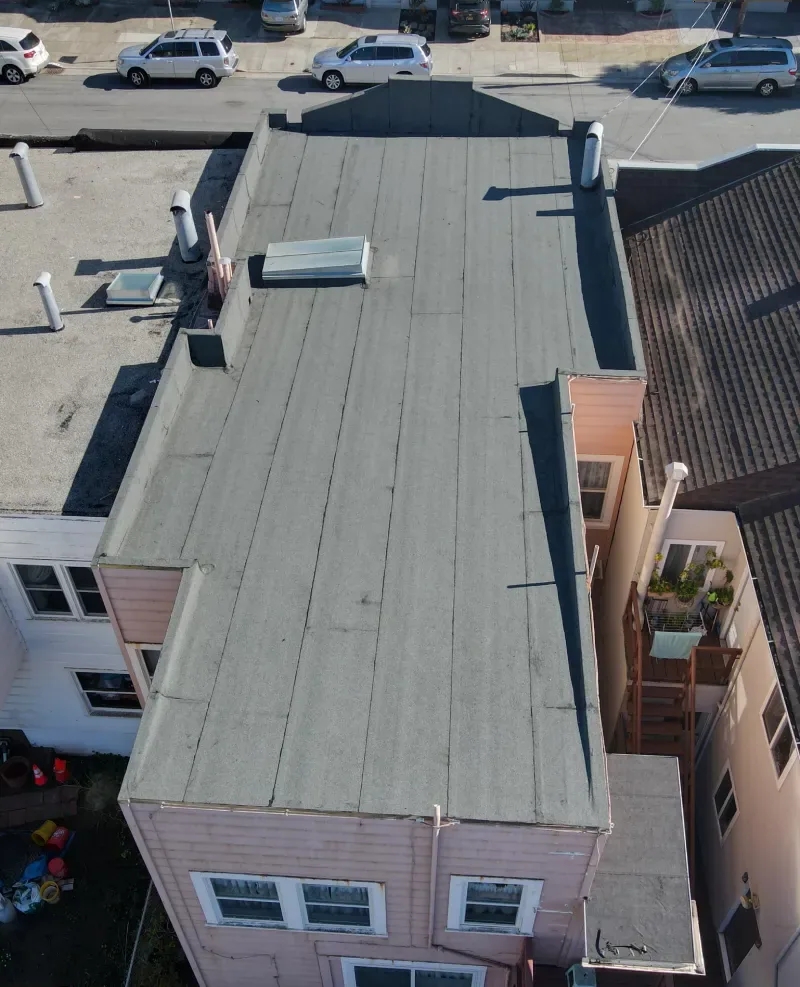
We divide the roof into practical sections and log each symptom against that map. A zone record can include membrane type, seam condition, prior repairs, drain behavior, rooftop equipment, nearby wall transitions and interior reports. Clear photos with a location reference let facility teams compare conditions after the repair. On larger commercial roofs, organizing work orders this way makes recurring patterns easier to see. We avoid labeling an entire roof defective because one detail failed, and we avoid calling a repair complete when only the interior finish has dried. Where conditions extend beyond the immediate area, we note the additional review needed and ask for authorization before expanding the work.
Trace leaks with more than one clue
A targeted leak investigation combines the timing of water entry with roof conditions and interior evidence. We ask whether leakage follows wind-driven rain, prolonged storms, equipment use or a maintenance event. We inspect the likely path, check related seams and transitions, and consider whether drainage or condensation may contribute. Infrared or moisture testing can help when roof conditions support its use, but no single image should be treated as proof without interpretation. If a safe, approved opening is warranted, we define where it will occur and how it will be restored. Findings and uncertainty are captured so the owner can decide whether to authorize a localized repair, further test or larger investigation.
Make the repair compatible with the roof system
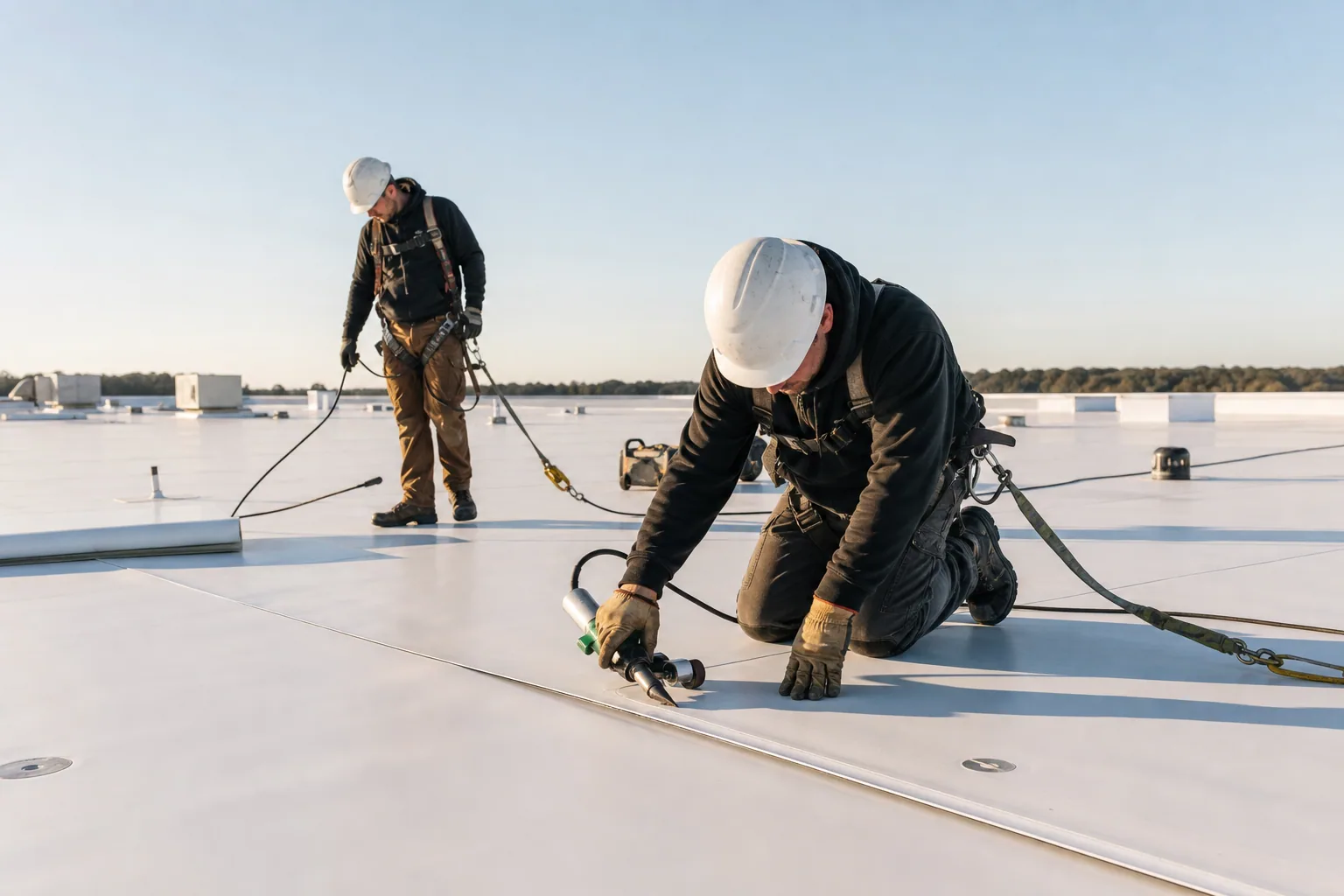
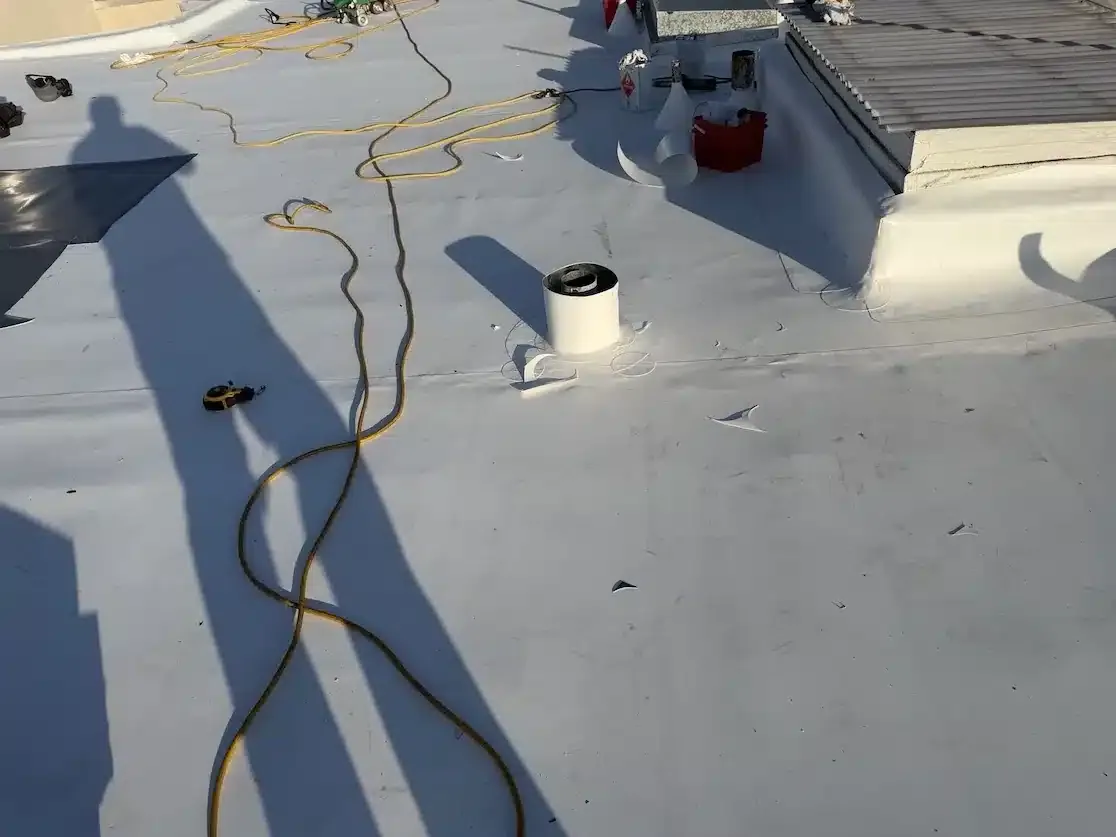
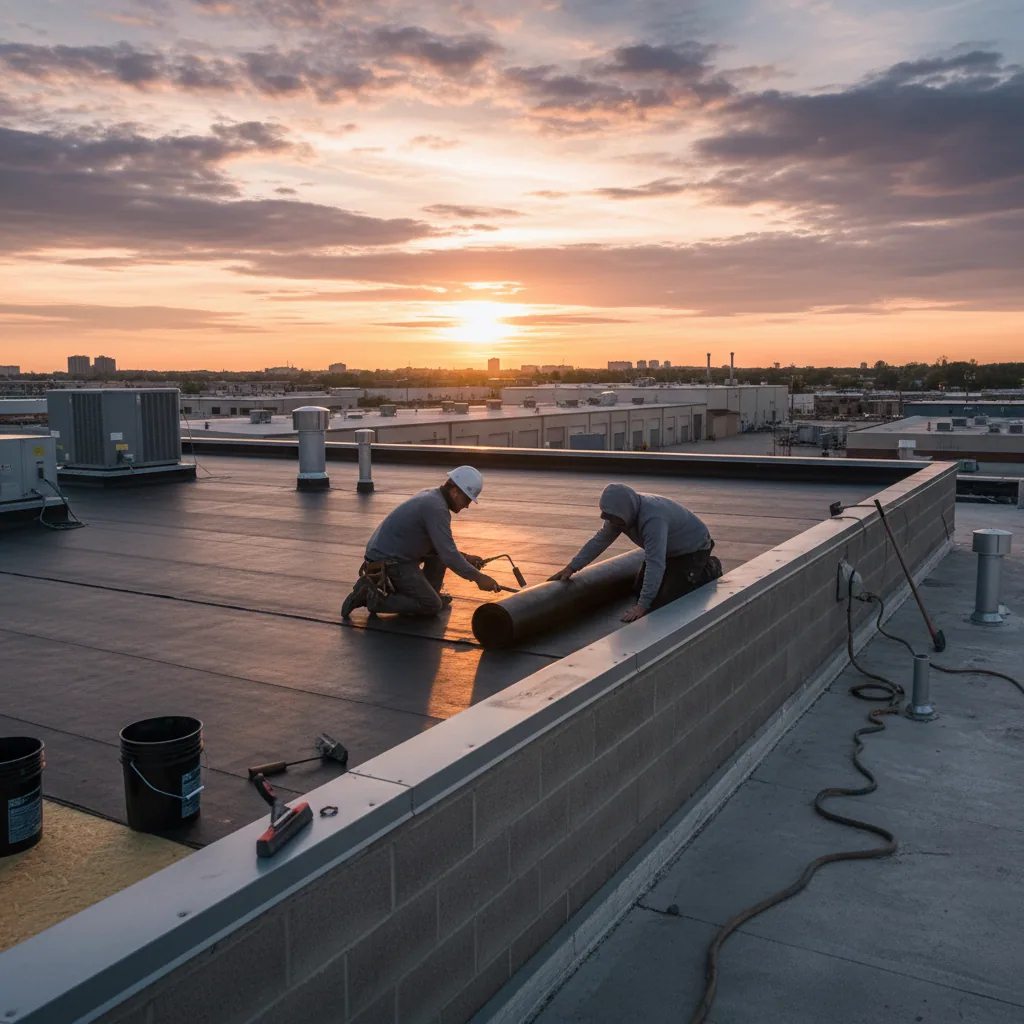
A patch must suit the membrane, surface condition and detail being repaired. We identify the system where possible, clean and prepare the area according to manufacturer guidance, and select compatible repair materials. A seam opening, puncture, failed flashing and deteriorated coating require different procedures. For example, work on a TPO roof assembly should follow its seam and flashing requirements; a metal roof detail needs a different approach. We also inspect the repair boundary so it bonds or fastens to sound material. If the existing product cannot be identified or the substrate is wet, the proposal should explain the constraint and any test needed before a warranty-sensitive repair proceeds.
Protect occupants and business operations
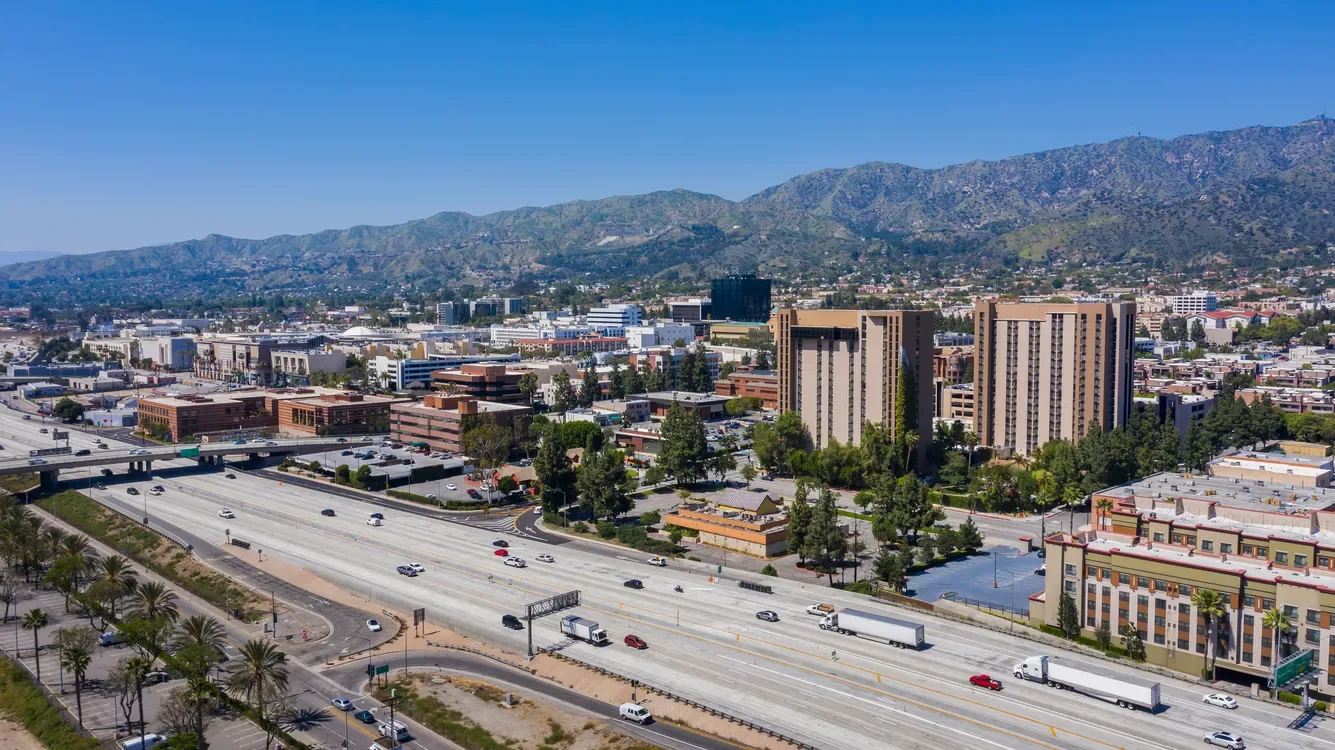
Repair access may pass through active offices, production areas, retail space or hospitality operations. We agree on roof entry, ladder or hatch routes, escort needs, restricted zones, noise windows and areas requiring interior protection. For an active leak, the first visit may focus on temporary protection, with permanent work scheduled after the roof is safe and dry enough for the selected method. We coordinate material staging and keep drains and emergency paths clear. Burbank’s Media District, Downtown, Airport District and Magnolia Park support different commercial patterns, so access plans should be specific to the property. The facility contact receives a concise update on what was found, what was repaired and any area that still needs monitoring.
Separate emergency protection from permanent work
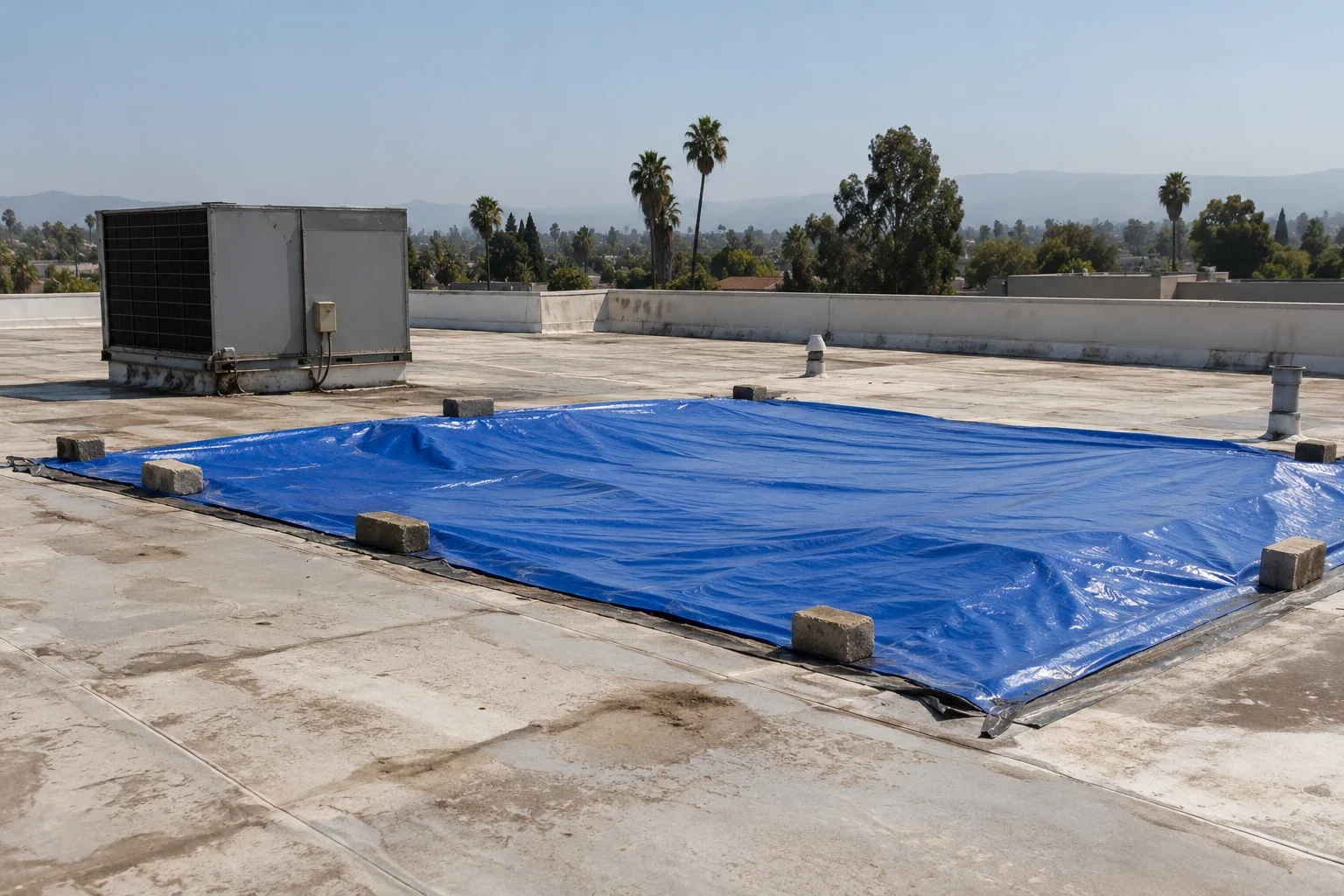
When water is entering an occupied building, immediate actions may include containing water, protecting equipment, moving materials and applying a temporary roof measure when conditions permit. Temporary work is not automatically a permanent repair. The work record should state what was done, what conditions were unsafe or inaccessible, and when the roof needs another visit. Permanent repairs may require dry conditions, compatible materials, approved access or a broader detail correction. We identify a reasonable next step instead of implying a temporary patch restores full roof performance. If water threatens electrical systems or life safety, facility staff should follow the building’s emergency procedures and contact appropriate responders before roof work begins.
Document price, limits and follow-up
A repair proposal identifies the location, scope, materials, access assumptions, exclusions and approval amount. It should separate the observed defect from concealed conditions that cannot be confirmed without opening the assembly. For recurring leaks, we recommend recording dates, rainfall or weather context, interior locations, photos and completed work. That record helps decide whether the issue is isolated or tied to a broader roof condition. Add notes for roof access, materials left on site, the weather window used for each repair and any area that could not be inspected. A returning technician can use that context to distinguish a new defect from a previously monitored condition. If a repair affects a manufacturer warranty, confirm the approved method and documentation requirements before work begins. When a property team manages several buildings, consistent work-order fields make comparisons useful without assuming the buildings share the same roof assembly or repair history. This is especially helpful across Downtown Burbank and the Media District, where mixed commercial uses can impose different access and tenant-notice requirements. If maintenance is due, see preventive roof maintenance; if water entry needs diagnosis, consider a commercial roof leak investigation. A roof condition inspection can inform a wider repair-versus-renewal decision.
Verify the work and leave the next step clear
After repair, we document the work area, materials used, any test or observation, and recommendations that remain open. The facility team should know whether the repair was permanent or temporary, when to check the interior after the next rain and whom to contact if water returns. We do not promise that one localized repair resolves unrelated roof conditions. If an inspection identifies additional concerns, those should appear as separate recommendations with priority and evidence. For a building near Burbank’s Media District, the same process applies: connect the roof-zone record to the property manager’s maintenance log. A clear condition report helps ownership budget larger work without overstating what the repair established. For related planning, review emergency roof protection. A repeat visit should verify both the roof-side repair and the interior response. We note the date, access conditions and whether rainfall or another test was available, then compare the result with the original leak report. If water returns, the new evidence goes into the same zone log so the next investigation can test a different path instead of repeating an identical patch. The owner receives clear limits on what was inspected, what remains concealed and which follow-up actions need separate approval. That record supports maintenance planning and helps avoid treating an untested temporary measure as permanent closeout.
Commercial Roofing Questions
Can you repair a leak during the first visit?
Often we can identify and address a clear, accessible defect, but weather, wet materials or uncertain source paths may require temporary protection and a planned follow-up.
Why does a ceiling leak appear far from the roof opening?
Water can travel along roof layers, deck, framing or building services. Interior location is useful evidence, but it does not always mark the roof entry point.
Will a patch stop a recurring leak permanently?
A compatible permanent repair may resolve a confirmed defect. Recurrence can indicate another entry point, trapped moisture, drainage or a detail that needs broader evaluation.
What information helps diagnose a leak?
Share leak dates, weather context, interior photos, roof plans, prior repairs, access instructions and affected equipment. Those details help focus the inspection.
Do you offer emergency leak response?
We can discuss access and immediate protection needs. Response timing depends on conditions and availability; dangerous interior or electrical conditions should follow the facility emergency plan.