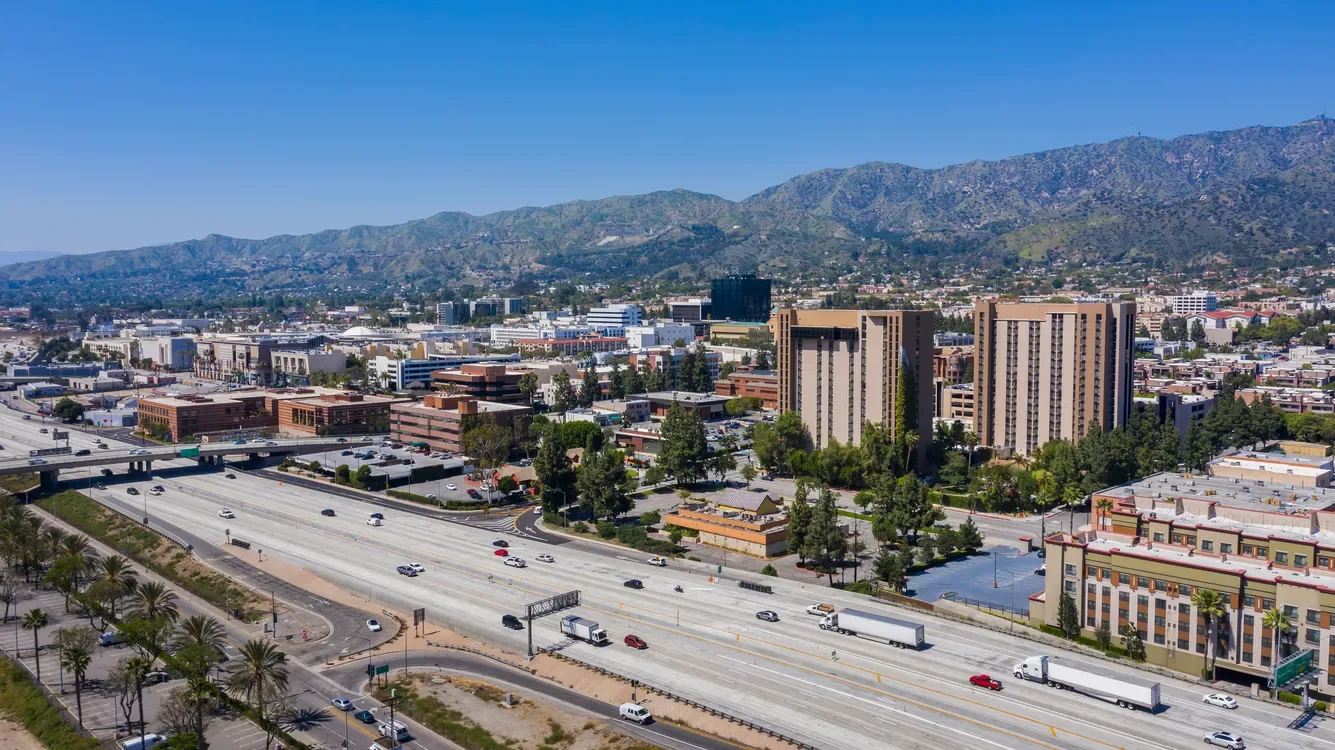
Service Areas in Burbank, CA
Service coverage is organized by broad commercial areas and nearby communities, while every roof review starts at the property itself. Downtown, the Media District, Magnolia Park and Airport District are distinct commercial areas within Burbank. Those places have different business mixes and access patterns, so the work plan should state the building, roof section and operating limits rather than rely on a general neighborhood assumption.
More About Our Service Areas
Start With the Burbank District
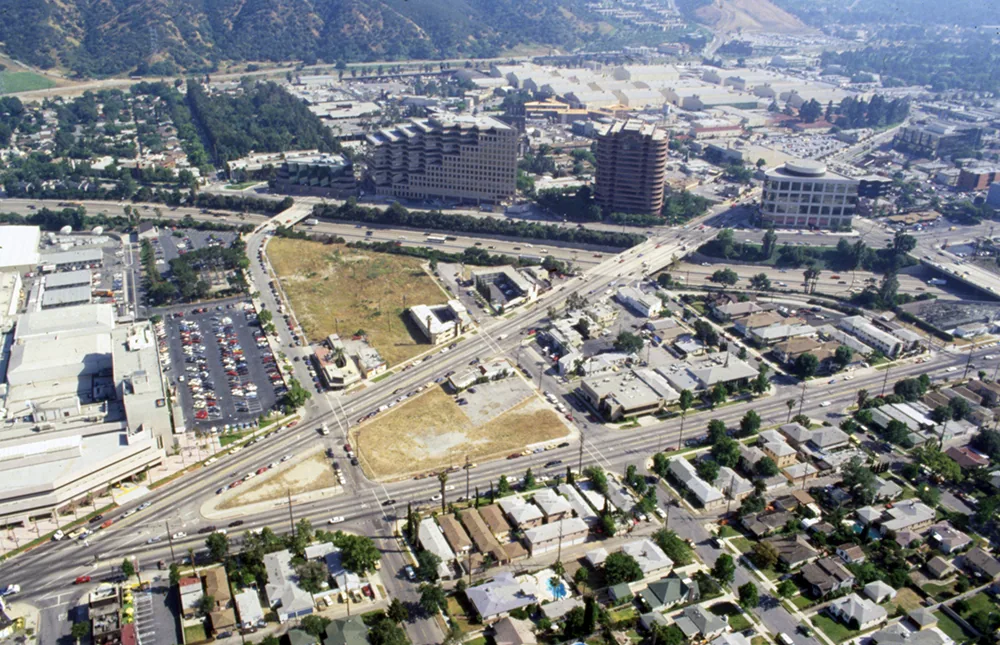
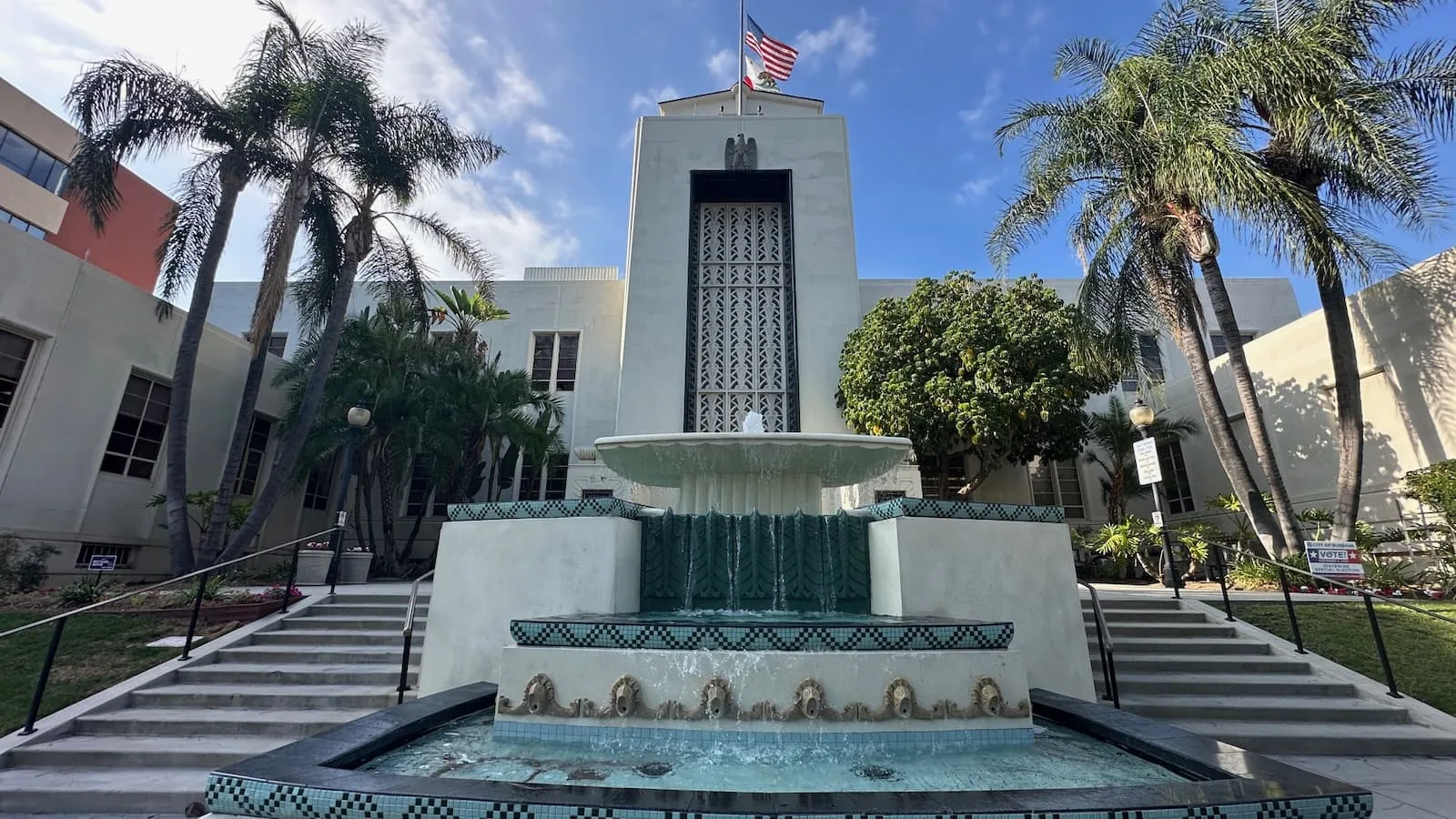
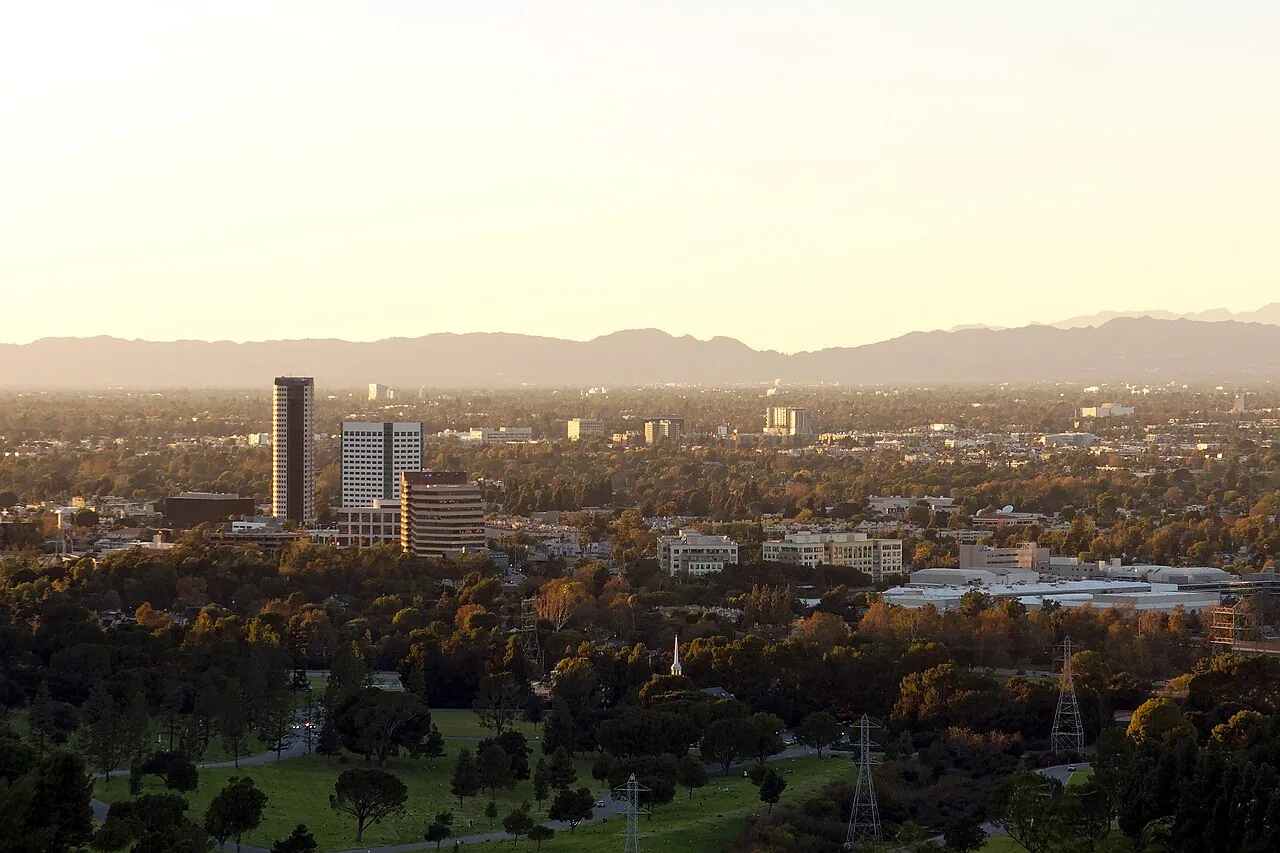
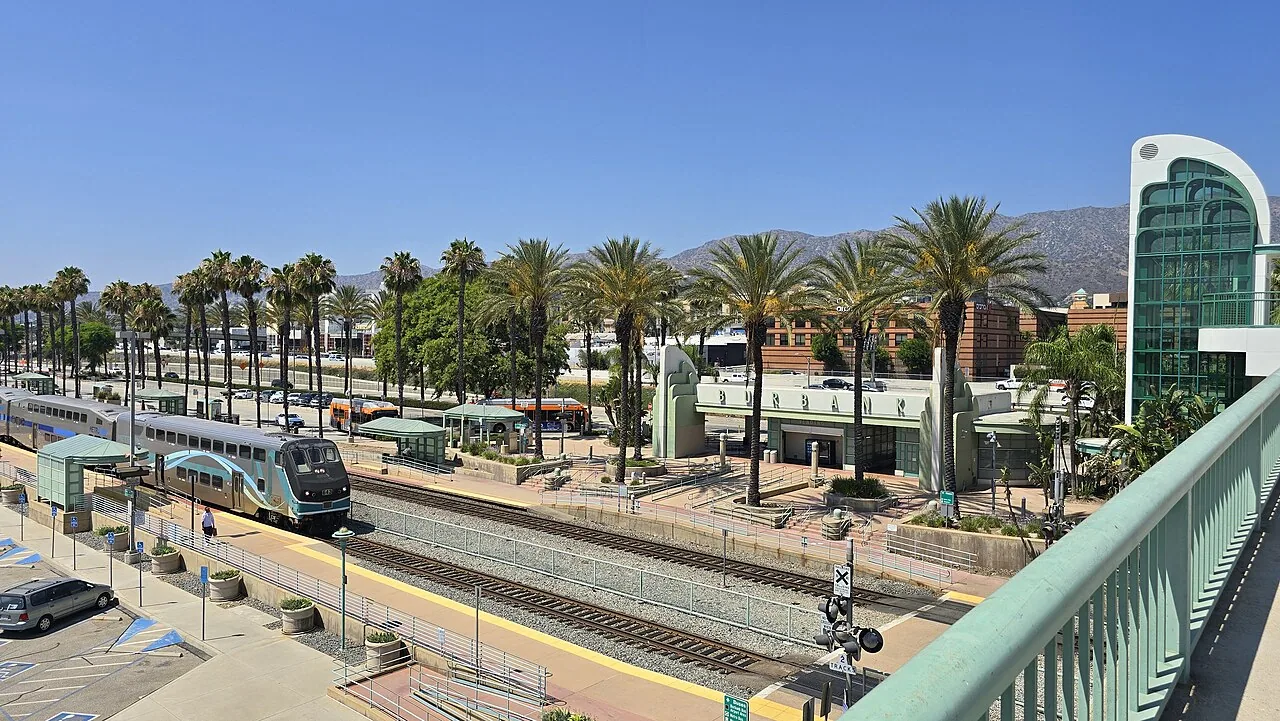
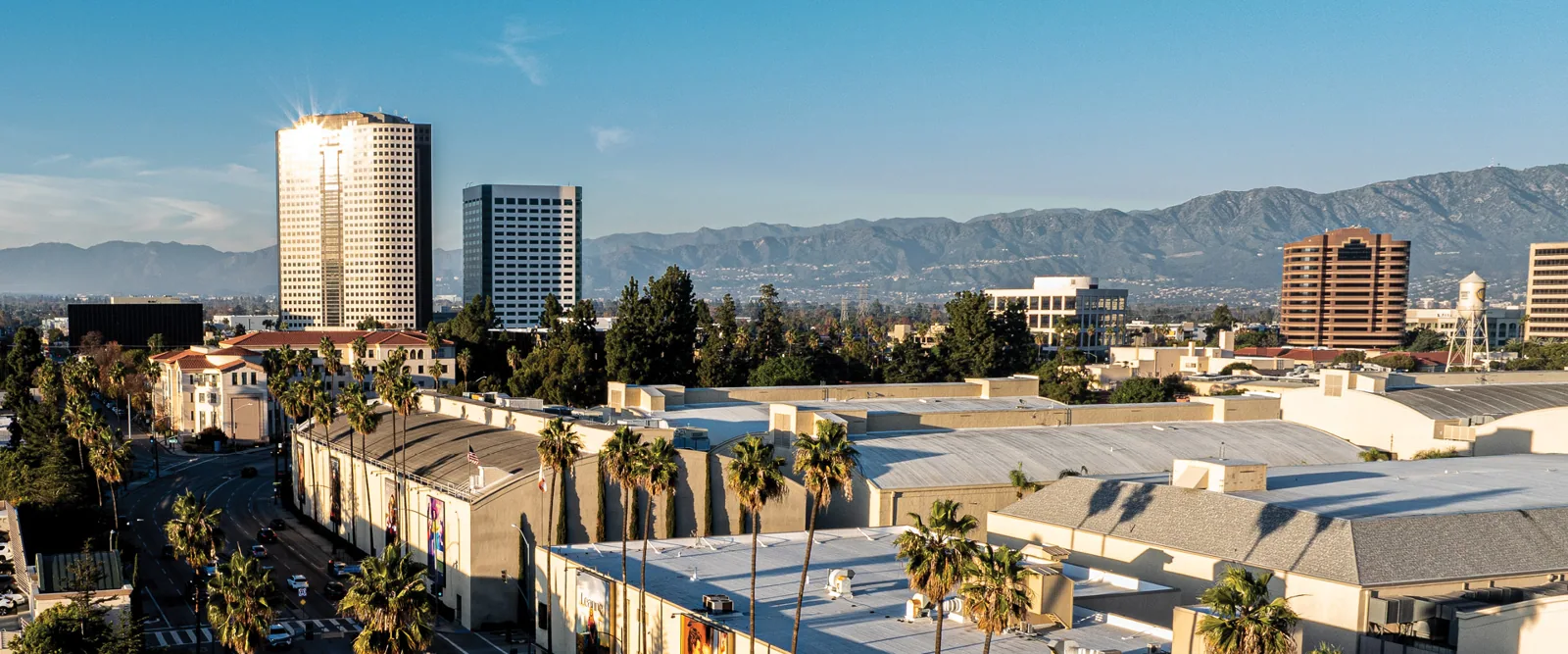
Production, office and healthcare uses are concentrated in the Media District. The Airport District includes technology, conference hotels and big-box retail, while Downtown Burbank blends offices and retail with pedestrian-oriented streets. Magnolia Park has independent retail and dining. A review in any district confirms access, staging and tenant needs with the facility contact before we recommend a roof scope.
Follow the Commercial Corridor
Some properties sit along a designated business or industrial corridor rather than in a named neighborhood. We serve the North San Fernando Boulevard corridor, the Golden State commercial-industrial area and the North Victory corridor. These broad designations help locate the work; they do not establish a particular facility's roof type, condition or service needs. Before setting a visit, we confirm the property's address privately and keep third-party address details out of public copy.
Coordinate Nearby Areas on Their Own Terms
Commercial roofs in nearby North Hollywood, the NoHo Arts District and Valley Village have their own corridor and access context. The same is true for Glendale and Toluca Lake, which sits along Burbank's border. We verify the actual location and operating window before scheduling, then inspect the roof section and building conditions rather than assuming one area matches another.
Keep the Service Scope Specific
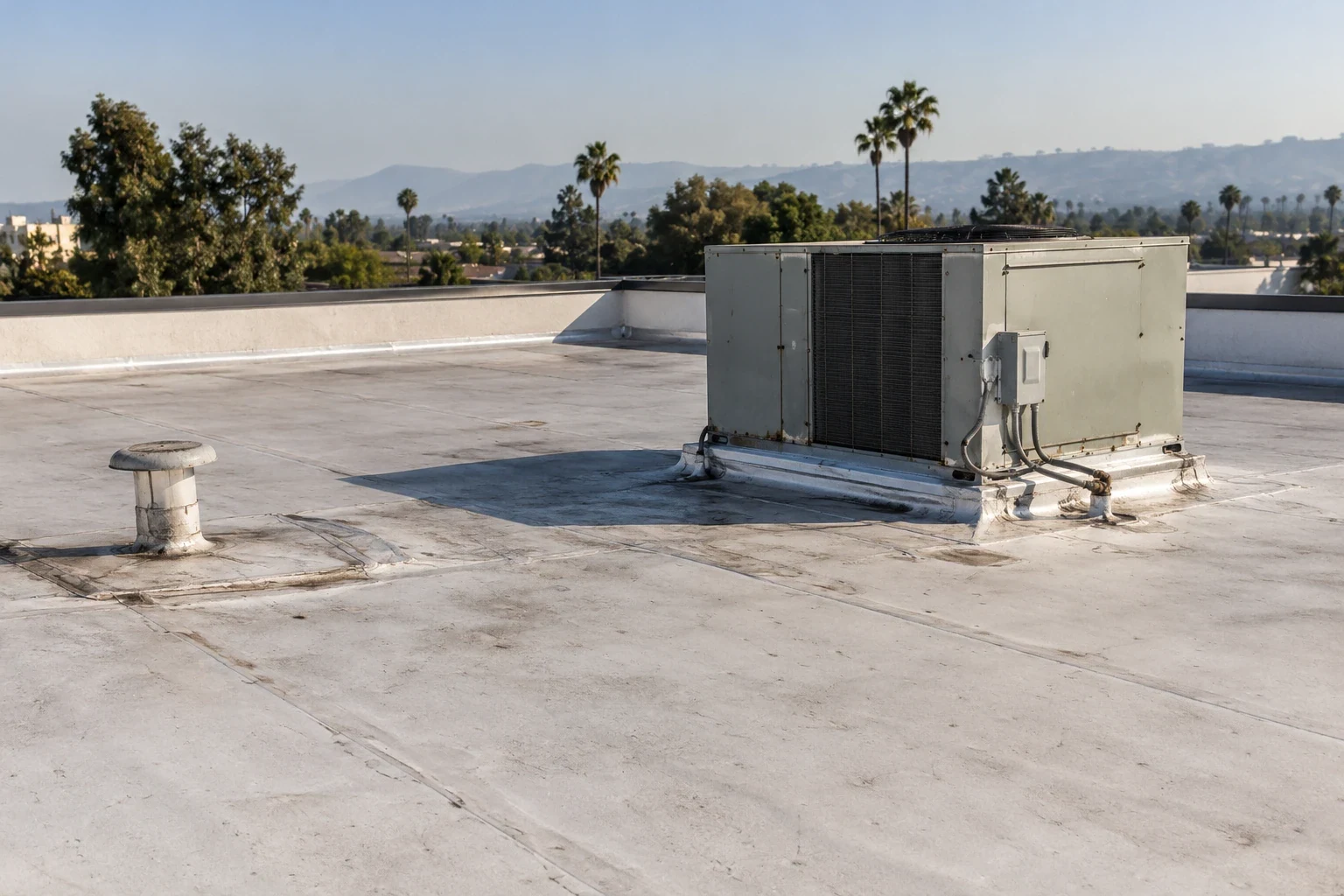
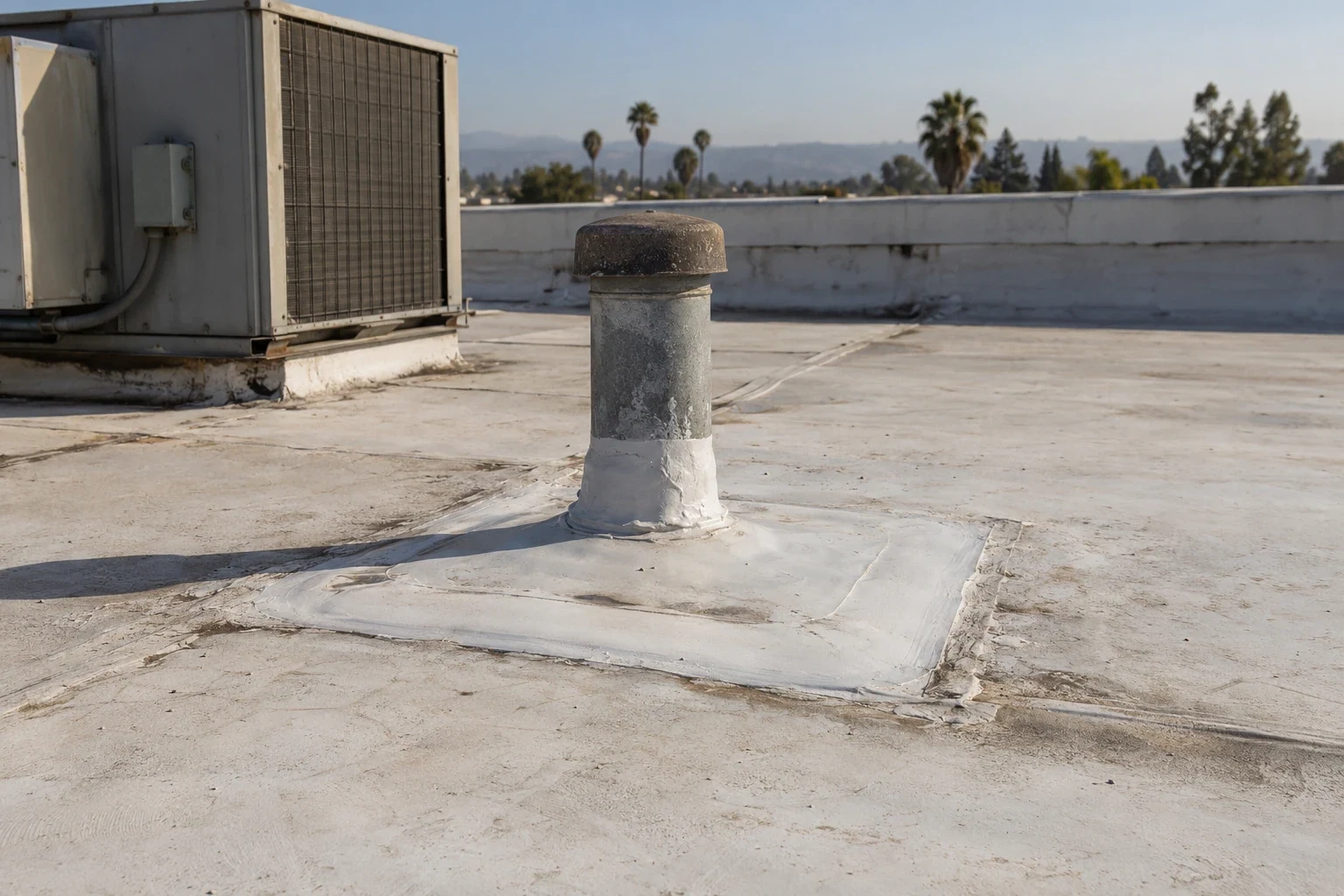
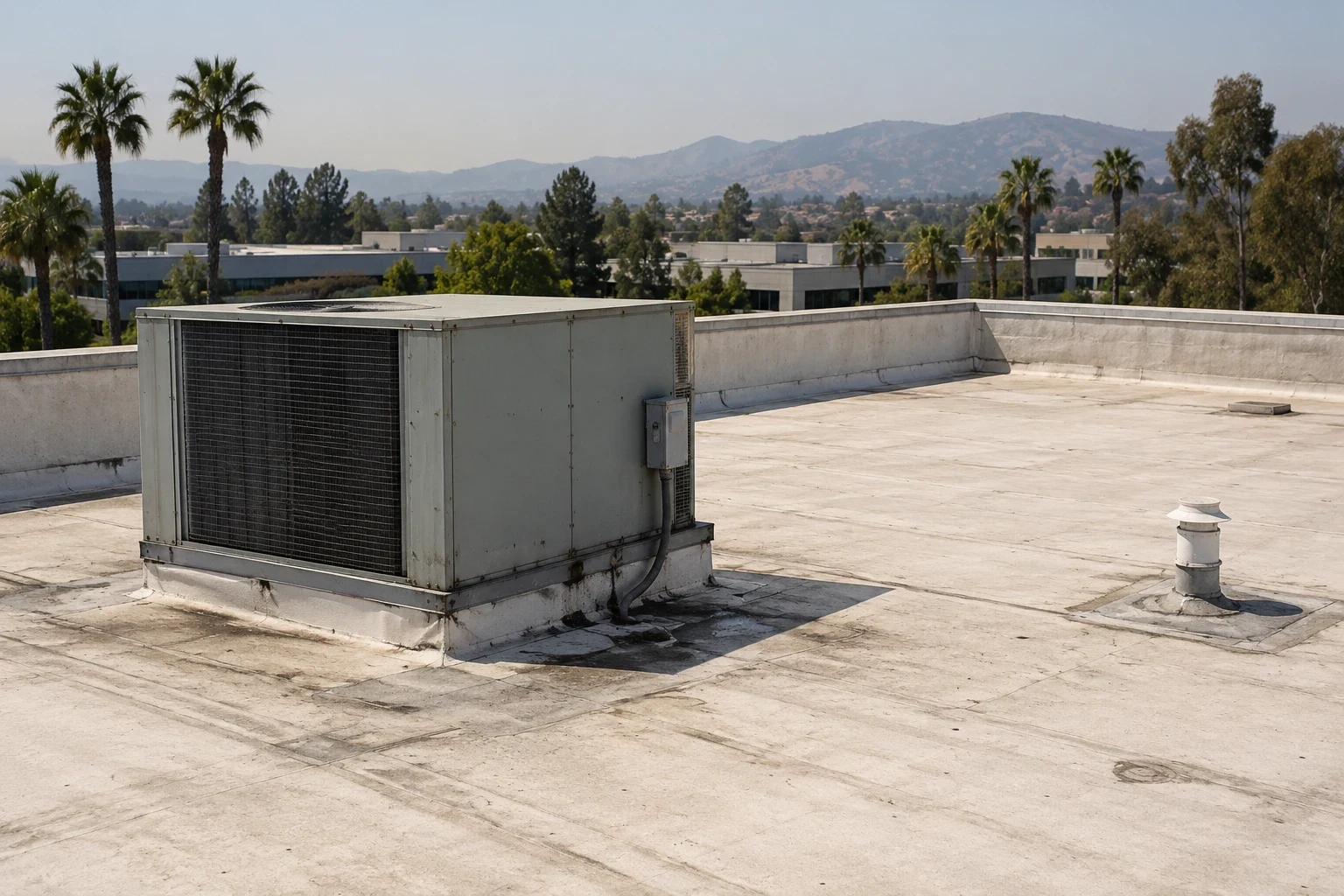
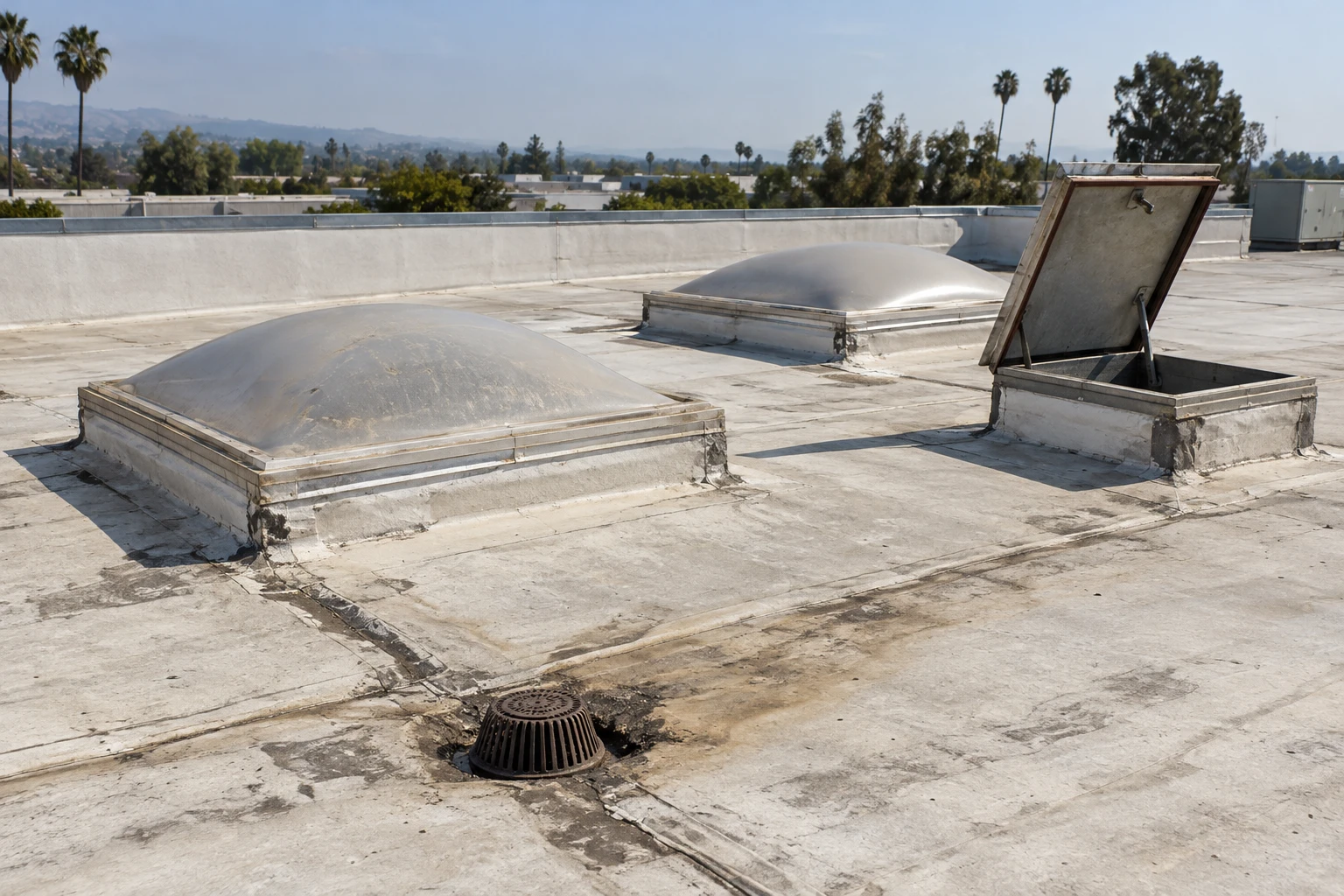
A commercial roof inspection connects visible roof conditions to the building use and reported symptoms. The written scope identifies work areas, access and protection requirements, repair limits, and any follow-up test. For planned renewal or recurring service, the same record helps the owner compare timing and capital options. Share the roof plan, leak history and tenant or loading restrictions when arranging the visit. We confirm the property's actual access before setting a work window.
Commercial Roofing Questions
How do you confirm whether a building is in the service area?
We confirm the property location and requested work during scheduling. A district name can orient the discussion, while the specific address stays part of service coordination.
Does a district page describe every roof nearby?
No. It gives broad commercial context. We inspect the actual assembly and verify building access, current condition and the owner's operating requirements.
Can you coordinate a portfolio across several districts?
Yes. We can use a consistent record format while keeping each building's roof findings, work limits and next decisions separate.
What should we prepare before a visit?
Have the roof plan, recent leak reports, prior repairs and access limits available. They help us identify the right sections and avoid a broad, unfocused walk.
Services
-
 Media District
-
 Airport District
-
 Downtown Burbank
-
 Magnolia Park
-
 Burbank Center
-
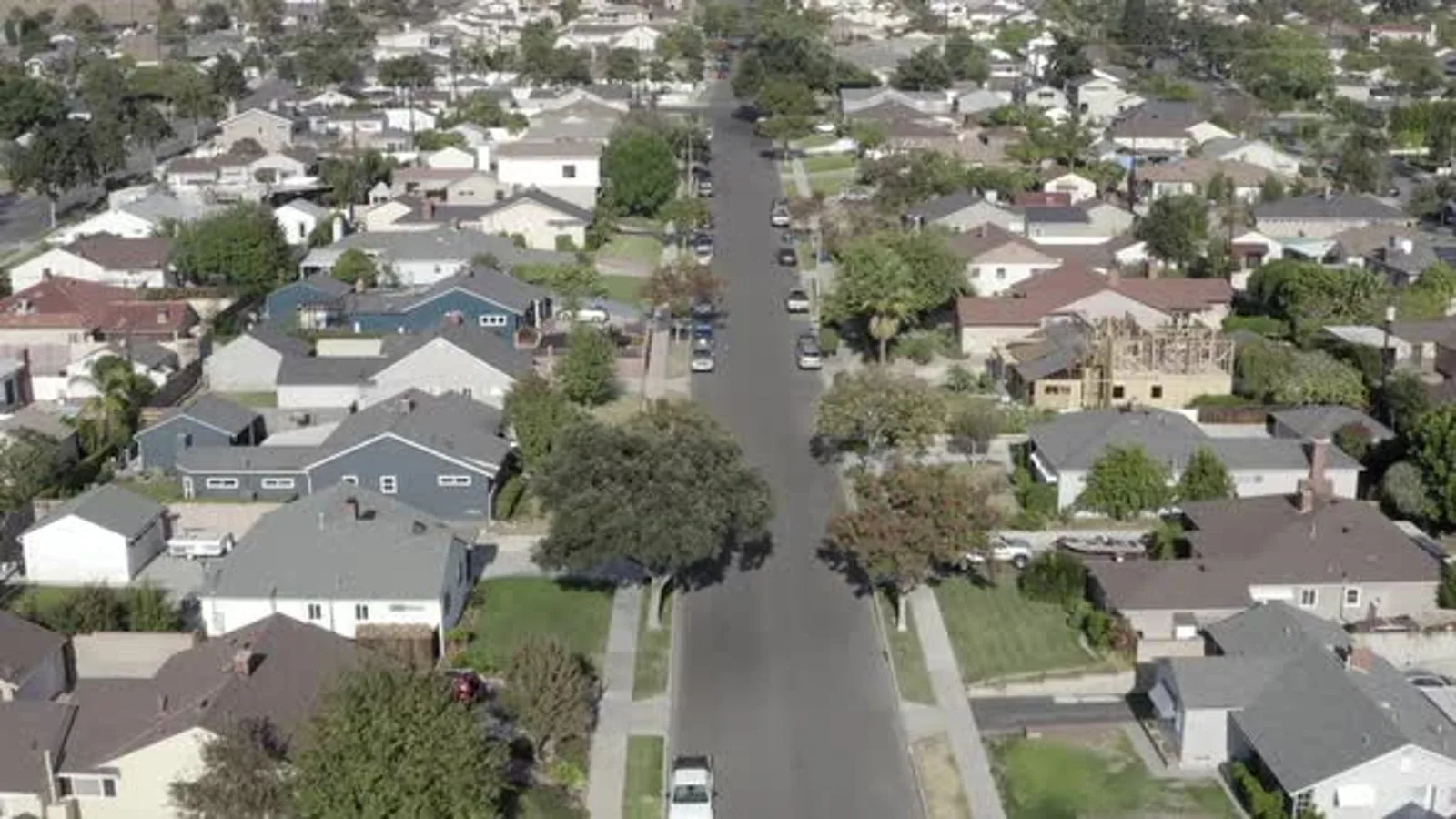 Rancho Commercial Area
-
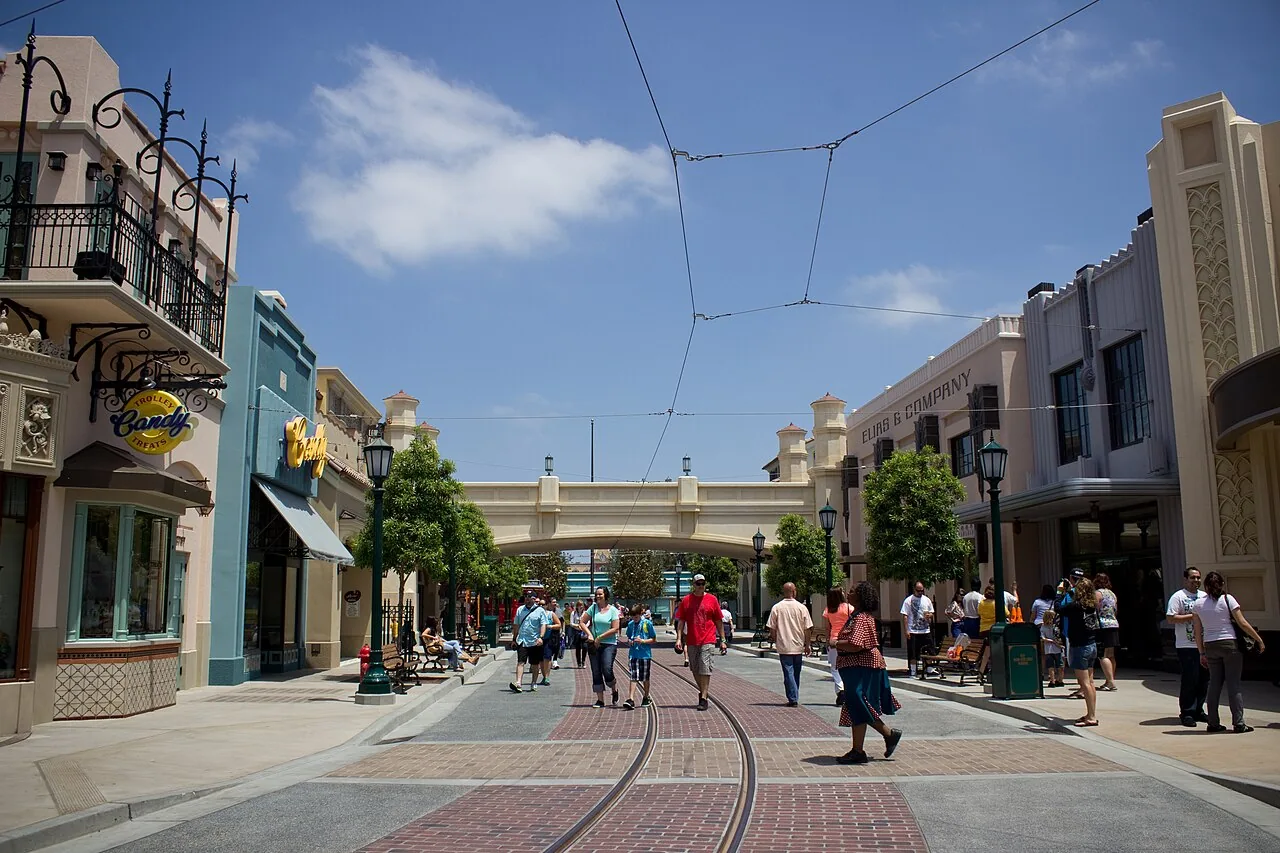 North San Fernando Boulevard Corridor
-
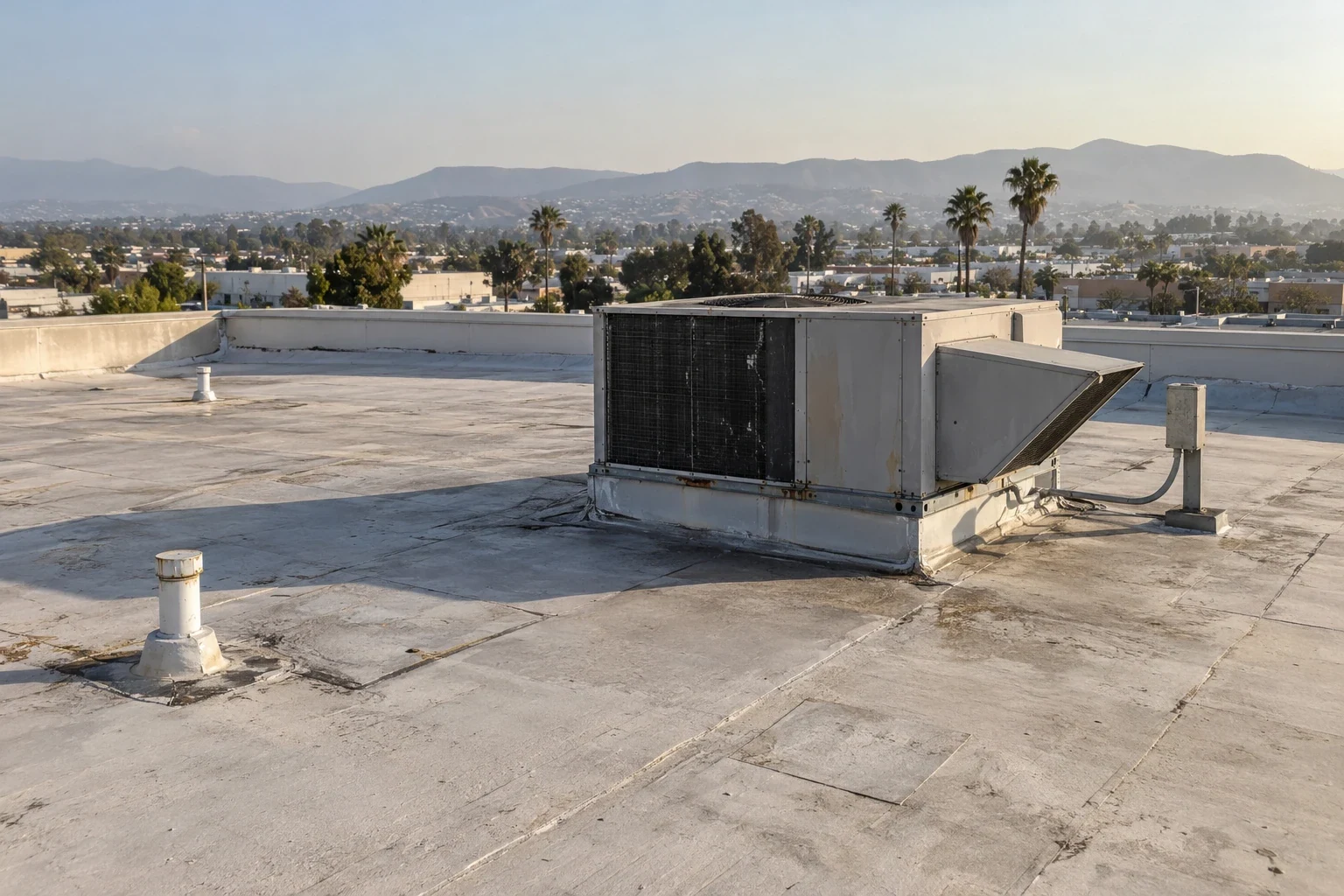 Golden State Commercial and Industrial Area
-
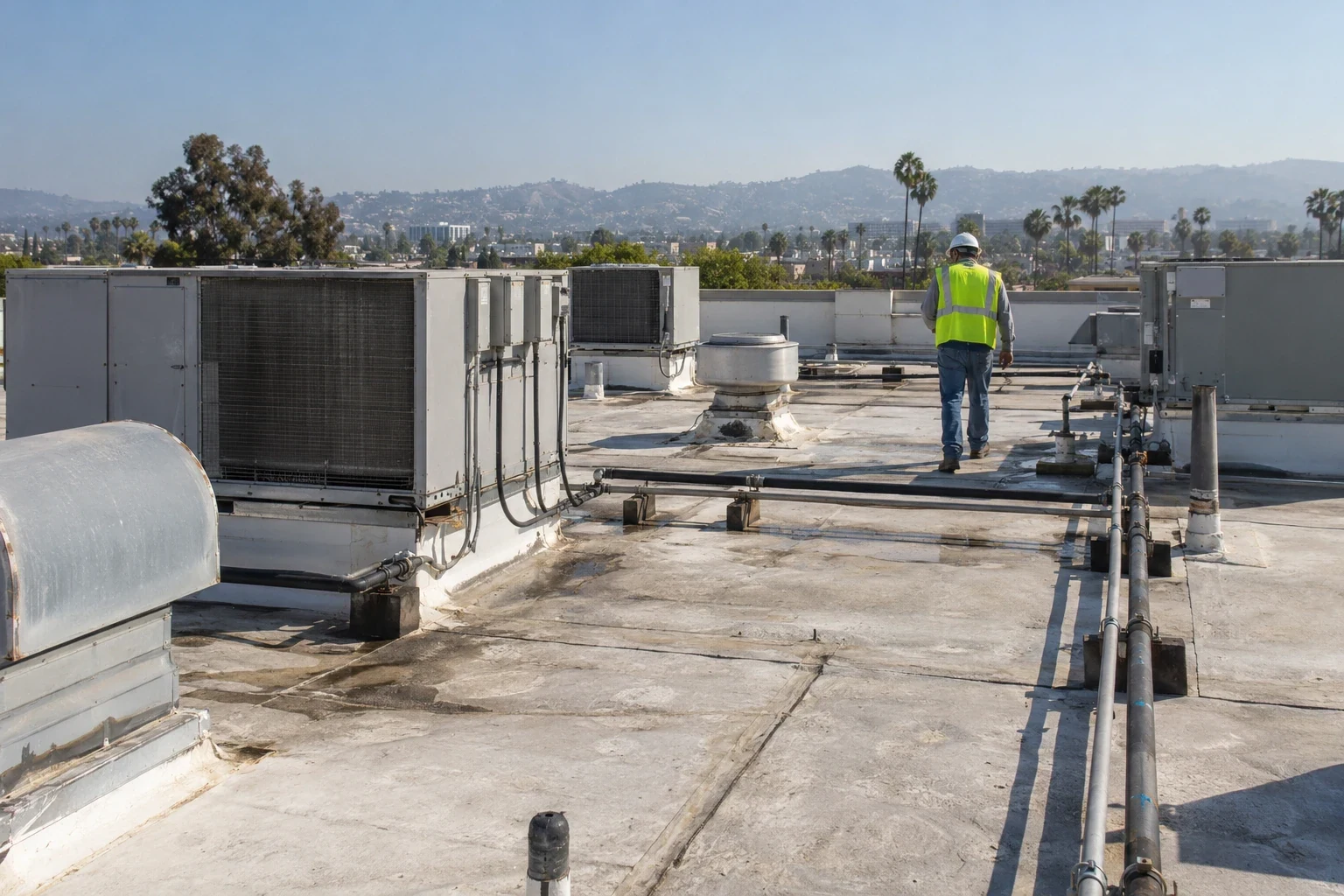 North Victory Commercial and Industrial Corridor
-
 North Hollywood
-
 NoHo Arts District
-
 Valley Village
-
 Valley Glen
-
 Valley-Laurel Commercial Area
-
 Van Nuys Civic Center District
-
 Van Nuys Industrial Corridors
-
 Sherman Oaks Commercial District
-
 Studio City Commercial Corridor
-
 Toluca Lake
-
 Cahuenga Pass
-
 Atwater Village
-
 Cypress Park
-
 Eagle Rock
-
 Glassell Park
-
 Highland Park
-
 Mission Hills
-
 Panorama City Regional Center
-
 Pacoima Commercial and Industrial Corridors
-
 Glendale
-
 Pasadena