Commercial Roofing in Cahuenga Pass, Los Angeles, CA
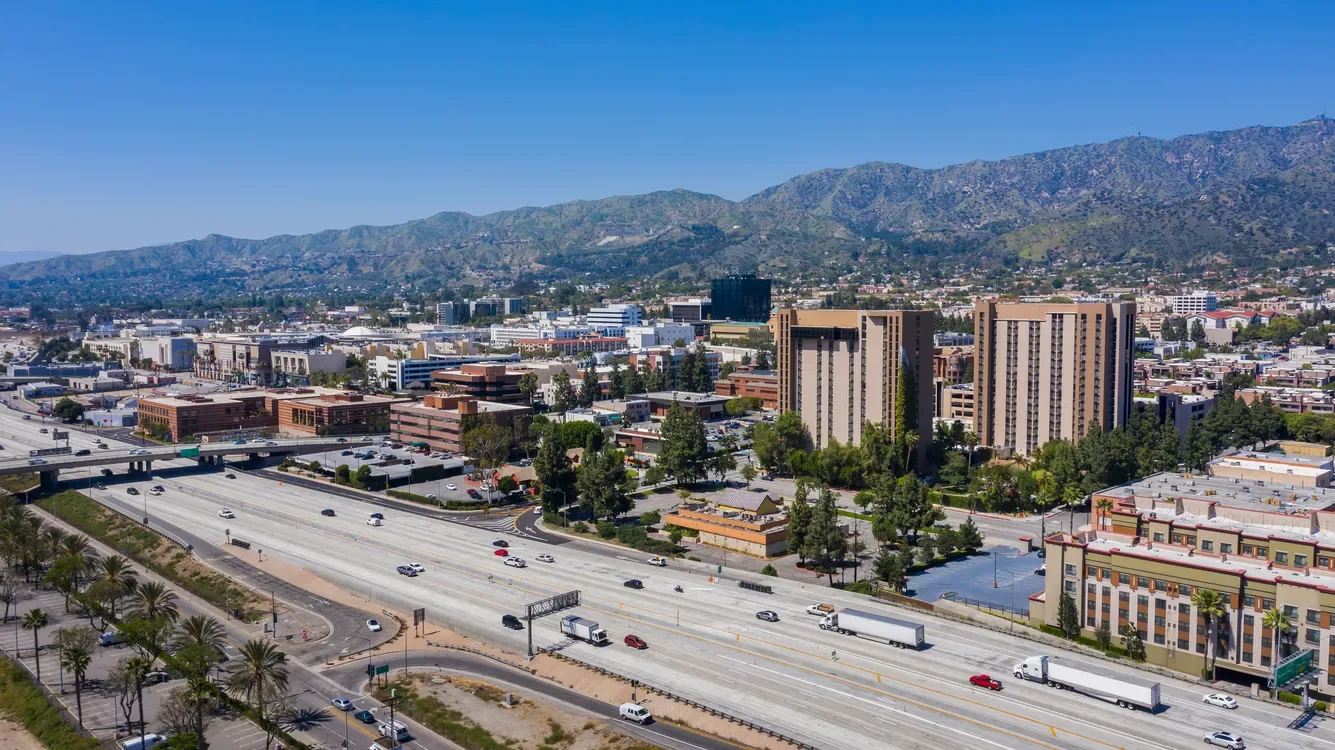
Commercial buildings along the 101 in Cahuenga Pass share a narrow transition between the Los Angeles urban core and the San Fernando Valley. That setting makes roof access, staging, and the operating hours below part of the first repair decision. We identify the affected roof section, the usable entry route, and the work that can happen without disrupting occupied space. Studio City, Toluca Lake, and Sherman Oaks are also part of this broader area, but each property still needs its own access plan and inspection record. A roof inspection records seams, drains, flashings, curbs, and interior reports so a facility director can compare a bounded repair with broader renewal. The recommendation starts with the building in front of us, not an assumed assembly based on the pass or freeway.
Plan Staging Along the Commercial Route
A roof project near a freeway corridor can involve limited delivery space, active entrances, and neighboring uses that keep different schedules. Before equipment arrives, we confirm property access, lift placement, material storage, debris handling, and the person who can authorize a change. The access map marks approved crew paths and the areas that must stay open. The 101 corridor locates Cahuenga Pass; the property contact confirms the loading zone and permitted work hours. We set a sequence that closes and protects each roof section at the end of a shift.
The area is described as a transition from the Los Angeles core to the valley, with commercial development along the 101 and residential neighborhoods in the hills. That mix can make noise, odors, and temporary access relevant beyond the immediate tenant. We identify which occupied rooms lie below the planned opening, where notices should go, and how the crew will protect interiors if weather or a concealed condition interrupts progress. A phased occupied-building scope can keep those limits clear. For a separate property in the Studio City commercial corridor, the same access review starts with that site’s address and operating calendar.
Separate the Visible Symptom from the Entry Point
A ceiling stain or damp wall gives us a location to investigate, while the water path may run along a seam, insulation layer, curb, or parapet. We compare the reported area with roof penetrations, laps, drains, edge metal, and prior repairs. Photos and a roof-section mark keep each observation distinct from a suspected cause. If water has traveled from a higher transition, a patch at the nearest opening may leave the entry unresolved. We explain whether closer access, selective testing, or moisture mapping could change the proposed boundary before pricing a broader repair. A leak investigation can define the next step and show which areas remain unconfirmed.
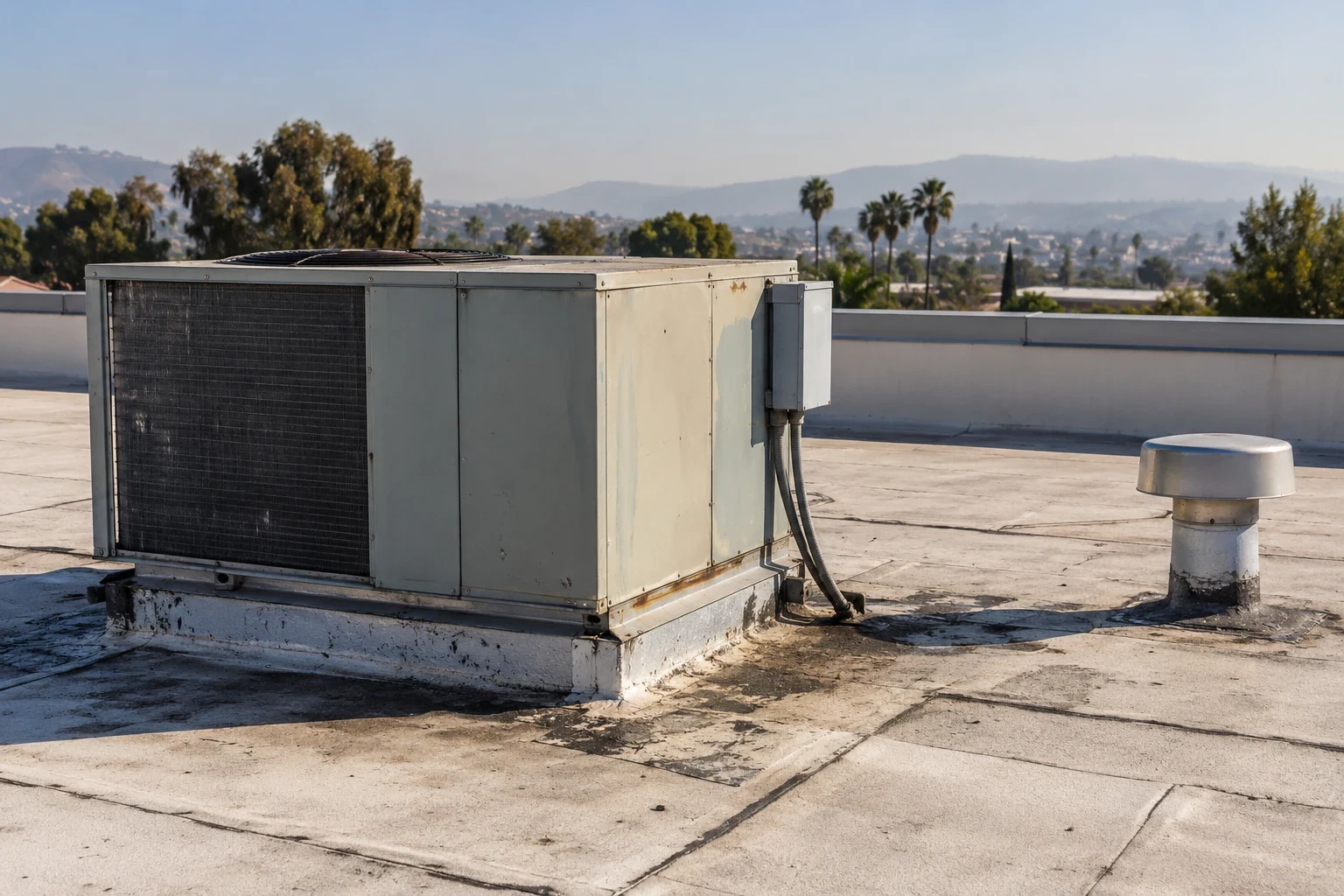
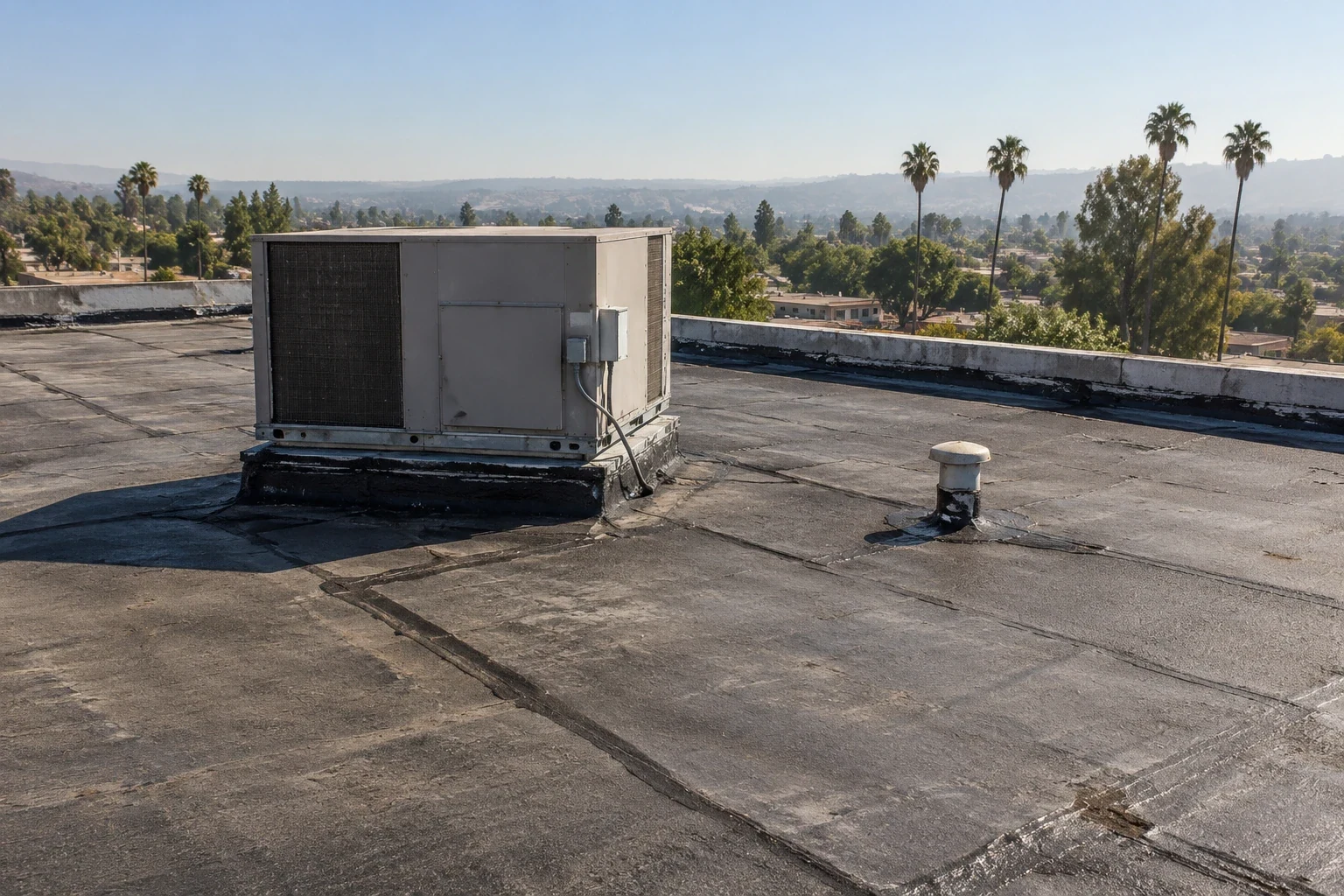
Roofs near the pass can have different assemblies from building to building. We check for membrane type, attachment, insulation condition, fasteners, flashings, and previous overlays instead of identifying a system from the street. The repair detail must match the existing surface and account for movement where a curb, wall, or change in plane interrupts the field. We note any incompatibility risk and separate a detail correction from substrate work. If concealed moisture appears across multiple sections, the owner can consider a moisture mapping or targeted openings. The inspection record should say where the method applies, what evidence it can provide, and how the result may alter the estimate.
Choose the Work Window Around Surface Conditions
Burbank averages 16.50 inches of annual precipitation. That nearby baseline makes the outlet path a useful inspection point; roof slope, drain condition, and transitions decide whether water clears this assembly. We inspect the surface and follow product requirements before any application. Inspection, fastening, or detail work can occupy one window while a temperature-sensitive coating step waits for suitable conditions. The scope identifies weather-dependent work and how an opened area will be protected if the sequence changes.
At each building, we inspect edge metal, corner zones, wall terminations, drains, and visible movement before selecting a repair method. Loose perimeter details can need a different correction from a split field seam. A perimeter metal review records the condition at parapets and transitions, while a modified bitumen repair detail applies only if the existing roof confirms that assembly. The proposal names access assumptions, preparation limits, and any test area needed before full production.
Price the Repair Boundary Before Renewal
A repair remains credible when surrounding materials are stable enough for a durable tie-in and the defect has a defined limit. We describe removal, substrate preparation, flashing, edge work, temporary protection, and the roof section excluded from the price. If recurring leaks or deteriorated insulation span separate zones, we compare repair with restoration or replacement using the same observations. The owner sees what has been confirmed, what remains concealed, and what testing would change quantities. Cost depends on assembly, access, mobilization, removal, disposal, protection below, and the hours available for work. Schedule depends on material conditions, occupied-space coordination, and the sequence needed to keep the roof closed.
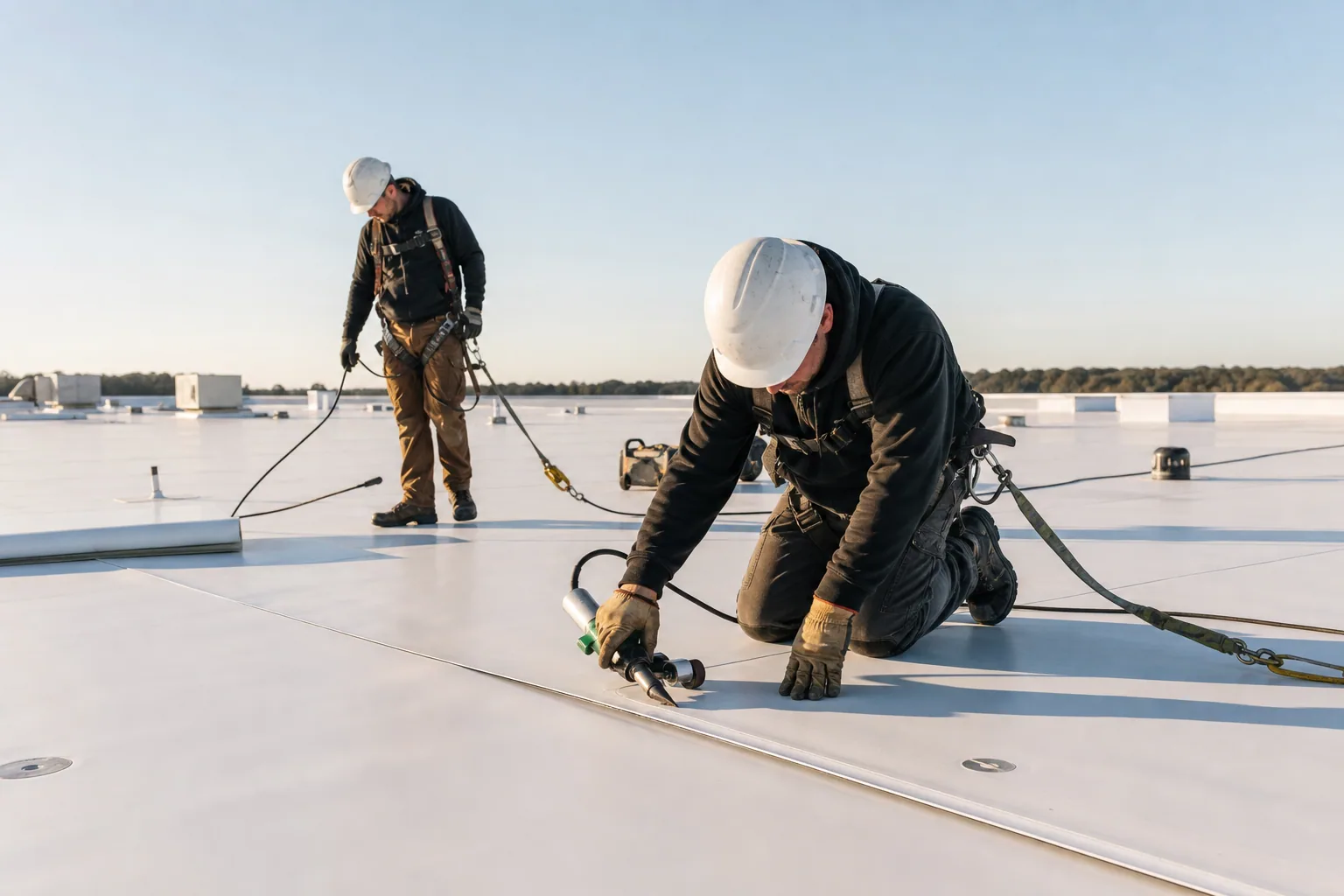
A coating or recover option needs a sound substrate, compatible existing layers, controlled moisture, and details that can be restored. We document those prerequisites before presenting it as an alternative. A restoration estimate should separate repairs and preparation from the coating application, with a test section if adhesion needs confirmation. If the broader assembly cannot support that path, ownership can review a replacement scope with defined tear-off areas and tie-ins. The Toluca Lake service area covers another nearby planning district, but the condition findings and recommendation remain specific to this roof and its records.
Leave a Clear Roof Record for the Next Decision
At completion, we record the sections repaired, photos of finished details, material references, and any item held for follow-up. An inaccessible curb or drain belongs in the closeout file with the reason access stopped and the next action needed. If concealed damage changed the approved scope, the written authorization should sit beside the photo that prompted it. A roof condition report can help a facility director carry these observations into a capital review, especially when the repair and renewal options affect different operating windows. Keep the file with prior invoices, roof plans, tenant reports, and the current access plan.
Before we schedule, share the building address, the room or equipment affected, available roof drawings, previous repair notes, and the date an owner decision is needed. We will confirm the access route, map the inspection area, and return a scope that distinguishes immediate stabilization from further investigation. For a second address managed by the same ownership, maintain a separate roof map and condition history so findings do not migrate between properties. Cahuenga Pass’s corridor setting helps frame timing and access questions; the inspection evidence determines what work belongs in the proposal.
Commercial Roofing Questions
What should a property manager arrange before a Cahuenga Pass roof inspection?
Confirm roof access, delivery rules, occupied areas below the work zone, and the person who can approve testing or a revised boundary. Prior plans and repair records help focus the visit.
Can a leak near a wall or curb be repaired from the roof side?
Often, once the entry detail and surrounding assembly are confirmed. We inspect the transition and compare the interior report with the roof path before choosing a repair.
Does a warm day prevent coating work?
The surface temperature and system instructions decide the application window. We can sequence inspection and preparation separately, then schedule coating for conditions the product allows.
How do you keep an occupied space protected during a repair?
We mark the work zone, agree on access and notice procedures, protect the interior beneath an opening, and leave the section watertight or temporarily covered at each stopping point.
When is a replacement comparison useful?
It helps when failures cross several sections, concealed moisture is widespread, or a repair boundary cannot address the recurring condition. The comparison uses the same roof observations and states any remaining tests.