Commercial Roof Condition Reports in Burbank, CA
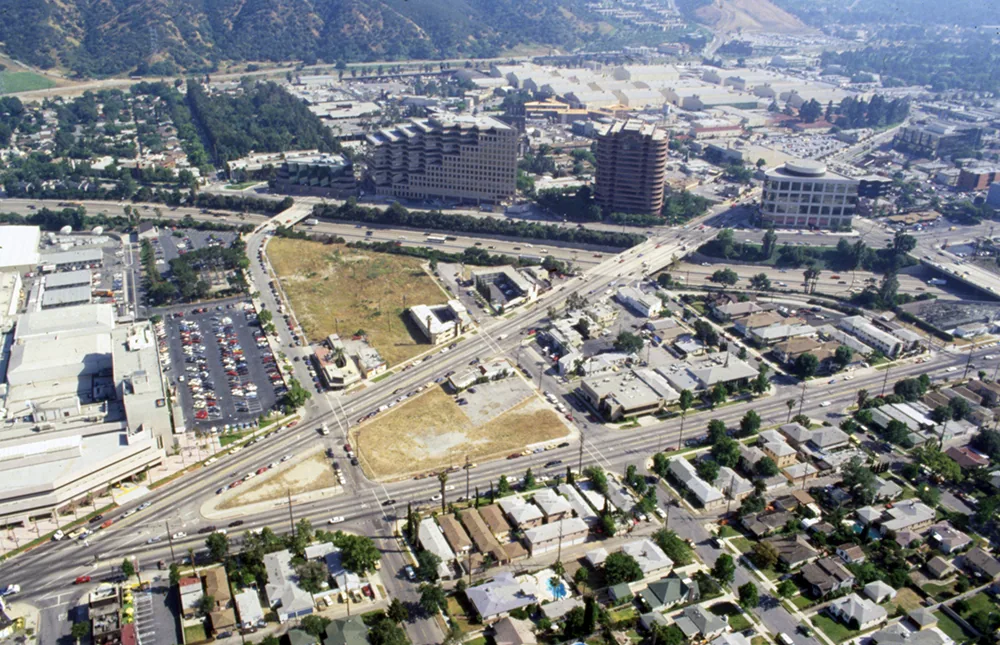
A condition report earns its place when a facility director can act from it. The document should show where a roof issue sits, what was visible, what was tested, and what remains uncertain. In Burbank's Media District, production, healthcare and office uses can place different limits on roof entry and occupied-floor access. Magnolia Park is an independent retail and dining district, where a property's loading and customer hours may affect inspection setup. We confirm those building details instead of assuming the district description is a site plan.
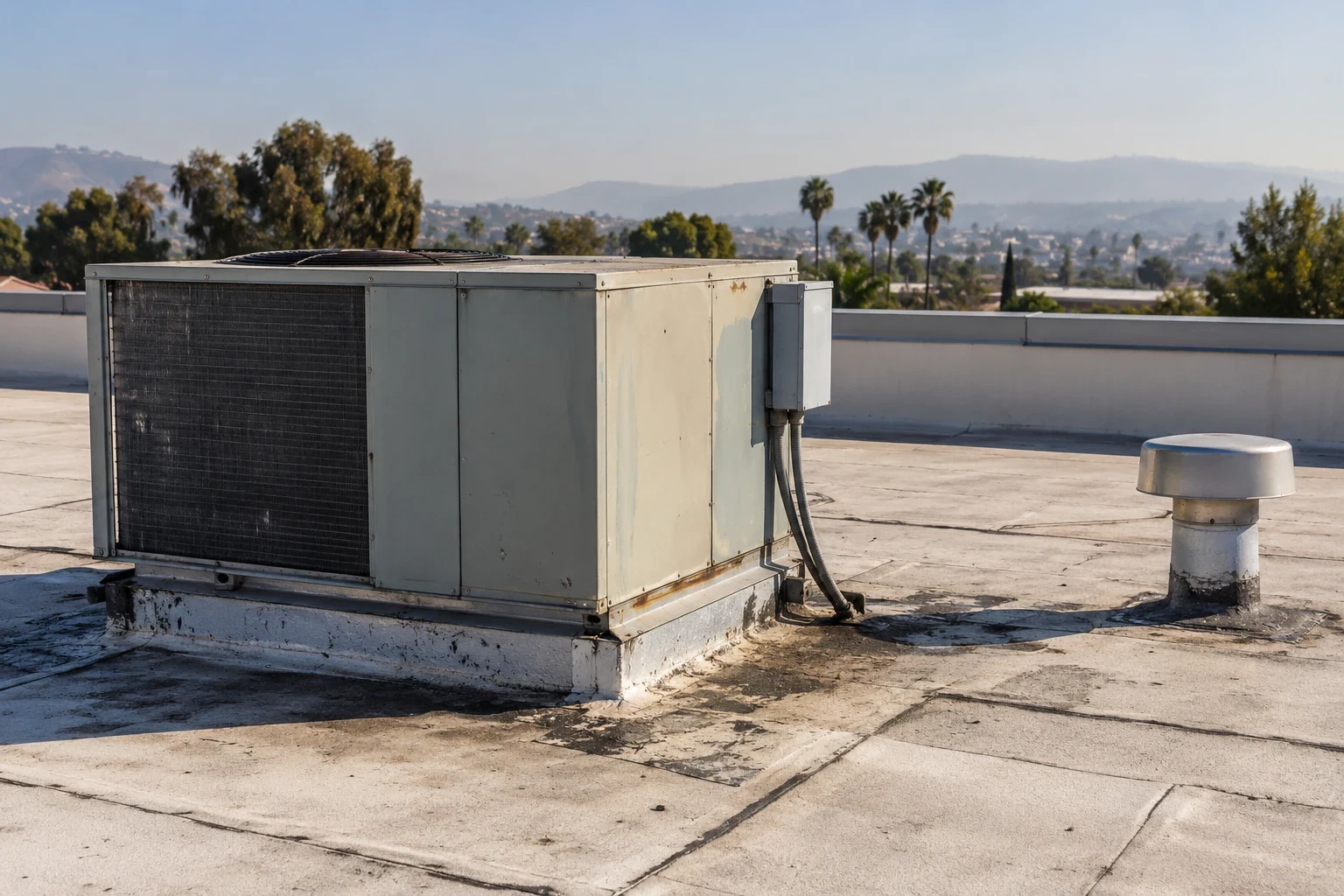
We divide the roof into sections and connect each observation to a photo, date and recommended next step. A commercial roof inspection can establish the field record, while drone imagery may help document visible areas where permitted. The report should make a repair or renewal decision easier to review, not turn an image into a conclusion without context.
Map the Roof Before Writing Findings
We begin with a usable plan or sketch and label roof sections, access points, drains, curbs, walls, edges and equipment. If an available drawing does not match the field, we note the discrepancy and mark what needs confirmation. A consistent section name lets the owner connect a ceiling report to a roof location and compare future photographs. We do not give a precise leak-source label when water could have traveled through the assembly or along a deck before it reached the room below.
The Media District has production studios and entertainment, healthcare and office employers. That mix makes clear access coordination relevant, but it does not establish the layout of a specific roof. We record the facility's approved entry path and work window beside the map. Magnolia Park's retail and dining character can also mean customer-facing entrances or deliveries need protection. A Media District inspection plan and Magnolia Park roof review remain tied to the actual property's rules rather than assumptions from a district name.
Describe What the Crew Could Confirm
Each finding needs a location, visible condition, test or inspection method, date and photo reference. We distinguish a split seam, loose flashing, surface wear, ponding observation or prior patch from the cause of an interior leak unless the evidence supports that link. If an area is covered, unsafe or inaccessible, the limitation belongs next to the finding. That prevents an owner from reading a partial inspection as a statement about the entire roof.
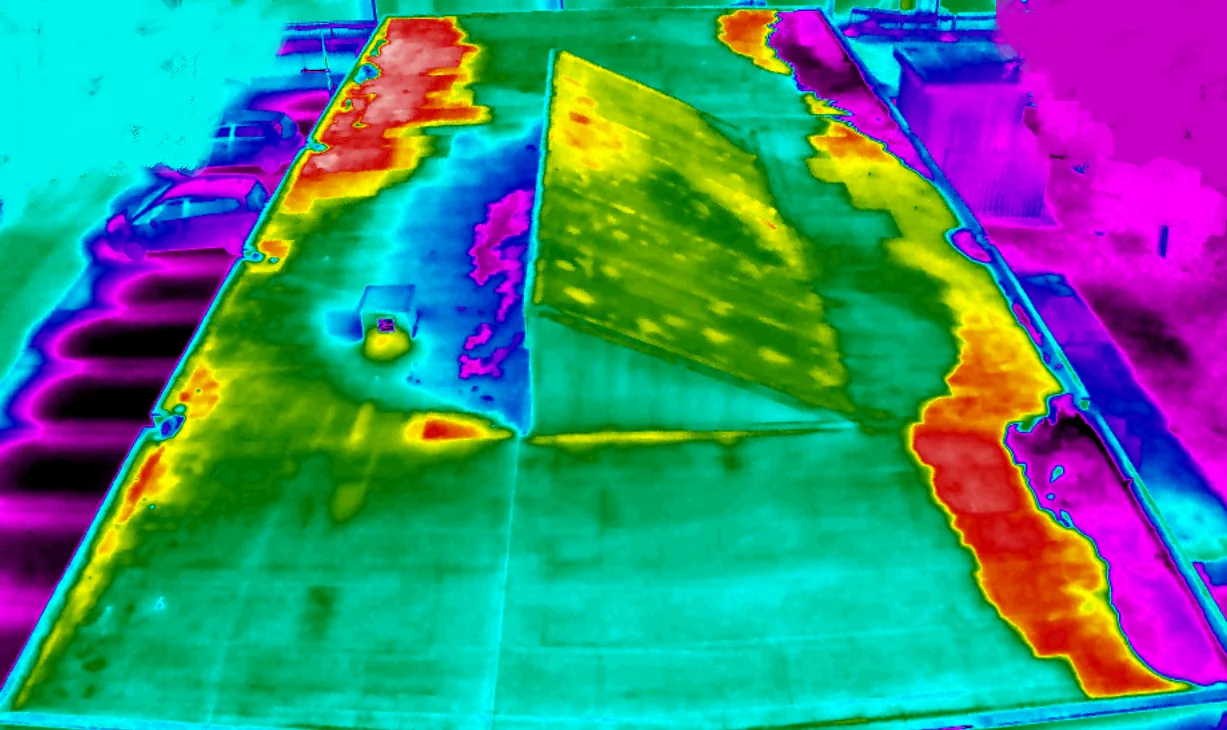
Use photographs that show both detail and context. A close image can reveal a seam edge; the wider frame should help a reviewer locate the detail on the map. If moisture testing is used, identify the area, conditions and method limits. Infrared patterns can guide follow-up but do not alone confirm wet insulation. A moisture survey may therefore be paired with an approved test opening when the report's decision requires more certainty. The result should state what the check established and what remains open.
Explain Consequence Without Overstating It
A report should help the owner prioritize an observed condition. An open transition near equipment may need a different response from a coating defect on a dry field area. We describe exposure, access and likely next action without assigning a failure date that a visual visit cannot support. If water is active, the immediate record separates interior protection and temporary roof stabilization from a permanent repair recommendation. That sequence gives operations a usable action while the cause or repair boundary is still being reviewed.
For Burbank roofs, the local warm-season profile provides context for inspecting surface condition, but it does not prove that heat caused a particular defect. The report links local exposure only where it bears on an observed seam, membrane or coating condition. If the defect occurs in a distinct roof section, we show its boundary and neighboring details. A heat-related roof review can help frame the technical question, while a leak investigation can trace water entry when the visible condition is not enough.
Set Out the Repair and Renewal Paths
Recommendations should connect the observed condition to a defined scope. For a repair, state preparation, materials, detail boundary, access and closeout evidence. If a recovery or replacement is considered, identify which roof areas, layers, drainage transitions and equipment curbs enter that proposal. Separate confirmed work from testing or allowances so ownership can compare alternatives. We can note when the existing assembly cannot be verified and list what would need to be checked before a final scope.
Report findings should not force an owner into a large project because a detail failed, and a small patch should not be offered as a substitute for evidence of broad deterioration. We identify the decision trigger: isolated repair, further test, phased renewal or replacement comparison. The recover evaluation and replacement assessment use separate assumptions. That helps facilities and finance teams compare the work with the same plan and a clear distinction between present condition and future recommendation.
Deliver a File the Team Can Revisit
A finished report includes a date, contact, roof section map, findings, photographs, limitations, recommended action and follow-up owner. Keep repair records and prior surveys attached or referenced by date so later reviewers can understand what changed. If the report is used for budgeting, state the assumptions and the time window in which the field conditions were reviewed. A report should not imply that a roof remains unchanged after new equipment work, a storm or a later leak.
The closeout should identify who receives the file and who approves the next test or scope. For a property in Magnolia Park, the inspection may need to respect storefront or delivery hours; in the Media District, a production schedule or secured roof access can influence the visit. The address-level contact confirms those limits. Bring a roof plan, leak log, repair invoices and any prior report to a portfolio record review. A capital-planning file can carry its findings into the next approval. We can organize the findings so the decision owner sees location, evidence and next step together.
Keep a report revision history when new information arrives. Add the date, the new photo or test result, and the roof section affected, then state whether the earlier recommendation changes. Do not erase the original observation if a later repair covers it; the chronology helps ownership understand what the crew saw before work. When a facility contact supplies an interior log or contractor invoice, label it as supplied material and keep it distinct from our Diligence Notes. That difference matters when the file is reviewed months later by another manager.
Commercial Roofing Questions
What should each roof photo show?
Use one close view for the condition and another that places it within a roof section. Add a date, direction and caption so a later reviewer can compare the same detail.
Does a thermal image confirm wet insulation?
It can indicate an area for investigation, but an infrared pattern alone does not establish moisture. We state the method and its limits, then recommend an approved follow-up check when the decision needs it.
How should an inaccessible area appear in the report?
Mark the section and explain why it was not reviewed. The limitation should remain visible so the reader does not treat the report as a full inspection of that area.
Can the report include repair pricing?
A proposal can price a defined scope when preparation, materials, access and exclusions are clear. We separate confirmed work from an allowance or test that is not yet defined.
Who receives the completed condition file?
The facility director or assigned owner contact should receive the report, photo index, scope and open actions. We confirm the delivery list and any site information that must remain restricted.