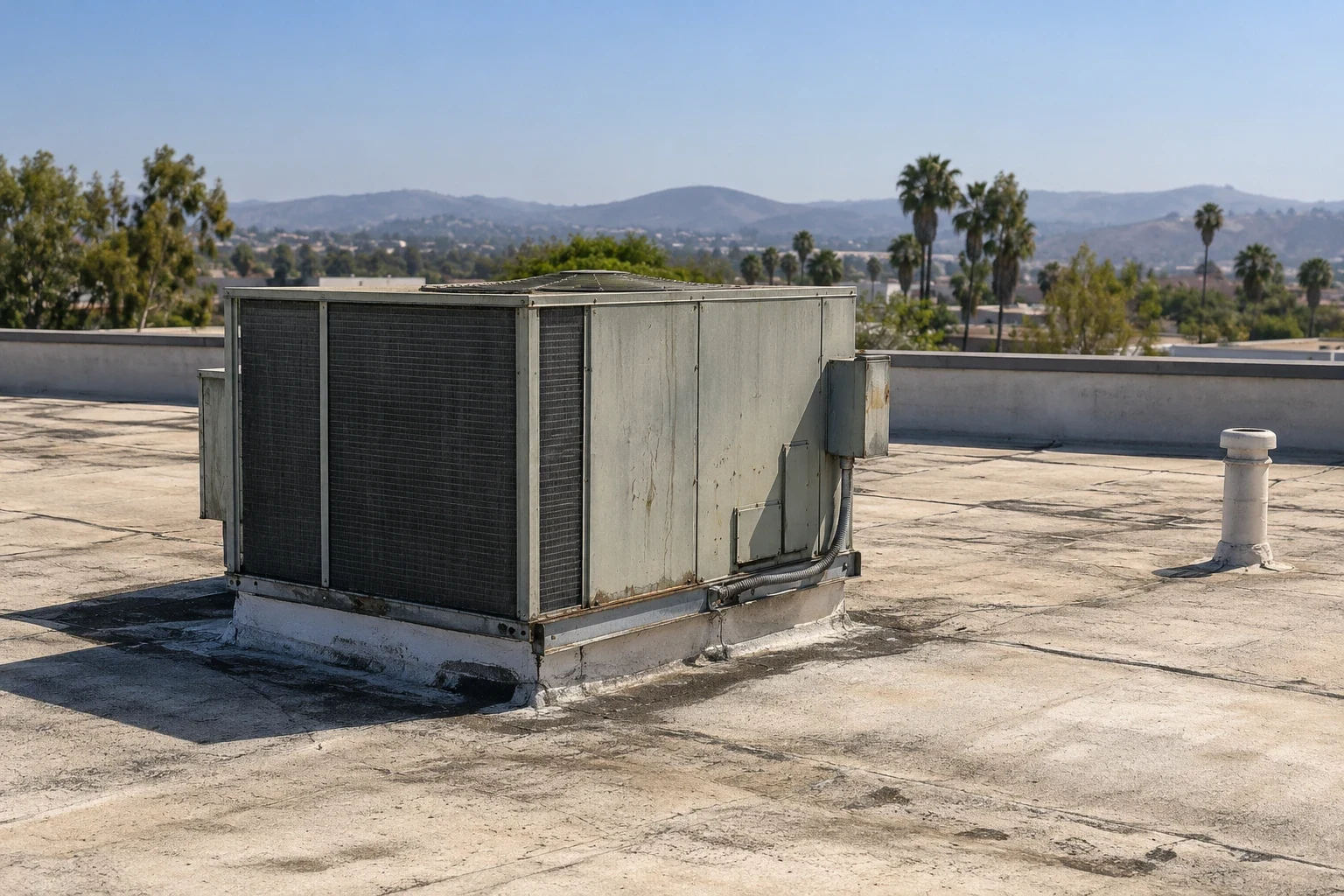
Commercial Roof Asset Management in Burbank, CA
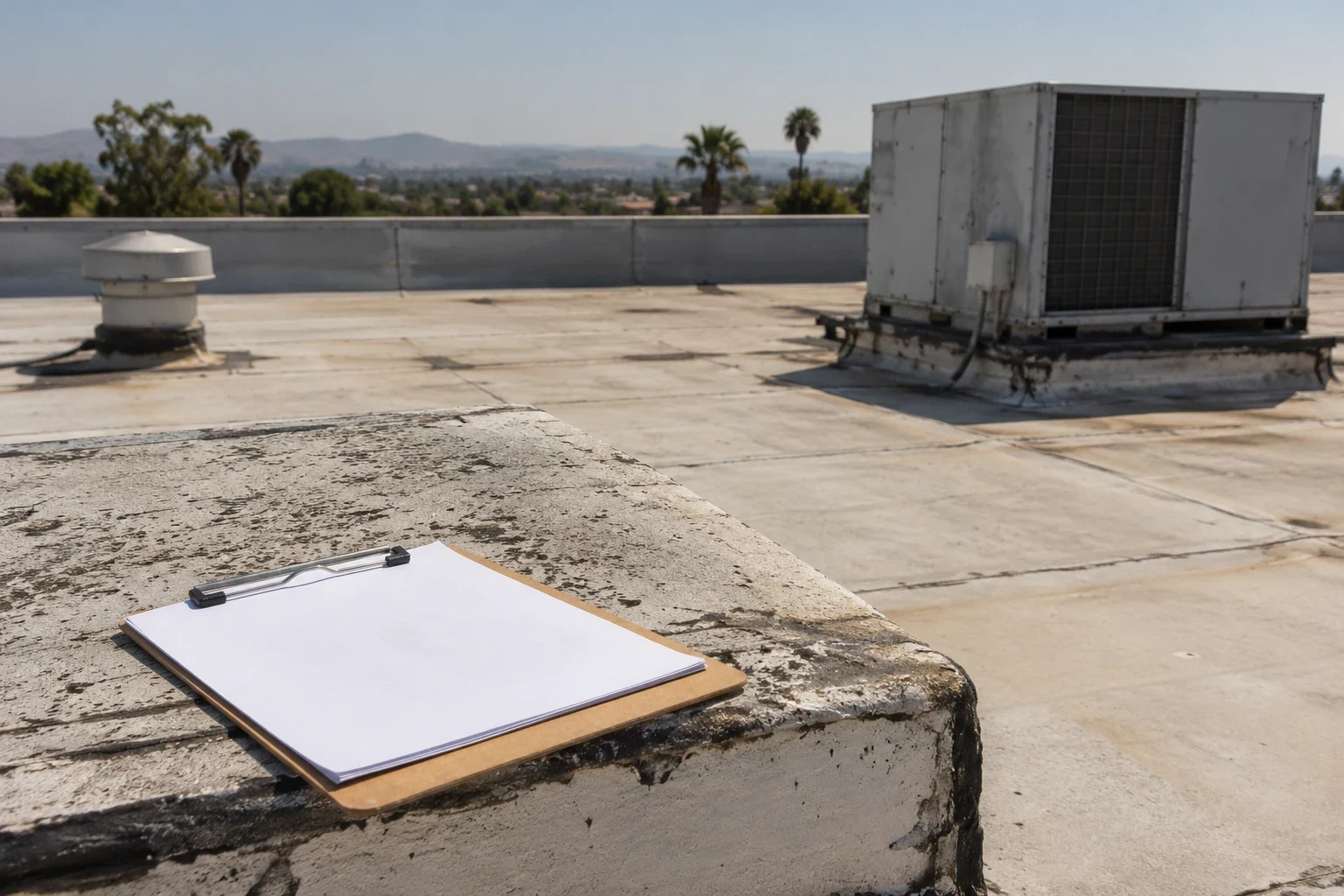
A roof portfolio becomes difficult to manage when one building has a leak report, another has an old inspection, and a third has no usable plan. In Burbank, production, office, healthcare and entertainment uses share the Media District, while the Airport District mixes technology, hotels and retail. We set a common record for each roof without treating those properties as interchangeable. The facility director can see what was observed, where it sits, what work is proposed and which decision date matters next.
Start with building identity, roof sections, system where known, access limits and current records. A condition report gives each observation a location and photo reference. Pair it with capital planning so the portfolio view supports a funding decision rather than collecting files for their own sake. Burbank's warm-season exposure makes roof condition worth tracking, but each assembly still needs its own evidence.
Build One Record for Each Roof Section
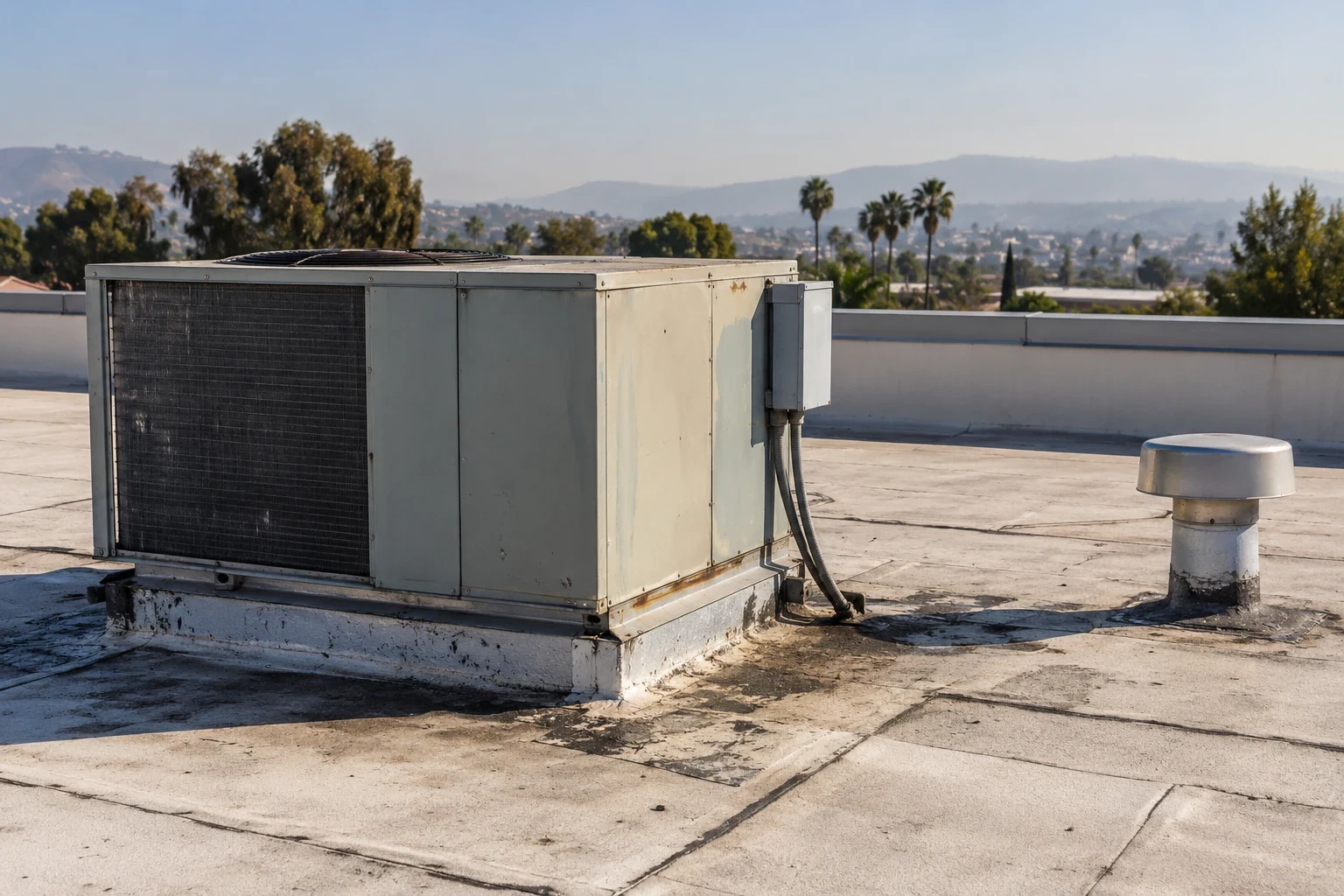
A useful asset file begins with the property name, plan date, roof section labels, approximate boundaries, known membrane or metal system, drains, curbs and access points. We note what the record came from, such as a field inspection, owner drawing or prior repair file, and mark uncertain details for confirmation. This prevents a drawing from being mistaken for current field condition. A section map lets operations staff connect an interior report to the roof without assuming the closest drain or penetration caused it.
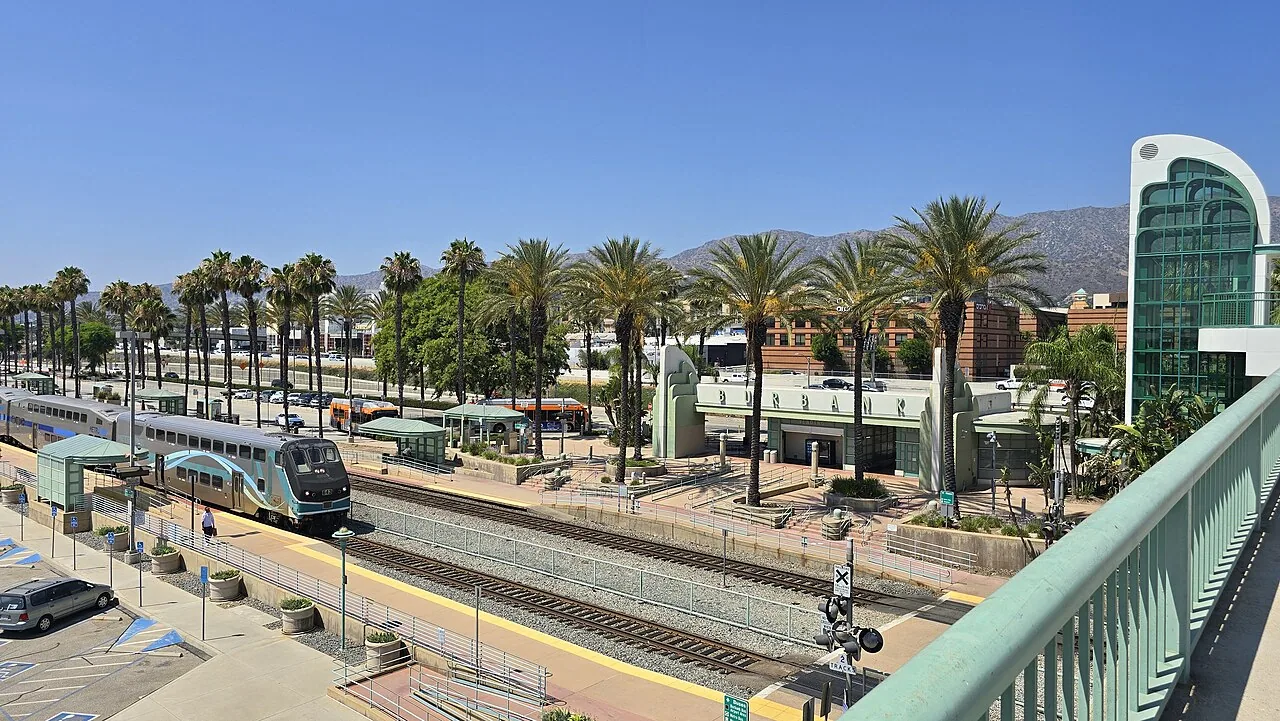
The Media District includes production studios alongside entertainment, healthcare and office employers. A portfolio record there should distinguish access windows and operating restrictions by property, not assign one schedule to every building in the district. The Airport District's technology, conference-hotel and retail mix creates a different set of contacts and roof access needs. We record those building-specific instructions beside the roof map, then link them to the Media District service area and Airport District coverage for dispatch context.
Separate Observation From Assumption
Each entry should state the roof condition, where it was observed, how it was checked and what remains uncertain. A wet interior ceiling is a reported symptom; it does not identify the opening. A thermal scan may point to an area that needs further review, but it does not independently prove wet insulation. We mark the difference between a visual finding, a test result and an owner-provided history. That language makes later comparisons useful because the next reviewer can see what changed and what was never established.
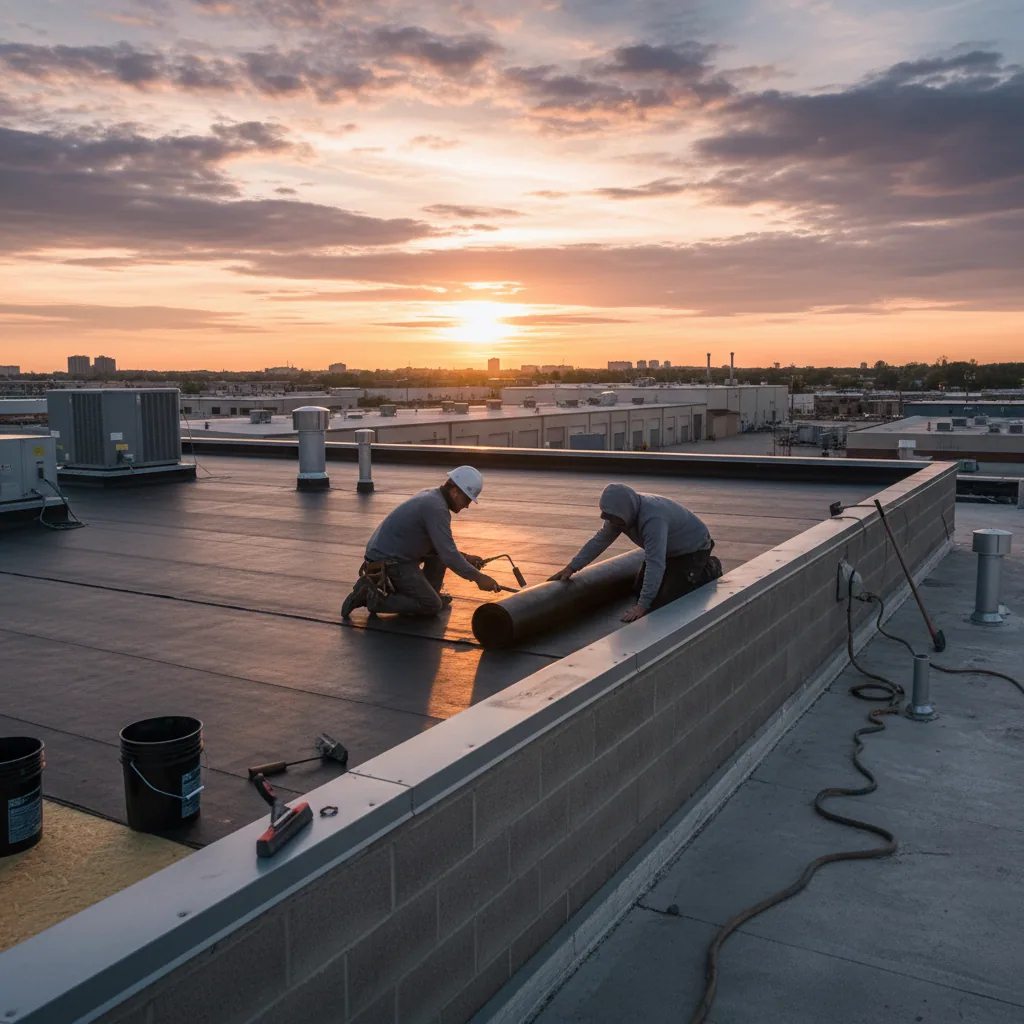
Photographs should include a close view of the detail and a wider view that locates it on the roof section. A date, direction, photo number and short caption help the team compare a repair revisit with the earlier condition. If an area was inaccessible or unsafe to inspect, the record says so. A focused commercial inspection can add a current field baseline, while maintenance visits document what was cleaned, adjusted or left for follow-up. Neither entry should be expanded into a full-roof conclusion without supporting work.
Keep Repairs Tied to Their Scope
Log the reported issue, roof section, approved work boundary, materials used, date, access conditions and closeout photos. A repair entry should distinguish temporary protection from permanent work and note whether a return visit is required. If the field condition differed from the approved scope, record the change and authorization before closing the item. That history helps an owner see whether a recurring leak follows one detail, several locations or a prior patch that did not address the broader assembly.
Do not measure repair quality by invoice count alone. Compare the location and type of work with the next inspection, including open seams, curb flashing, drainage behavior and adjacent membrane. The seam repair record can be compared with a later survey to see whether movement remains. When a repair pattern starts crossing roof sections, a replacement review may deserve a separate scope. Asset management keeps both choices visible without presuming that a single repair history dictates the answer.
Compare Exposure Across Buildings
Portfolio sorting works best when every roof uses the same basic fields: condition, active leak status, repair urgency, access limitation, system confidence, next inspection date and decision owner. These labels should summarize evidence, not hide it. A high-priority item needs the photo, observation and consequence behind the rating. If a roof cannot be entered or its assembly is unknown, that limitation should remain visible instead of being scored as healthy. The owner can then choose which gaps need another visit before budgets are set.
We review the list with the person responsible for each building and confirm operating windows, tenant contacts, scheduled maintenance and capital approvals. Burbank's Magnolia Park and Downtown commercial district combines office and retail uses with many shops and restaurants, which can make staging and daily access different from a studio or technology property. The district fact helps frame the conversation; it does not describe a specific roof. A current multi-site program can coordinate records across properties while preserving local contacts and scope boundaries.
Set the Next Decision Date
A record without a next action will age. Assign an owner and date to each unresolved condition: confirm a roof section, approve a test, complete a repair, compare recovery with replacement, or schedule a follow-up inspection. Put material lead time and access restrictions beside the action so a budget review does not rely on a date the building cannot meet. A dashboard can summarize this list, but the underlying photos and Diligence Notes should remain available to the person approving the work.
We close the review by identifying the documents that are missing and the decision each one supports. For a Burbank property, summer heat is relevant to roof exposure, but a regional average does not substitute for a roof survey or quantify a building's energy use. The current assembly, drainage, seams and repair limits determine what can proceed. Bring a roof plan, prior invoices, access rules and any current leak log to a portfolio condition review; we will map evidence to the next practical step.
For a portfolio handoff, keep the open-item register beside the latest roof map rather than copying only a summary score into a spreadsheet. A new manager should be able to trace each action to its photo, service date, access note and approval status. We identify whether an item is waiting on a test, owner approval, a manufacturer response or a scheduled crew visit. That makes the next operating meeting useful: the group can close resolved conditions, confirm the remaining budget questions and assign a realistic review date without changing what the field record actually says.
Commercial Roofing Questions
What belongs in the first roof asset record?
Begin with the building, roof-section map, system if known, access rules, current condition, repair history and next decision date. We mark the origin of each detail and call out gaps that need field confirmation.
Can one score compare every building?
A shared scale helps sort the list, but the evidence behind each rating must stay visible. A production roof and a retail roof may have different operating limits even when both show similar membrane wear.
How do you handle conflicting roof plans?
We retain the dated documents, compare them with accessible field conditions and identify what remains uncertain. The asset record should not silently choose an old drawing over a current observation.
When should a repair record change the capital plan?
A repeated condition across sections, broad moisture, deteriorated attachment or recurring detail failure can justify a separate renewal review. We connect that proposal to inspection evidence instead of treating repair count as a replacement rule.
Who should own the next action?
Assign one facility contact and one decision date for every open item. The contact can confirm access, approve testing or scope a repair, then keep the closeout file with the roof record.