Commercial Roofing for Manufacturers in Burbank, CA
A roof failure at a manufacturing property can affect production, stored material, electrical equipment and shift changes at the same time. Burbank's Golden State area includes commercial and commercial-industrial land uses, while North Victory is also mapped for commercial and industrial activity. Those broad districts frame the local building context; they do not identify a particular plant's roof system. Before pricing, identify the build-up above the production line, the suspected water route and the containment needed for the process below. For a plant manager, an roof inspection should define the repair boundary and show what field evidence, if any, justifies studying a broader renewal.
Trace Production Exposure by Roof Zone
A stain near a production line may be several bays from the defect. We begin with the reported time and location, then compare roof seams, curbs, exhaust penetrations, drains and wall interfaces above the affected area. Equipment vibration or thermal movement may matter only when the observed detail supports that connection; we do not assign a cause from the machine name alone. Marked photos show the detail and the roof section, while a note identifies any line or process area that needs interior protection. If multiple zones are involved, a condition report keeps each finding separate so a single wet ceiling does not turn into a plant-wide replacement assumption.
A plant manager can help identify sensitive production lines, stored goods and electrical rooms beneath each proposed roof section. We note those areas before opening materials and set a route for any temporary cover. The work boundary should include the overhead protection needed for the actual process zone without making assumptions about product hazards that the facility has not supplied.
Account for Equipment and Penetrations
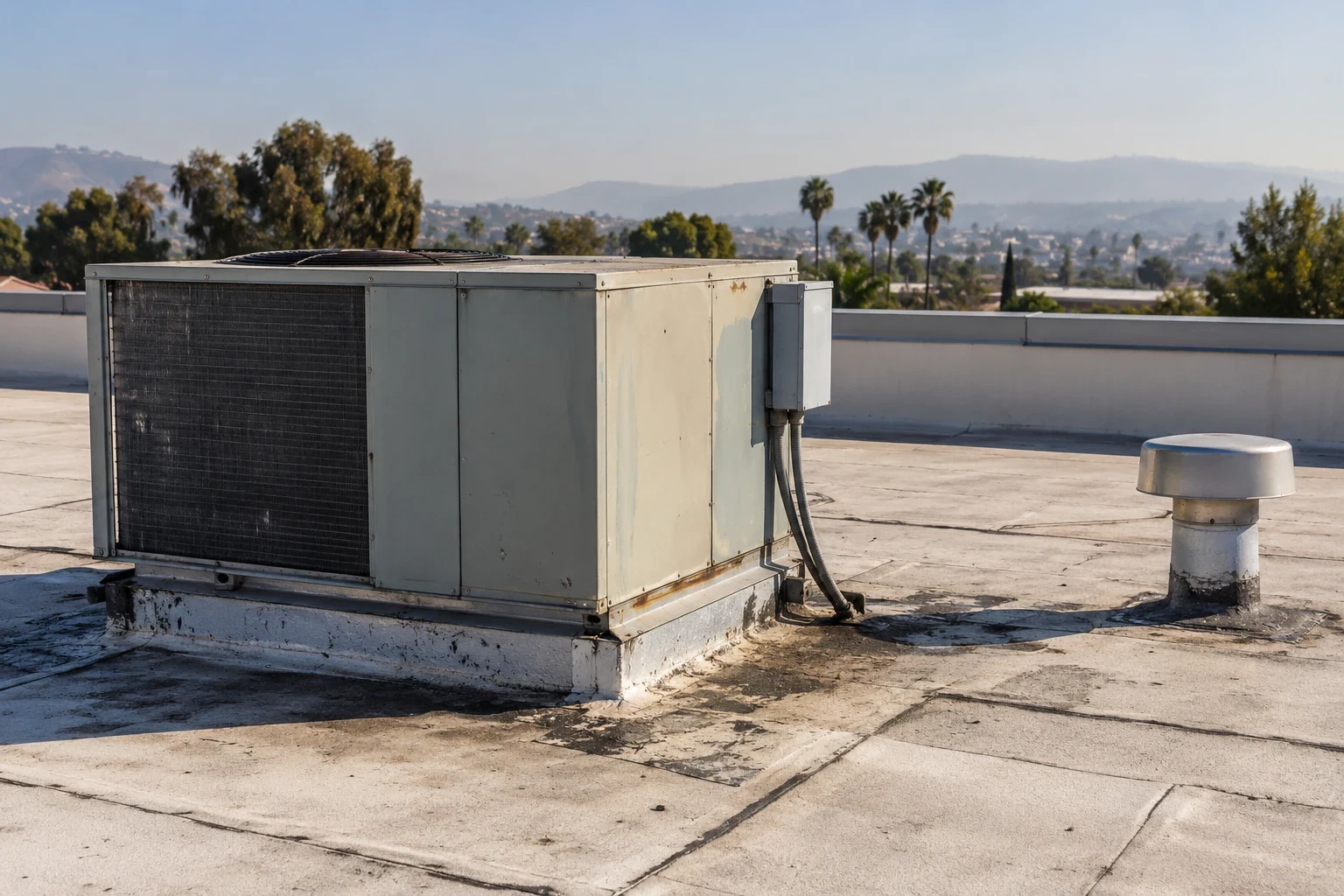
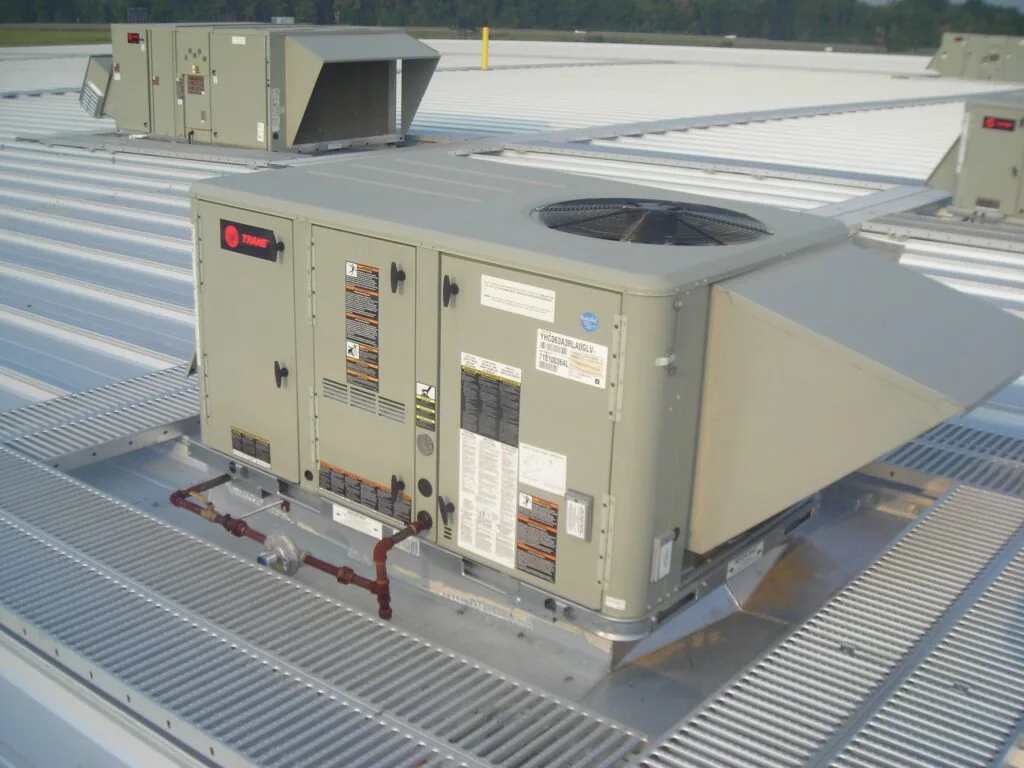
Manufacturing roofs often have mechanical equipment, exhaust stacks, piping and electrical conduits crossing the membrane. Each penetration needs a compatible flashing, secure termination and enough clearance for inspection and maintenance. We document whether the curb is stable, whether sealant is masking a movement joint and whether adjacent membrane has softened or split. For a larger assembly, rooftop traffic and service access can affect where walk pads or protection are appropriate. We list those details in the repair scope and identify any equipment isolation or shutdown requested by the facility. A curb and support review can be scoped with the main inspection when those penetrations sit within the affected zone.
Penetrations should be checked as assemblies, not as isolated beads of sealant. We look for curb movement, torn membrane, failed fasteners, trapped debris and water flow around the base. If equipment service work is scheduled, the sequence can coordinate roofer access with the maintenance contractor and avoid closing a detail before the unit work is complete. If product flow depends on the roof schedule, the distribution operating plan can supply a second view of receiving and dispatch windows.
Fit Work to the Shift Plan
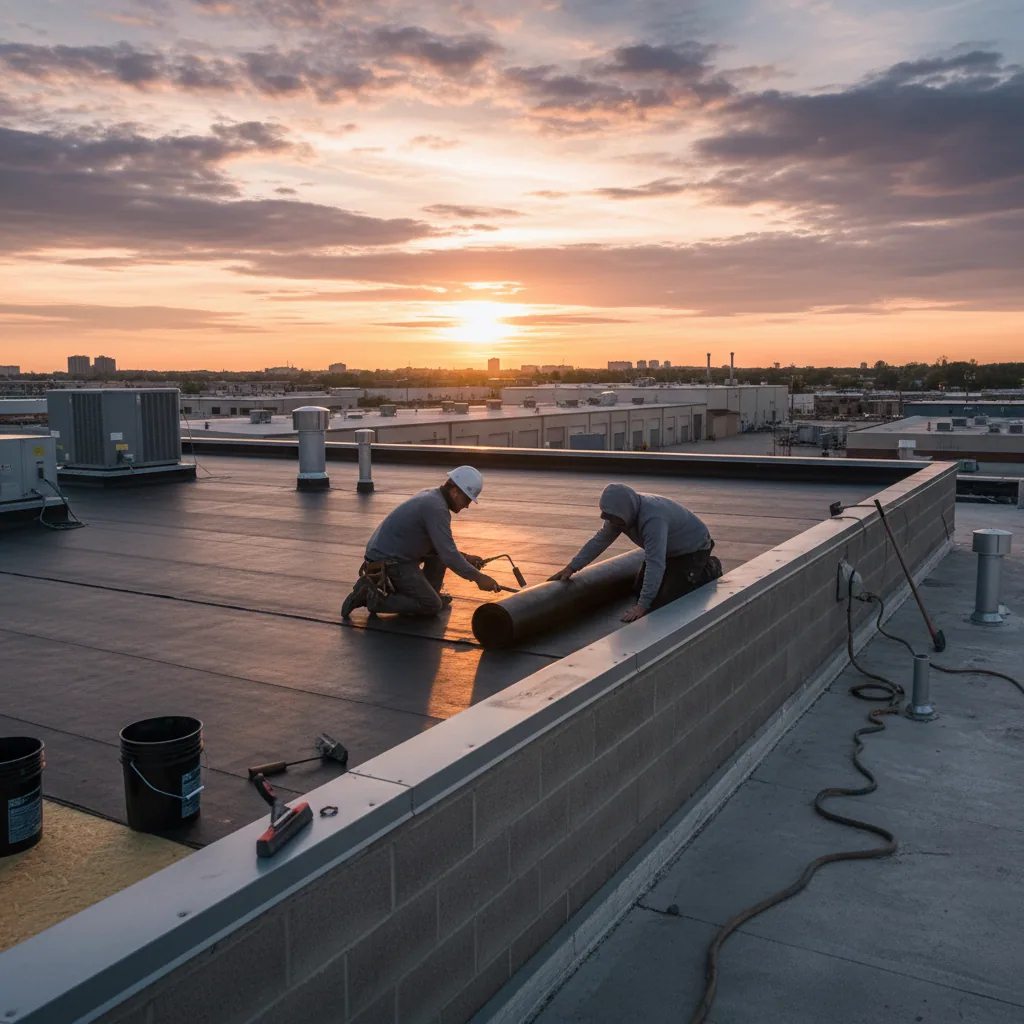
An industrial roof project should be divided around active operations, delivery movement, safety zones and the sequence for shutting down or protecting any equipment below. Have operations identify the roof hatch, lift path, reserved staging pad and periods when overhead activity must stop. A repair can often be isolated to one section, but temporary dry-in and the weather closeout must be stated before materials are removed. When production runs through multiple shifts, the proposal should identify the crew's daily stop line and the handoff condition at each stage. An occupied-facility work sequence shows which tasks can proceed while the plant remains active and which require a separate operations approval.
When an older roof has several patch layers, a repair may need selective removal to find a sound tie-in. We describe what substrate was exposed and whether insulation appeared dry, compressed or damaged at that point. Record the opened bay apart from its neighbors; that sample cannot certify unseen deck, insulation or seams beyond the cut. A roof serving a production operation has a different access profile from a storefront property: the Media District is known for studio and media activity, while Downtown Burbank has its own mix of storefronts, offices and services. Verify each facility’s shift and staging rules.
Compare a Repair With a Planned Renewal
A localized seam split or failed curb flashing can justify targeted work when surrounding membrane remains sound. If water has reached insulation across several bays, a repair-only approach may leave unresolved moisture or require repeated openings. We separate temporary protection, diagnostic testing, patching and replacement into distinct scope decisions. The estimate identifies removal limits, potential deck work, edge-metal transitions and conditions that would change the recommendation. A coating or recover option also needs an assembly and adhesion review; it should not cover a problem that has not been mapped. A replacement comparison can give a plant manager a capital path alongside a bounded repair rather than an all-or-nothing proposal.
A shift handoff should say whether the exposed roof is sealed, which materials are staged and what area remains restricted. We identify the supervisor who accepts the closeout and the time the crew may return. If an equipment shutdown is needed, the scope lists the requested window so plant operations can approve it before the schedule is committed. A coordinated bid can use the trade interface list to track curbs, drains and roof-edge handoffs before concealment.
Connect Local Permits to the Work Scope
Some nonresidential alteration and tenant-improvement projects in Burbank with permit valuations of $200,000 or more fall under debris-diversion rules; the project team should confirm the applicable filing. The project team should identify whether the roof scope crosses that threshold and how removed material will be documented. We can also note if project documents call for energy-efficiency compliance based on the building type and work scope. In Golden State and North Victory, where the mapped land uses include industrial activity, those requirements belong in the planning file, not in an assumption about every facility. Schedule the roof review with the production calendar, prior repair records, equipment list and decision deadline so the proposal connects roof conditions to the plant's approval path.
The owner may need a removal and disposal plan alongside the new assembly choice. Plan waste handling before mobilization: name the removal boundary, staging location, hauler and closeout records so the permit file can be reconciled with the work performed.
A drainage review should include the outlets and overflow path, because ponding can complicate both leak tracing and material removal. We note blocked strainers, damaged sumps and nearby equipment that could obstruct access. The plant's maintenance team can clear an outlet or approve a safe test before the repair line is finalized.
A completed roof area should be released with fasteners, scrap and tools accounted for, and with the route back to production clear. We list what was installed and any remaining protection so a shift supervisor can accept the area without relying on a verbal update from the departing crew.
Commercial Roofing Questions
What production data do you need before setting a lift and survey window?
Often, yes, if the facility approves access, overhead controls and work hours. We map the affected roof section to the operation below and state any task that needs a shutdown or protected zone.
What information helps trace a leak near equipment?
The time, shift, room or line affected, equipment changes, prior repairs and a roof plan help narrow the inspection. We verify the water path at the roof before assigning a cause to vibration, exhaust or process conditions.
How do you handle penetrations on a manufacturing roof?
We inspect curb stability, flashing, membrane tie-in, drainage and service access. The scope identifies which details need repair and whether equipment coordination or isolation must be scheduled.
When should a plant compare replacement with repair?
If defects repeat across sections, moisture extends beyond an isolated area or the assembly cannot be reliably repaired, we can show a separate renewal option. The field record states what supports each path and what remains unverified.
What permit issues should a facility review early?
The scope valuation and project type can affect debris-diversion and energy-code obligations in Burbank. We identify the applicable work boundary and leave permit determinations with the project's responsible design or permitting team.