Commercial Roofing for Property Management Companies in Burbank, CA
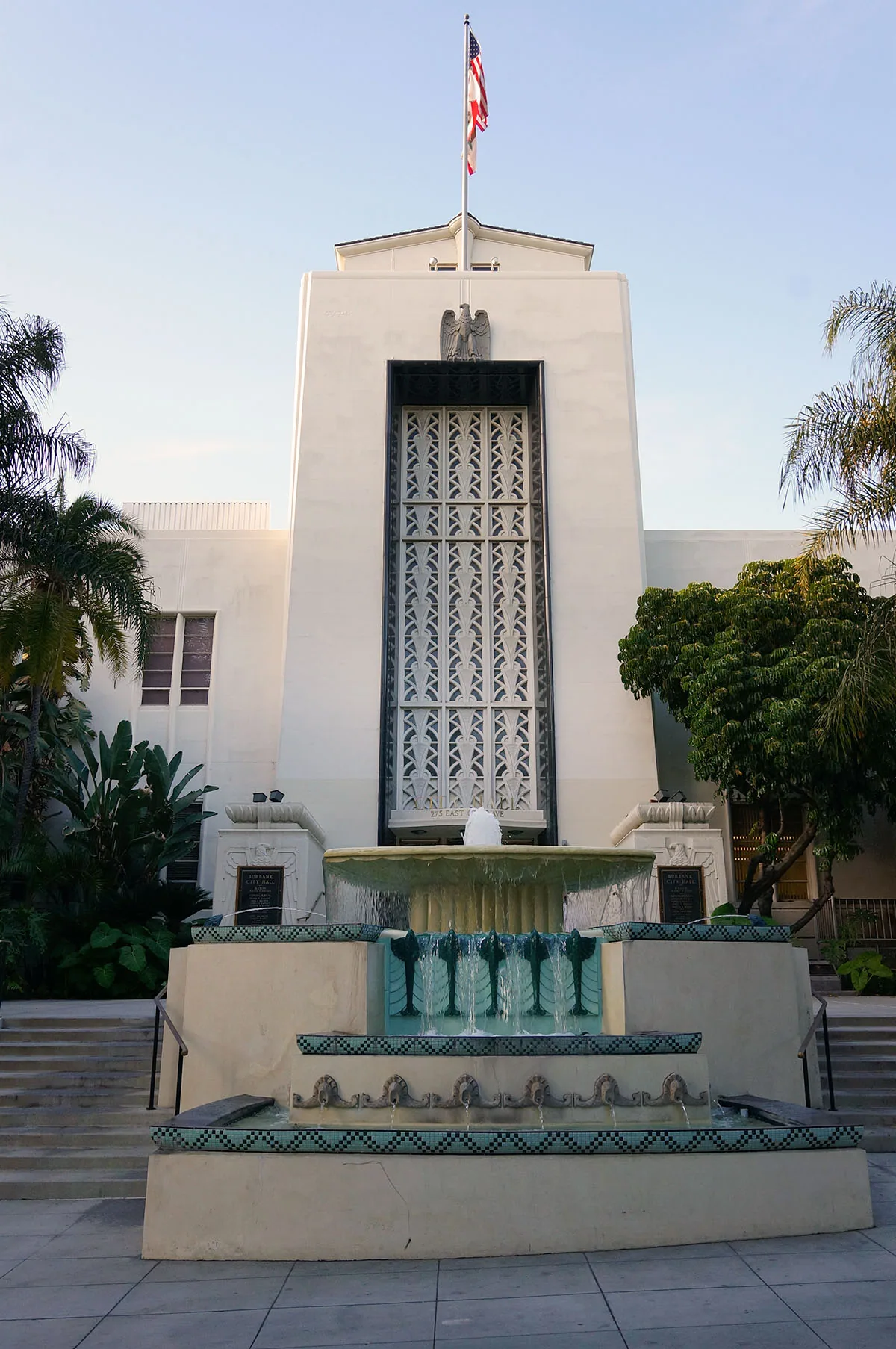
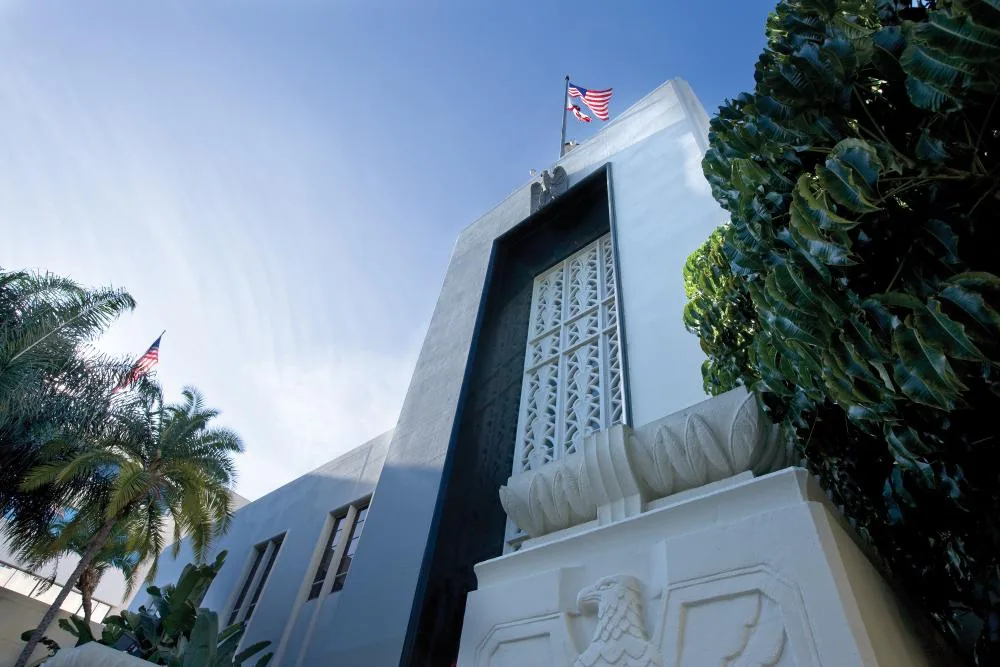
A leak call from one tenant can become a portfolio question when the same manager oversees offices, retail suites and service buildings. In Burbank, a property team may work across Downtown, the Media District, Magnolia Park and the Airport District, four commercial areas supported by the city's business-development program. Each property has a different access path, tenant schedule and roof assembly, so we do not turn one repair ticket into a portfolio-wide conclusion. We first locate the affected roof section, match the interior report to a roof observation and define who can approve the next step. After the walk, the manager receives time-stamped images, a bounded repair area and an approval date tied to this work order.
Route Work Orders by Evidence
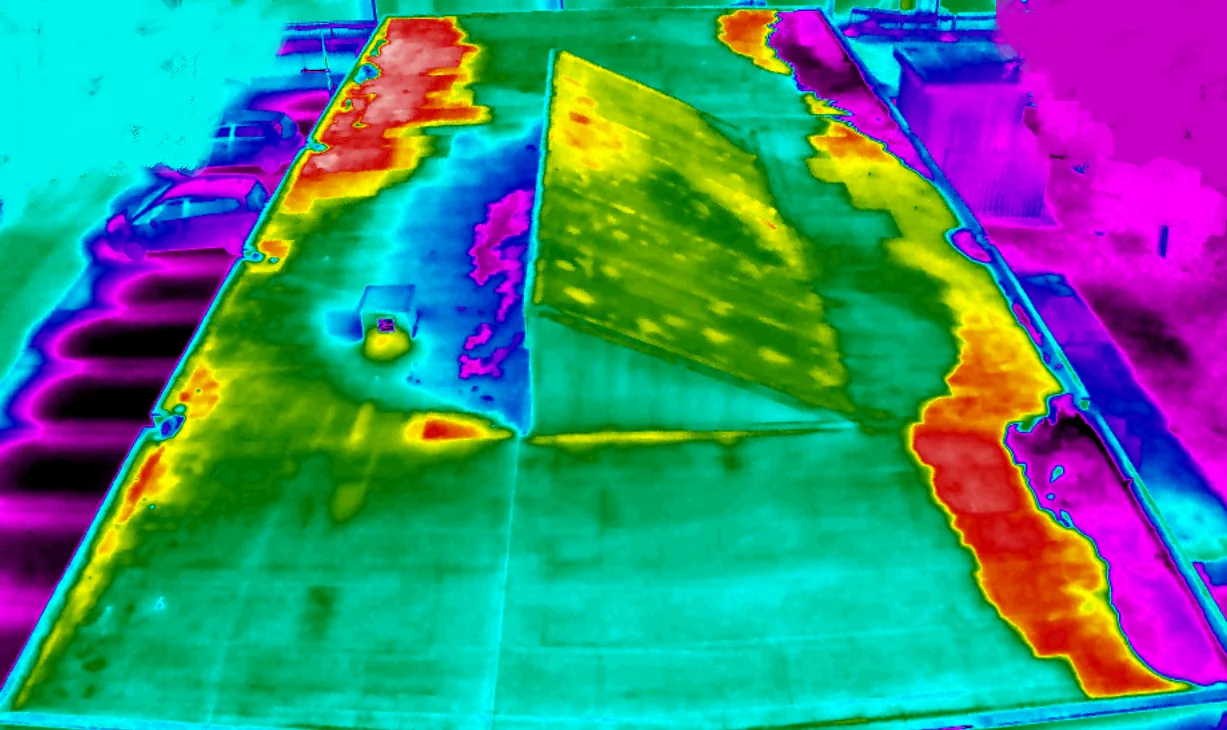
A property-management work order should make the reported condition easy to locate. We capture the tenant or suite, date and time, active-water status, ceiling or equipment affected, and any prior patch in the same area. Mark each seam, curb, outlet and perimeter joint against the roof plan; note whether the water source is established or remains an open question. When an interior stain misses the likely entry point, give the manager the observed roof path and the reason more assembly testing may be needed. If a reading suggests hidden water, an infrared moisture survey may justify a test area; note what the instrument could not confirm. The next work order then carries forward a verified location rather than a guessed cause.
A second visit starts with the old work limit, the material left in place and whether this symptom appeared inside the photographed area. The manager can see whether water appeared in the same bay, shifted after a prior patch or followed a different drainage path. That history narrows the next inspection and keeps a routine tenant ticket from being treated as a new roof-wide failure.
Protect Tenant Access Windows
Occupied properties bring practical limits that change crew sequence. A retail tenant may need an unobstructed storefront and morning deliveries; an office may require quiet during a scheduled meeting; a restaurant may have a kitchen exhaust route that cannot be blocked. We ask the manager to identify those windows before mobilization, then mark where materials, ladders and debris will travel. Roof work can be divided by elevation or tenant zone when the assembly permits a safe stopping point. We state what will be protected, when access is needed and who receives a daily update. An occupied-building roof plan should pair each work zone with tenant notices, safe access and a secure daily stopping condition.
A tenant notice is most useful when it identifies the affected access route, work period and person to contact. We coordinate ladder placement, overhead protection and debris movement with the property team, then record any zone that needs an escort. When a tenant access slot moves, reset the zone sequence and secure the open edge before assigning the next crew task. An investment committee can carry portfolio reserve assumptions in the underwriting file while building teams keep access limits separate.
Separate Repair Tickets From Capital Scope
An isolated puncture or edge separation stays repairable only when adjacent laps, substrate and terminations remain sound. Broad wet insulation, repeated seam movement or multiple failed transitions may point toward a larger renewal decision. Offer repair and renewal as distinct scopes only where field evidence supports each path; price their limits, protection and access separately. This gives an owner a way to authorize immediate water control without treating it as approval for replacement. A capital-planning record can then carry open questions, likely timing and the approval needed for each option. A reserve estimate should identify the roof section and stated assumptions so it can be updated when a test, repair or lease change supplies better information.
A lease turnover or planned renovation can change which roof option fits the calendar. A limited repair may protect current use while the owner reviews renewal later; if failure crosses adjacent sections, deferring broader work can require another mobilization. We identify these sequencing effects in the scope without inventing a cost or remaining-life figure. A management portfolio benefits from district-level context: the Media District has a studio-oriented employment base, while Downtown Burbank mixes shops, restaurants, businesses, office and retail space. Confirm each roof’s access rules before combining work orders.
Build a Comparable Property File
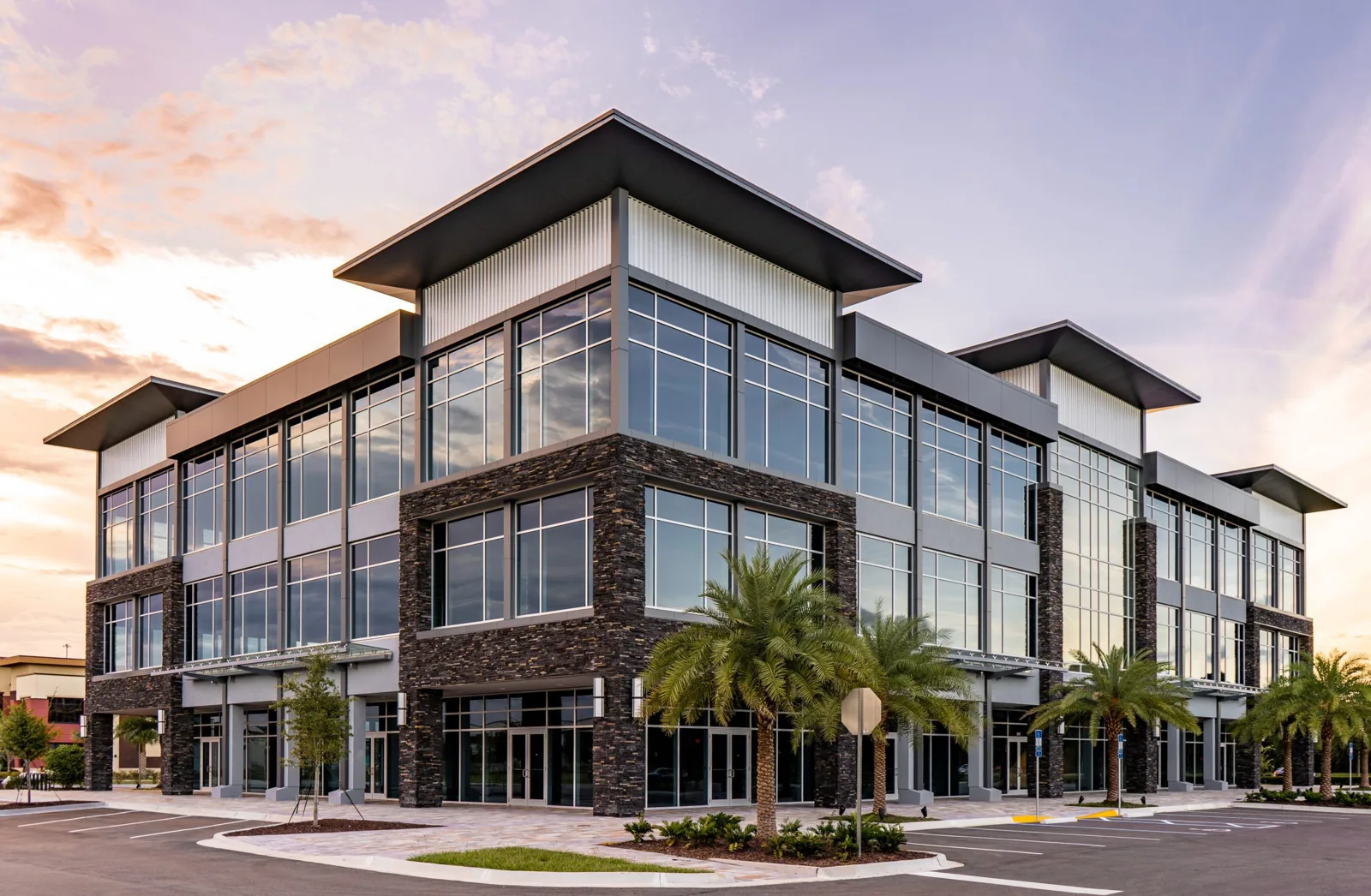
A portfolio dashboard is useful only when each entry describes what was actually reviewed. We identify roof areas by building and section, attach dated images, record the assembly observed, note the drainage route and list any concealed areas that could not be confirmed. For managed commercial buildings in Downtown Burbank, a mixed-use district with more than 600 shops, restaurants and businesses, a map can also distinguish service access from public-facing entrances. Store photographs and open items under the correct building map even when one ownership team reviews several roofs. A condition report can summarize repairs, remaining questions and next inspection triggers in a format the property team can compare across locations.
When a portfolio includes Magnolia Park retail and Downtown Burbank office space, records can share a common format while preserving each property's context. Rank unresolved items by occupied area, repair exposure, access constraint and next approval; another test belongs only where its answer could alter the scope. If public funding rules apply at another property, its agency authorization file needs the same dated evidence without importing this tenant schedule.
Set the Next Approval Point
Before closing a repair request, we state what was corrected, which area remains outside the work boundary and whether follow-up access is needed. If material was removed, the file shows what substrate appeared and what was installed at the transition. If work was deferred, the record names the condition, the interim protection and the event that should reopen the decision. Attach the inspection to the relevant tenant notice or capital agenda and mark the roof zones that were not part of the visit. The next call is straightforward: schedule a Burbank roof review around the tenant windows and decision date, with the roof plan, leak log and available repair history ready. That gives the owner a scoped action instead of a queue item with no closeout.
Return roof-plan images that locate new flashing and show where it ties into retained material. The manager receives the installed details, any temporary measures removed, items outside the authorized scope and the next observation trigger. That gives billing, tenant communication and later maintenance review a common description of what changed on the roof.
Commercial Roofing Questions
Which evidence keeps a tenant leak ticket inside a defensible work limit?
Connect the complaint to inspected roof observations; call the path confirmed only when the entry detail is traced, otherwise name the test still needed. The proposed repair ends at a stated seam, curb, drain or transition, so adjacent areas are not included without a finding.
What should a property manager send before scheduling a roof visit?
A current roof plan, suite or tenant location, leak dates, prior work notes and available access hours are useful. The manager can also name the person who approves photography, escorts crews and receives the daily closeout.
Can urgent dry-in be separated from a permanent repair?
Yes. We can define immediate water protection as its own task, including the affected area and temporary materials, then inspect before pricing permanent work. That keeps emergency response from silently expanding into a larger project.
Which fields help an owner rank separate buildings without assuming they share one roof condition?
Keep a separate photo and assembly file for each building, including its work limit, test findings and access gaps. Comparable fields help the owner prioritize without assuming that roofs in one portfolio share age or condition.
What happens when work must pause for tenant operations?
We identify a safe stopping line, secure exposed materials and document what remains open. The schedule resumes after the access window or operational restriction clears, with any changed condition added to the same roof-section record.