Commercial Roofing in Downtown Burbank, CA
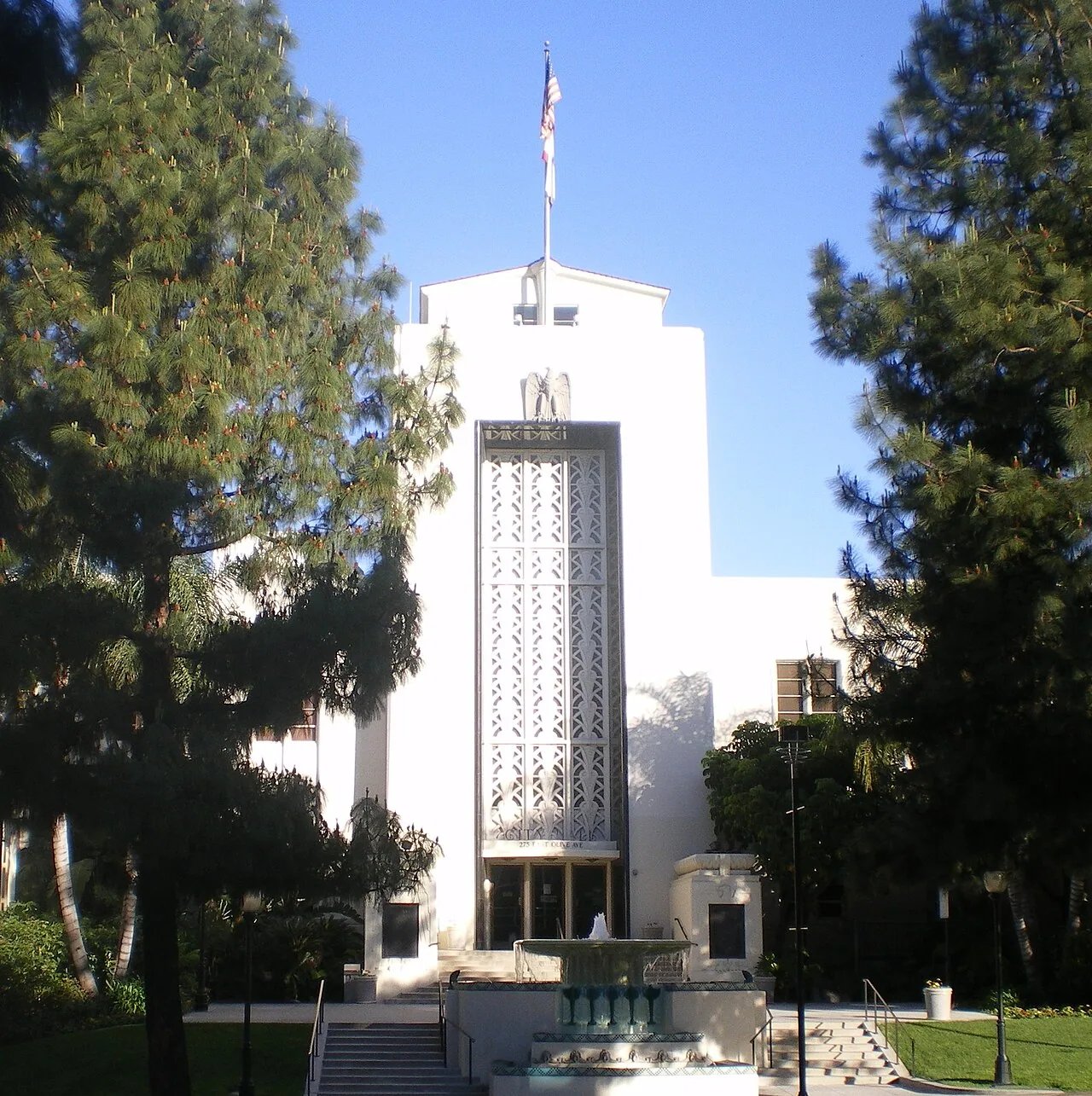
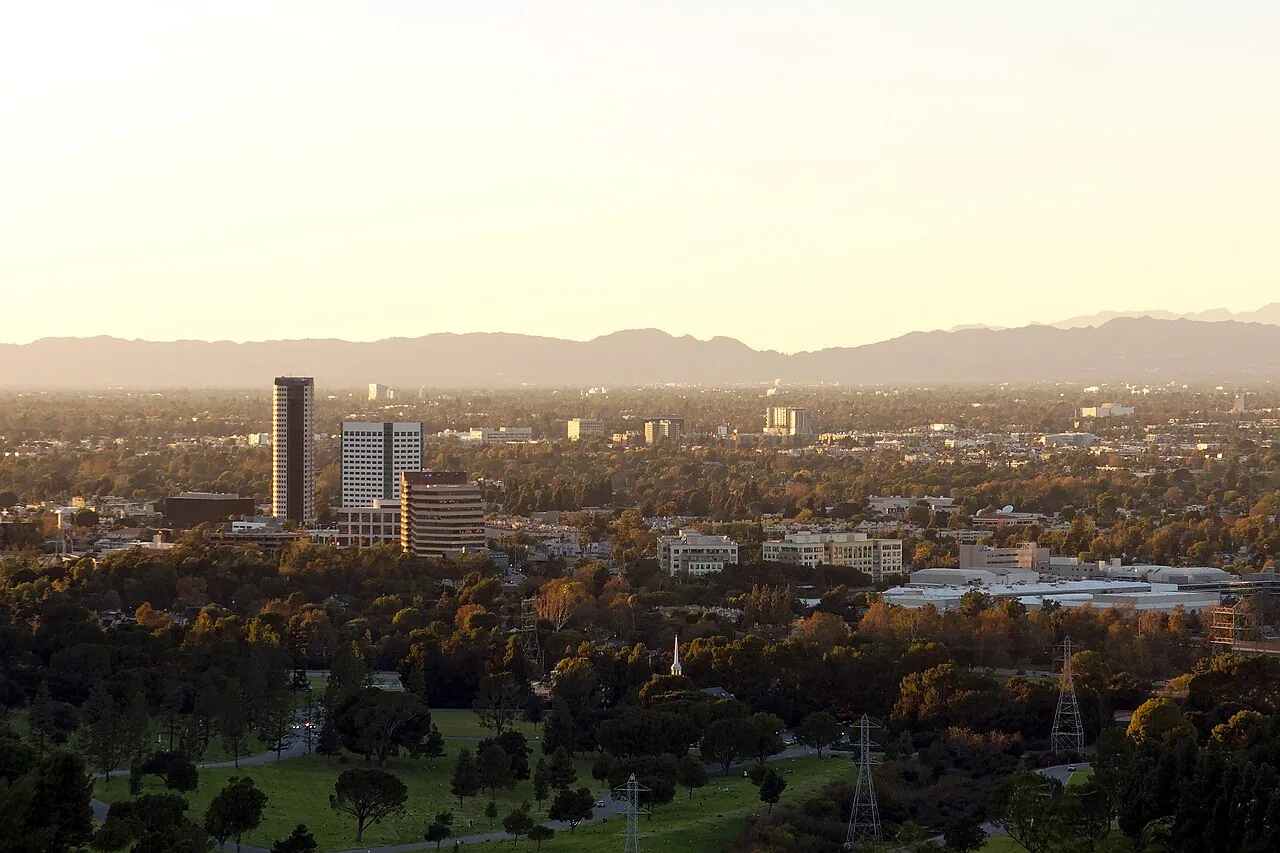
Outdoor dining and steady storefront activity can make a sidewalk or loading lane part of the roof plan. Downtown Burbank is a mixed-use commercial district with more than 600 shops, restaurants and businesses, so we start by mapping the building's access and occupied areas before setting a repair boundary. We locate the relevant roof zone first, then map debris travel, crew entry and allowable hours with management. The owner can review a clear roof inspection record before choosing repair, restoration or replacement.
Keep the Work Zone Off the Customer Route
At a commercial property, the roof route may intersect with restaurant deliveries, office entry or an outdoor seating area. We confirm which doors, sidewalks and loading points stay active, then place the staging boundary where the owner authorizes it. The district is described as pedestrian-oriented, but the actual path and hours vary by property. Our plan identifies material arrival, debris removal, barriers and a contact for reopening each area. If a lift or delivery would affect a neighboring tenant, we flag that coordination before mobilization instead of leaving it for the morning crew.
The property-based business improvement district is funded by Downtown property owners for area services and improvements. That makes the property relationship visible, but it does not replace each building's access approval. We coordinate with management on any shared entrance or route and keep roofing tasks within the authorized scope. In Media District buildings, production schedules may determine when work can proceed; in Downtown Burbank, pedestrian traffic and outdoor dining may be more relevant. Both require a site-specific occupied-building sequence.
Locate the Roof Section Before Repairing
A tenant's ceiling report gives us a starting point, not the full path water took. We compare the interior location with roof drains, penetrations, seams and wall transitions above it. Photos show the defect and surrounding assembly, while the roof plan marks areas that were blocked or unsafe to reach. If moisture mapping or a test cut could settle the boundary, we state the proposed method and wait for the owner's approval. The leak investigation separates confirmed entry from conditions that still need inspection.
Burbank's hottest months bring normal daytime highs into the upper eighties. For Downtown roof work, that can shorten the safe period for surface preparation or change when a material step should begin. We check conditions on the roof and follow the system directions before starting an application. When the surface is outside that range, the schedule shifts and the work record states why. That keeps an installation decision tied to the actual day's conditions rather than a calendar promise.
Check Drains, Curbs and Perimeter Metal
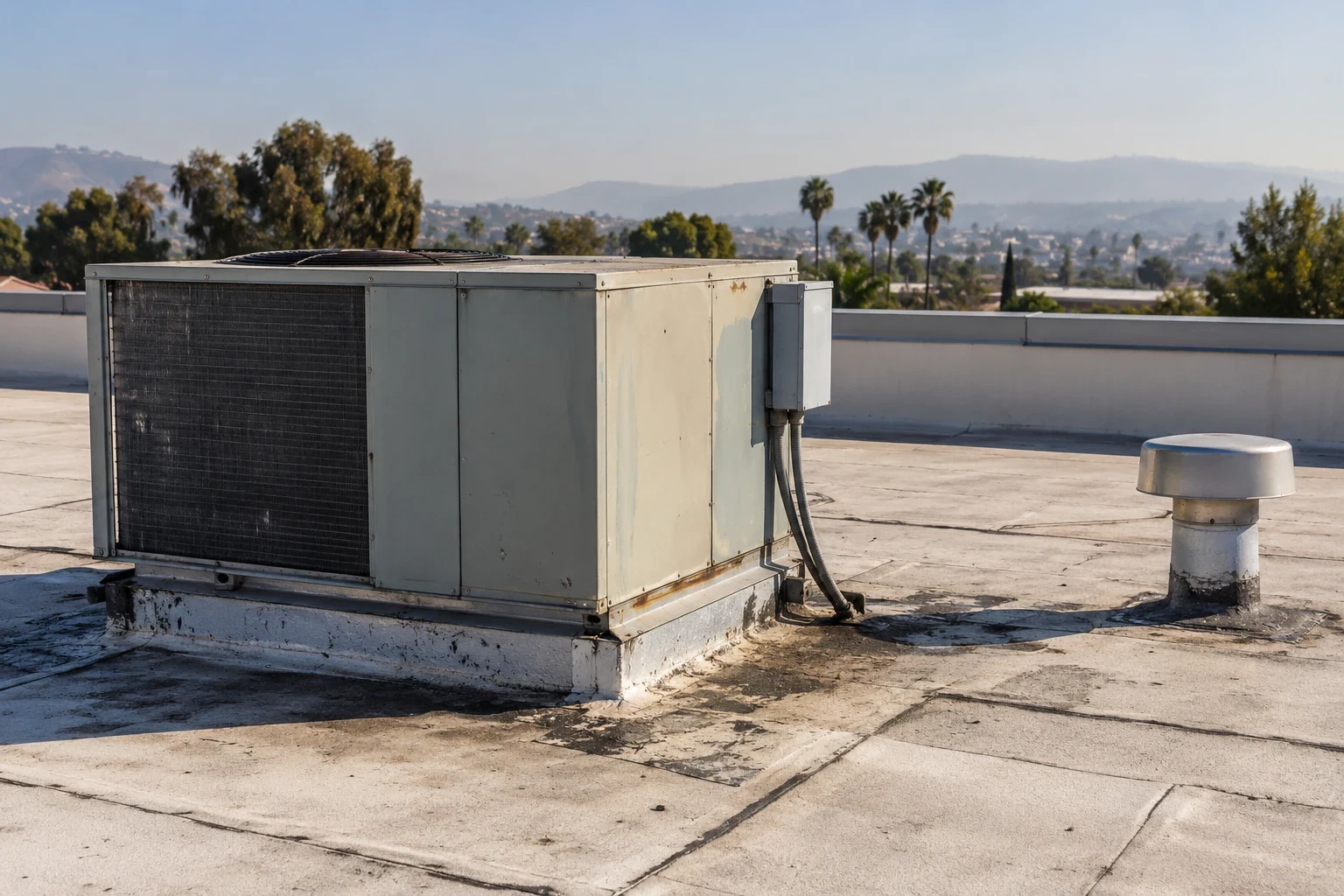
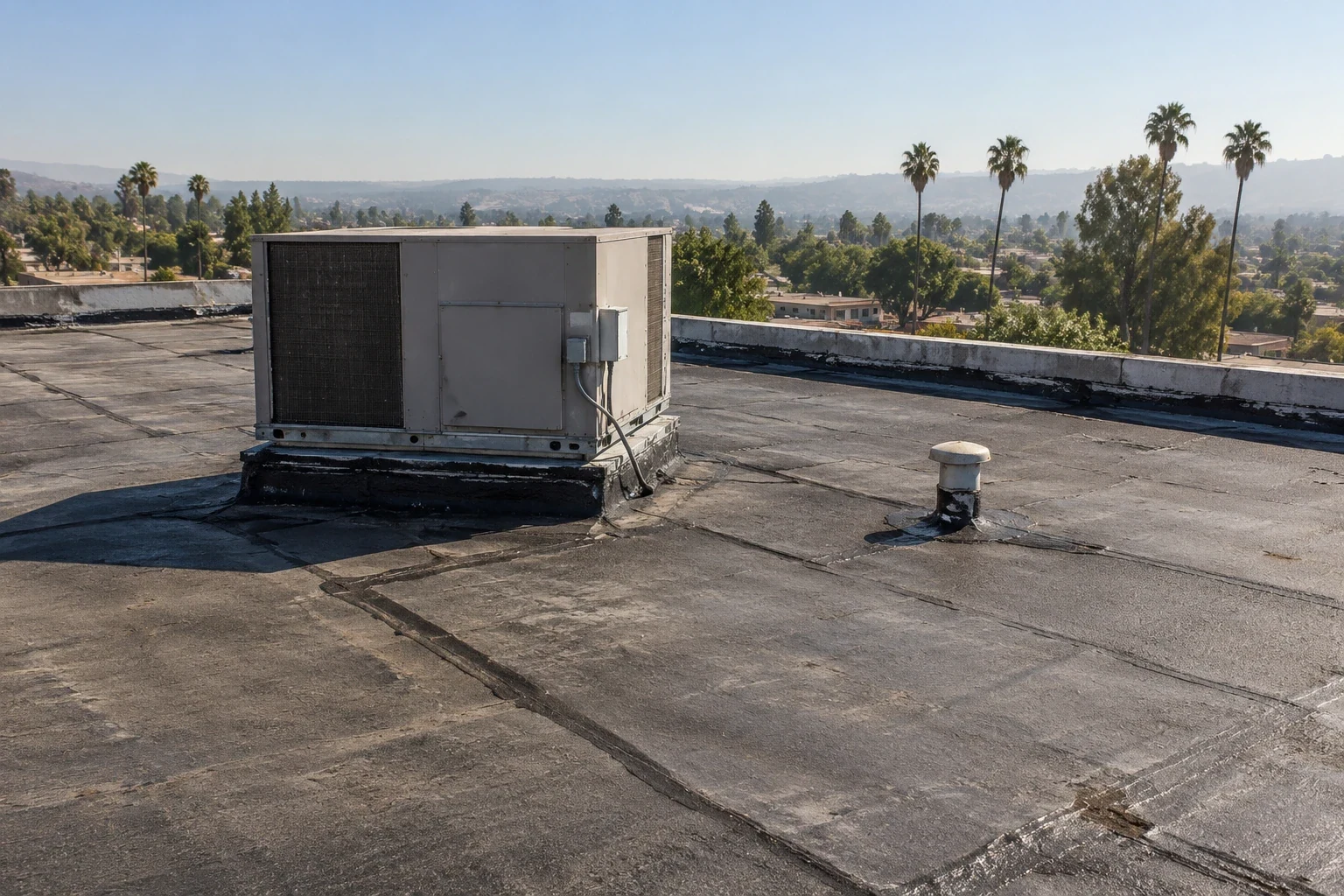
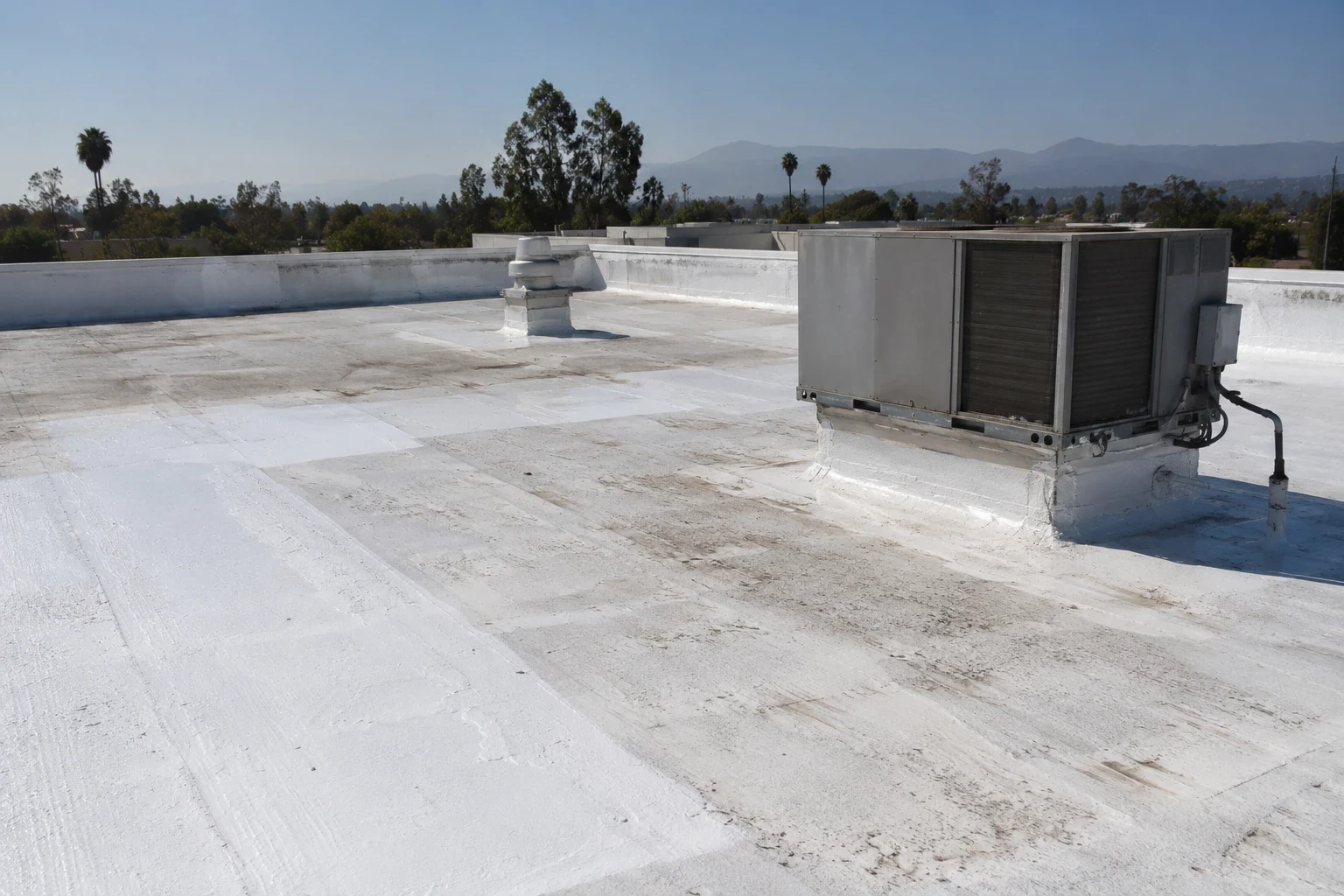
Drainage begins with the path from the field membrane to the outlet. We look for standing water, debris, low areas, open laps and strain around drain bowls or scuppers. A clean outlet does not rule out a loose connection or a split flashing at its bowl. We note the visible parts and flag any detail that needs closer access. Edge metal and wall transitions receive the same attention because water can enter where the roof field meets a vertical surface. The estimate identifies whether the proposed work is a drain correction, a flashing repair or both.
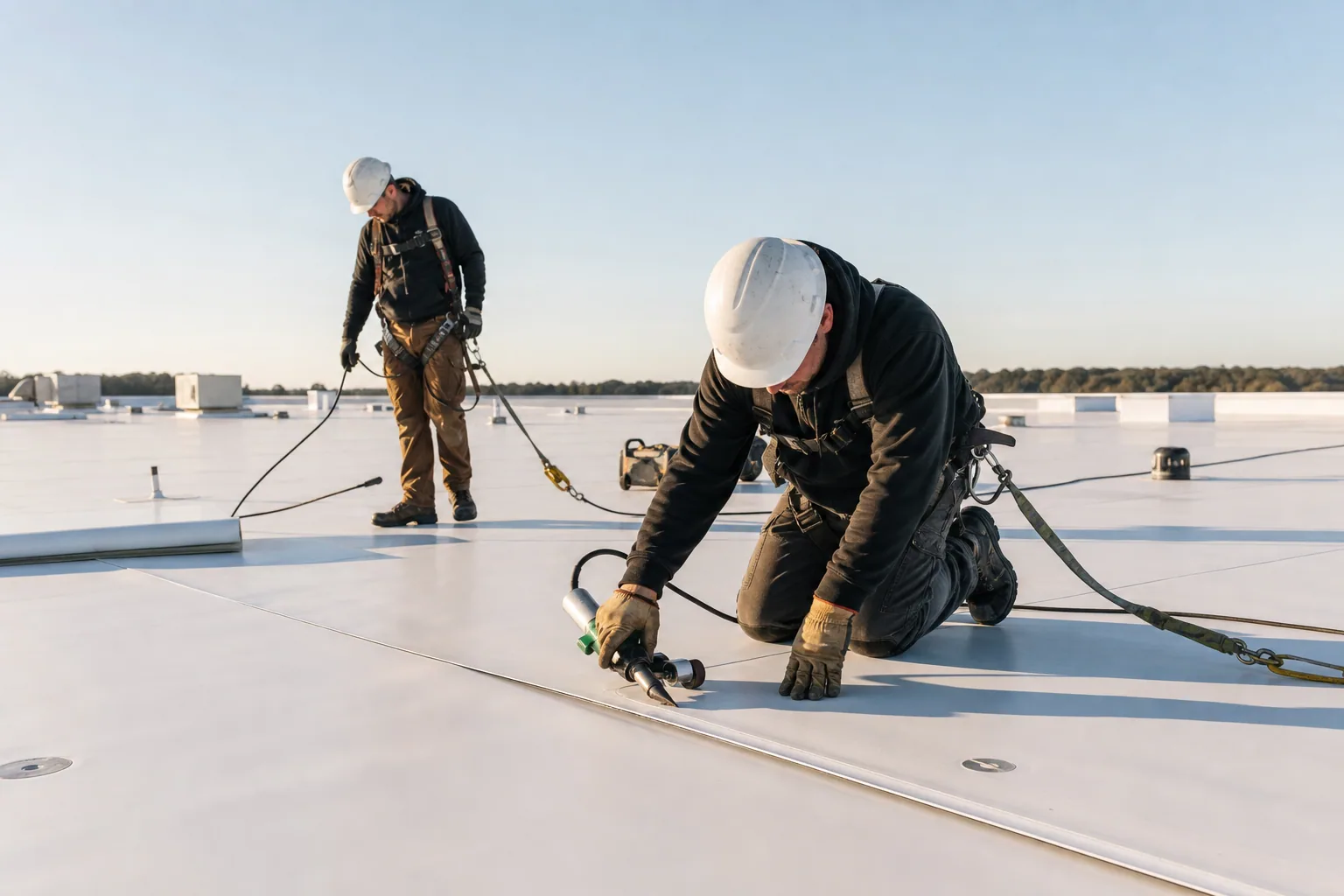
Downtown Burbank's outdoor dining and commercial activity can make roof work over occupied spaces particularly sensitive to temporary openings. We plan protection for the section being worked, confirm where tools and debris can travel, and close each zone before moving to the next. If the assembly includes modified bitumen or another membrane system, material compatibility and tie-in preparation belong in the repair detail. We do not assume a system from a street view; the existing roof records or a field inspection must establish it.
Compare the Repair Limit with Renewal
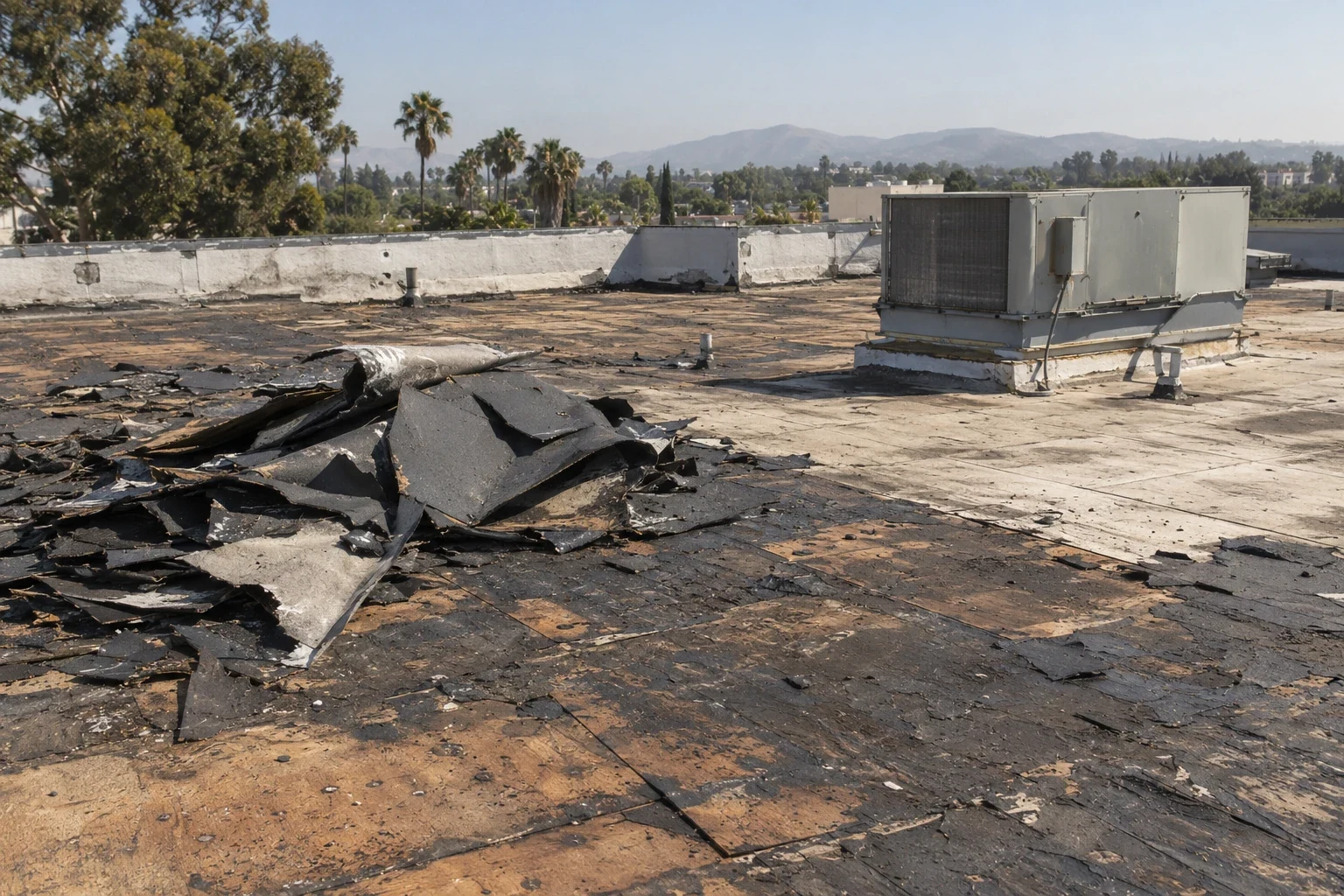
A spot correction holds only when the neighboring membrane and substrate can accept a sound tie-in. We mark that limit and identify any recurring leaks, wet insulation or failed details that could make a patch temporary. If more than one section is involved, ownership can compare a repair package against replacement using the same roof map. The scope names removal, substrate assumptions, flashing, edge metal and protection below. This lets the facility director compare cost drivers and scheduling needs without treating unknown concealed conditions as established facts.
A coating or recover option also needs a condition check first. We document moisture, adhesion, drainage and existing layers before describing a restoration path. The restoration scope separates repairs and surface preparation from the coating work, with assumptions stated for each. If water entry has reached multiple sections or insulation cannot remain, a replacement comparison can define a broader boundary. The owner can then set capital timing around tenant and business operations rather than approving a material choice without the roof evidence.
Retain the Photos with the Work Boundary
After installation or repair, we record the roof sections completed, materials used, photographs and any remaining restriction. If the crew could not access a curb or drain, the closeout says so and names the next step. The owner receives a basis for the next maintenance visit, with open items distinct from finished work. A condition report can support capital review or help a manager compare later observations against the original repair. Keep it with the roof plan, work order, access notes and any tenant coordination record.
Downtown Burbank's mixed-use streets differ from Magnolia Park's independent shops and food businesses, and neither district description establishes the condition of an individual roof. We use the actual assembly, moisture evidence and property calendar to make the recommendation. Schedule a review with leak locations, prior patches, roof access rules and the decision date in hand. We will document which action addresses the current condition, which areas need testing and what remains outside the approved boundary. That record gives ownership a practical next decision without guessing from activity at street level.
For a property review, collect the last inspection, repair invoices, roof plan and any tenant reports in one file. Mark each report with the date, room or roof section, and whether the condition was repaired or left open. Those records help us separate a recurring failure from a new event and keep a proposed renewal scope from absorbing unrelated work. If records are incomplete, we can start with a roof walk and label the gaps for follow-up. The owner can then decide whether to authorize further testing, approve a localized repair or plan a broader capital review.
Commercial Roofing Questions
How do you keep a roof repair clear of outdoor dining?
We confirm the operating hours, delivery path and authorized staging area with property management. The work plan marks barriers, material movement and when each sidewalk or roof zone can reopen.
Can a ceiling stain identify the roof repair location?
The room report points our inspection toward a roof zone. We trace seams, drains and transitions before naming the entry point, then log any area the crew could not reach.
What if water is standing near a drain?
We check the drainage path, outlet, surrounding membrane and low area before setting a scope. If a blocked view or concealed connection remains, the report lists the access or test needed.
How do you decide between a patch and replacement?
We map the confirmed defect, nearby material condition and moisture boundary. The estimate compares repair and renewal only when the observed roof condition supports both options.
What records help approve the next roof step?
Bring the roof plan, leak reports, previous repair notes, access calendar and photographs. We tie each observation to a section and list any unresolved testing or tenant coordination.