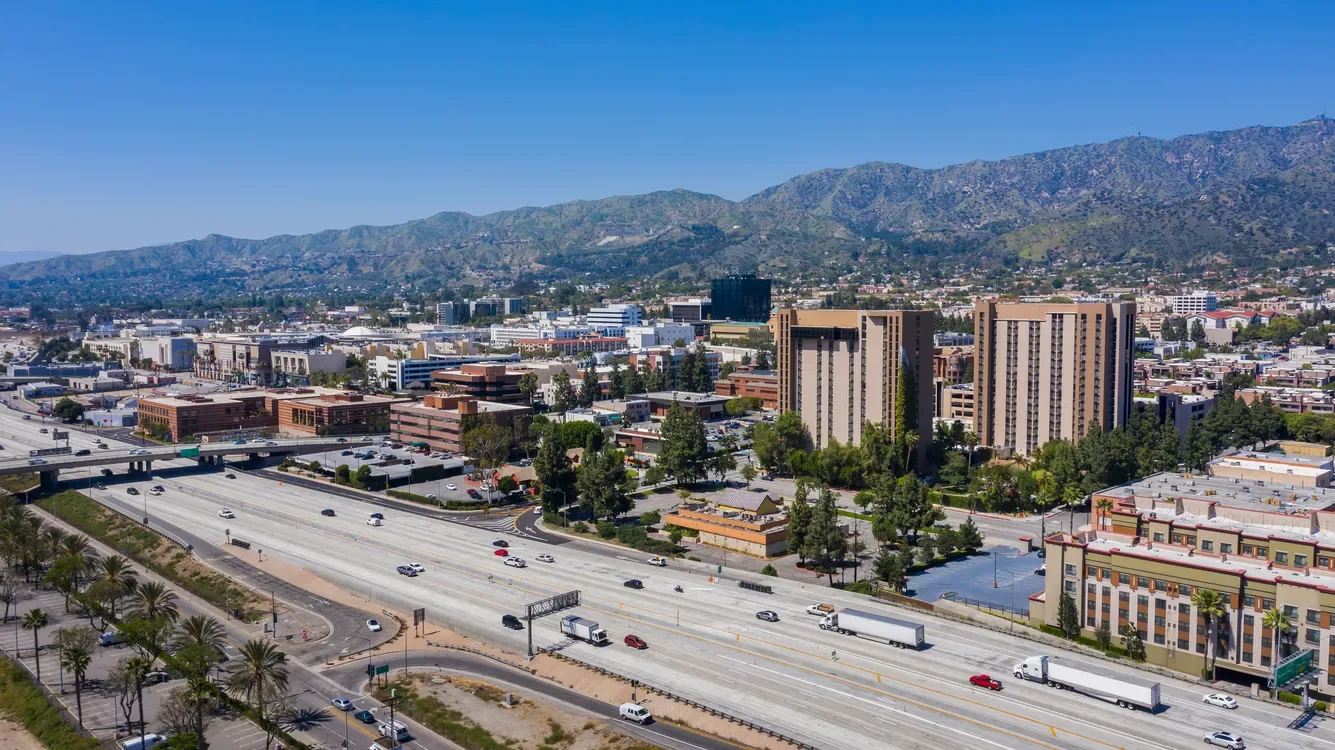
Commercial Roofing Services in Burbank, CA
A roof decision has to fit the building schedule as well as the membrane. In Burbank, a production operation in the Media District may need a quiet work window, while a retail property in Magnolia Park may need loading and customer access preserved. We start with the roof section, the symptom and the operating limit, then define what the inspection can confirm. The right service may be a bounded repair, a moisture survey, a planned replacement or recurring maintenance. Each scope should state the access sequence, affected areas, protection below and the record delivered at closeout.
More About Our Commercial Roofing Services
Choose Work From the Condition on the Roof
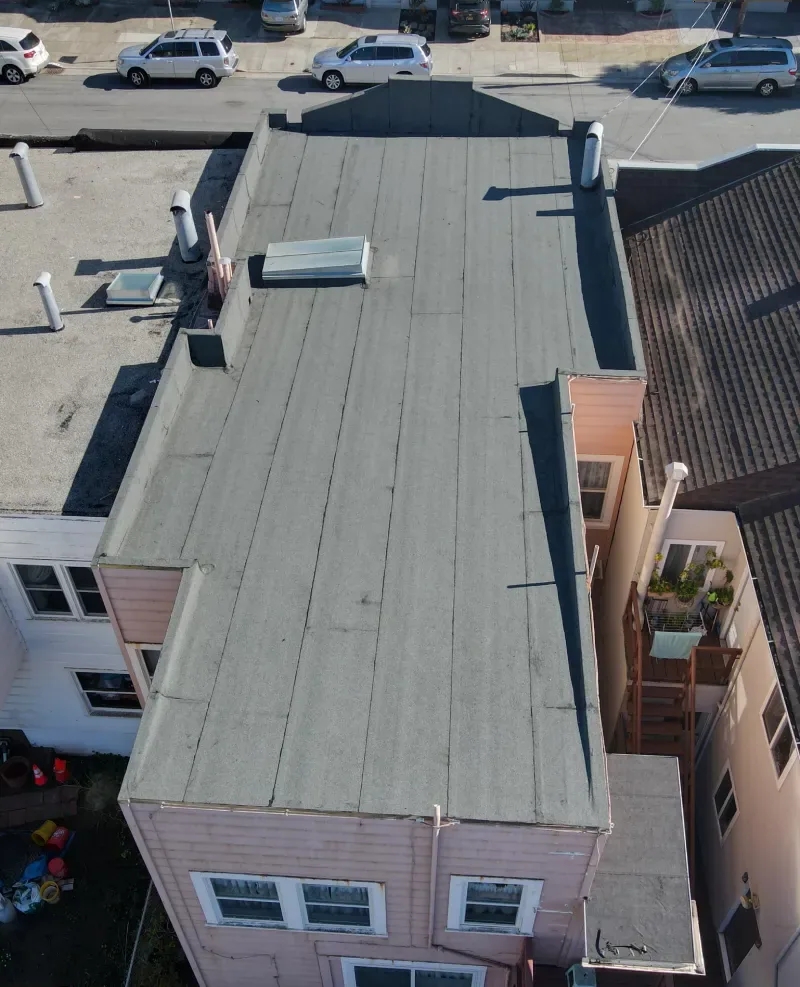
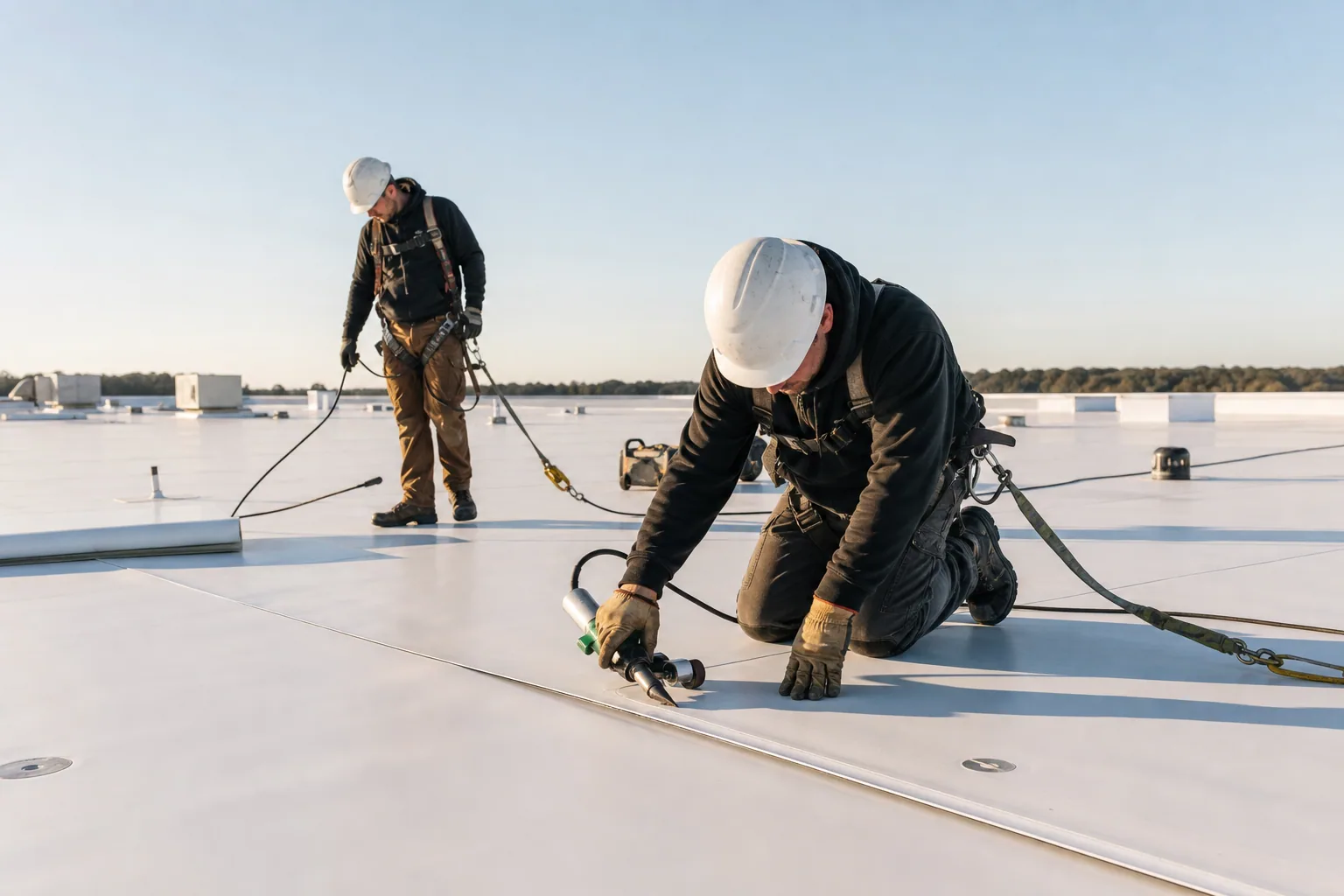
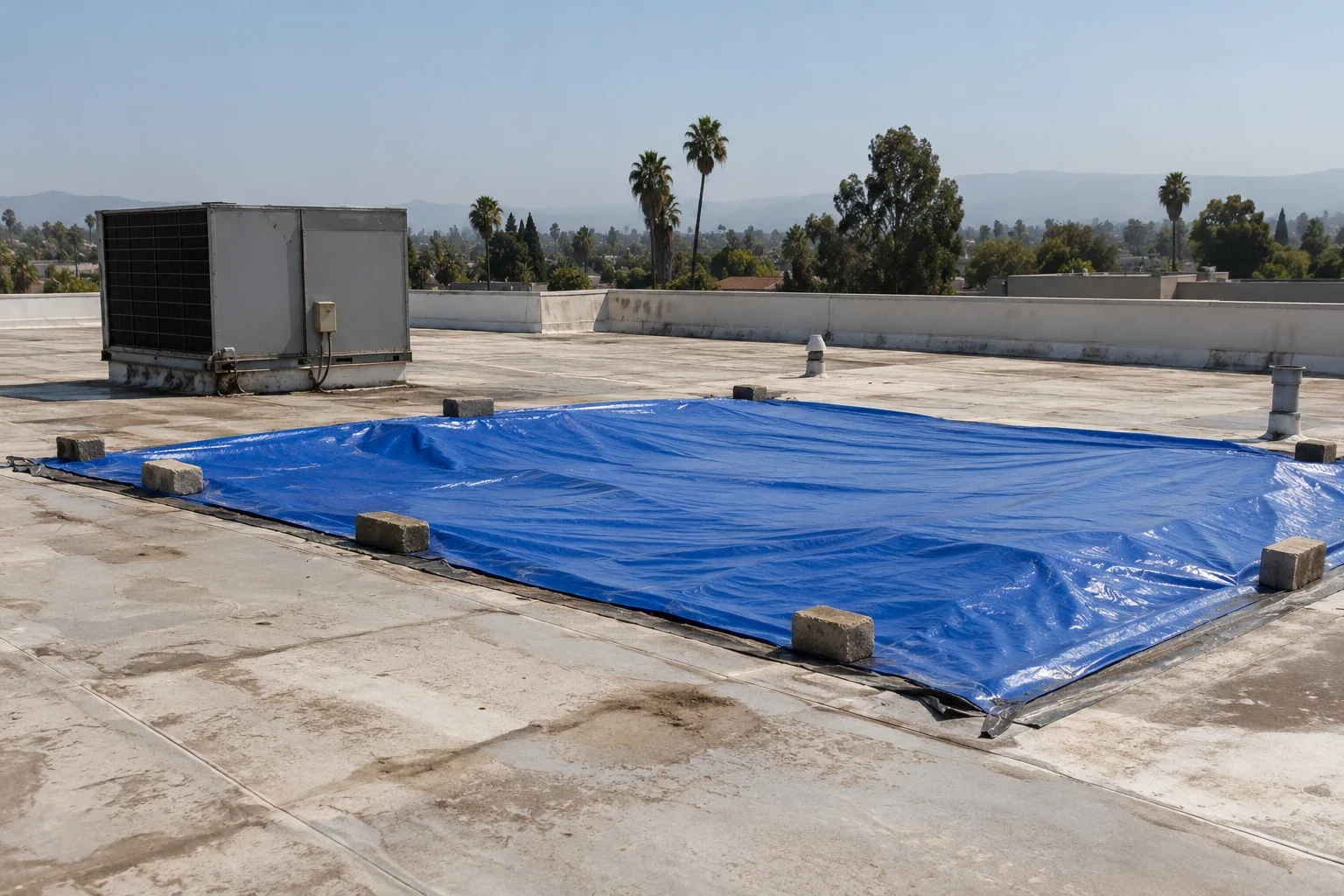
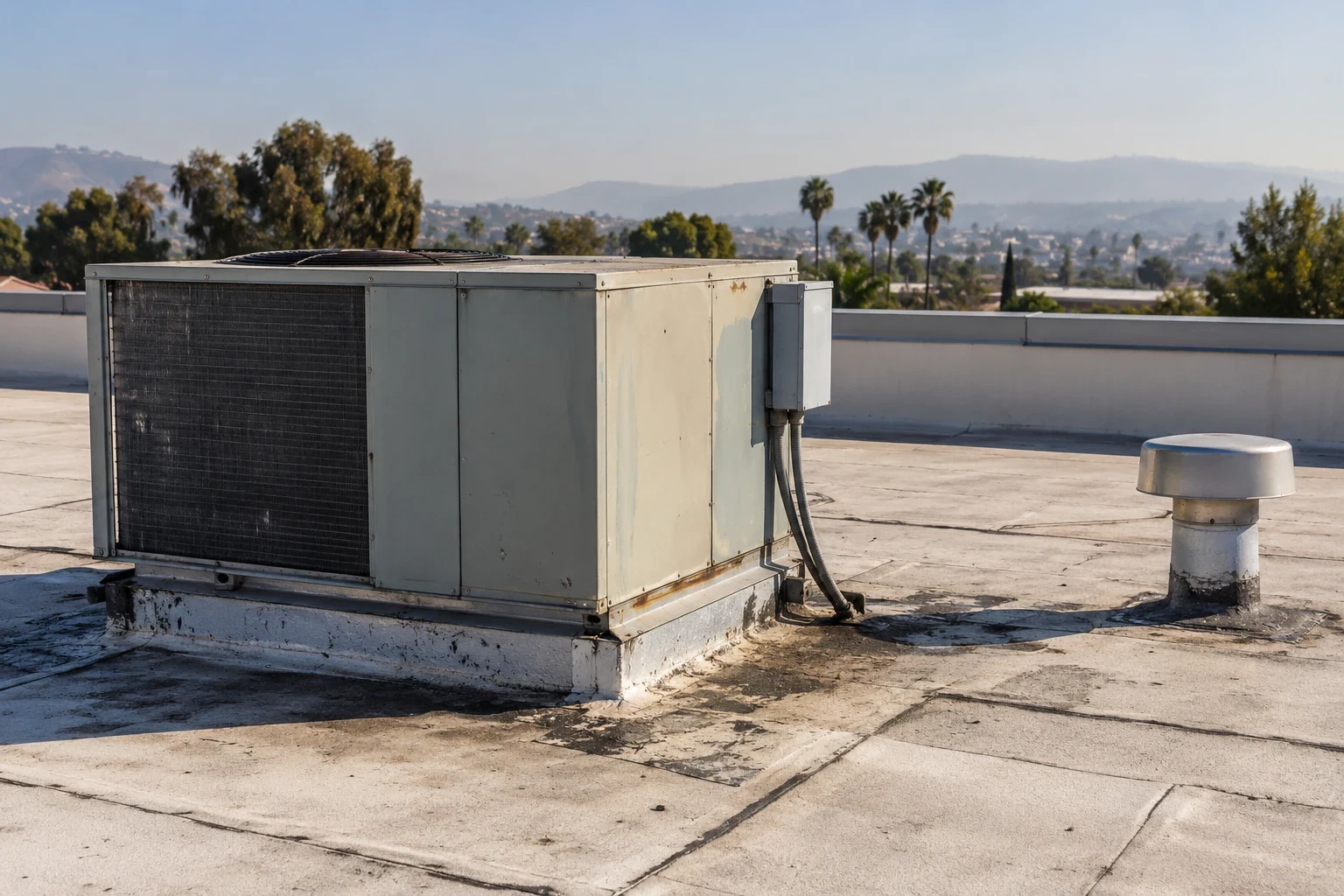
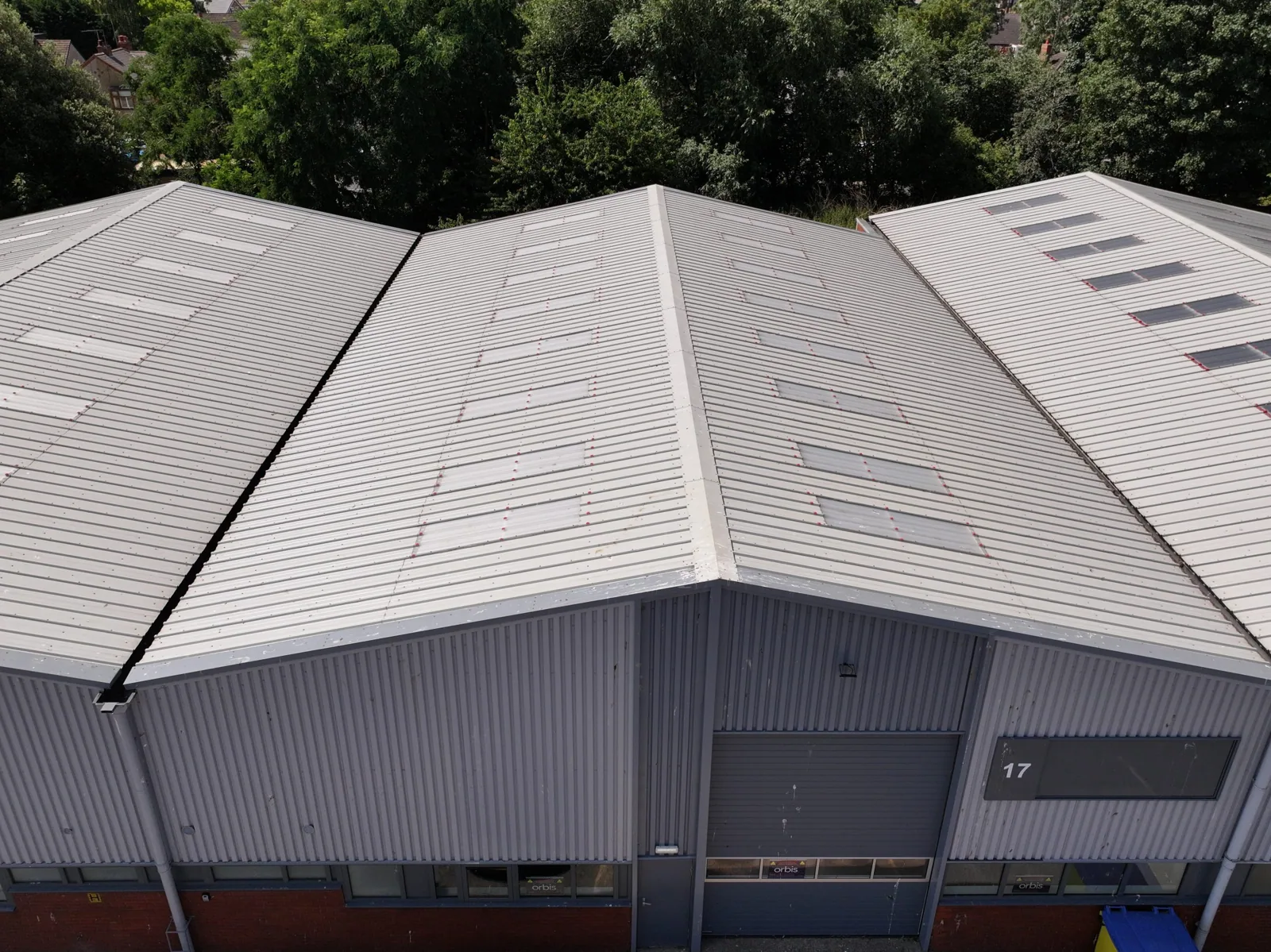
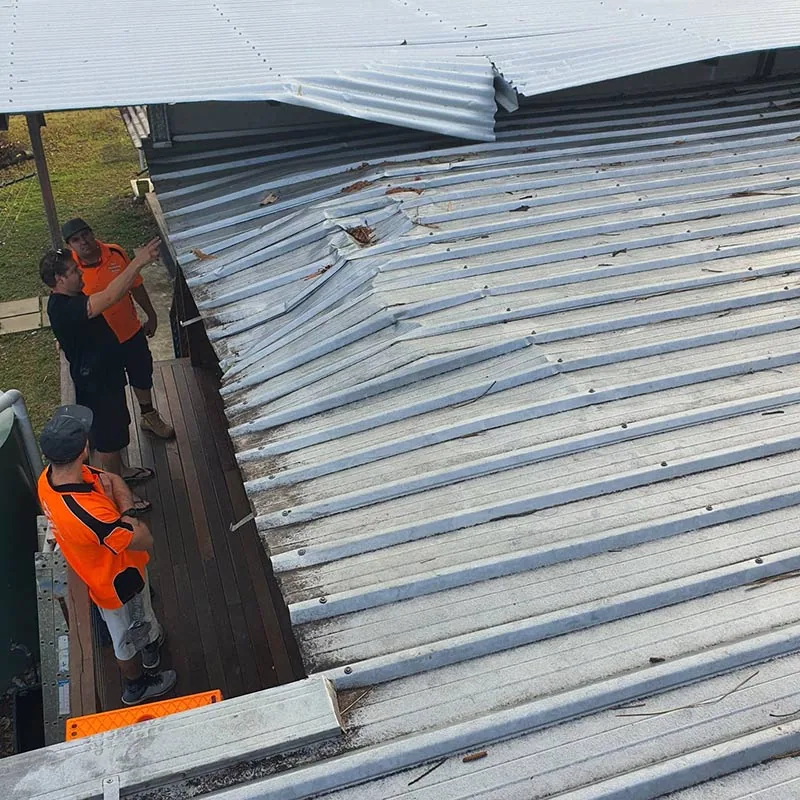
Water at a ceiling does not identify the failed seam, flashing or drain by itself. A commercial roof inspection maps visible conditions and checks the roof assembly before a repair limit is set. When a leak needs urgent containment, emergency roof response can address active exposure while preserving a clear record of what remains for permanent work. A defined repair scope separates isolated defects from conditions that cross several roof sections.
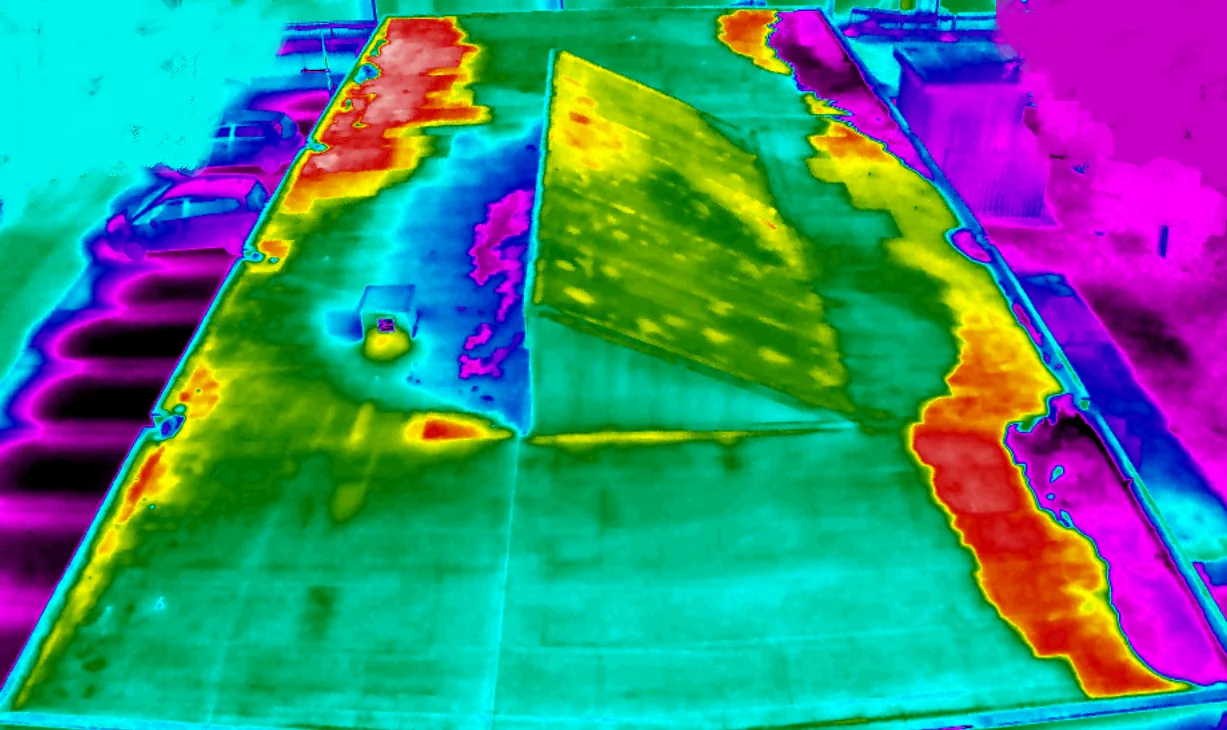
Where evidence points beyond the visible surface, an infrared moisture survey can help identify areas for follow-up verification. The technology supports the inspection; it does not replace a hands-on check or determine the final scope alone.
Compare a Repair With a Larger Capital Decision
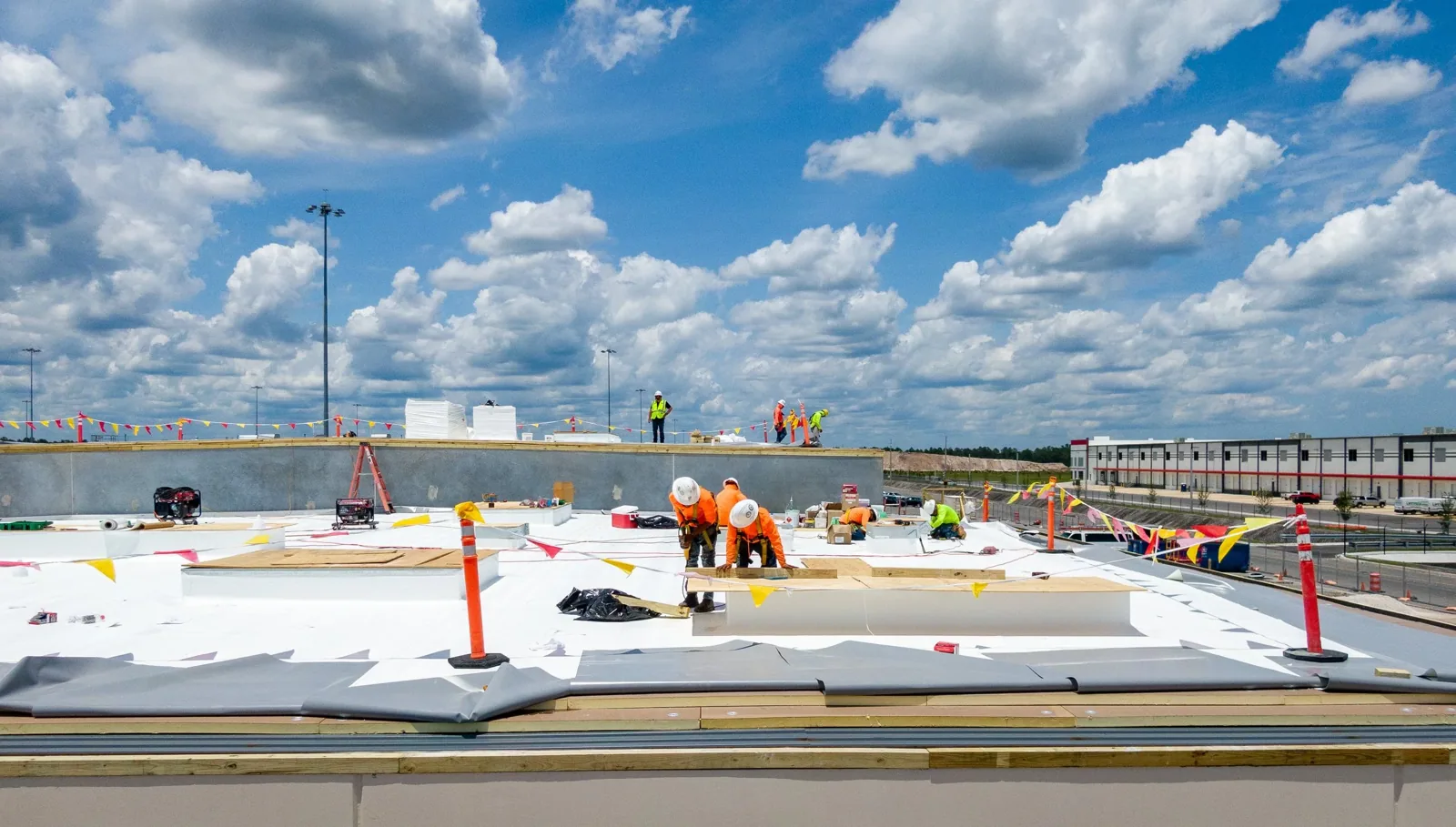
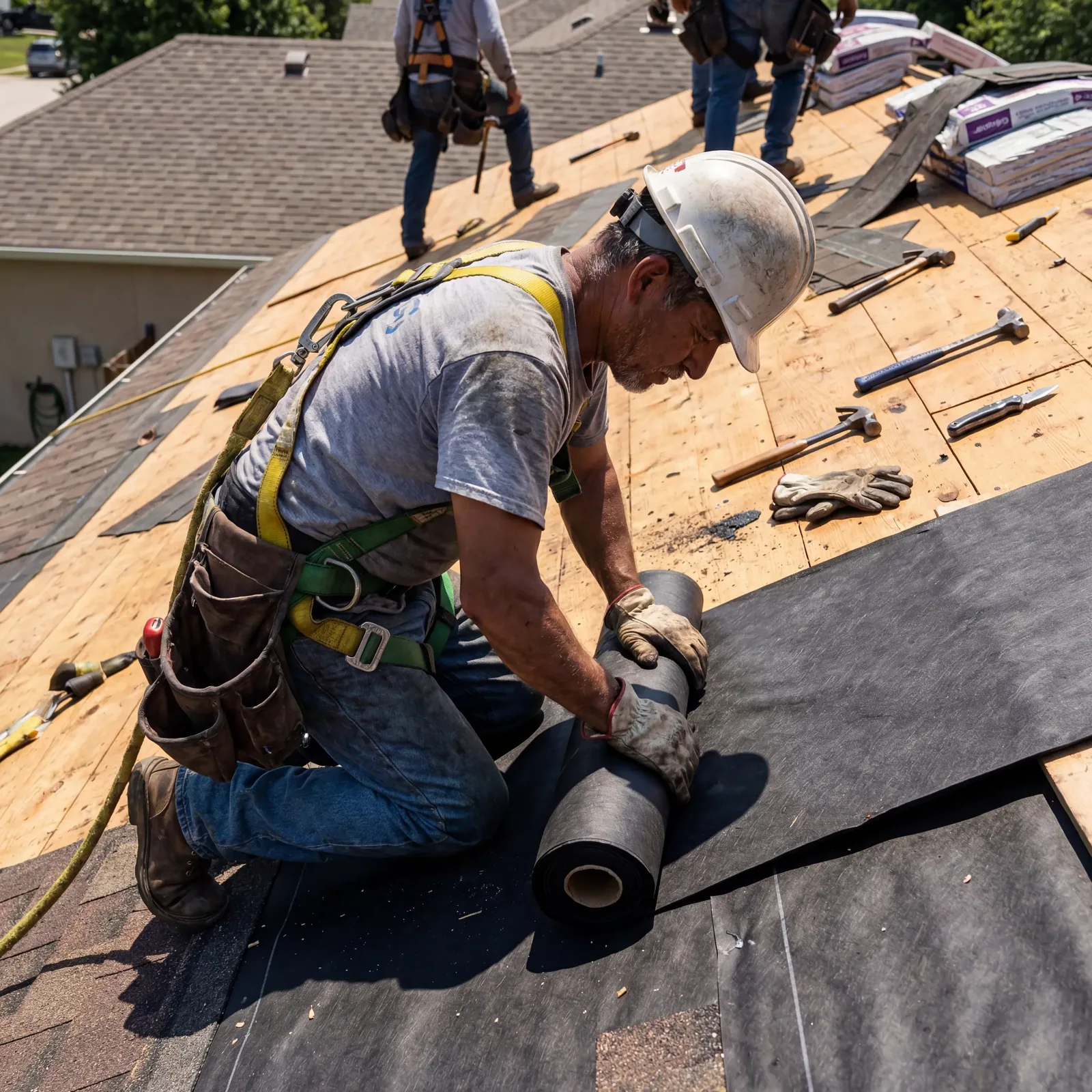
Replacement becomes a serious option when wet insulation, repeated seam failure or widespread deterioration reaches beyond a small repair boundary. We compare roof replacement with an eligible roof recover only after checking existing layers, drainage, attachment and the condition of the substrate. A recover can reduce tear-off work, but added layers affect details, edges and future access. A written comparison should show what each option addresses, what it leaves in place and which findings could change the recommendation.
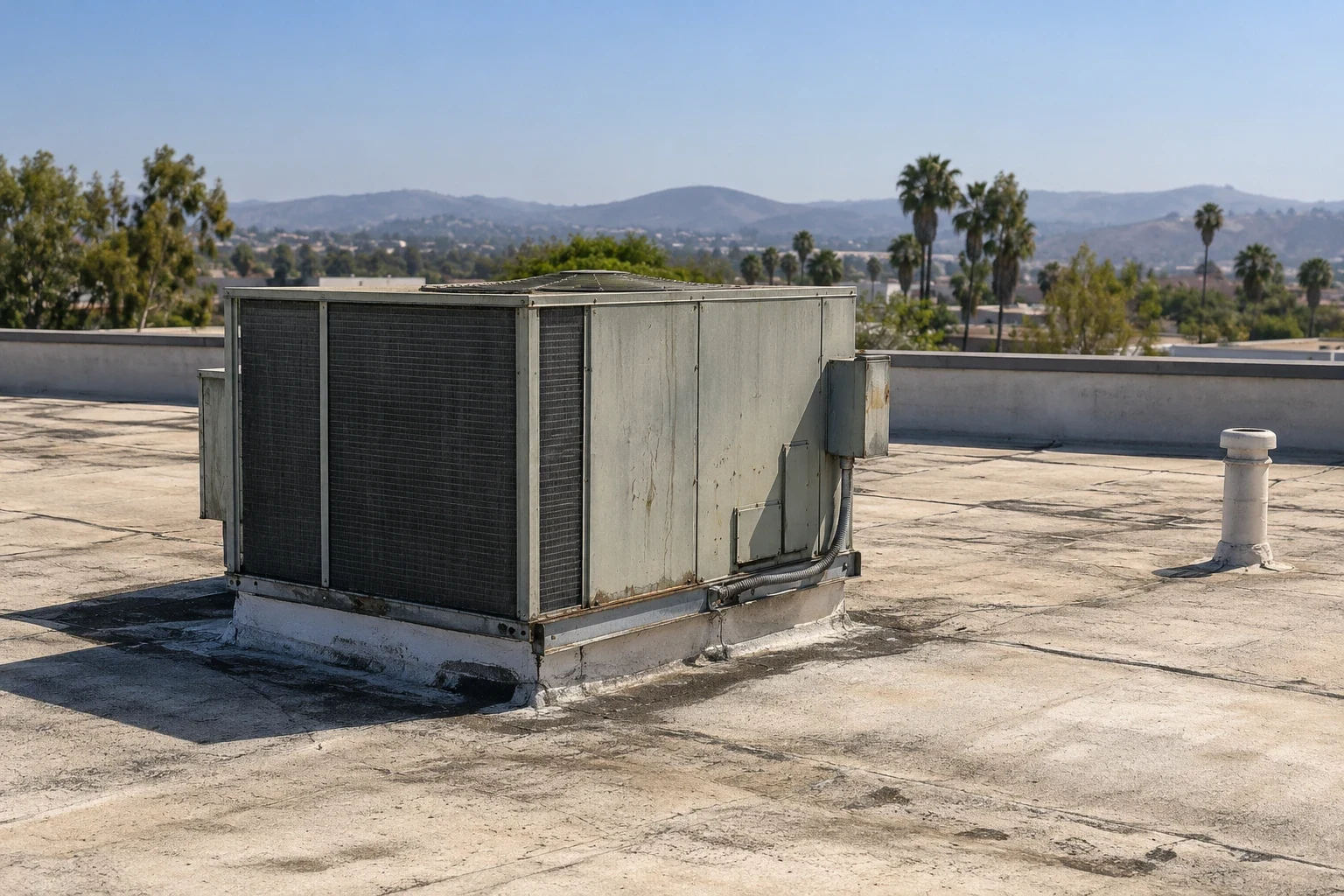
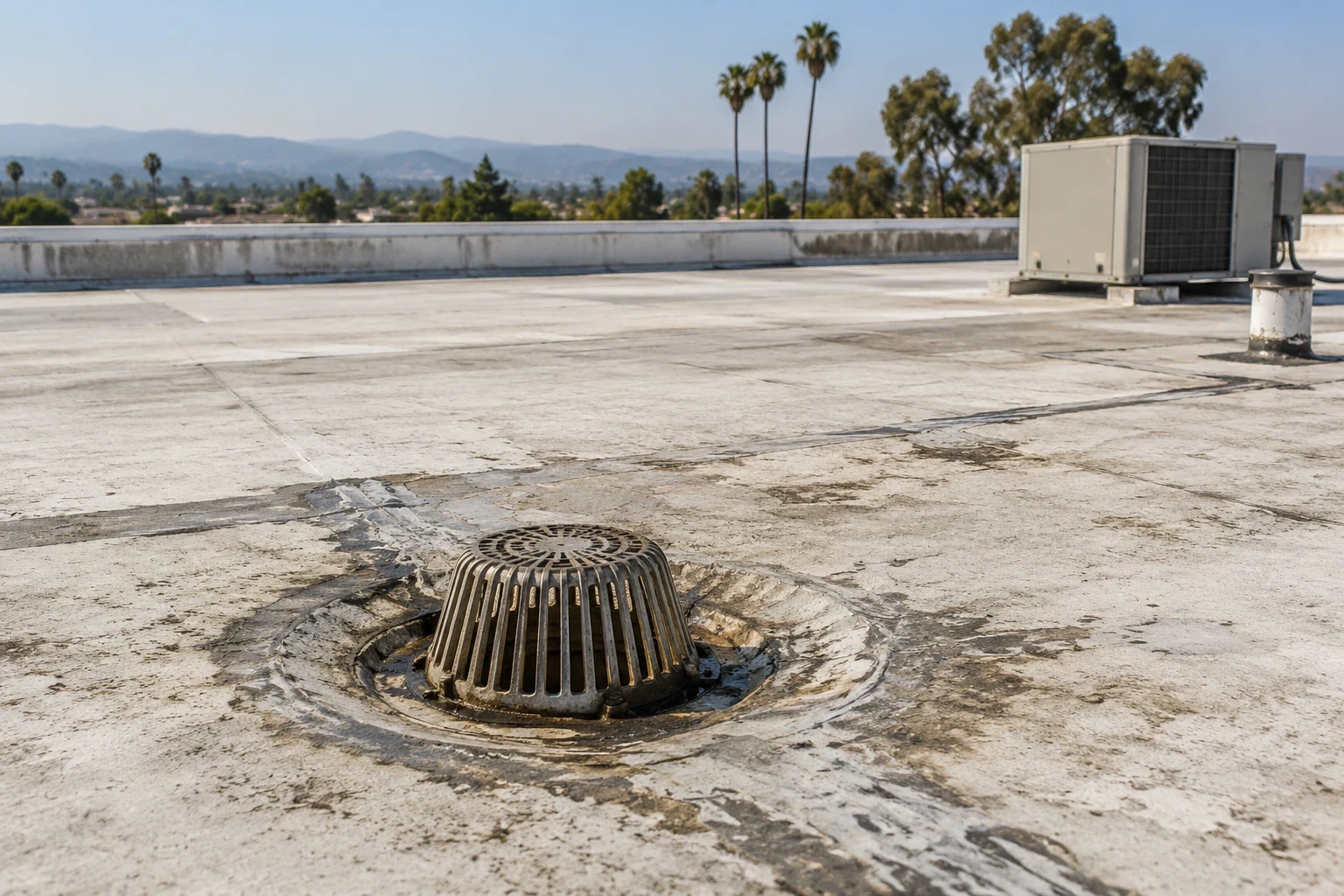
For a roof that remains serviceable, preventive maintenance can keep drains, seams and penetrations on a planned inspection and repair cycle. Maintenance records also help the facility team distinguish a new condition from a recurring one.
Match the Service to the Assembly
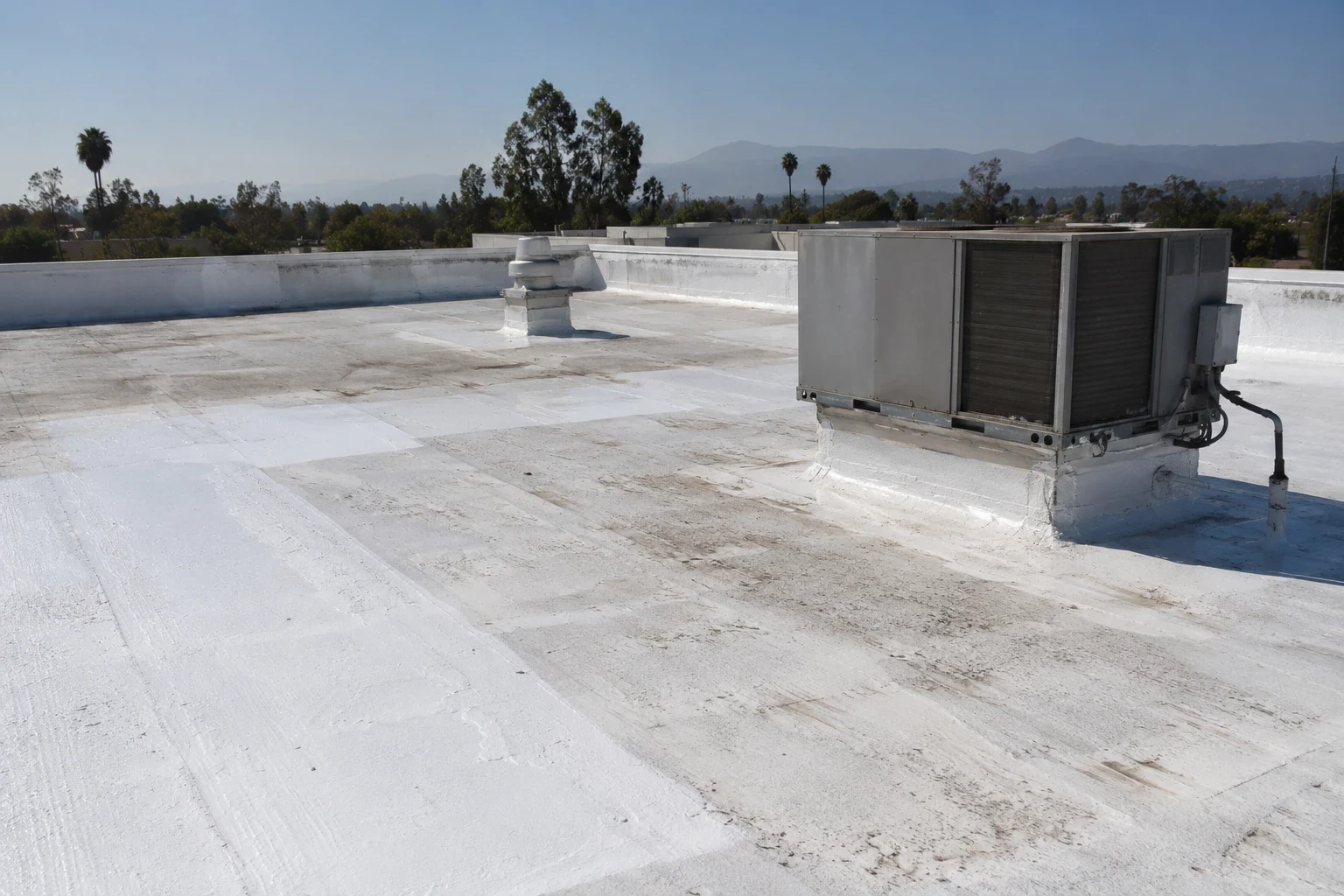
Repair methods depend on the roof material and the detail that failed. A compatible TPO system repair differs from work on EPDM, modified bitumen or metal. Coatings also require a sound, suitable base and correctly prepared transitions. We confirm the assembly where possible, inspect seams and penetrations, and note any area hidden by equipment or unsafe access before proposing work. In the Airport District, technology, hotel and big-box retail uses make staging and roof access part of the scope; the district description does not tell us which assembly a particular property has.
Leave a Decision Record the Team Can Use
Before work begins, the facility director should know which roof areas will be opened, how occupied rooms will be protected and who can approve a change if concealed conditions appear. Afterward, photos and closeout notes should connect completed work to the original condition. A roof condition report can support a future capital discussion, while a local Downtown Burbank roof review can be scheduled around the property's access rules. Share the roof plan, leak history and decision date when arranging a review so the first visit can focus on the right section.
Commercial Roofing Questions
Can we start with one roof section?
Yes. We can inspect a defined area, document related conditions nearby and explain whether the evidence supports a bounded repair or a wider review.
What should the first visit include?
Bring the roof plan, leak dates, prior repair notes and access limits. Those records help us connect the reported condition to the right roof section.
How do you handle active water entry?
We prioritize safe access and temporary protection, then document what remains for permanent repair after the immediate exposure is controlled.
When does maintenance make sense?
A maintenance schedule helps when the assembly remains serviceable and drains, seams or penetrations need recurring attention. Inspection findings establish the starting point.
Services
-
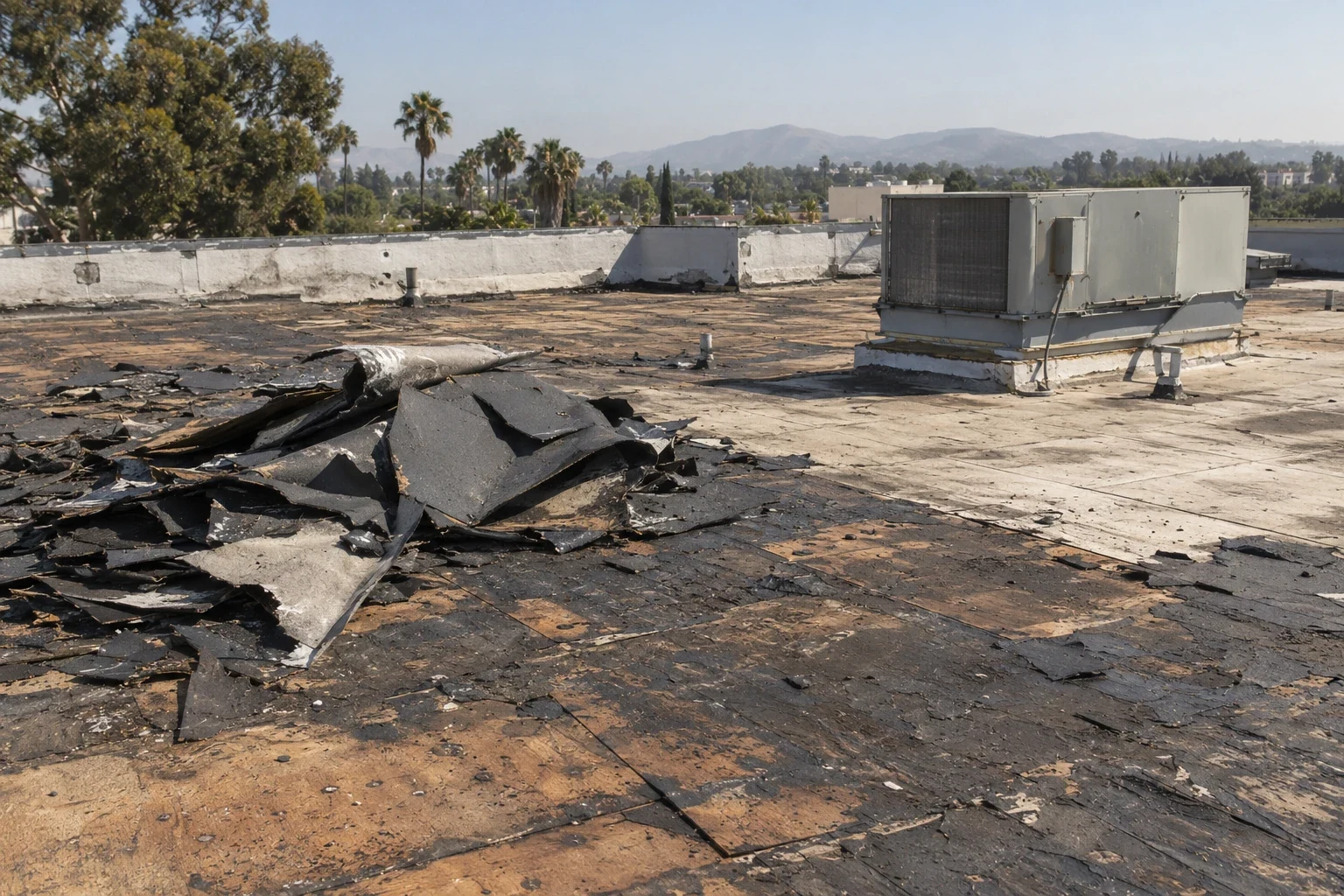 Commercial Roof Replacement
-
 Commercial Roof Recover
-
 Commercial Roof Repair
-
 Commercial Roof Leak Repair
-
 Emergency Commercial Roof Repair
-
 Commercial Roof Inspection
-
 Drone Commercial Roof Inspection
-
 Infrared Commercial Roof Moisture Survey
-
 Commercial Roof Maintenance
-
 Commercial Roof Coating
-
 Storm-Damaged Commercial Roof Repair
-
 Commercial Roof Insurance Claim Support
-
 Commercial Roof Drain and Scupper Repair
-
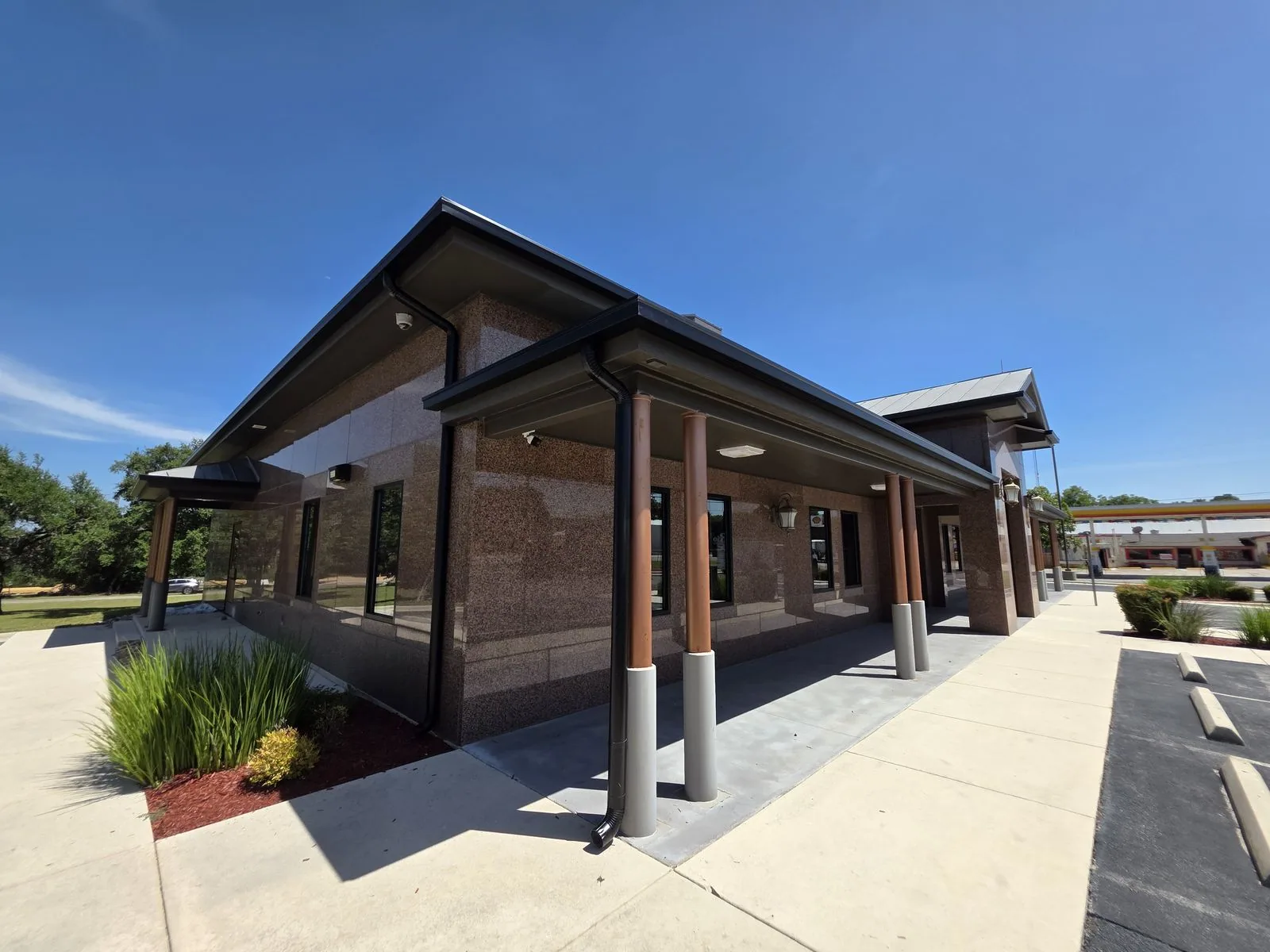 Commercial Roof Edge Metal and Coping
-
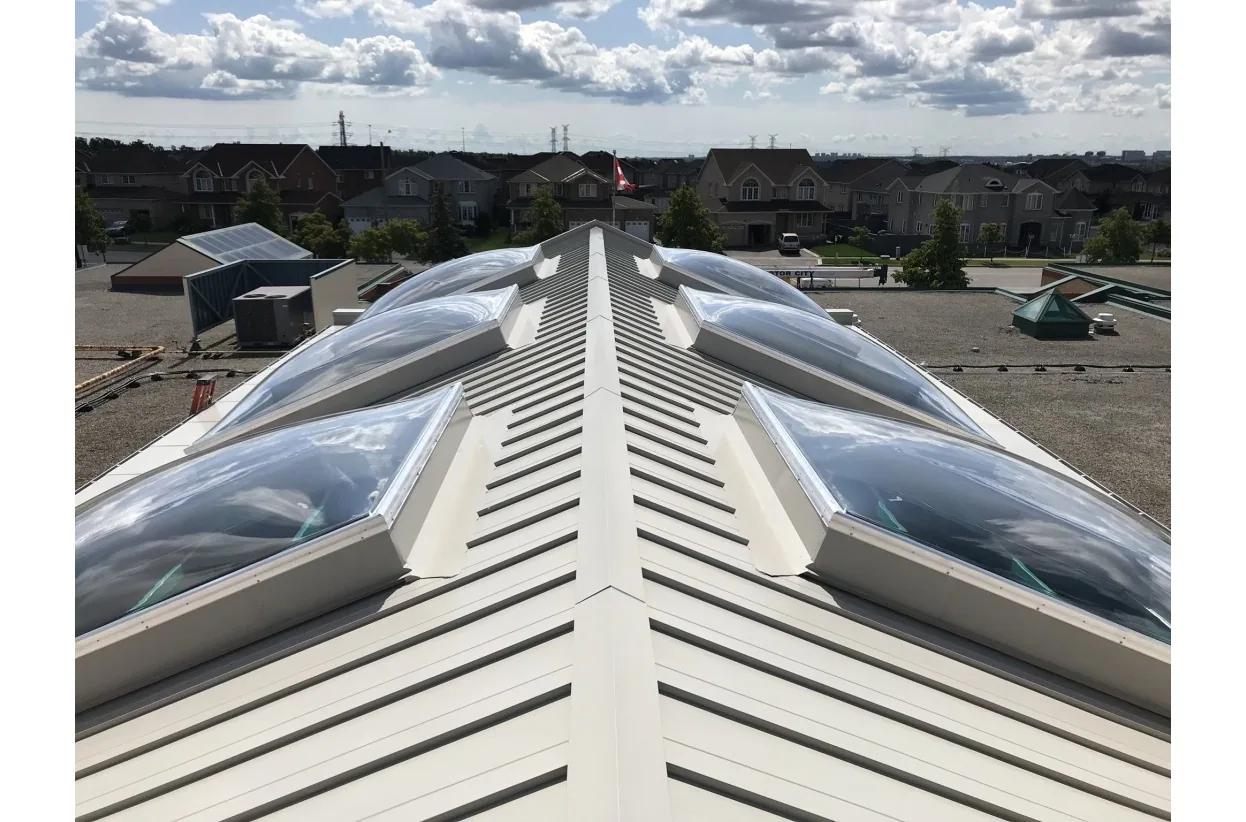 Commercial Skylight and Penetration Flashing
-
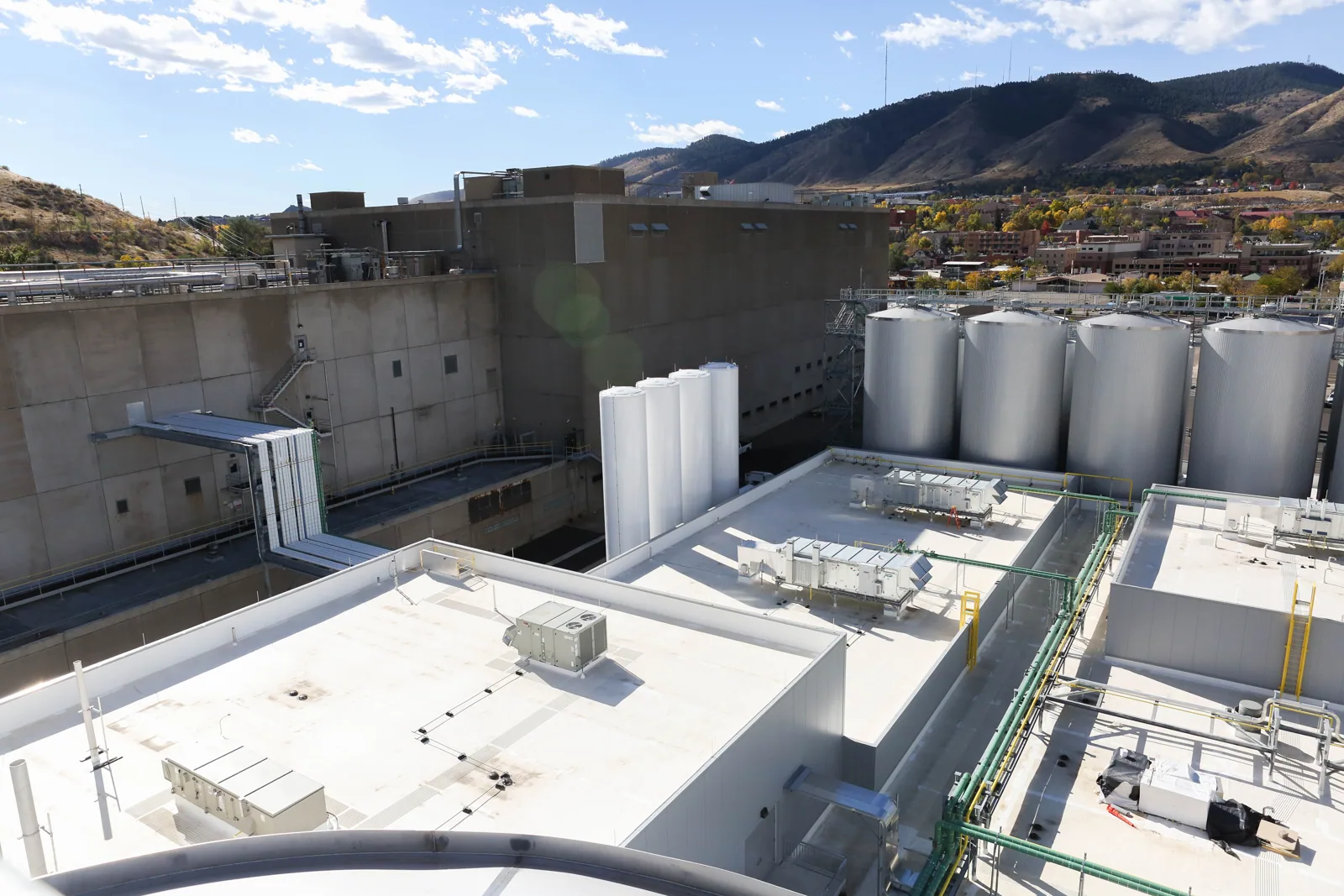 Commercial Roof Insulation and Cover Board
-
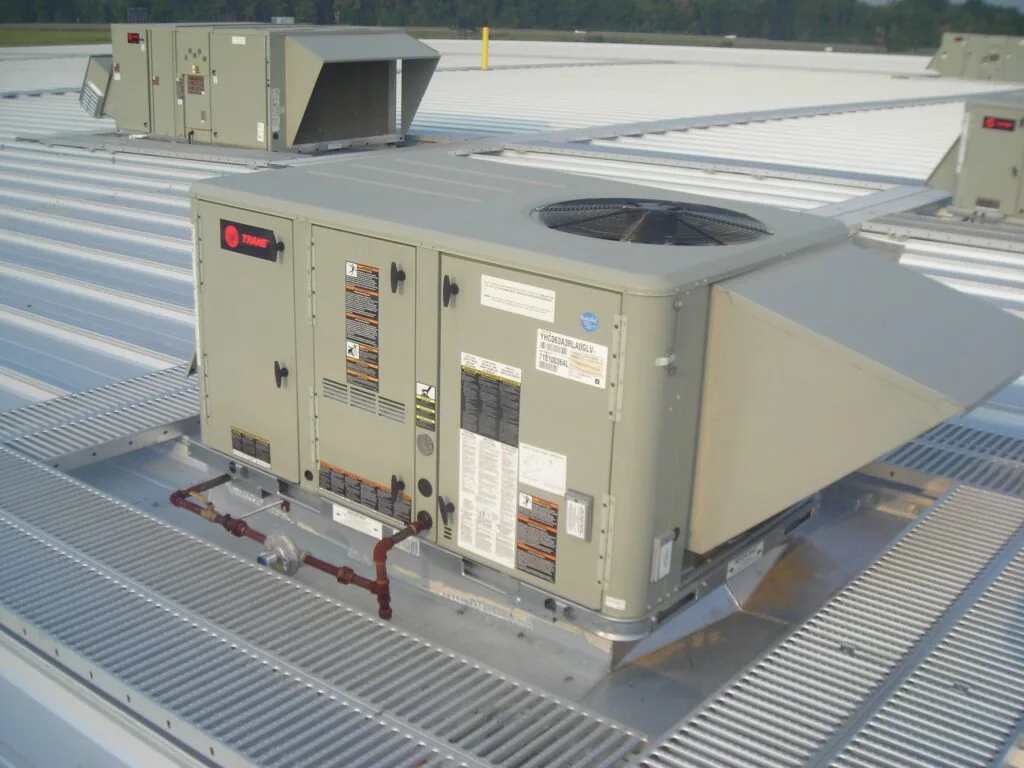 Rooftop Equipment Curb and Support Repair
-
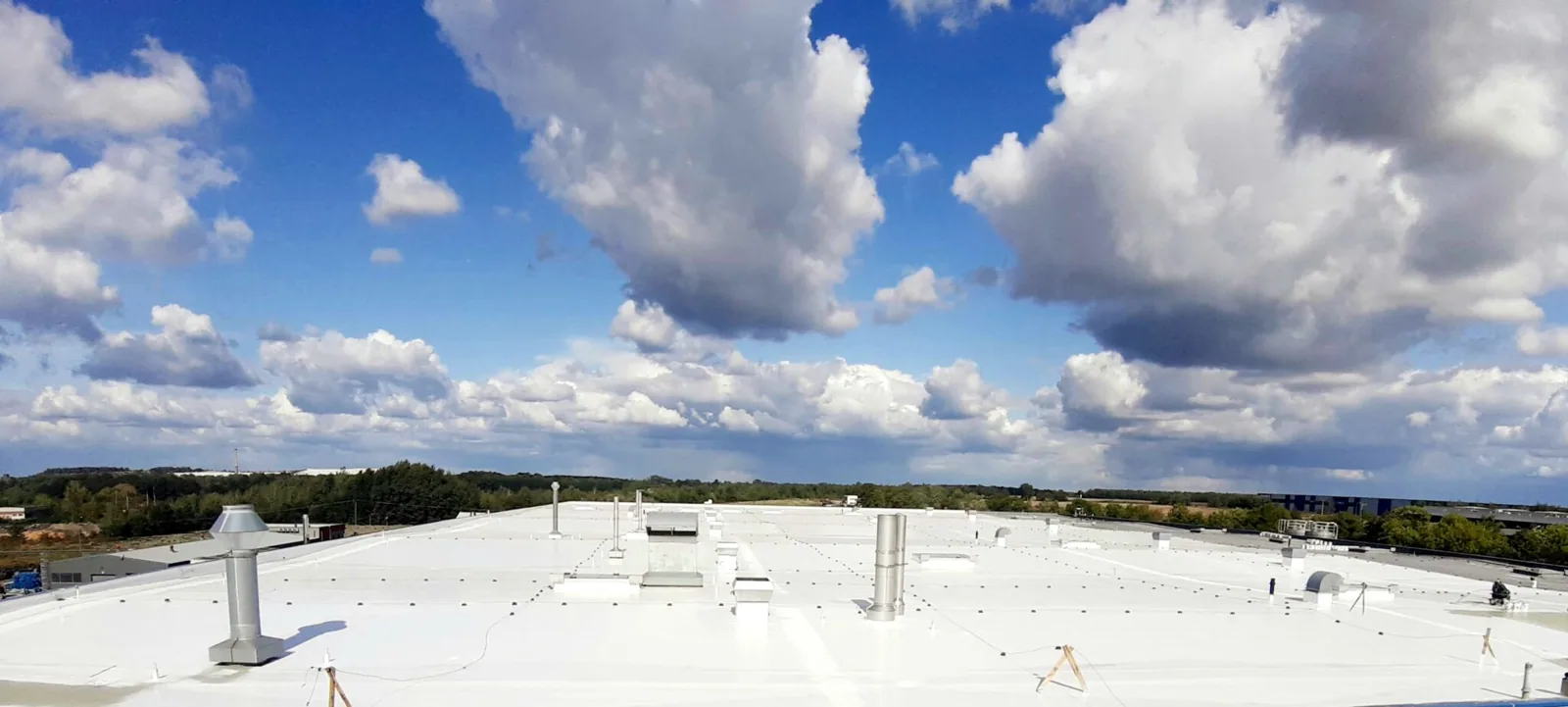 Cool Roof Installation
-
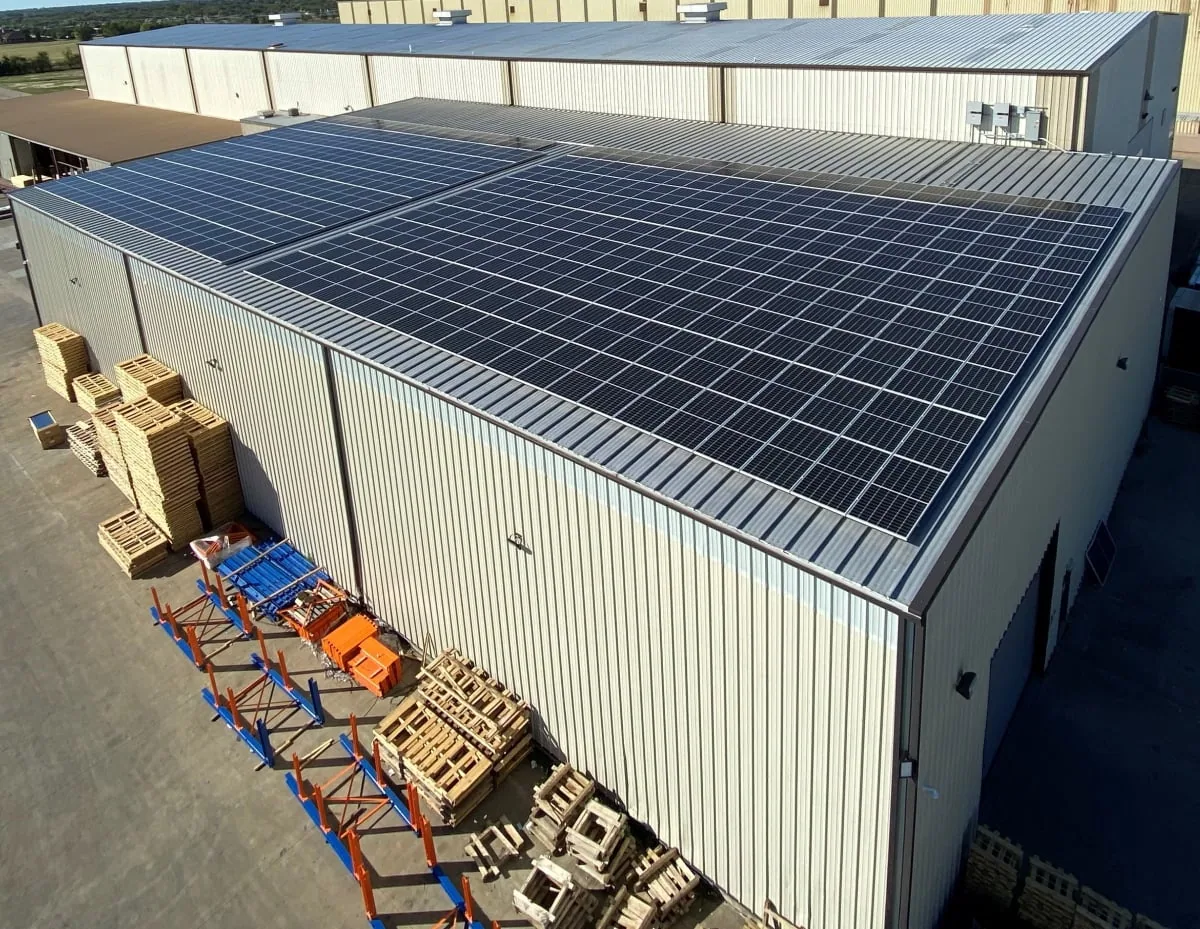 Solar-Ready Roofing
-
 Occupied Building Reroofing
-
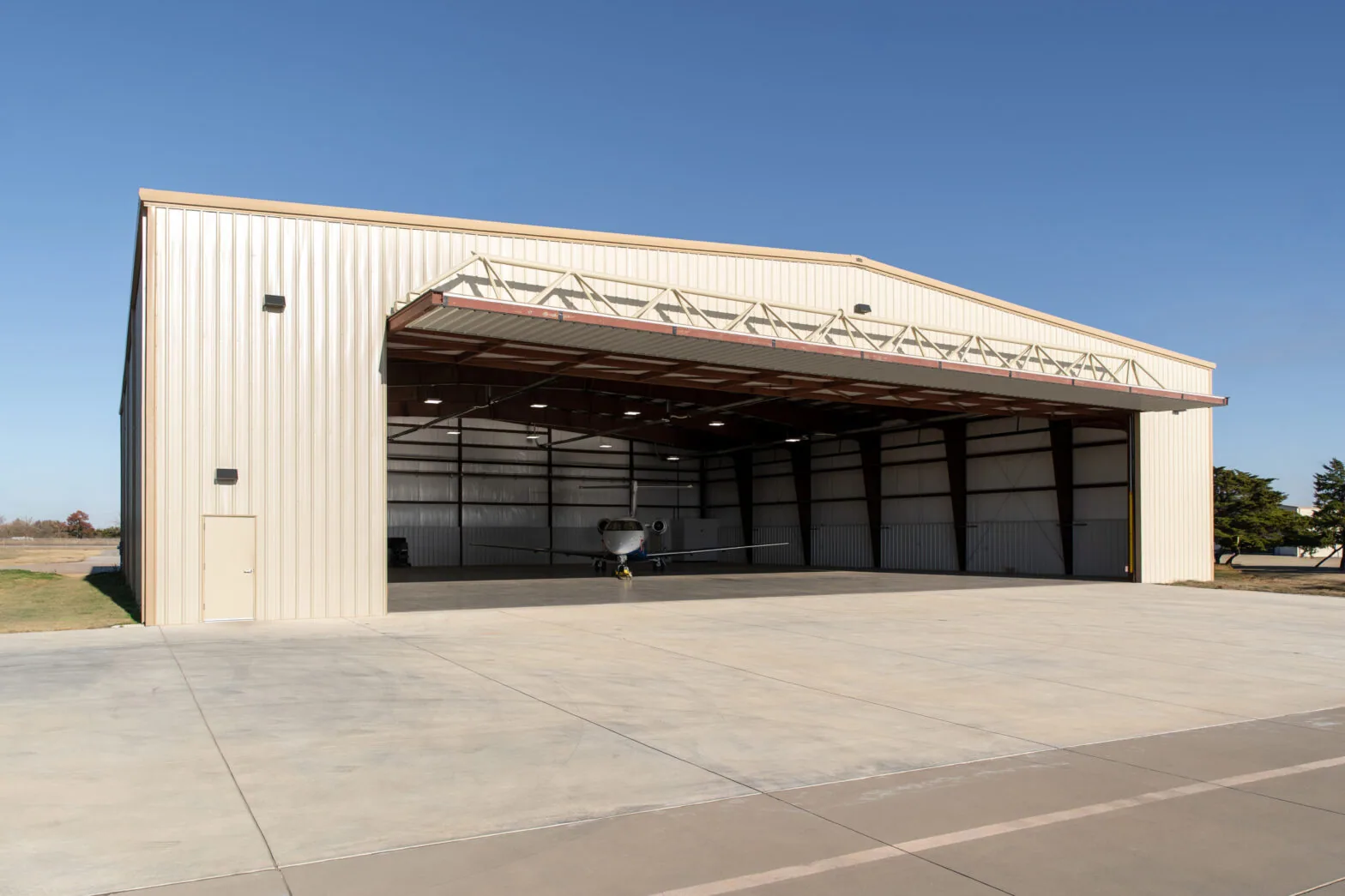 Military Installation Roofing