Commercial Skylight and Penetration Flashing in Burbank, CA


A skylight or rooftop penetration interrupts the roof membrane, so its curb, flashing and adjacent seams need to work as one detail. A ceiling leak may show up away from the opening, which makes the interior report a starting point rather than a repair boundary. We inspect the roof-side connection, surrounding surface and prior patch history, then map the condition by roof section. The scope may be a localized flashing repair, curb correction or a broader assembly review. In Burbank's Media District, production and office schedules can limit roof access or interior coordination, while Downtown Burbank properties may need a different tenant window. We set the inspection around the building's actual use.
Check the Curb Before Replacing the Flashing
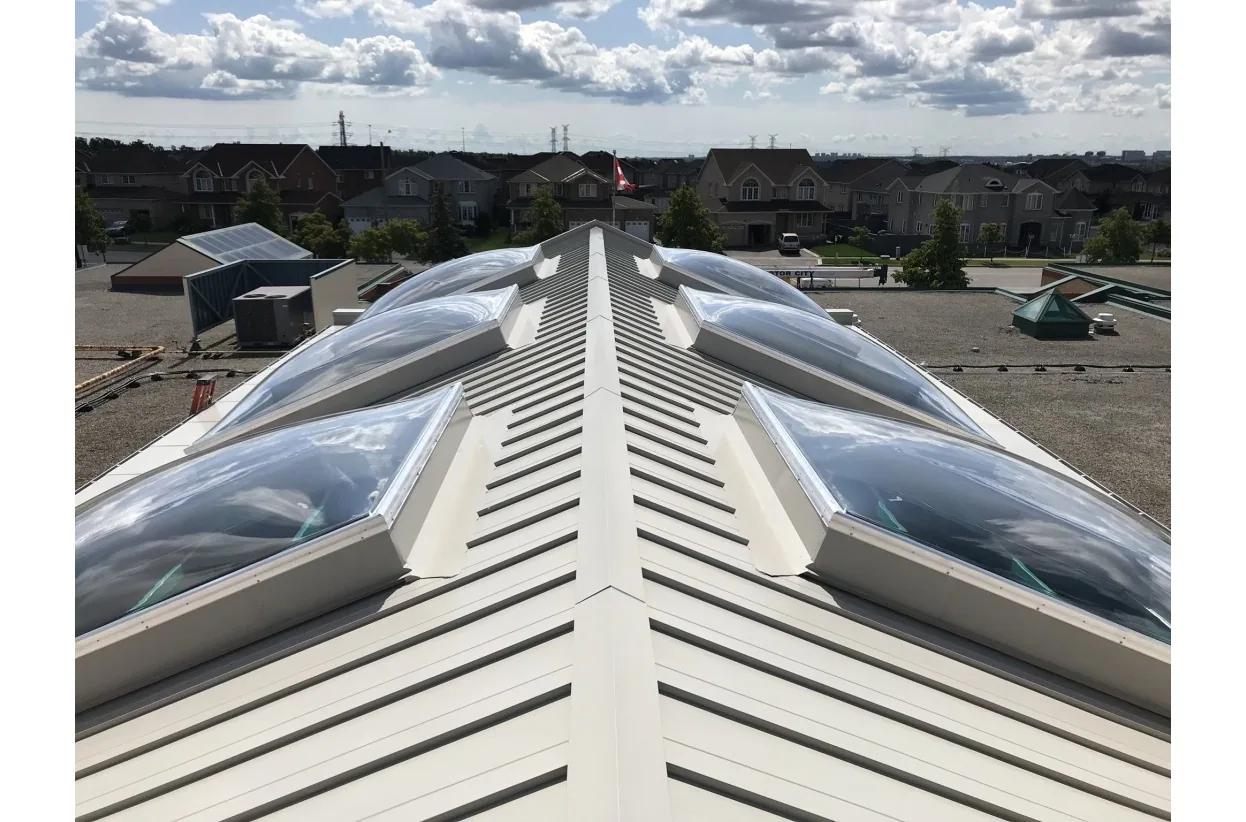
We look for cracked or open flashing, loose termination, movement, deteriorated sealant, staining, damaged curb corners and signs of earlier repairs. A skylight frame can also have a glazing or condensation issue that resembles a roof leak. We distinguish what is visible at the roof from conditions that need an interior or glazing review. The curb material, height, fastening and relationship to the membrane all affect repair. If water is entering during rain, we compare the reported timing with the roof detail and nearby drainage. Photos should show the full unit, curb edges and surrounding roof surface so the facility manager can identify the location again after work. We check whether the curb is part of the original assembly or was added during later equipment work, since modifications can leave different materials at the corners. If old sealant is covering a gap, we document the condition before removal and verify whether the underlying flashing is intact. A repair may require rebuilding the corner, replacing a short membrane section or coordinating frame work. We note which option is supported by the inspection and which one needs an approved opening. That keeps the scope specific instead of relying on a bead of sealant as the sole repair detail.
Group Penetrations by Roof Section
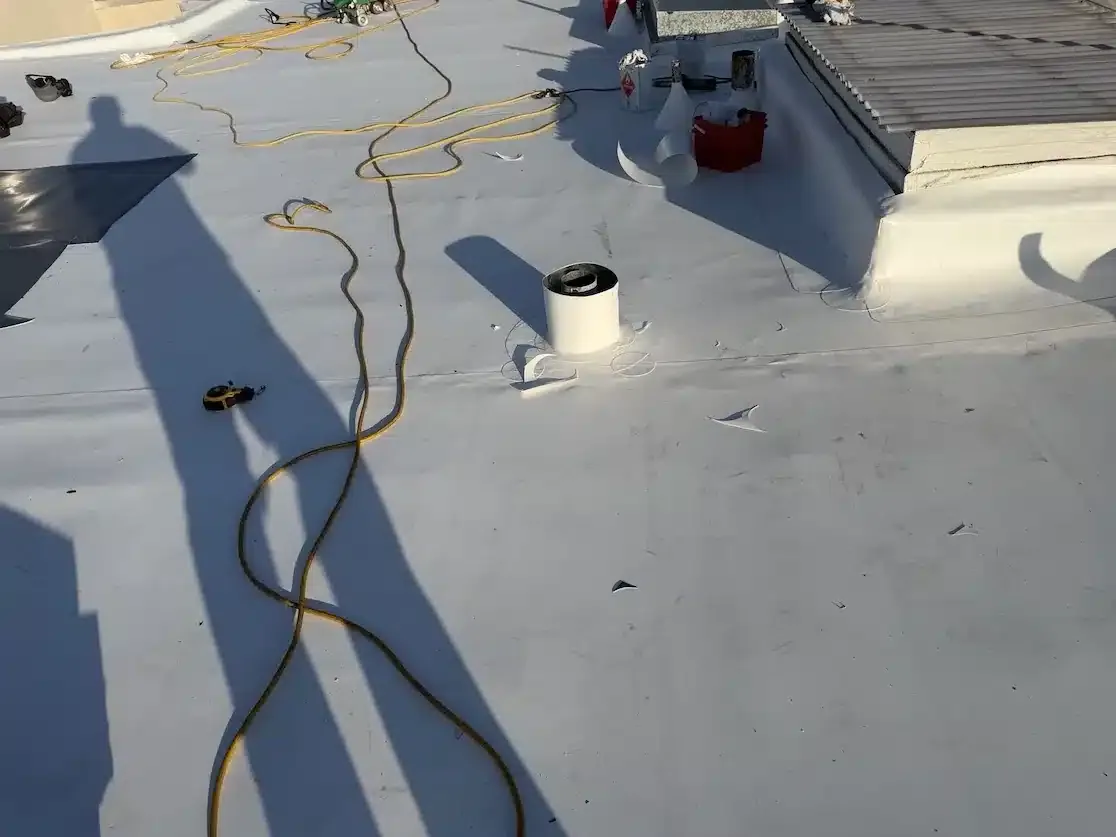
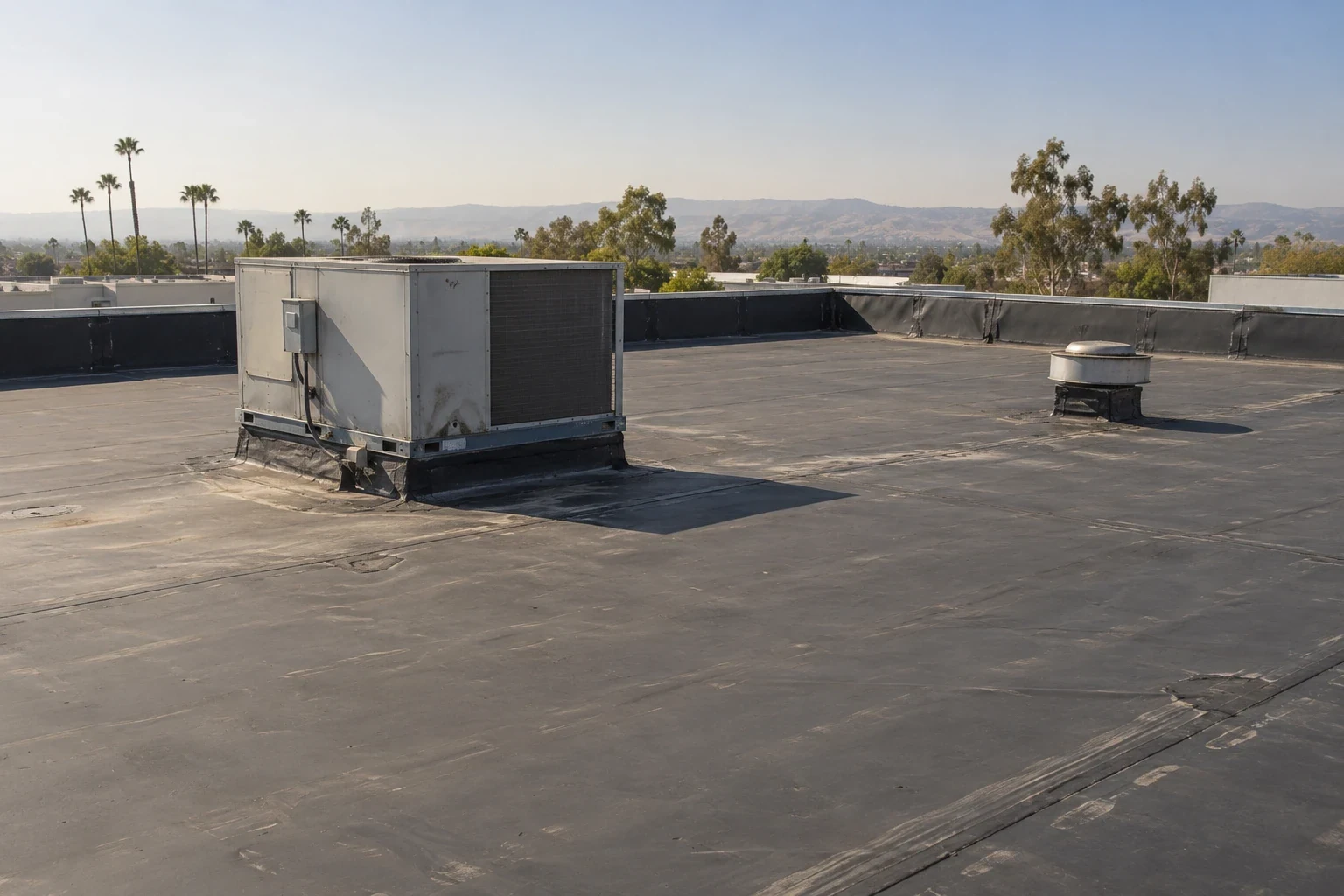
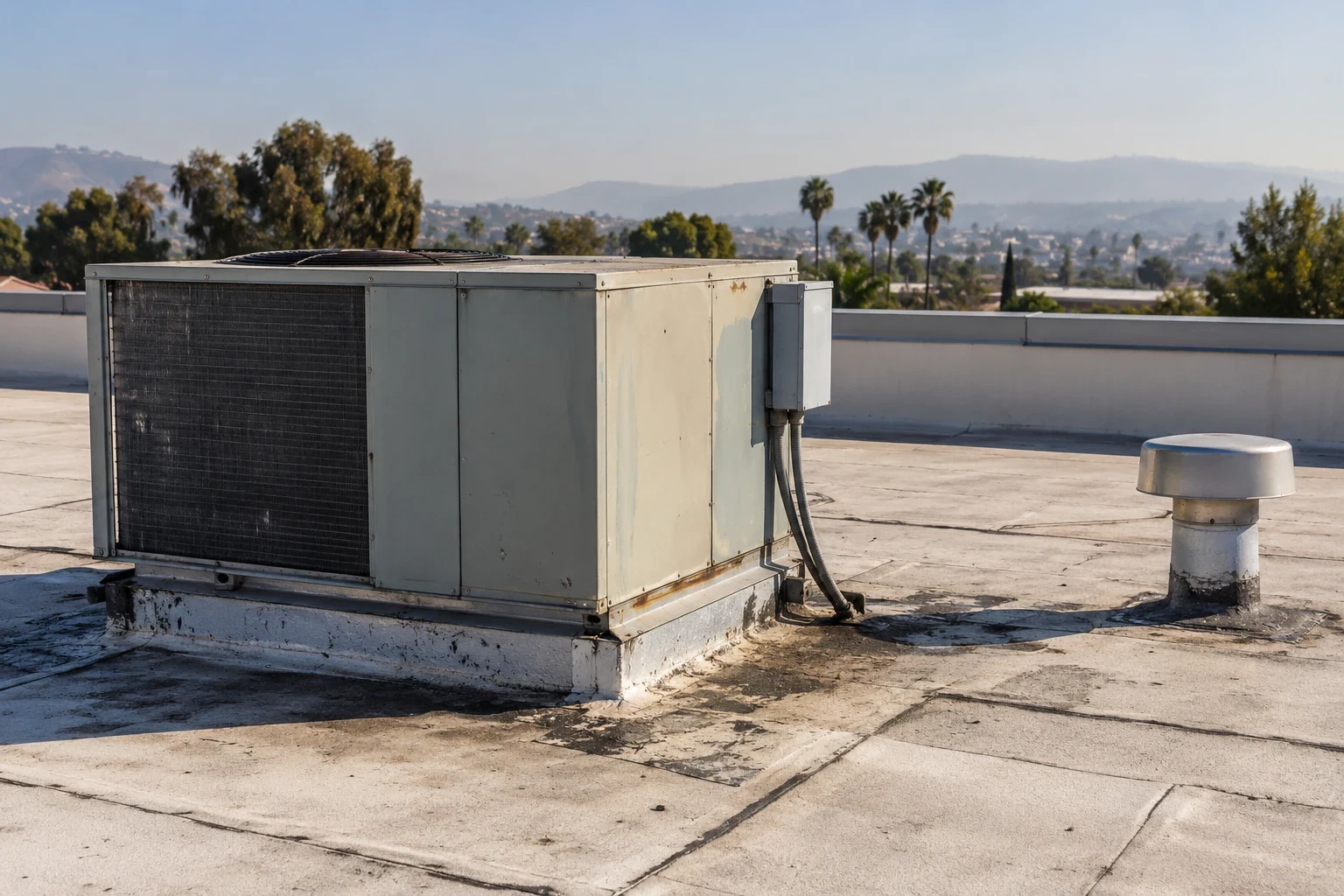
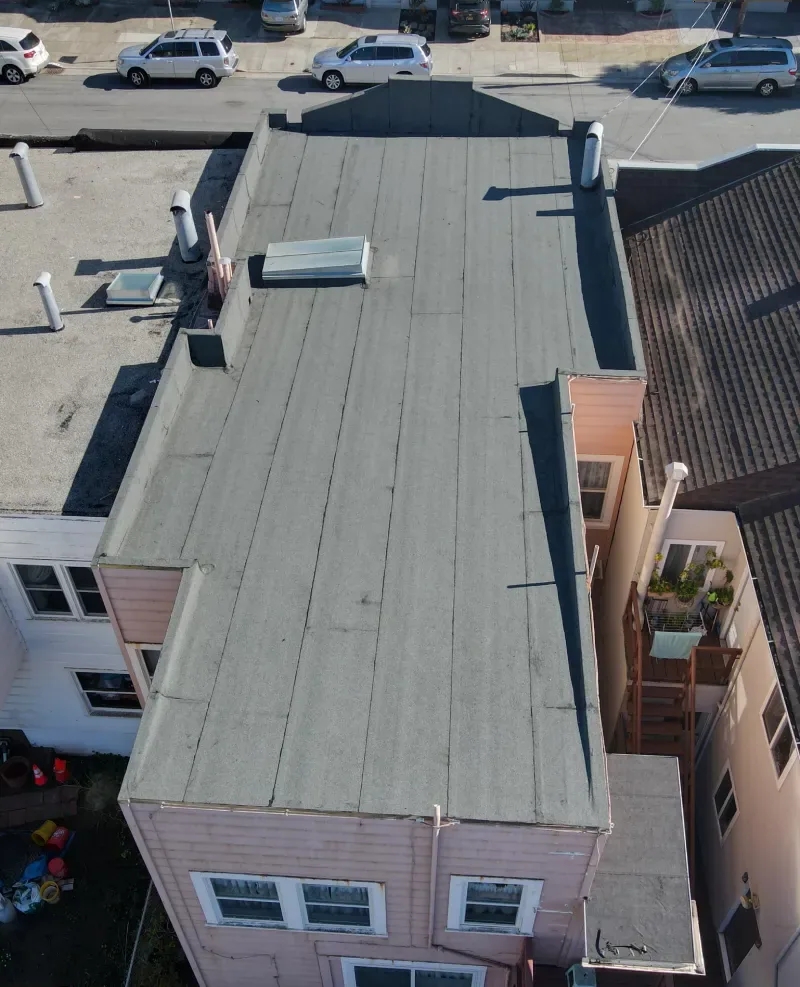
Pipes, conduit, exhausts, supports and equipment curbs often sit near one another. We map each penetration, identify the roof system where possible and note whether a boot, pitch pocket, curb flashing or other detail is present. A repair to one pipe boot should not disturb adjacent units without authorization. Where the roof has several system types or past modifications, the report flags any detail that needs confirmation before material selection. If an active leak has no obvious source, a commercial leak investigation can compare interior reports with nearby seams, walls and penetrations. The goal is a traceable repair area, not a blanket sealant application over every rooftop unit. We also group penetrations by function and access needs. A pipe boot, HVAC curb, conduit cluster and equipment support can have different movement and service requirements, so each receives a location note and repair method. The facility contact can identify equipment that must stay accessible or remain powered. If a technician needs to temporarily move a line or support, that coordination is listed before work begins. This prevents the roof repair from creating a maintenance issue for the equipment operator and gives the owner a record of any trade coordination included in the scope.
Use Flashing Materials That Suit the Roof
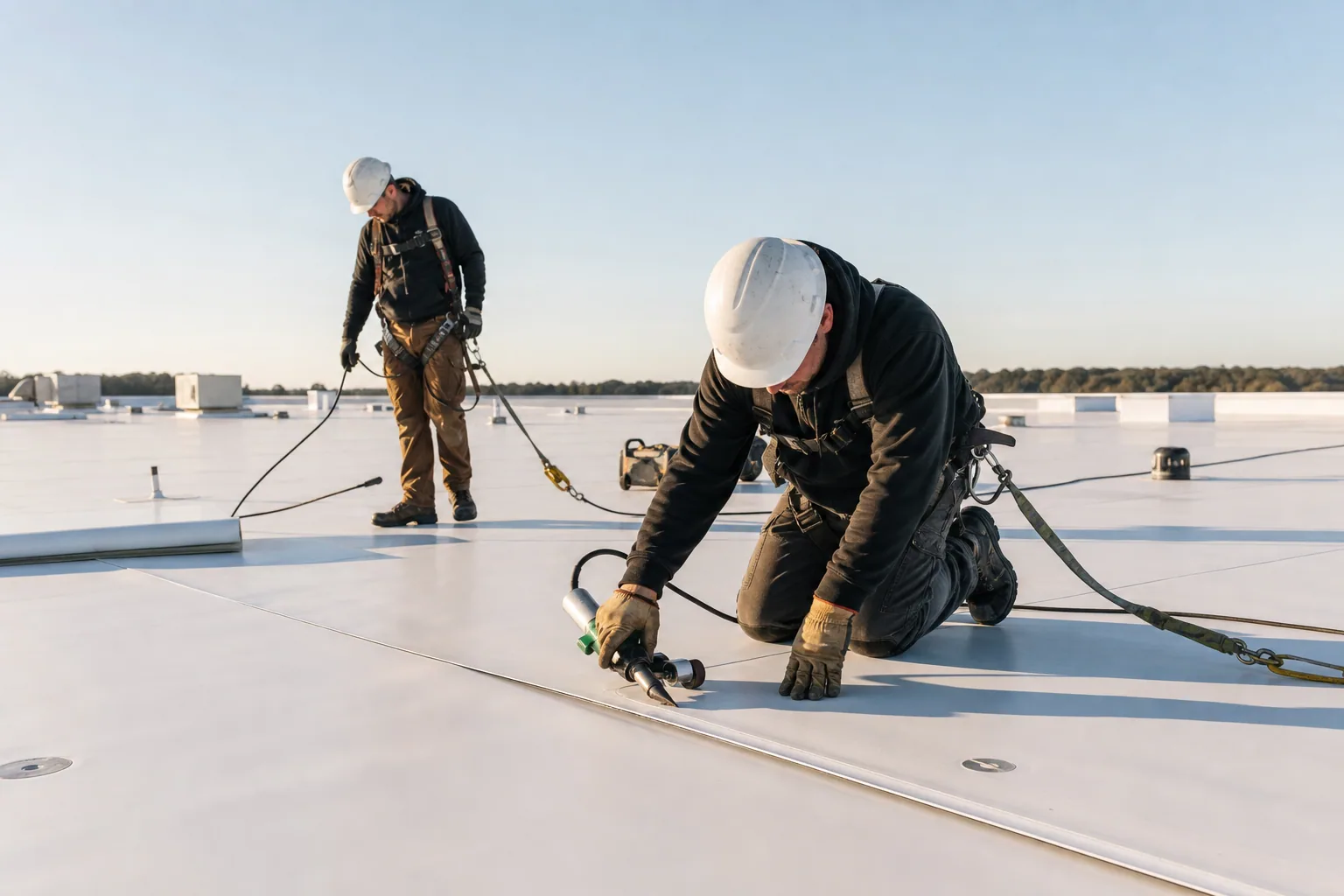
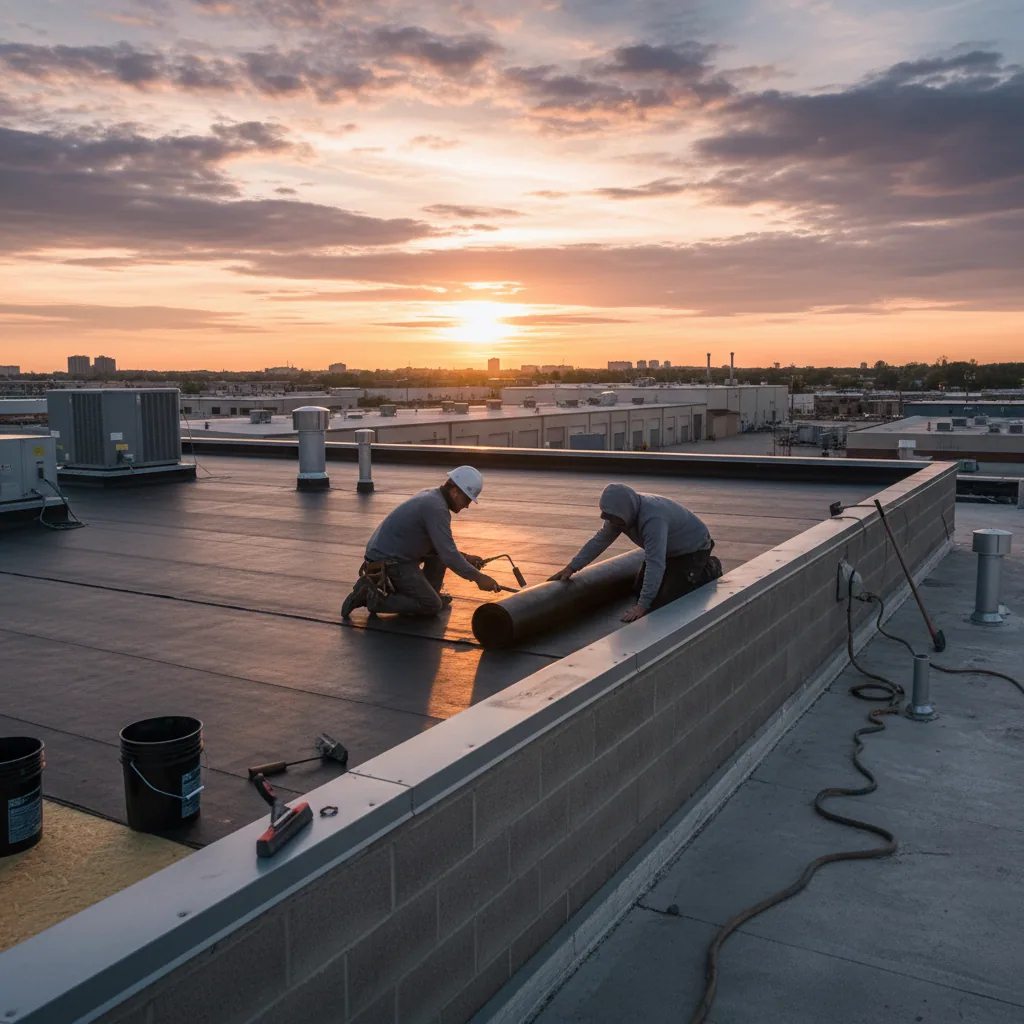
Flashing methods vary by membrane, curb material, movement and exposure. A thermoplastic membrane, EPDM, modified bitumen and coated roof each require compatible materials and preparation. We identify the existing system and check manufacturer details before setting the repair. Sealant alone may not correct a loose termination or a curb that moves. If the assembly is wet or damaged below the surface, the repair may need an approved opening and restoration. A TPO roof detail uses different welding and flashing procedures than an EPDM roof detail. The proposal states how the curb corners, vertical flashing, top termination and adjacent membrane will be treated.
Decide Whether the Unit or the Roof Detail Is at Fault
Water at a skylight may come through the roof flashing, the frame, glazing, seal or condensation rather than one obvious gap. We examine the curb and roof transition, then note whether a glazier or another trade should evaluate the unit itself. If a skylight is cracked, loose or has damaged glazing, roof repair alone may not resolve the interior report. A roof inspection can document the membrane-side evidence and recommended next step. We avoid making a structural or glazing determination from a surface review. For a larger building in Downtown Burbank, ownership may need to coordinate interior access with tenants before testing. A clear work boundary keeps the roof scope separate from unit replacement or interior finish work.
Coordinate Rooftop Equipment and Interior Access
Before work, we confirm the roof entry, escort, equipment clearances, tenant notices, fall protection and any sensitive interior area. A crew may need the facility contact to identify active exhaust, HVAC, production or laboratory schedules. We agree on where tools can stage and how the opening will be protected if a detail cannot be finished before a shift ends. Long-run Burbank weather normals register 85.8°F for July's mean daytime maximum, then 88.3°F for August; those figures inform seasonal planning only. That history informs seasonal planning only; crews check current roof-surface and air conditions against product limits. A written access plan ties that timing to the property schedule.
Record the Detail and the Repair Limit
The estimate identifies the skylight or penetration, roof zone, preparation, flashing material, access and any test or opening. It states whether the unit itself is included or requires separate review. After work, we photograph the completed curb, corners, vertical flashing and top termination, then note any condition that remains open. A commercial roof inspection can check adjacent seams, and a roof repair can address related membrane damage. For broader reporting, our condition report connects the detail to the property record. Service coordination in Burbank's Media District uses the same roof-zone notes so the facility team can follow the repair without assuming the entire roof was examined. If the owner approves a water test, we first confirm how the area will be isolated and who will observe interior conditions. The test plan identifies start and stop points, the building contact and how the roof opening will be restored. Not every detail can be tested in the same way, and some equipment areas may be inaccessible. We record those limits with the repair so a later reviewer understands what was checked. Photos before and after the work can help a facility technician distinguish a repaired flashing condition from nearby details that remain in service.
Set the Follow-Up Around the Leak Report
After the repair, the building contact should know what was changed, what was not part of the work, and which interior area to check after the next rain. If water returns, record the date, weather, room and any new stain before arranging another visit. We compare that information with the prior detail photos. A maintenance visit can watch the repaired curb and adjacent roof section; a replacement review may be appropriate when the surrounding assembly has broader failures. The repair record should identify the person who approved added work and any limit caused by inaccessible equipment or a concealed condition.
Commercial Roofing Questions
Can a skylight leak come from the unit instead of the roof?
Yes. Glazing, frame, curb flashing, condensation and nearby membrane details can all contribute. We document the roof-side evidence and flag a separate unit review when needed.
Do you replace skylights during a roof repair?
The estimate states whether the unit is included. Glazing or frame work may require a separate trade and owner approval.
What does a curb flashing repair include?
We identify preparation, vertical flashing, corners, termination, membrane tie-in, access and any test opening. The method depends on the existing system.
Should every rooftop pipe be resealed during a visit?
We inspect each penetration and repair documented defects. Applying sealant to unrelated details can hide conditions without correcting the attachment or flashing.
What should we monitor after the repair?
Check the reported interior area after rain and record the date, conditions and location if water returns. The facility contact can then compare the new report with repair photos.