Roof Damage Repair in Burbank, CA
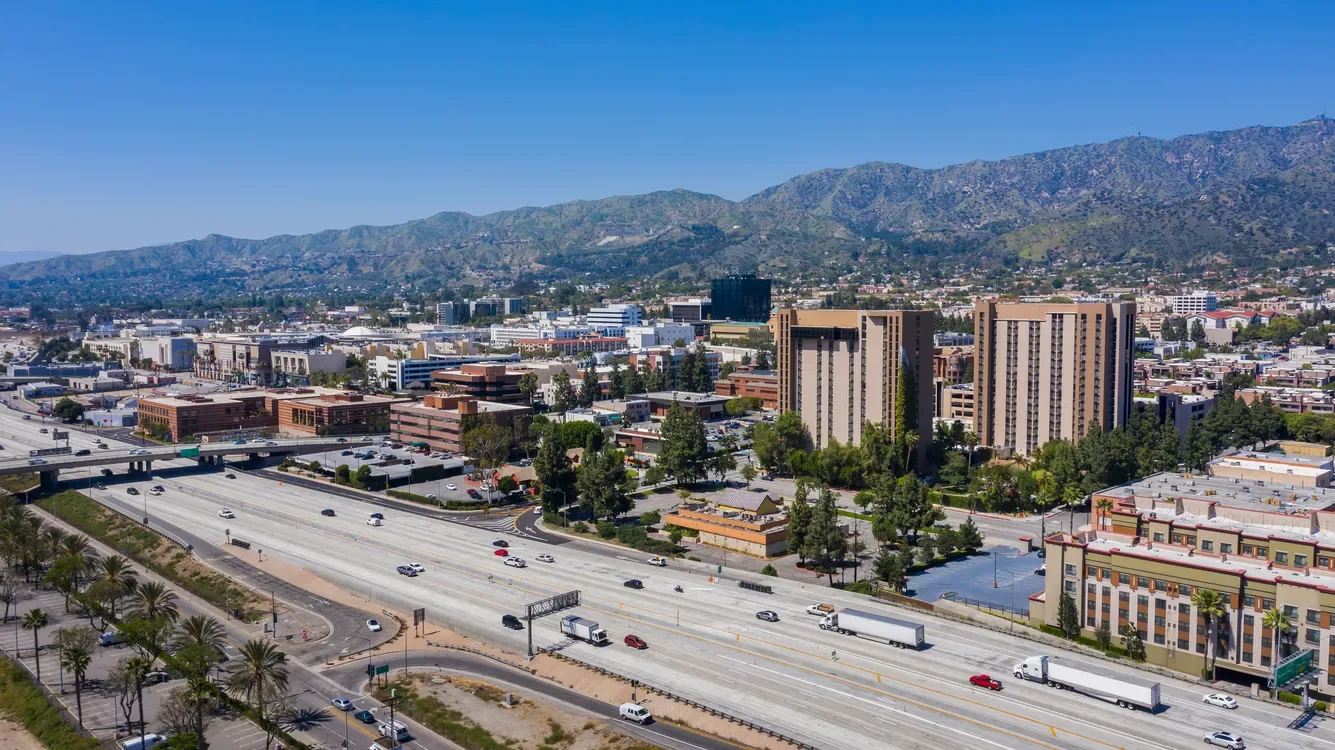
A ceiling mark is a report to investigate, not a repair instruction. Water can travel along a deck or insulation before it appears inside, so we inspect the roof detail and trace the drainage path before choosing a method. Burbank averages 16.50 inches of annual precipitation; the Airport District has hotels, technology businesses and big-box retail, each with its own roof access and operating needs. A weather average provides context; the affected roof section and current exposure control the response.
More About Our Roof Damage Repair
Follow Water Through the Assembly
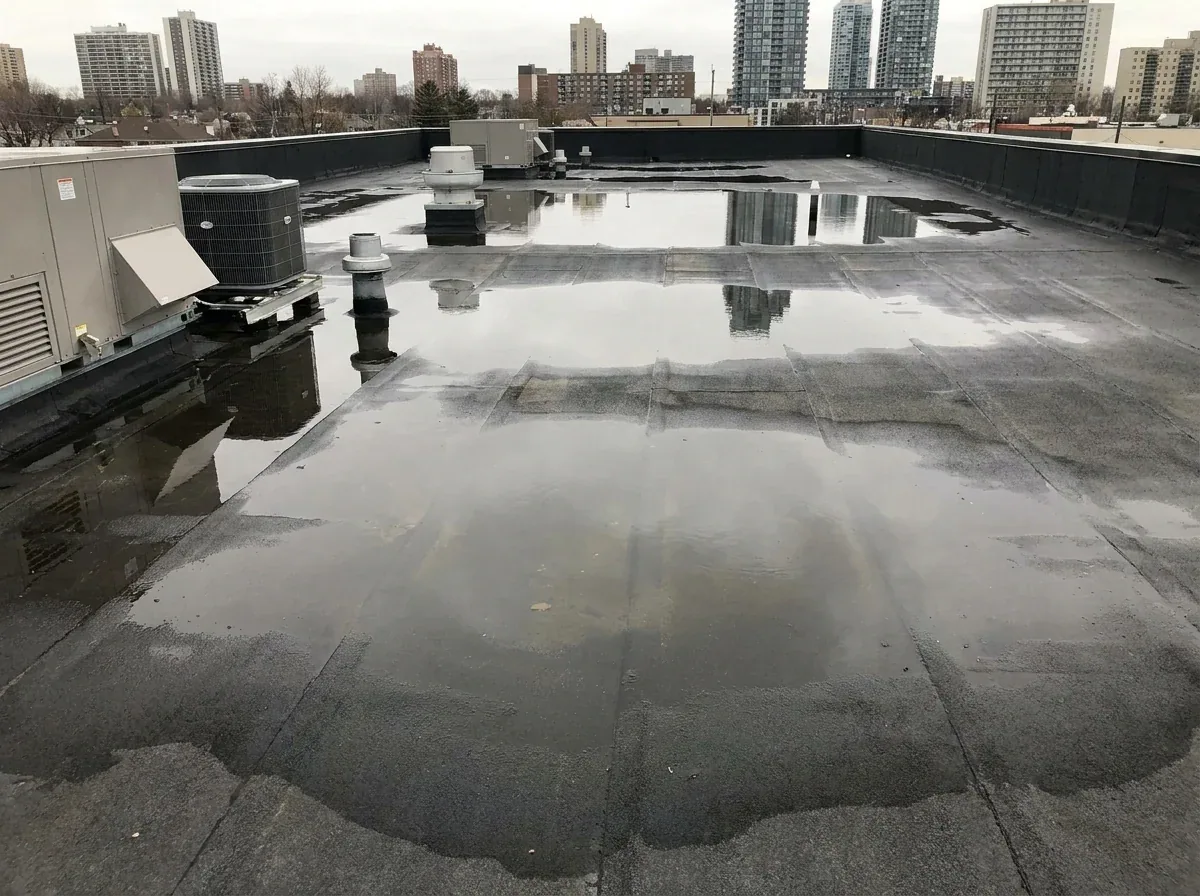
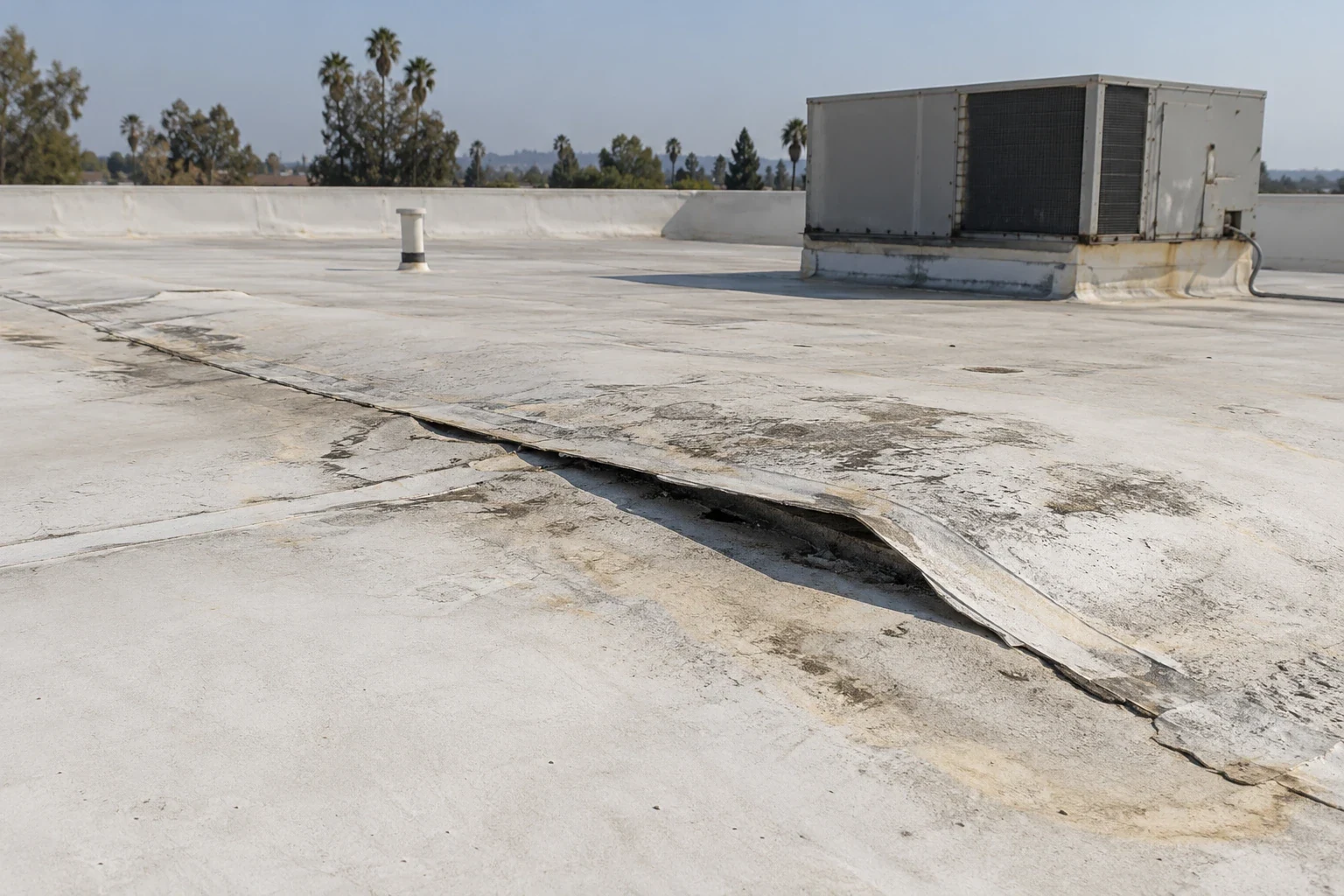
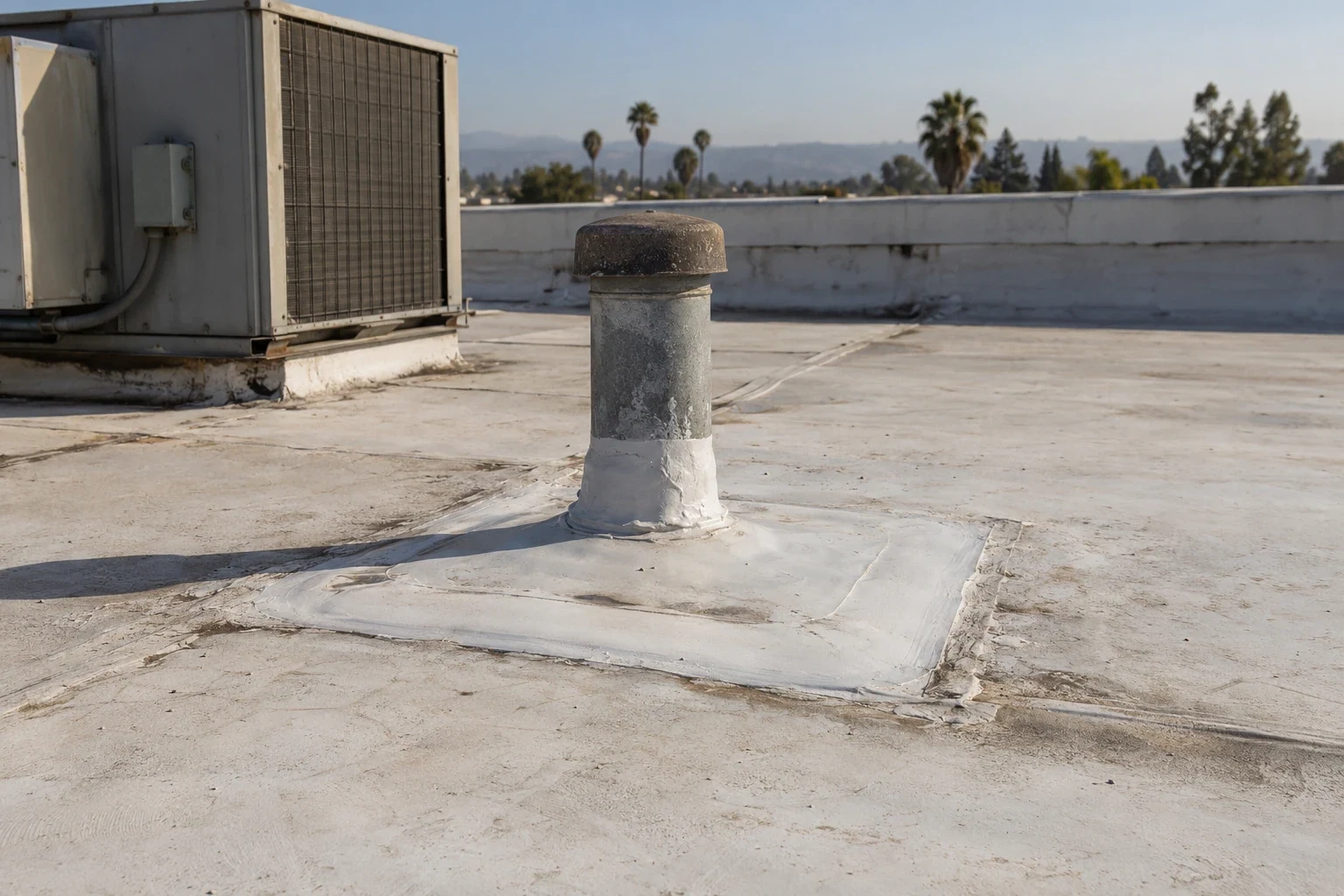
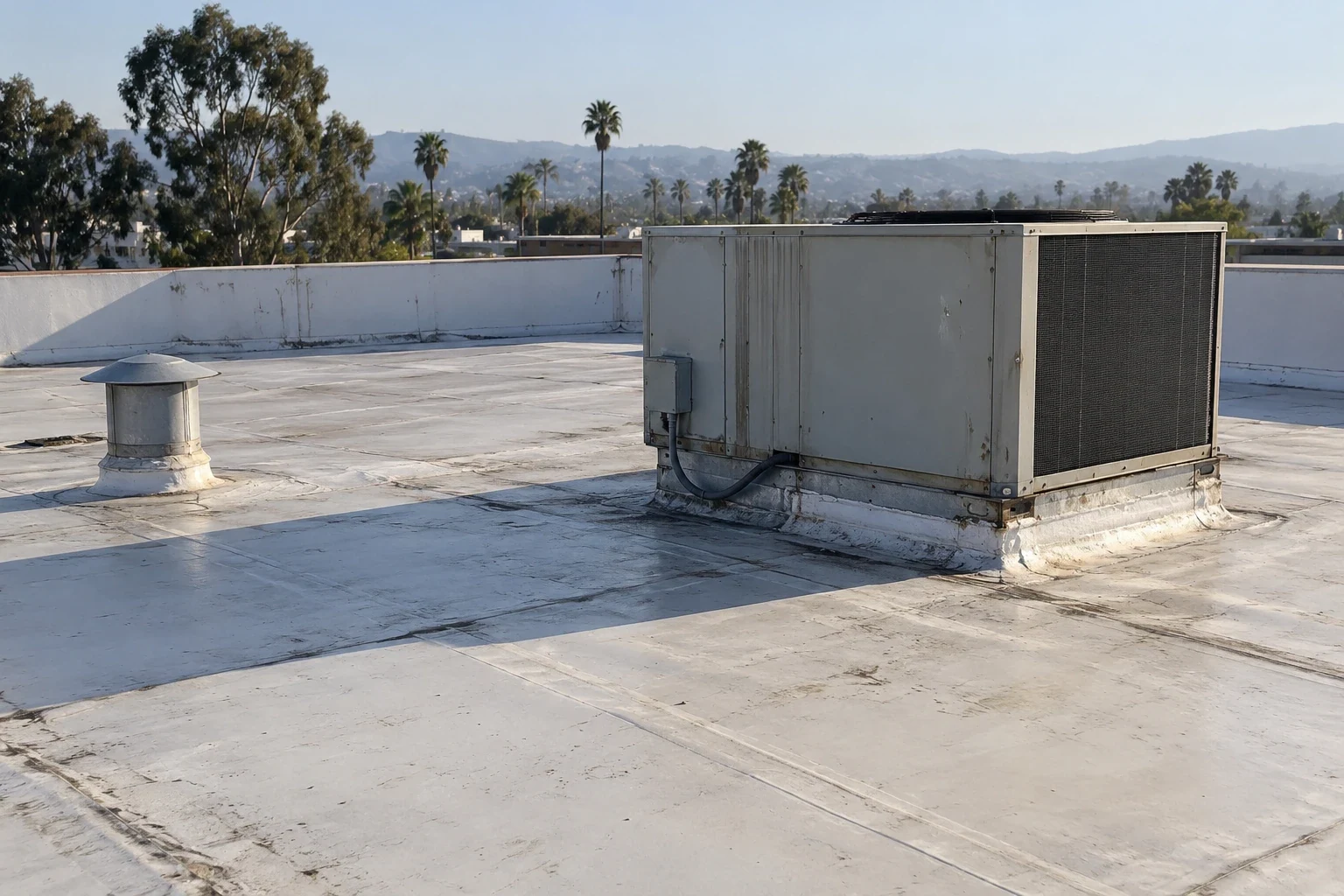
Ponding water can keep a low area wet and expose weak seams or drainage details. We check whether the drain, scupper, slope or membrane condition is driving the standing water, then separate a local repair from drainage correction. A seam failure or flashing failure calls for a compatible repair at the actual transition. The scope notes nearby penetrations and edges so water entry is not assigned to the first visible defect without evidence.
Assess the Surface Before Closing a Leak
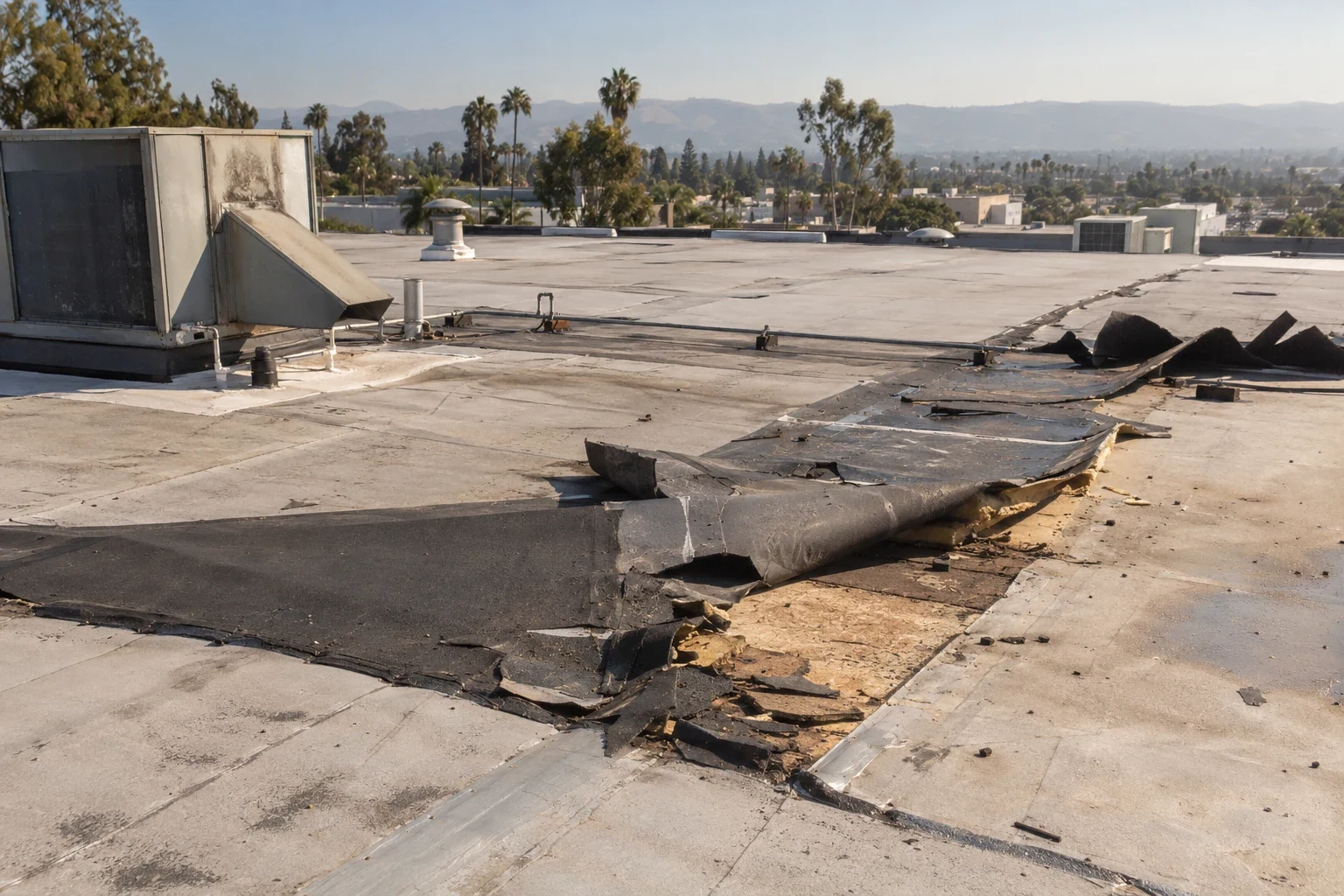
Membrane punctures can result from impact or later roof activity, but the cause should be tied to what the inspection can show. We document the opening, test surrounding adhesion or seam condition where appropriate and identify nearby equipment or access routes that could affect a repair. A puncture repair must suit the membrane and remain inspectable after work. Heat and sun exposure also affect aging; a heat or UV review looks for broader surface deterioration before recommending a patch alone.
Separate Event Damage From Existing Conditions
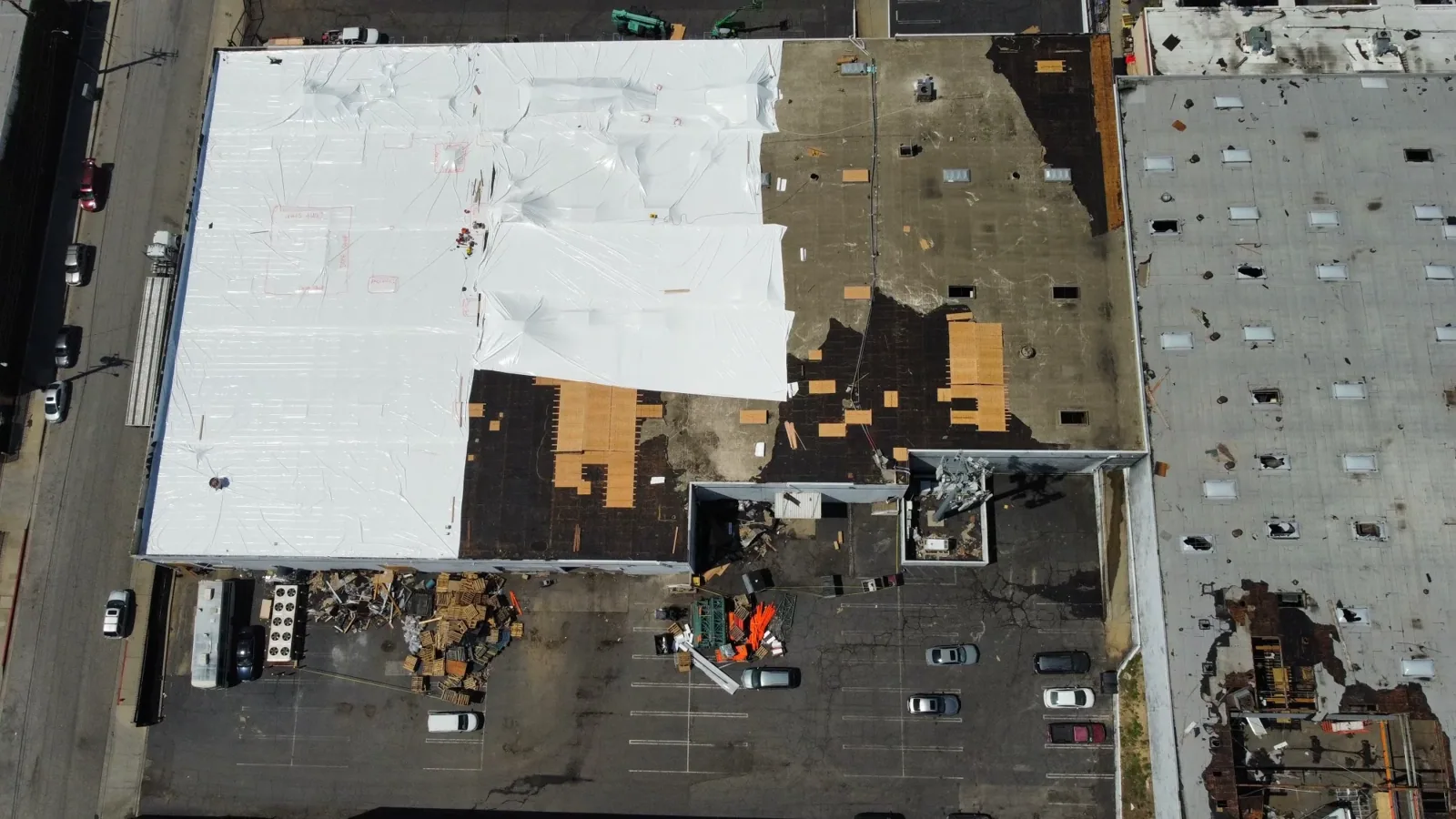
After an incident, photographs and dates help connect the observed condition to a specific roof area. For wind-related damage, we inspect perimeter metal, terminations and attachment points rather than assuming a loose edge explains every interior report. A fire-damaged roof may require coordinated review of membrane, insulation and substrate after other responders have cleared access. In either case, the record should distinguish visible damage, test findings and areas that could not be examined.
Protect the Building While the Scope Is Confirmed
Active water entry calls for prompt containment and a follow-up plan for permanent repair. We coordinate the route to the roof, protect occupied space and document temporary measures separately from completed work. Nearby commercial uses in Magnolia Park and Downtown Burbank make access and customer protection relevant, but each property has its own conditions. An inspection or Magnolia Park roof review can establish the affected section and the next decision. Share leak timing, prior repairs and any roof access limits when scheduling.
Commercial Roofing Questions
How do you trace a ceiling mark to the roof?
Not by itself. Water can move through the assembly, so we compare the interior report with seams, penetrations, drainage and the roof area above it.
What happens before permanent repair?
We document the active exposure, apply appropriate temporary protection and set a follow-up inspection to define the durable repair boundary.
Should every storm report be treated as new damage?
The inspection record separates observed conditions from earlier repairs or wear where evidence allows. Photos and dates help the owner evaluate the scope.
Can you repair only one detail?
A focused repair is appropriate when the surrounding assembly remains suitable and the failure boundary is clear. Nearby conditions are checked before that limit is set.