Commercial Heat and UV Roof Damage Repair in Burbank, CA
Summer exposure in Burbank, CA puts roof surfaces through long periods of heat and sunlight, but age alone does not set the repair scope. We compare the affected section with adjacent membrane, seams, flashing and earlier repairs, because sun exposure alone does not identify the cause. We inspect the membrane, seams, flashing and prior repairs, then connect visible wear to water entry, brittleness or loss of bond. The owner receives a decision boundary between maintenance, local repair and a broader renewal review.
Read the Surface With the Assembly in View
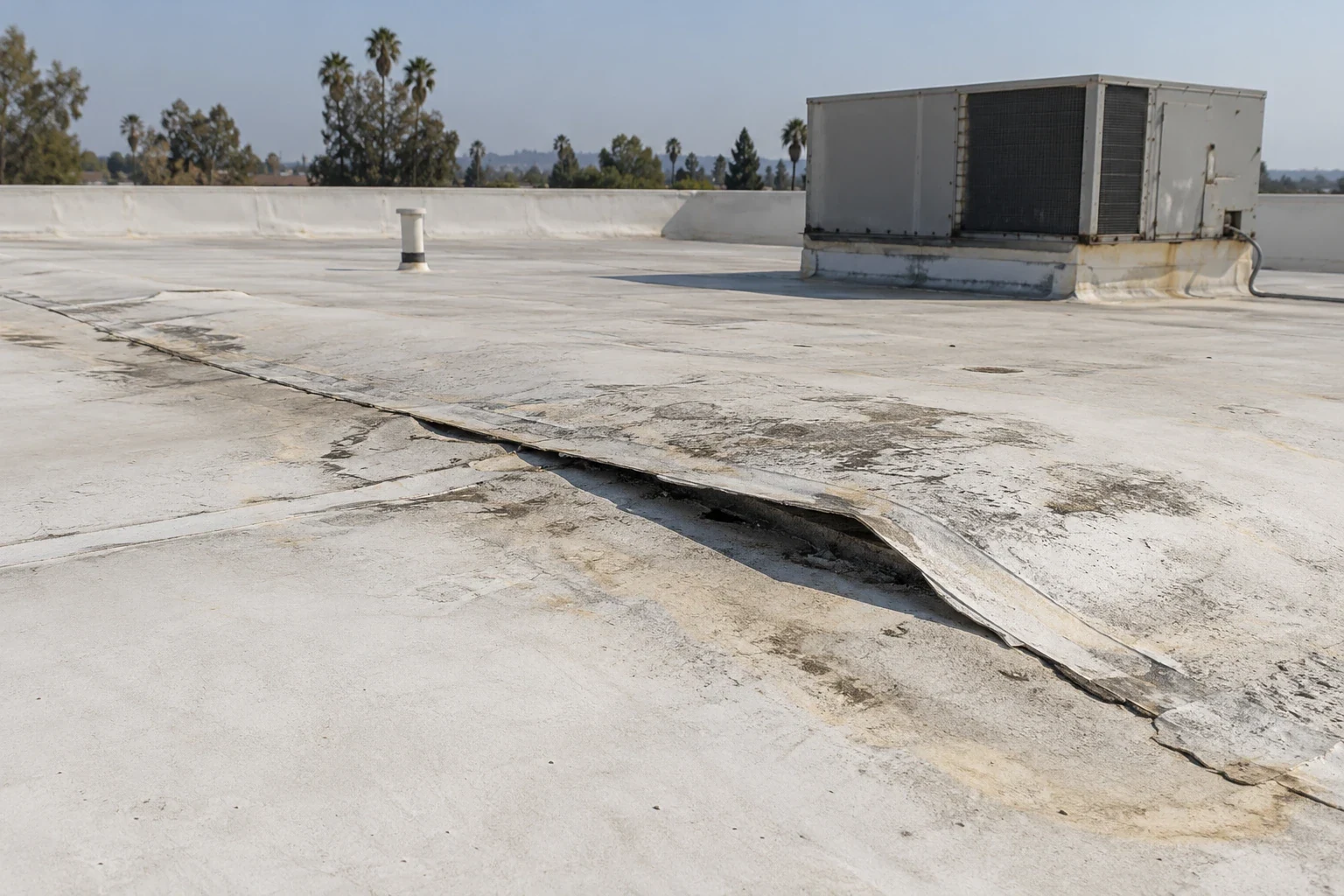
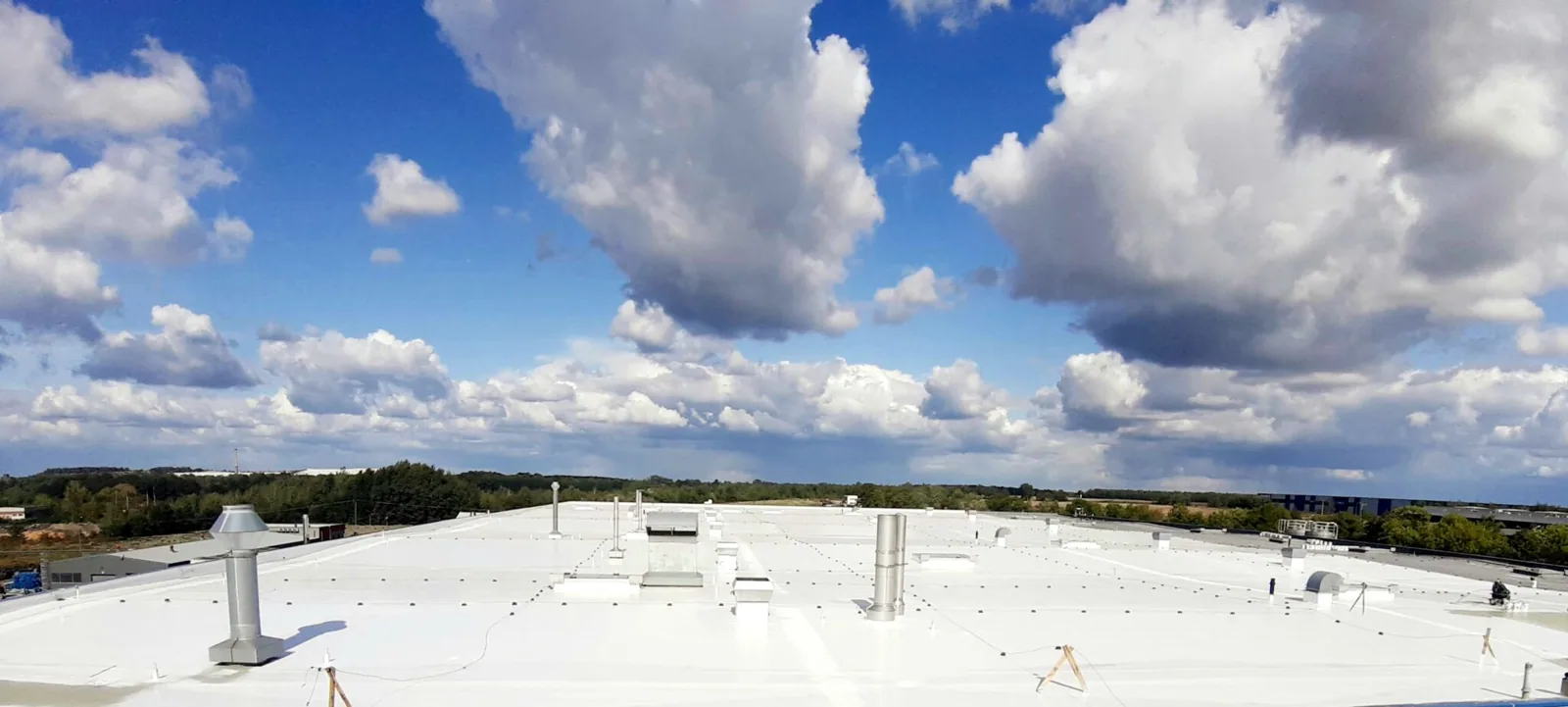
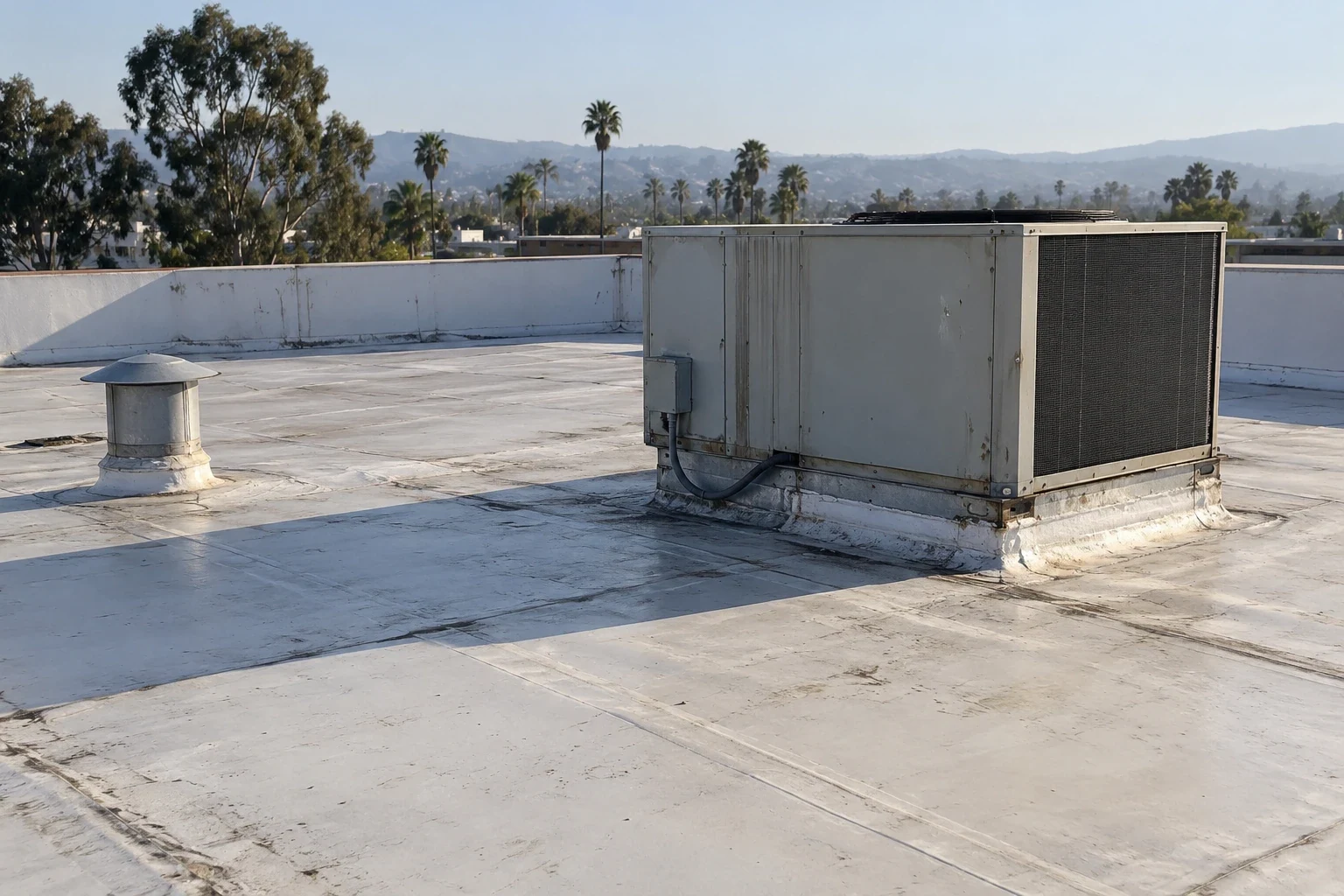
Heat and ultraviolet exposure can change the surface, but chalking, fading or a color shift does not by itself prove a leak or require replacement. We inspect for cracking, exposed reinforcement, shrinkage, seam movement, loss of coating continuity and weak transitions. The report identifies the material where it can be confirmed and labels unknown layers for further review. We also compare the affected area with roof sections that remain intact. That map helps the facility director decide whether to protect a specific detail now or request moisture testing before setting a larger capital allowance.
At penetrations and parapets, surface aging may combine with movement or an older repair. We photograph the edge of each defect and note whether the membrane still accepts a compatible patch. The inspector checks drainage paths and equipment supports because accumulated debris, service traffic or standing water can create additional stress. If damage appears in a band or across several sections, we list those locations separately rather than describing the whole roof from one sample. The next step may be a targeted repair, a coating compatibility check or an approved test cut to confirm what lies below.
Use Climate Context to Plan the Work Window
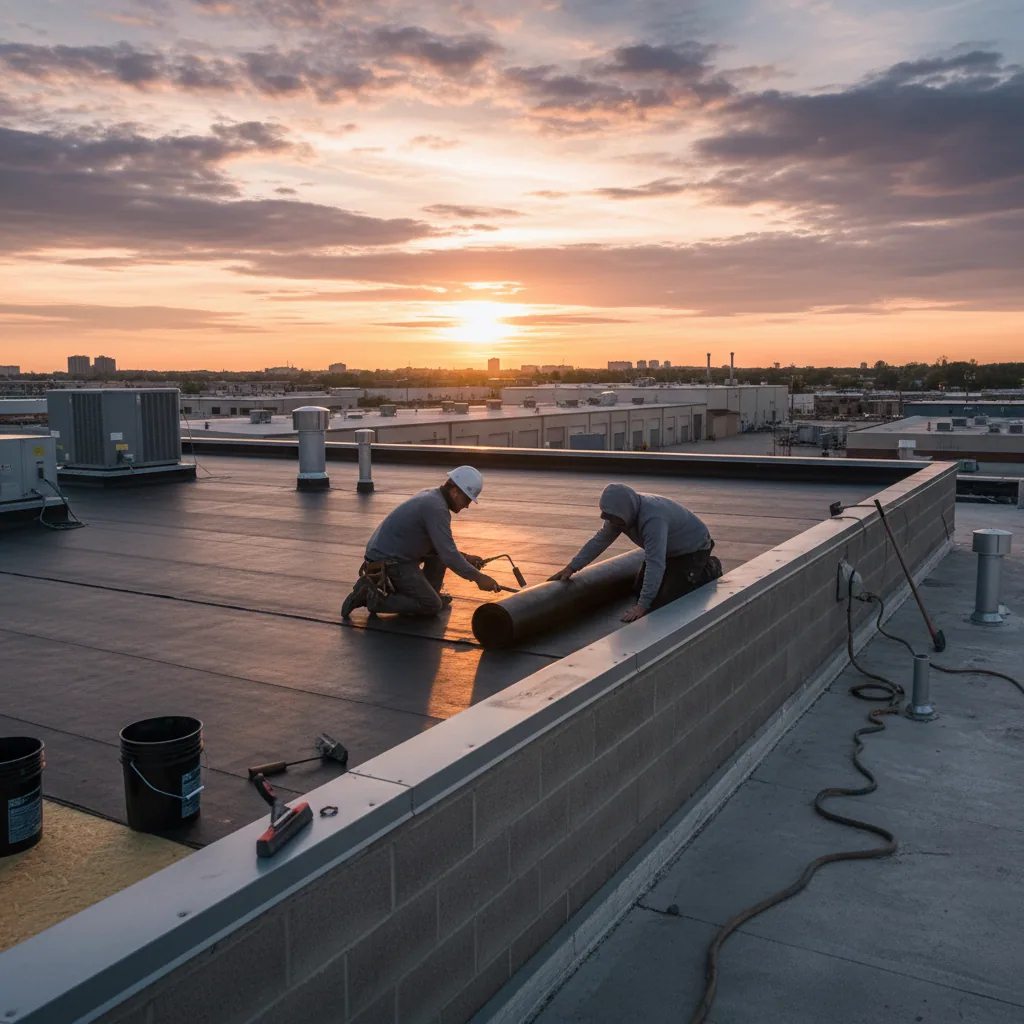
At the property, measured surface conditions, shade, wind, product instructions and the planned shift length govern the application window. Record a hold point before opening the assembly and identify the protection that keeps the section dry if the sequence changes. Heat can affect adhesive handling, coating cure and crew access, so we follow the selected product requirements and plan a secure stopping point. If the afternoon surface condition shortens the working window, the proposal should account for staging and protection at each shift boundary.
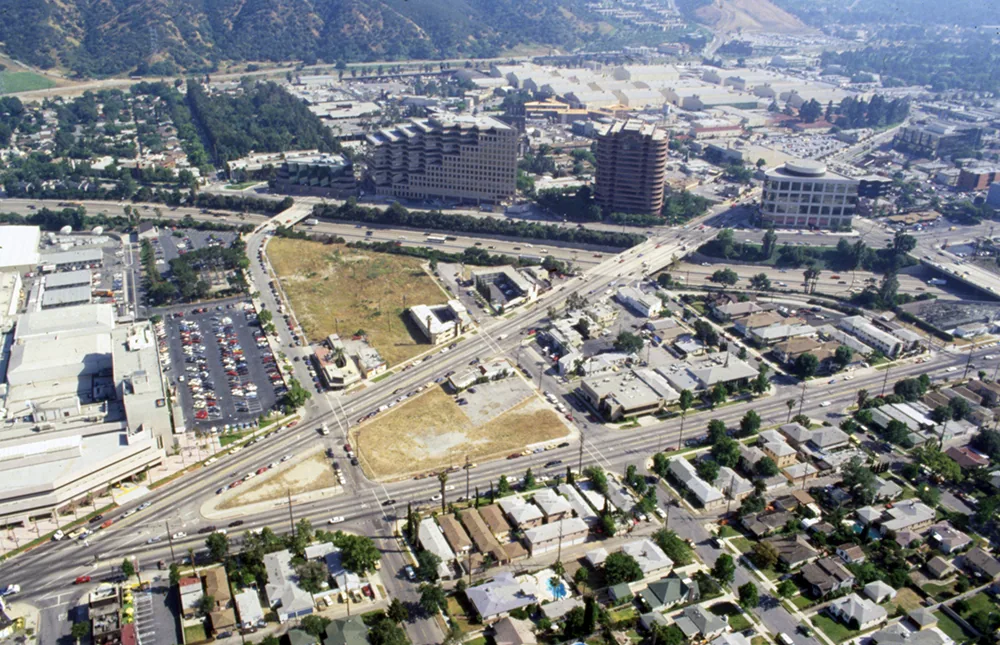
The Media District contains production studios and office, healthcare, media and entertainment employers. That mix makes operating windows relevant when roof work affects equipment or interior schedules, while local business context cannot establish a particular roof’s age or condition. We coordinate access with the building contact and note any sound, staging or security restriction that changes the sequence. A Media District roof review can use that broad area context while keeping observations tied to the address and roof section actually inspected.
Before a coating or patch reaches the roof, identify the approved product, the preparation method, and the surfaces that must stay dry. If those conditions cannot be maintained through the planned shift, stage another task and keep the opening protected until the crew can resume.
Compare the Repair Limit With the Capital Choice
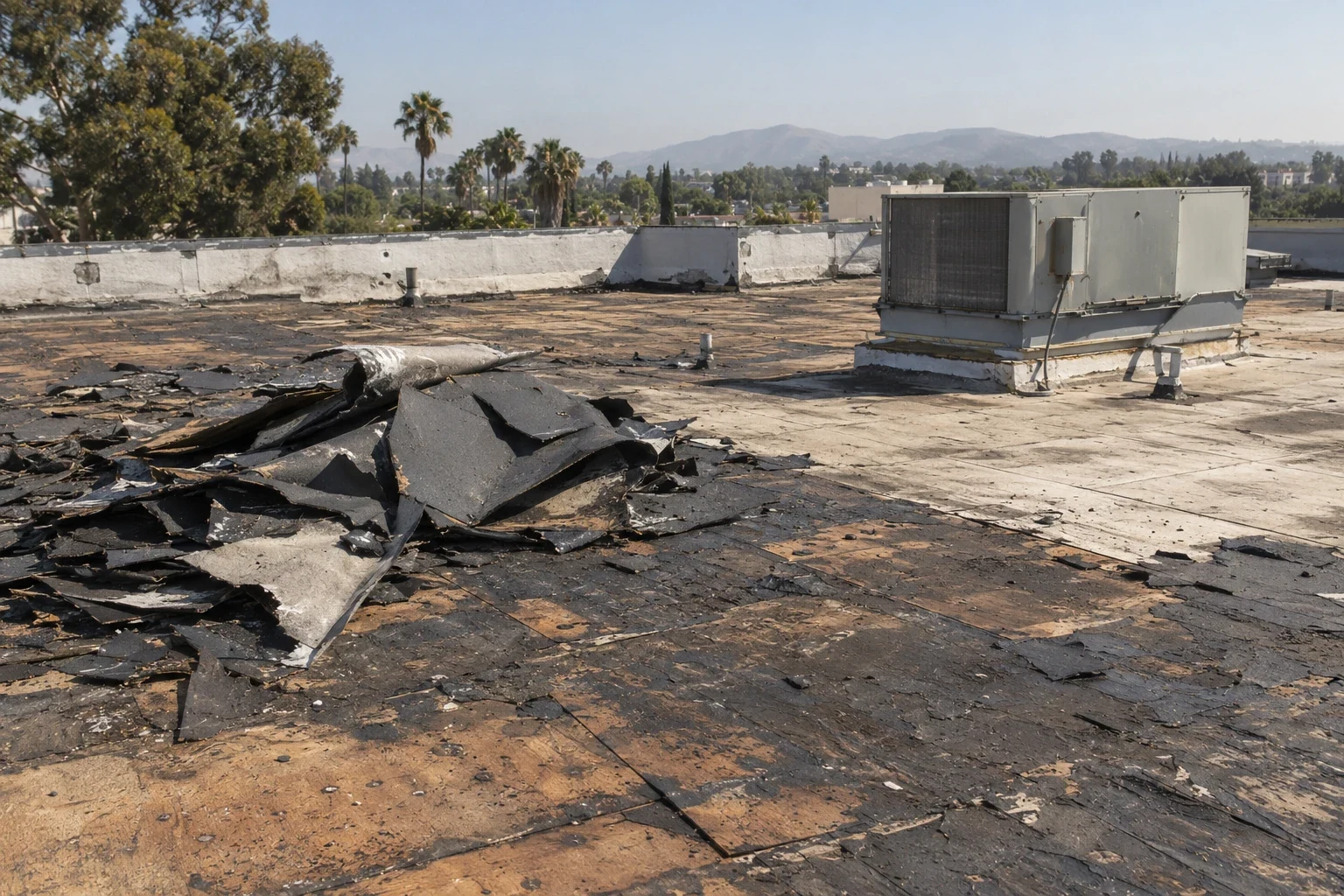
A local repair is reasonable when the membrane around the damaged area remains sound and the tie-in can be made to compatible material. If surface cracking or seam separation appears repeatedly, the owner may need a broader condition map before funding isolated patches. Where the perimeter also lifts, a wind-damage roof review can define that separate repair limit. We document the repair limit, confirmed wet material and any area not tested. A seam review can determine whether openings follow one detail or recur across the roof. The estimate can show repair and replacement options separately, with removal, substrate and access assumptions visible for comparison.
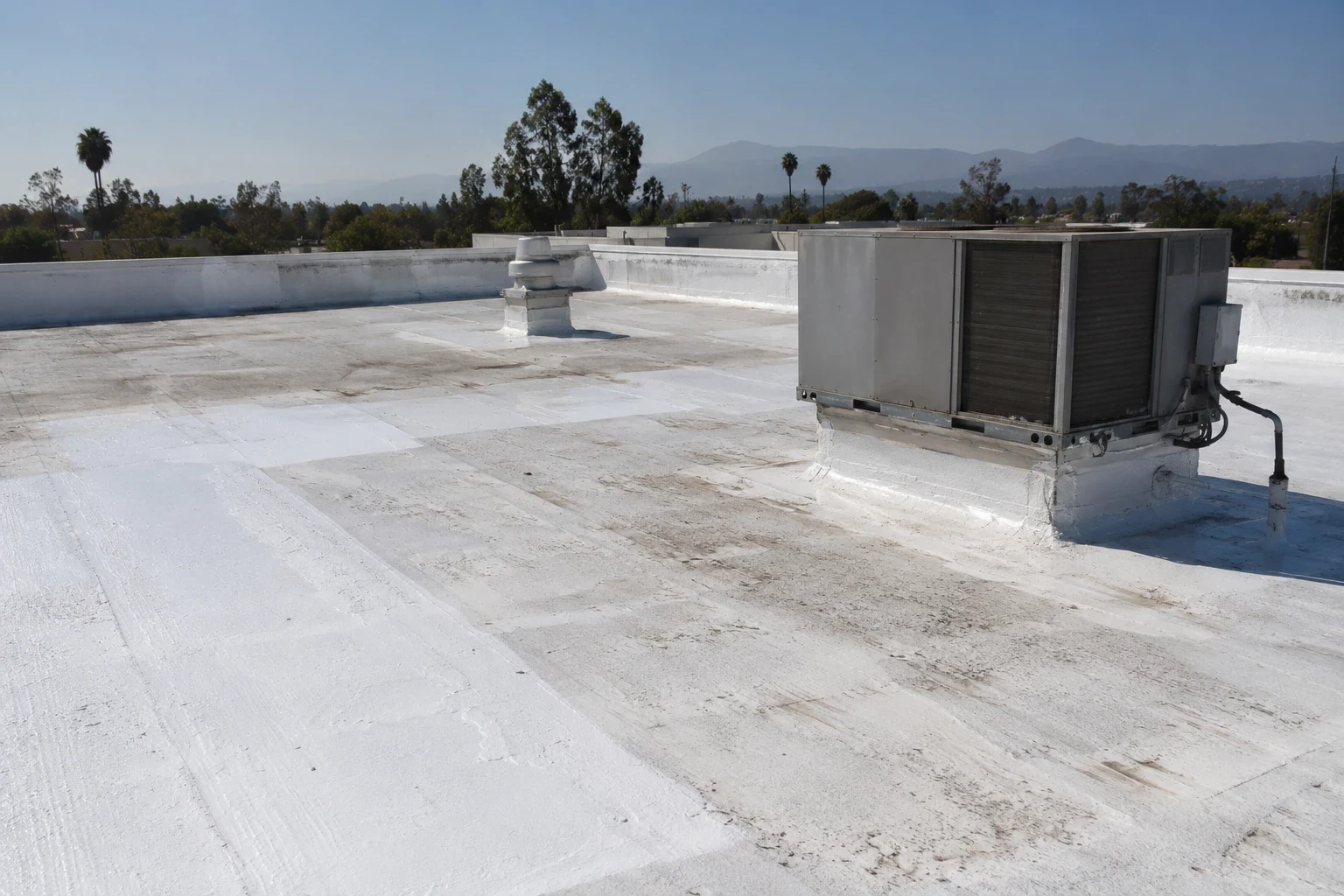
Coating or restoration may fit a roof that remains suitable for that system, but it needs a sound substrate, compatible materials and proper preparation. A coating should not be used to hide wet insulation or unresolved movement. We inspect drainage, adhesion and existing layers before including it as an option. A coating restoration assessment can identify those prerequisites, while a replacement scope can address sections where the existing assembly no longer supports the intended service life. Ownership can compare both paths against the same roof boundary and timing need.
Match the Material to the Existing Roof
Different systems respond to exposure in different ways, so the repair needs to match the existing assembly rather than a generic description of “sun damage.” We confirm whether the roof is a thermoplastic membrane, EPDM, modified bitumen, metal or coated assembly where records and inspection allow. Then we check seams, terminations, fasteners and substrate condition before choosing a detail. A repair that bonds to one membrane may not be appropriate for another. The work plan lists surface preparation and material compatibility assumptions so the owner can see what must be verified before installation.
Magnolia Park and the Airport District serve different business mixes: independent storefronts and food businesses in one area, with technology, lodging and large-format retail elsewhere. Confirm the delivery window, entry route and working hours with the contact for the actual building. We plan staging with the site contact and keep the repair record specific to the building. If an owner is considering a reflective or coated finish, we explain the surface preparation and drainage checks that support it. A cool roof installation review can be compared with repair when a broader project is already under consideration.
Track Wear Before It Changes the Scope
A useful record includes the inspection date, roof section, material identification, photographs, repair boundaries and areas that were inaccessible. We note whether a condition is active, under observation or awaiting testing, then assign a follow-up trigger that the property team can recognize. A condition report can preserve those findings for a budget review. If the same crack or seam opening returns, compare it with the prior photo before selecting another patch. The record should show whether the surface changed, whether water entered and what maintenance was completed.
Downtown Burbank contains more than 600 shops, restaurants and businesses within a mixed-use district. A roof above an active storefront or office may need work scheduled around deliveries and tenant hours, but those details come from the property contact. We set the inspection window and confirm where work can be staged. For a repair decision, share the roof plan, previous coating or membrane records, leak dates, access limits and capital deadline. We will map the observed heat or UV-related condition and show what evidence supports local work, additional investigation or a renewal comparison.
Commercial Roofing Questions
Does a faded membrane need replacement?
Color change alone is not a replacement criterion. We inspect surface integrity, seams, flashing, moisture evidence and repair history before defining a local repair or broader comparison.
Can a roof coating correct heat-related wear?
A coating can be considered when the existing assembly is dry, compatible and adequately prepared. We verify those conditions and describe any testing or repair required before coating.
How do summer temperatures affect scheduling?
We check actual surface and weather conditions, then follow the selected materials’ installation limits. The work sequence includes a safe stop point and protection if the full repair cannot be completed in one window.
What if several seams show surface cracking?
We map each opening and compare the affected sections, then determine whether local repairs or a broader condition review should be priced. Any untested area remains identified in the report.
What roof records help with a heat-damage review?
Provide system documents, prior coating or repair history, roof plans, leak dates and recent photos. Those records help us distinguish known assembly details from conditions that need field verification.