Commercial Wind Damage Roof Repair in Burbank, CA

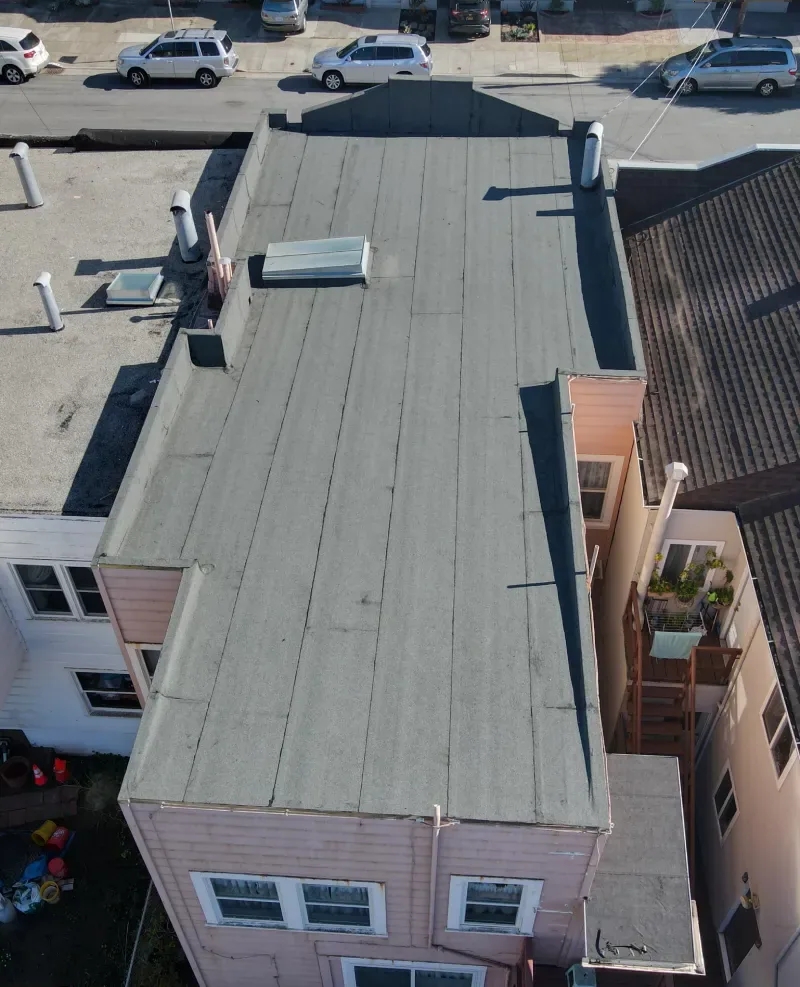
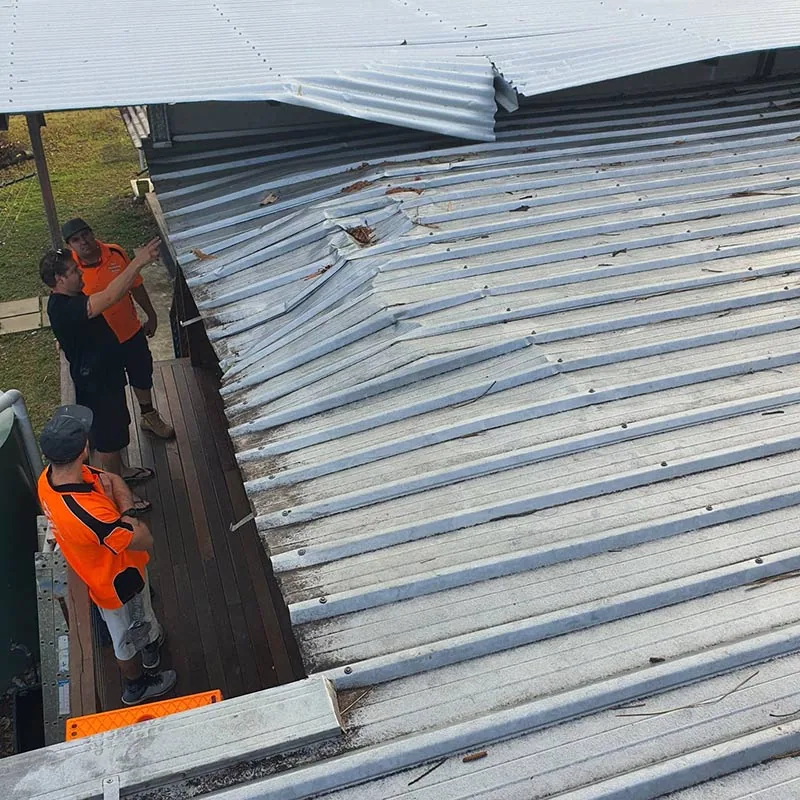
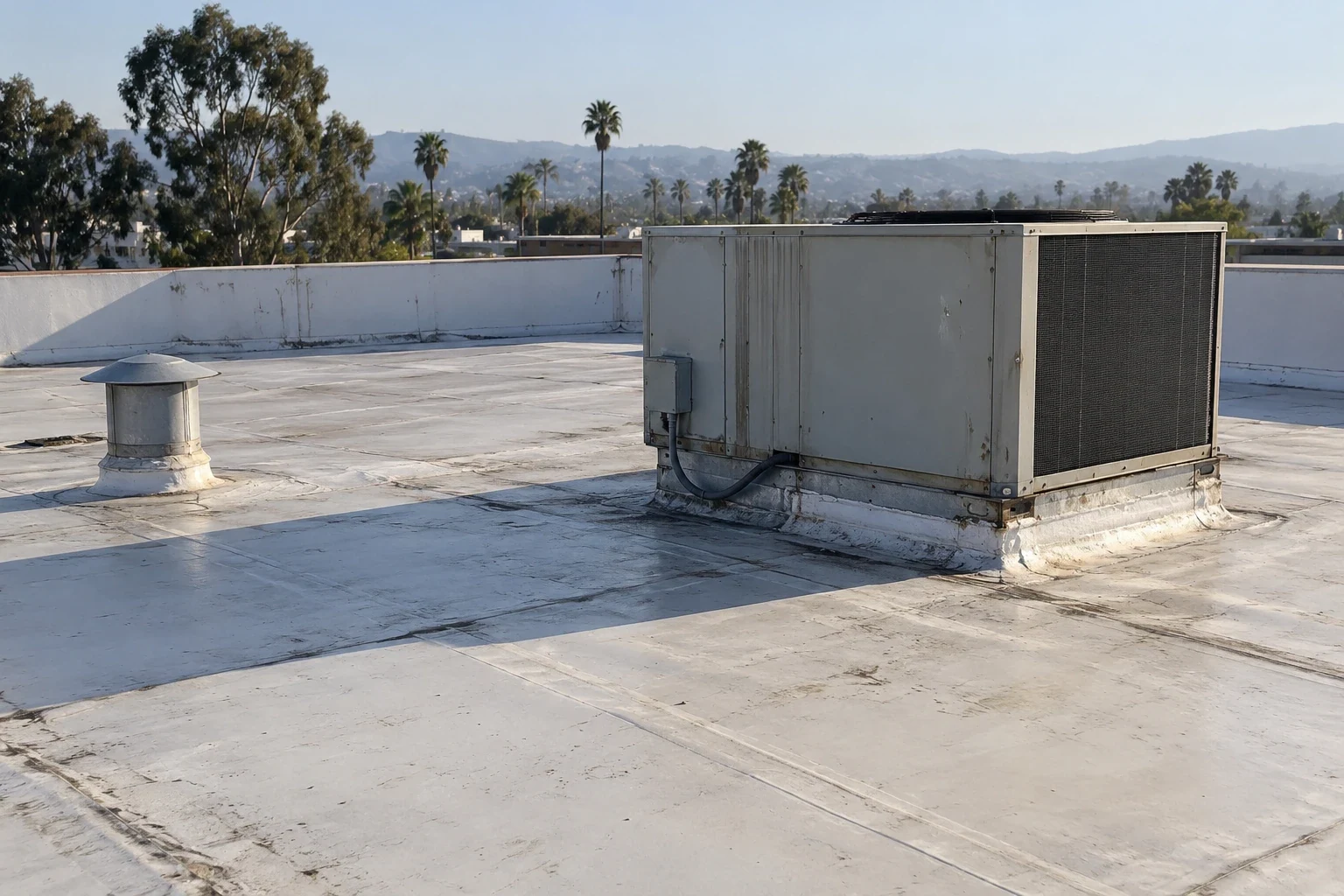
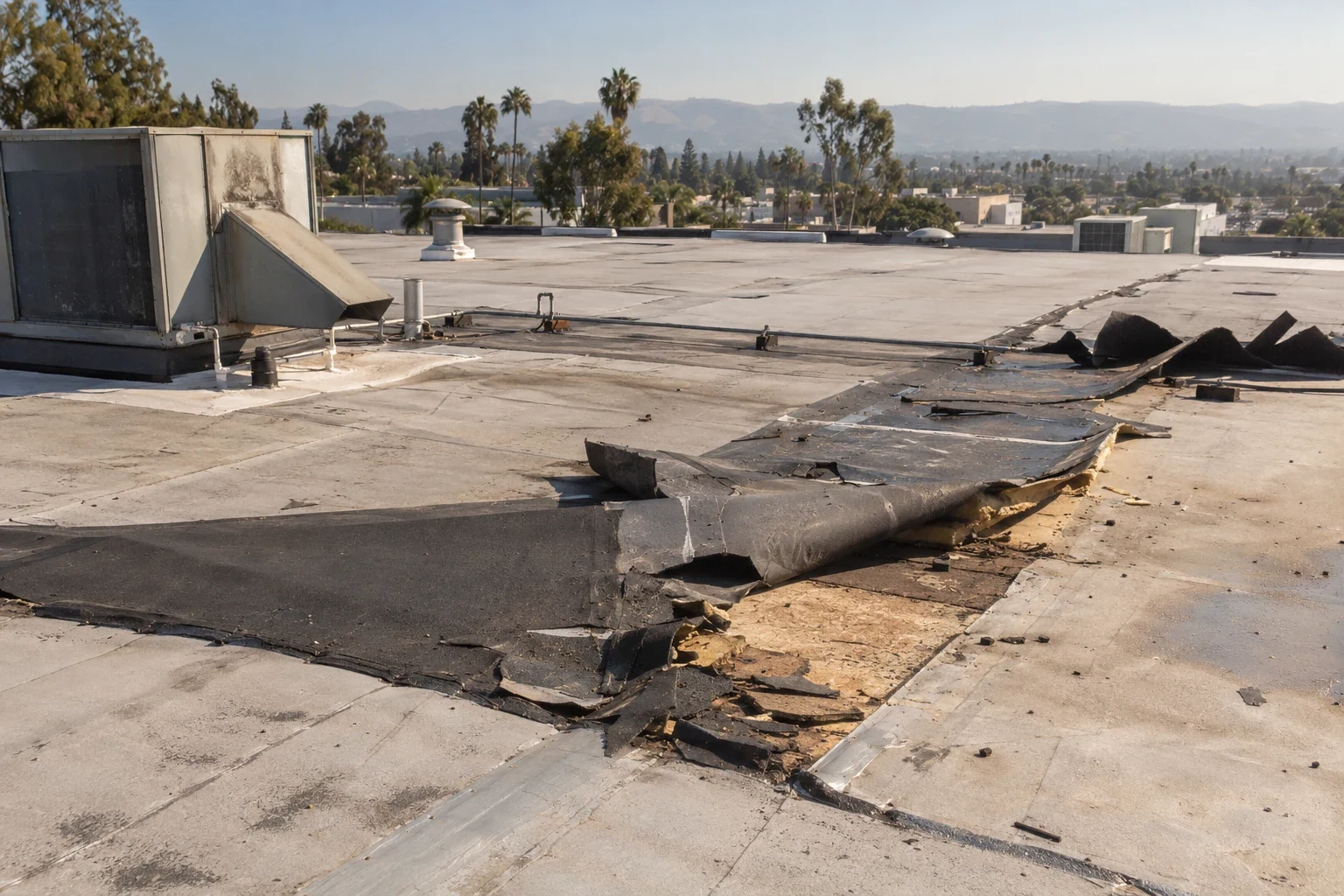
Production schedules in Burbank, CA can leave little room for an exposed roof section after wind has shifted an edge or lifted a flashing. The first decision is how much membrane remains secure and what must be protected before the next work window. We map the affected section, compare its perimeter with adjoining seams and curbs, and mark loose material that could admit water or move further. Wind damage can be localized, but the repair boundary depends on surrounding attachment and the condition below the surface. A storm-damage assessment records what needs immediate protection and what can wait for permanent work.
Trace the Lift Before Setting the Repair Limit
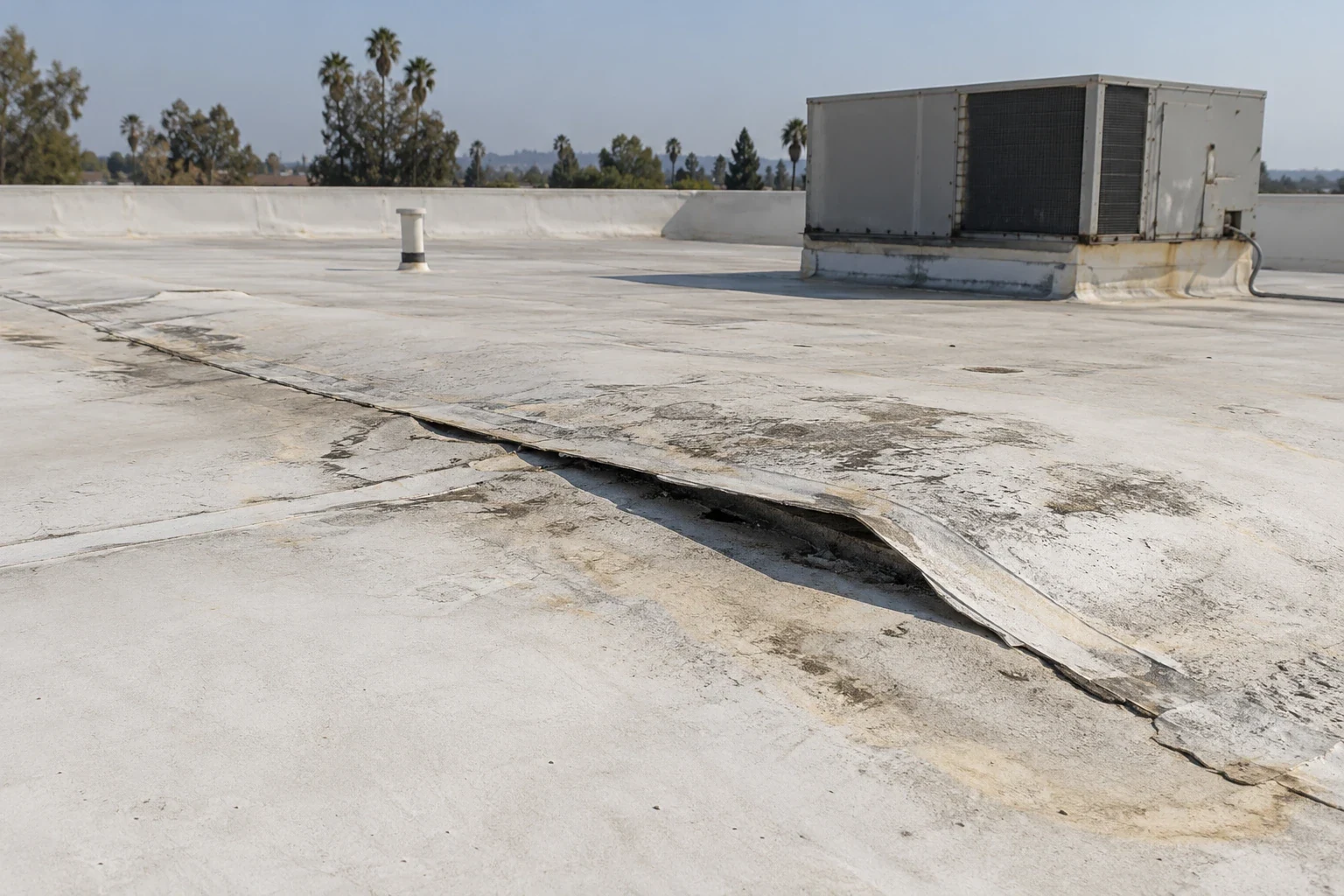
A lifted edge deserves a check along the full run, including corners, transitions, parapets and the point where the membrane turns onto the wall. We look for displaced metal, pulled fasteners, open laps, torn membrane and distortion around rooftop equipment. A wrinkle alone does not establish the extent of damage; movement at a seam or termination may continue beyond the visible area. We photograph each condition with its roof-section reference and note whether the surface is dry, wet or inaccessible. That record lets the owner compare the observed boundary with the area that needs temporary protection.
Wind can push debris against rooftop details or expose an old repair that no longer bonds to the surrounding sheet. We separate the new opening from prior patches and note whether adjacent material can accept a compatible repair. On a roof with several membrane sections, each transition gets its own observation because one edge may have a different attachment or repair history. The scope can state which section receives a patch, which detail needs replacement and where an inspection opening would require approval. Those limits keep a localized repair from expanding into an undefined replacement.
Protect the Interior While the Roof Is Open
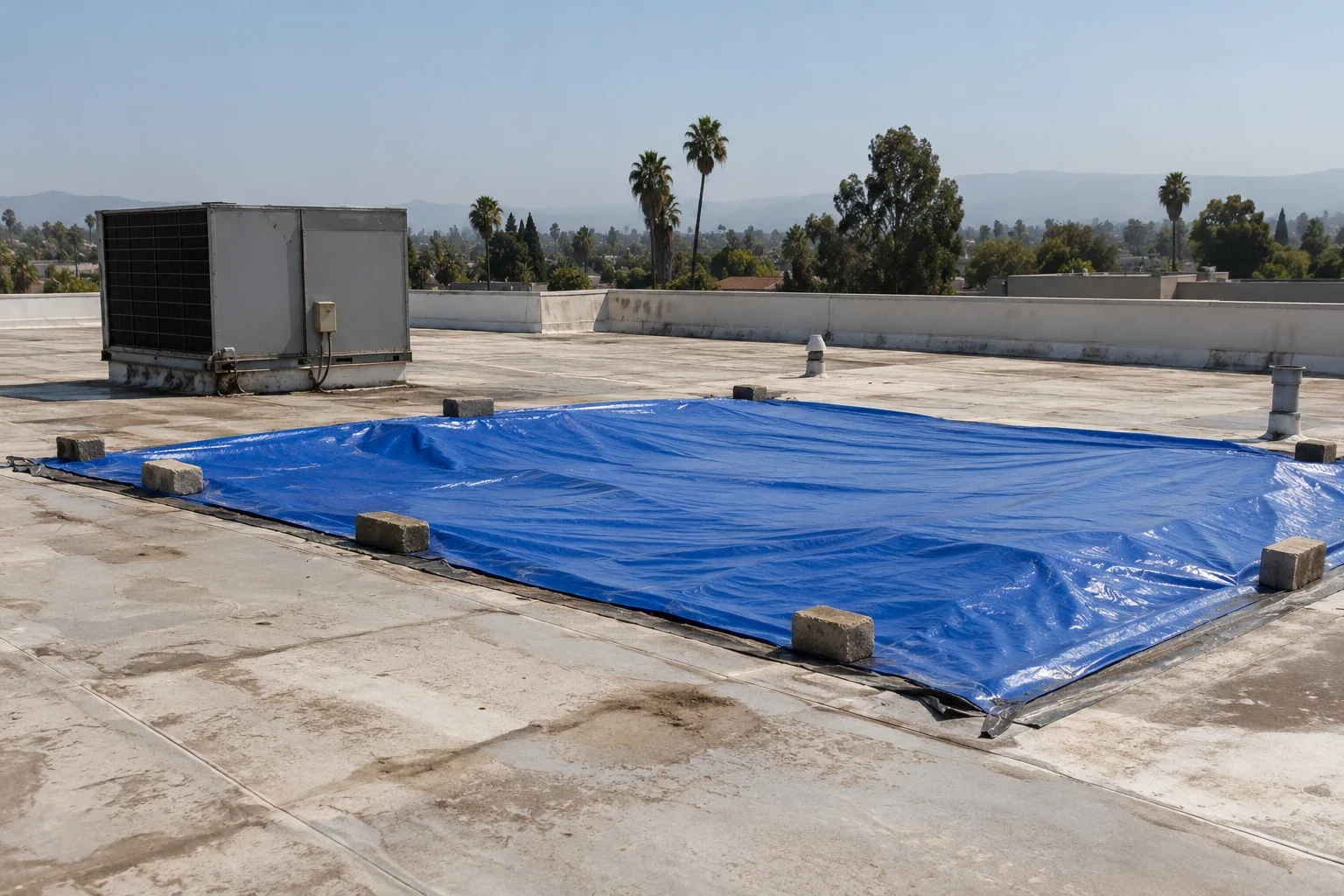
If water is entering, first protect the occupied area below and identify any electrical, production or stored-property concern that changes access. We locate the roof zone above the report, then check nearby seams, drains, curbs and wall details for a path that could connect to the interior symptom. A ceiling mark can sit away from the opening because water may travel across a deck or along a penetration. The inspection record distinguishes confirmed entry from suspected travel. We can install temporary protection when conditions permit, then document its boundary and the return visit needed for permanent work.
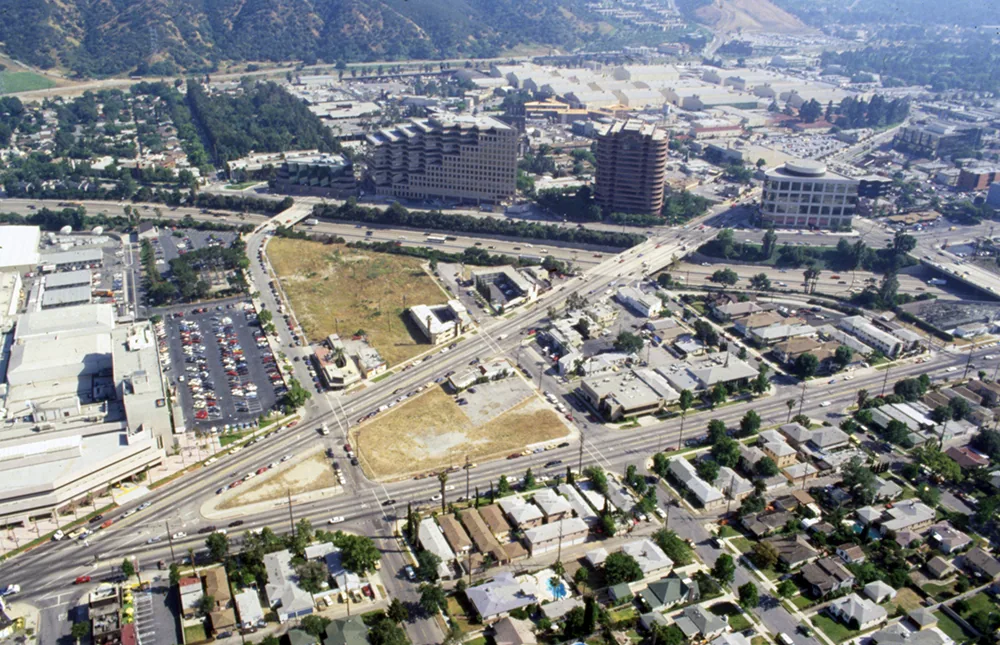
The Media District includes production studios and employers in entertainment, media, healthcare and office uses. That mix makes it useful to schedule access around actual building activity, while the district itself does not establish the assembly or failure at a particular property. We coordinate any lift, noise or secured access with the facility contact and keep the repair limit tied to photos from that roof. A round-the-clock emergency response can address urgent exposure while a full repair scope is prepared. If water remains inside after temporary cover, the owner should note the time and affected room for the next inspection.
Choose a Patch, Detail Reset or Broader Repair
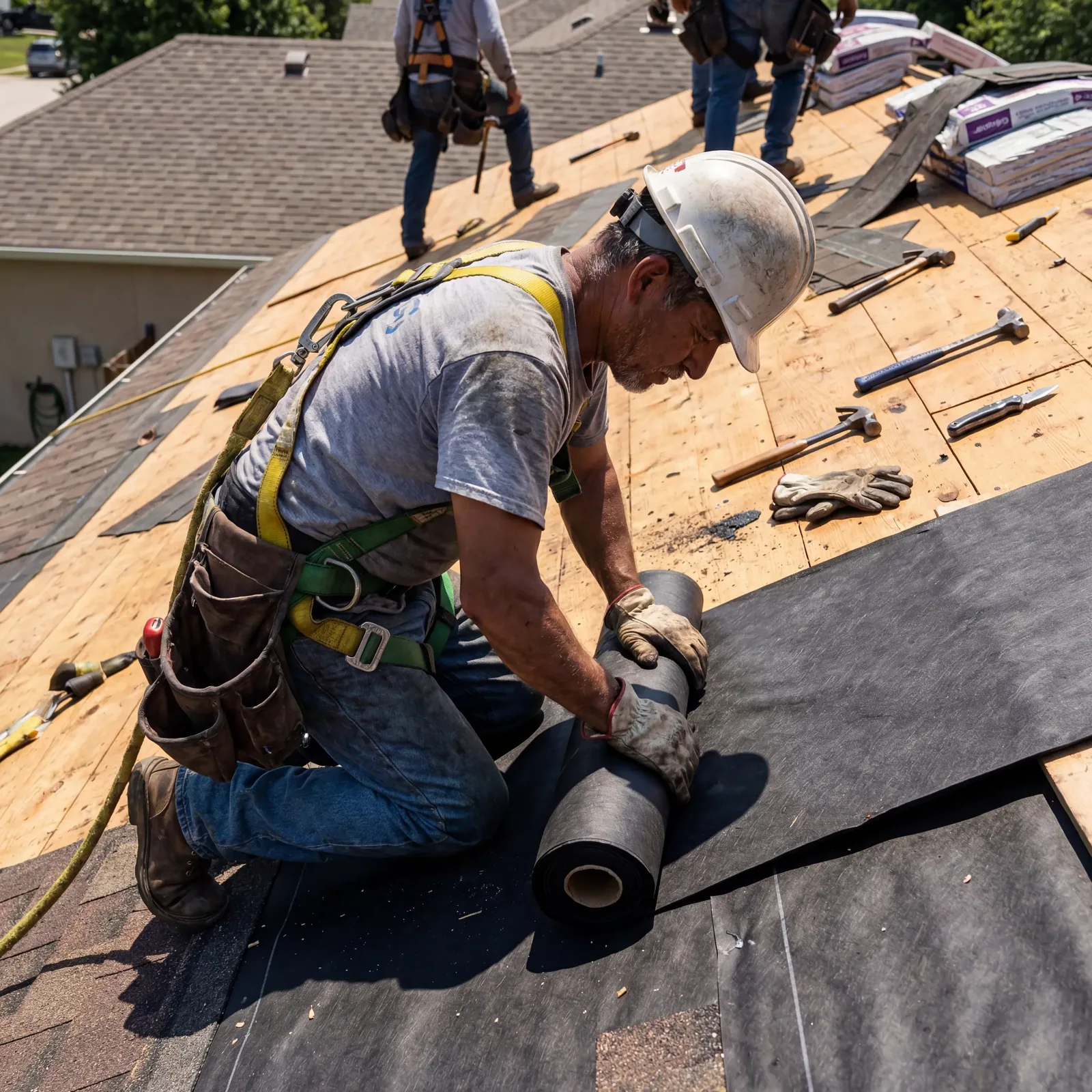
A patch fits when the surrounding membrane is sound, the opening is accessible and repair material can bond to a prepared surface. If wind has loosened a termination, replacing only the field sheet may leave the edge vulnerable. We identify whether the correction needs new flashing, securement, edge metal or a larger membrane tie-in, then show each work item separately. When wet insulation or repeated separation crosses a section, a seam-failure review can help distinguish one opening from a recurring assembly problem. The estimate states what remains in place and what would require added authorization.
For a broader repair, we set a defined cut line and show how new material will connect to the existing roof. Compatibility, attachment, substrate condition and weather protection affect the scope. A roof with mixed repairs may need a moisture check before the owner chooses a patch or larger replacement. The commercial roof repair scope can list removal, surface preparation, tie-in, temporary dry-in and closeout photographs as separate steps. That gives the facility director a way to compare the immediate correction with a capital option without treating the emergency visit as approval for work beyond its documented boundary.
Fit the Work to the Building’s Operating Window
Roof access affects how quickly a permanent repair can be completed. We confirm the route to the roof, lift placement, equipment that must remain available and any operating block that restricts noise or staging. The plan identifies the area that can be opened in one shift, how it will be secured at day’s end and who confirms the interior is protected. Downtown Burbank combines storefront, restaurant and office activity, so a project near its pedestrian-oriented streets may need a clear entrance and delivery route while work proceeds. The owner’s site contact confirms those limits; district context does not replace a property access plan.
Heat also changes the work window. Long-term Burbank climate averages show mean daily highs of 85.8 F in July and 88.3 F in August. For a repair, those figures support planning around warm-surface handling and crew timing; they do not establish conditions on a specific workday. We check actual roof conditions before applying adhesives or sealants and follow the selected product requirements. If heat or access shortens the shift, the estimate should account for staged protection and a secure stop point instead of leaving a partially completed edge exposed overnight.
Keep the Wind Finding in the Roof Record
The closeout should show the affected section, repair materials, tie-in, photographs and any remaining concern. We note whether the work was temporary or permanent and identify a condition that would trigger another inspection. If a storm insurer or property owner needs claim documentation, dates, photographs and a clear separation between observed damage and inferred damage help the file remain usable. A claim documentation review can organize those records without deciding coverage. For a building with prior repairs, retain the earlier roof plan and compare each new opening against the old boundary.
A repair record can inform maintenance. The next visit can check the repaired perimeter, adjacent seams and nearby equipment details after the owner has allowed the roof to return to service. If movement recurs across several locations, a surface-condition review may help determine whether aging or exposure contributes alongside wind. We can provide a photo-based condition report with section labels and unresolved access points. Schedule the review with the leak location, storm timing, roof plan, prior repair notes and operating restrictions ready, so the decision record connects the building impact to the work boundary.
Commercial Roofing Questions
What should the facility team protect before a wind repair is scheduled?
Start with the occupied area below the reported opening, then identify equipment, inventory or production activity that could be affected by water. We can document temporary cover and the roof section it protects while the permanent repair is scoped.
How do you know whether an edge can be patched?
The surrounding membrane, termination, securement and substrate determine the repair limit. We inspect beyond the visible lift and state whether the edge can accept a local tie-in or needs a broader correction.
Can the roof work fit around a production or tenant schedule?
The facility contact can set access, noise and staging limits before we sequence the repair. We identify the section that can be completed in that operating window and how it will be protected at the stop point.
What belongs in a wind-damage closeout file?
Keep dated roof and interior photos, the affected section, materials installed, temporary-protection status and any open follow-up. For an insurance file, keep those observations separate from a coverage decision.
When does one loose area point to a broader roof decision?
Repeated movement, wet insulation or failures at several transitions can change the repair boundary. We document those conditions and price a separate investigation or renewal option when the evidence supports it.