Industries We Serve in Burbank, CA
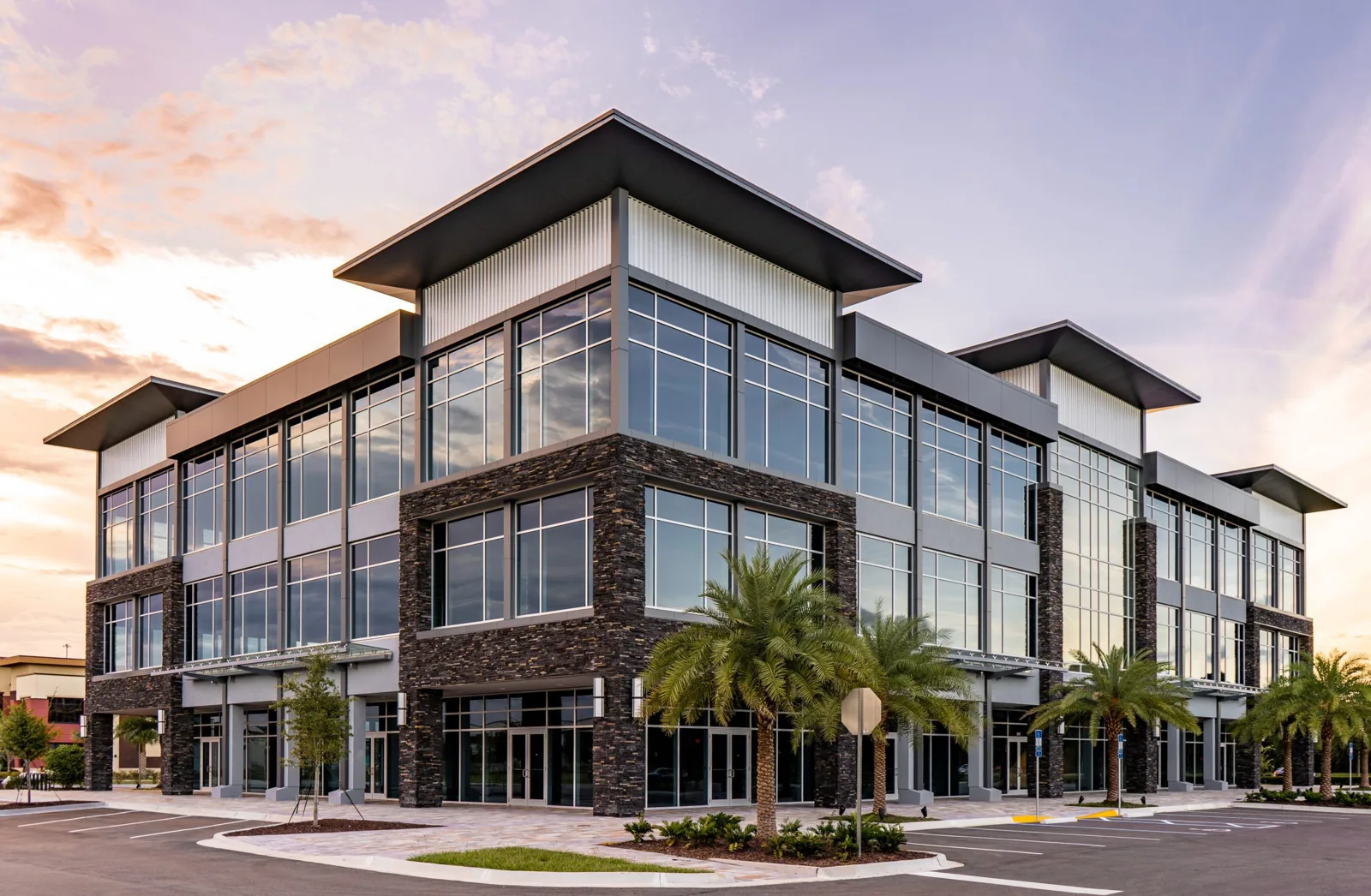
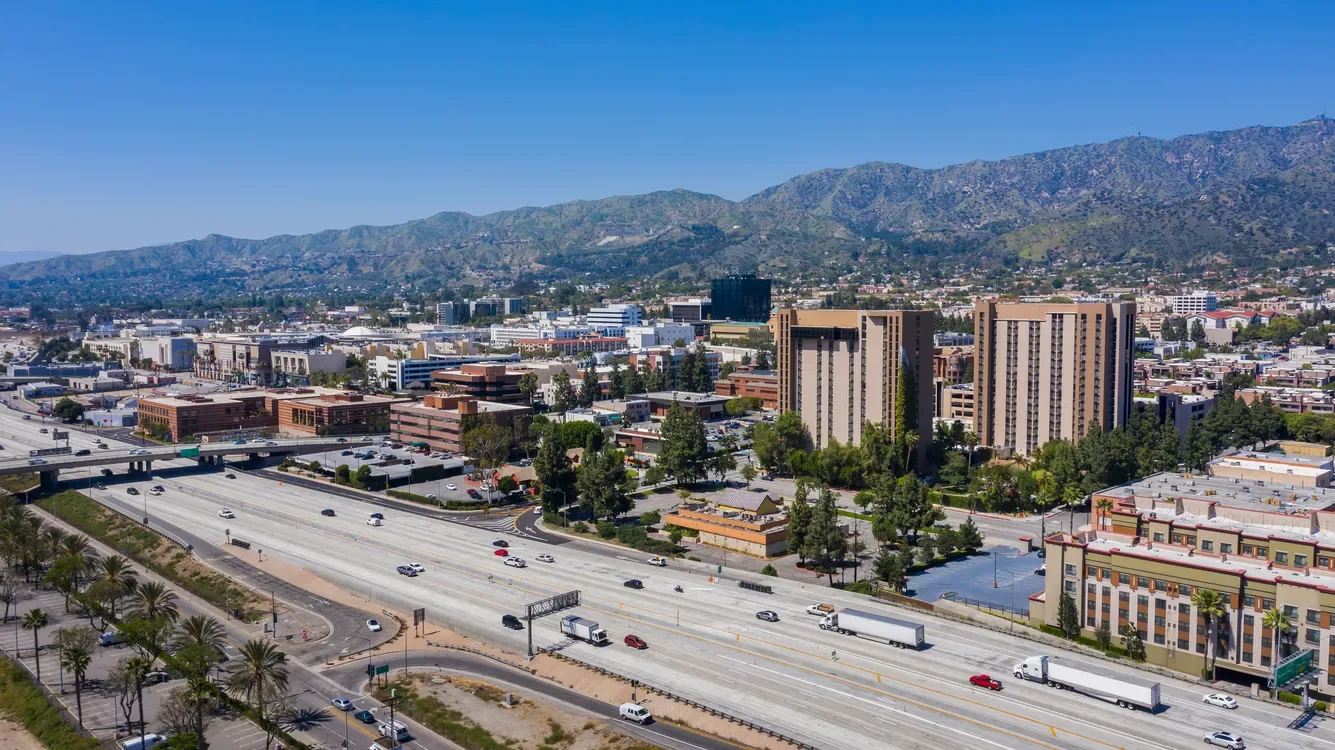
Roof work has to fit the operating calendar that keeps the property useful. A studio, portfolio owner and retail chain may share a roof assembly, but they make decisions through different teams and records. Burbank's Media District brings together production studios and entertainment, healthcare, office and media employers. The Airport District adds technology, hospitality and retail activity. We use that mix to ask the right coordination questions, then confirm the property's access rules and roof condition directly.
More About Our Industries We Serve
Make Each Roof Section Legible to the Owner
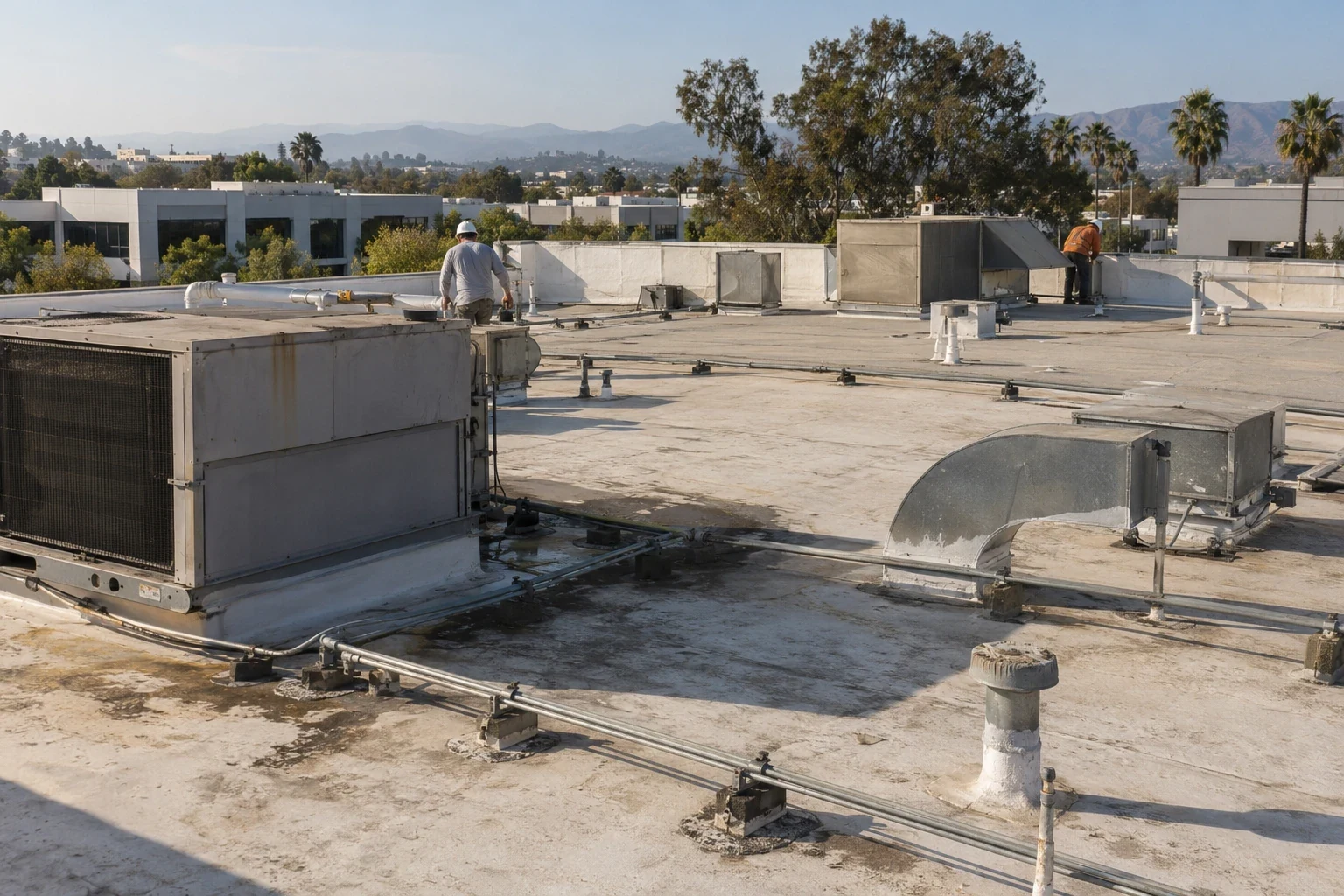
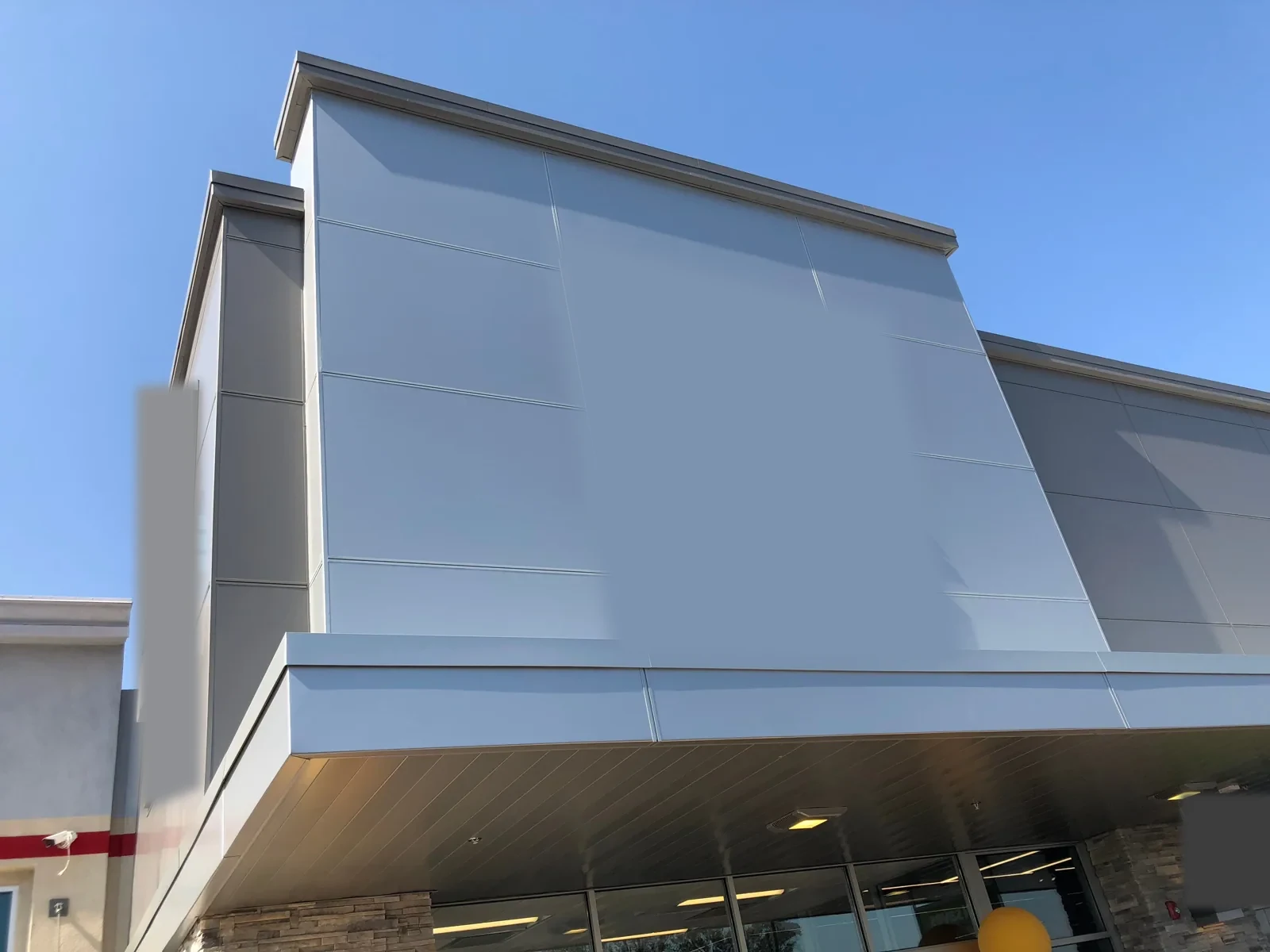
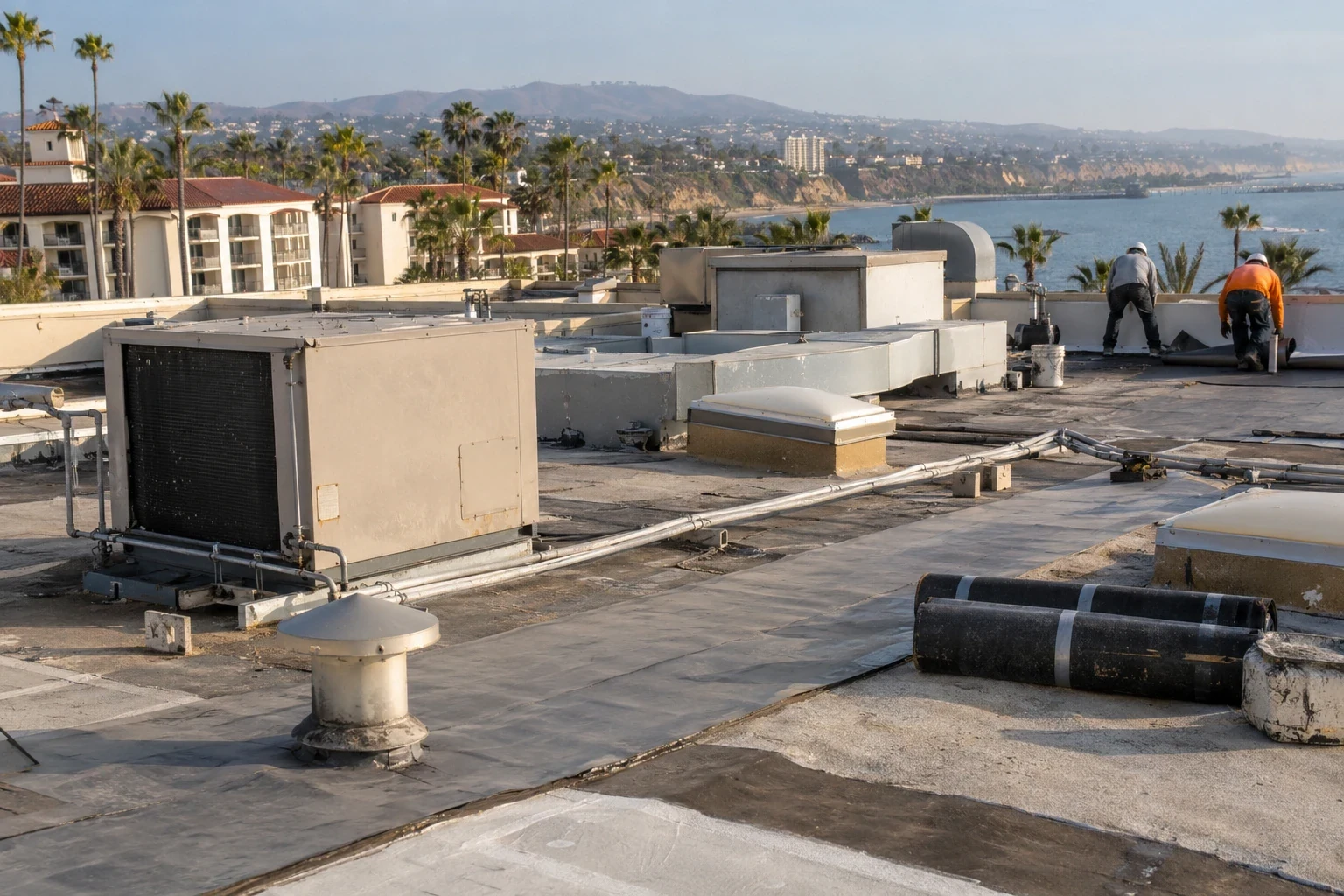
For property managers and real-estate investment teams, the useful record connects the reported leak, roof area, repair limit and next capital choice. We can document conditions by building or section, distinguish immediate work from longer-term renewal and note evidence that still needs verification. A roof asset management program can keep inspection records and open items organized across a portfolio. The decision remains tied to each roof rather than an average condition assigned across multiple properties.
Respect Production and Clinical Schedules
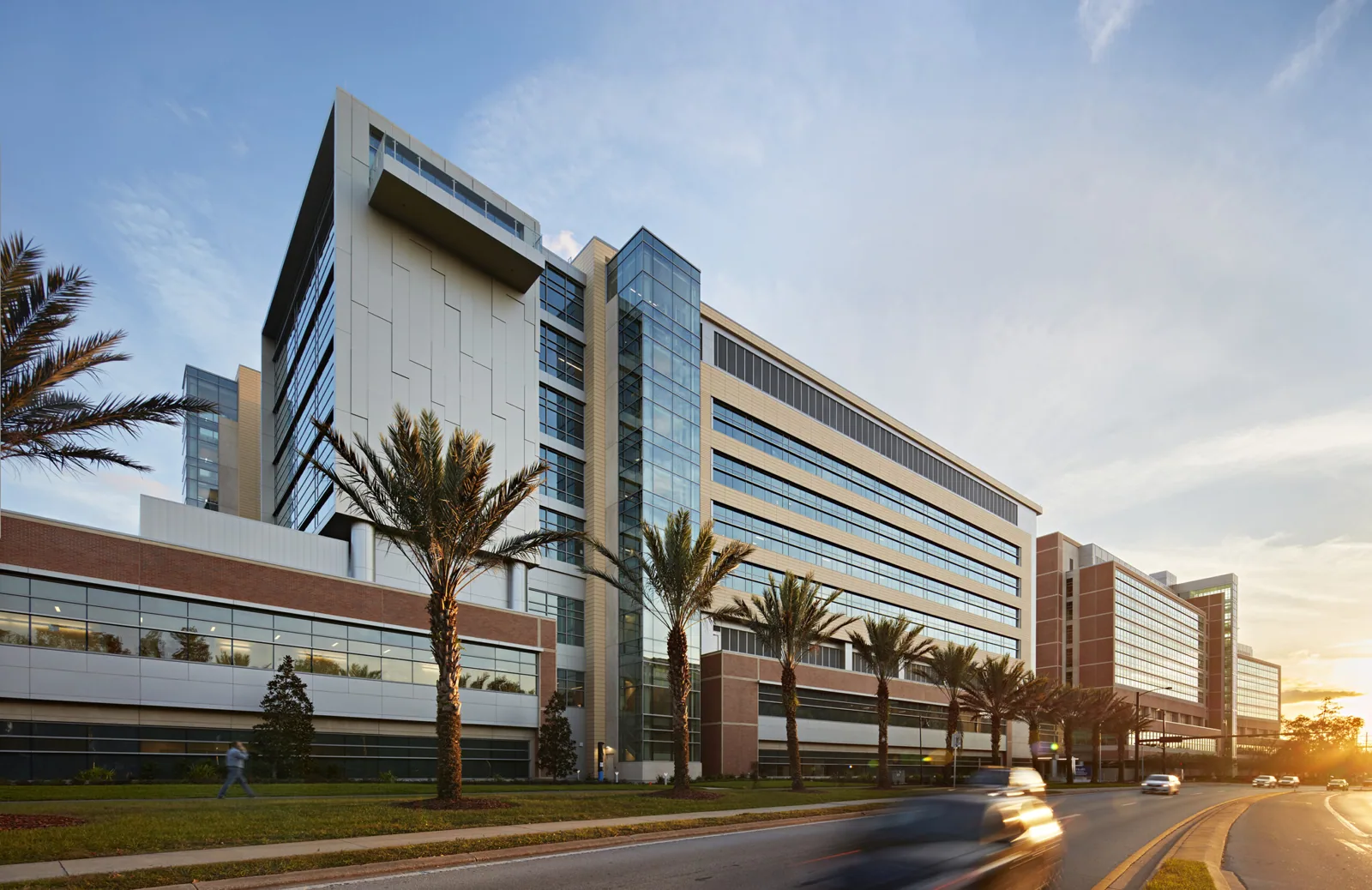
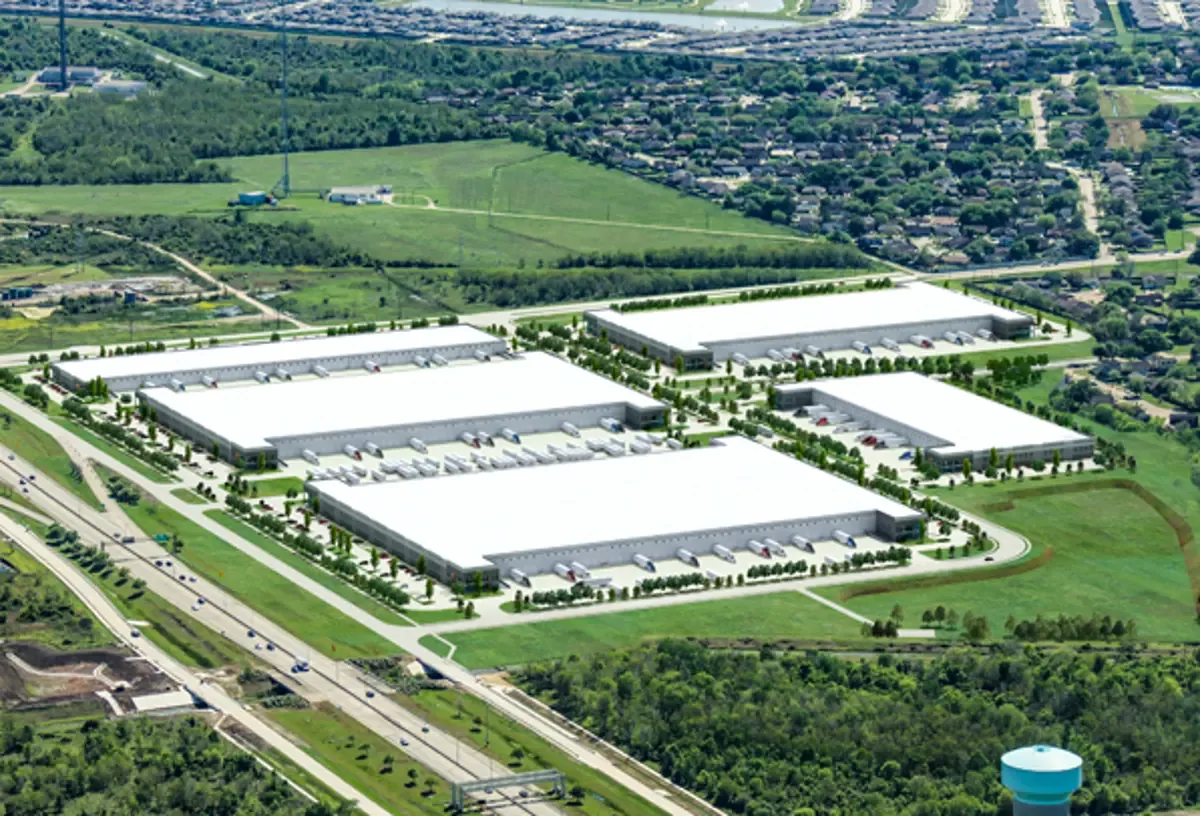
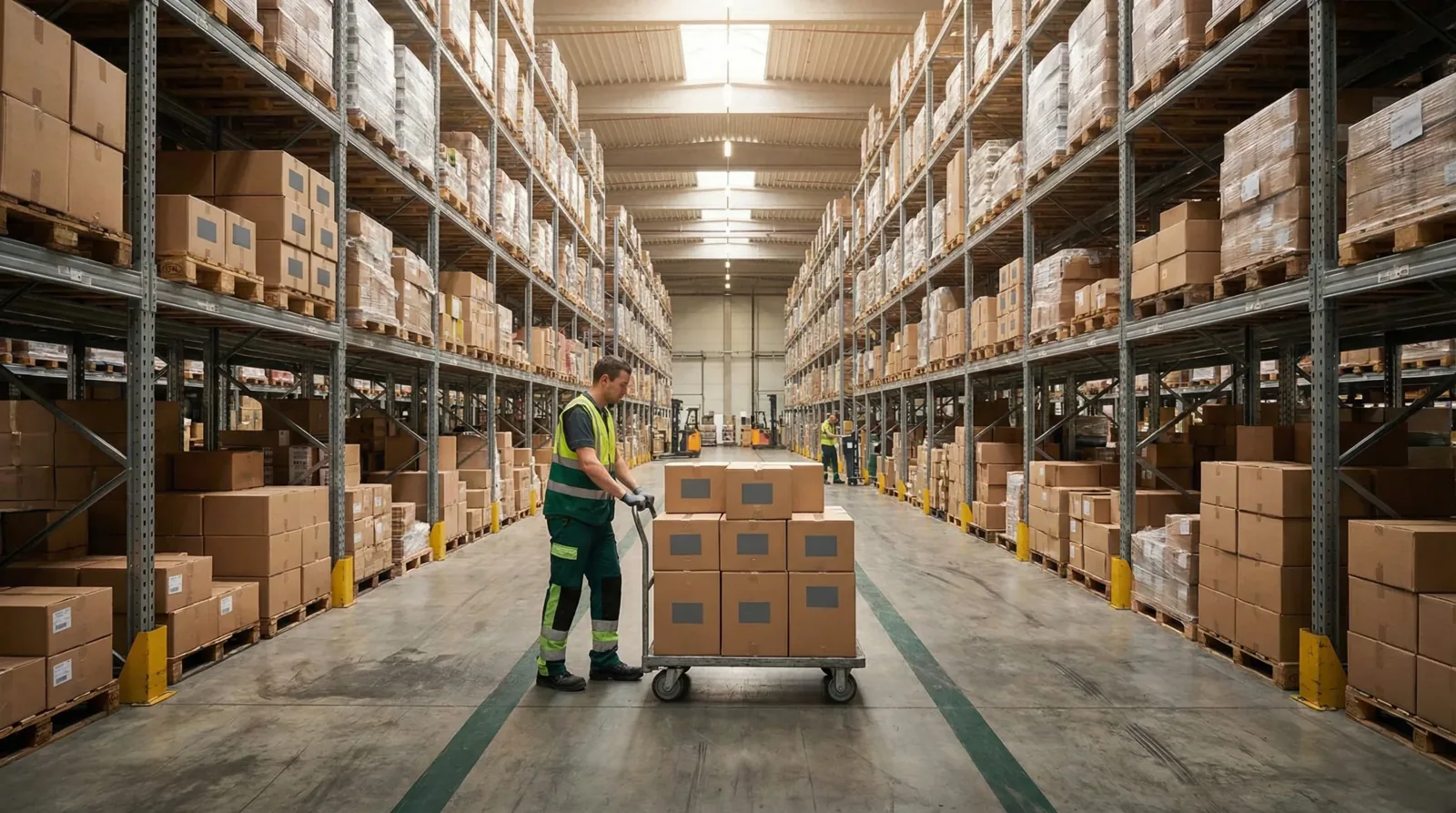
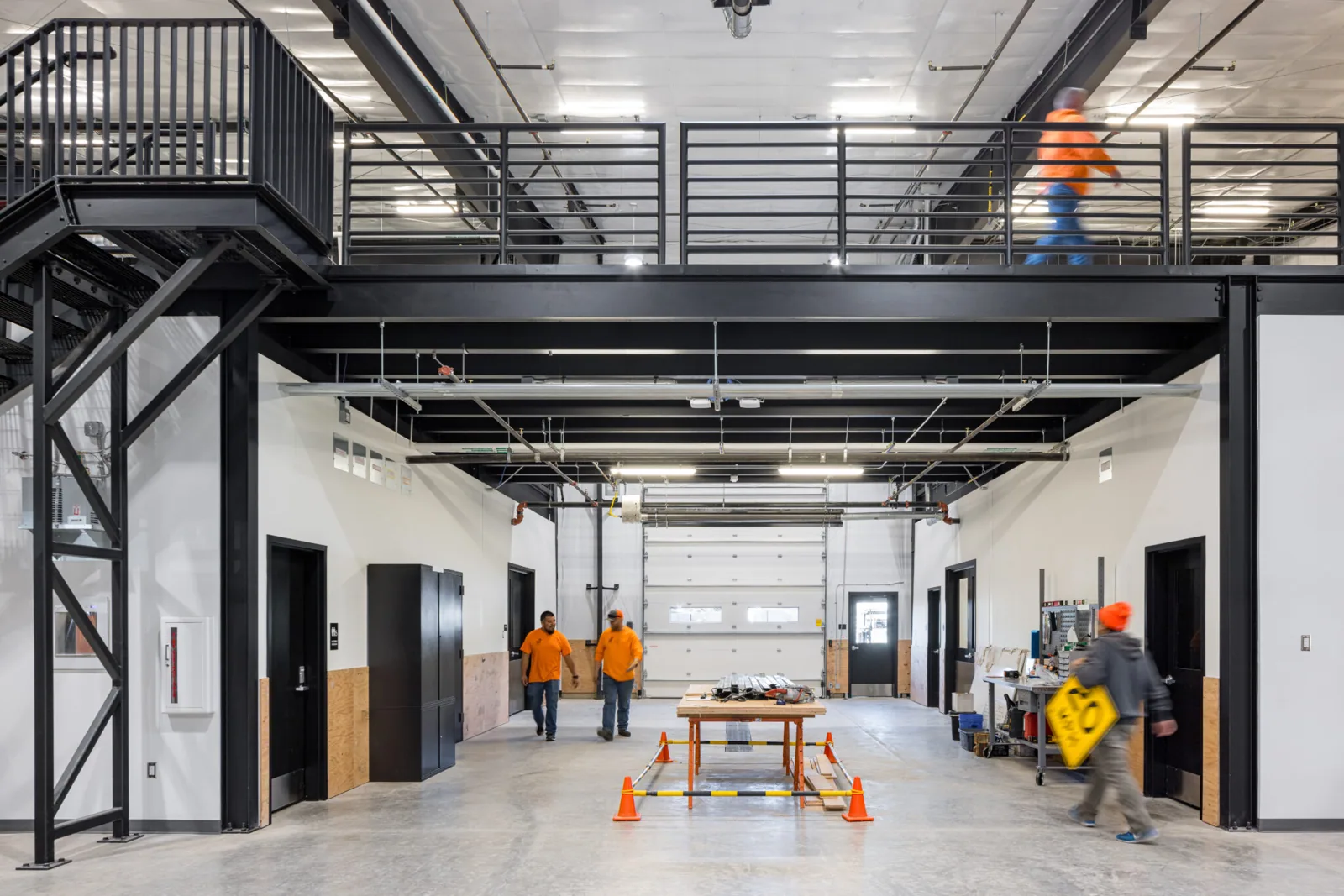
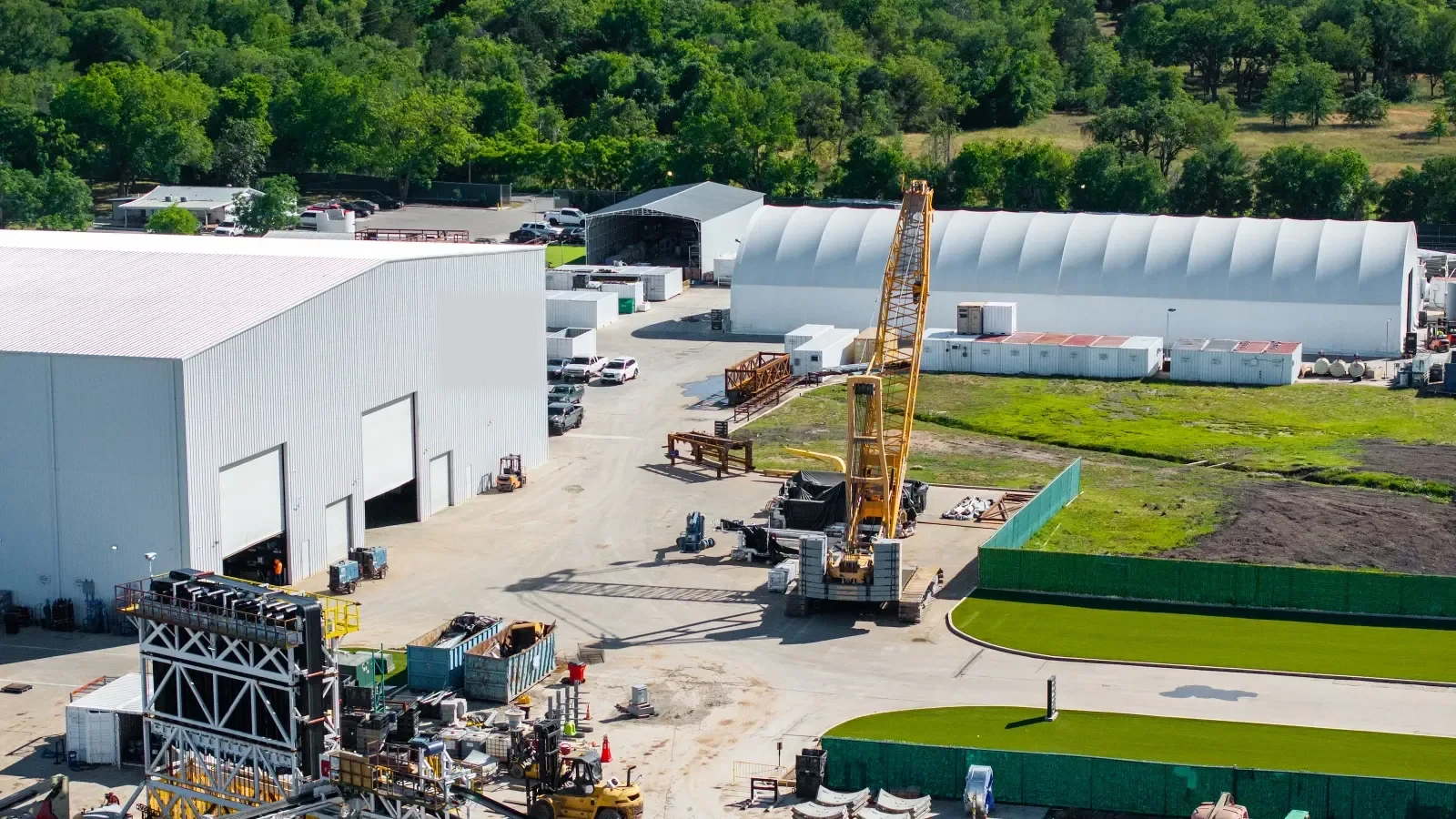
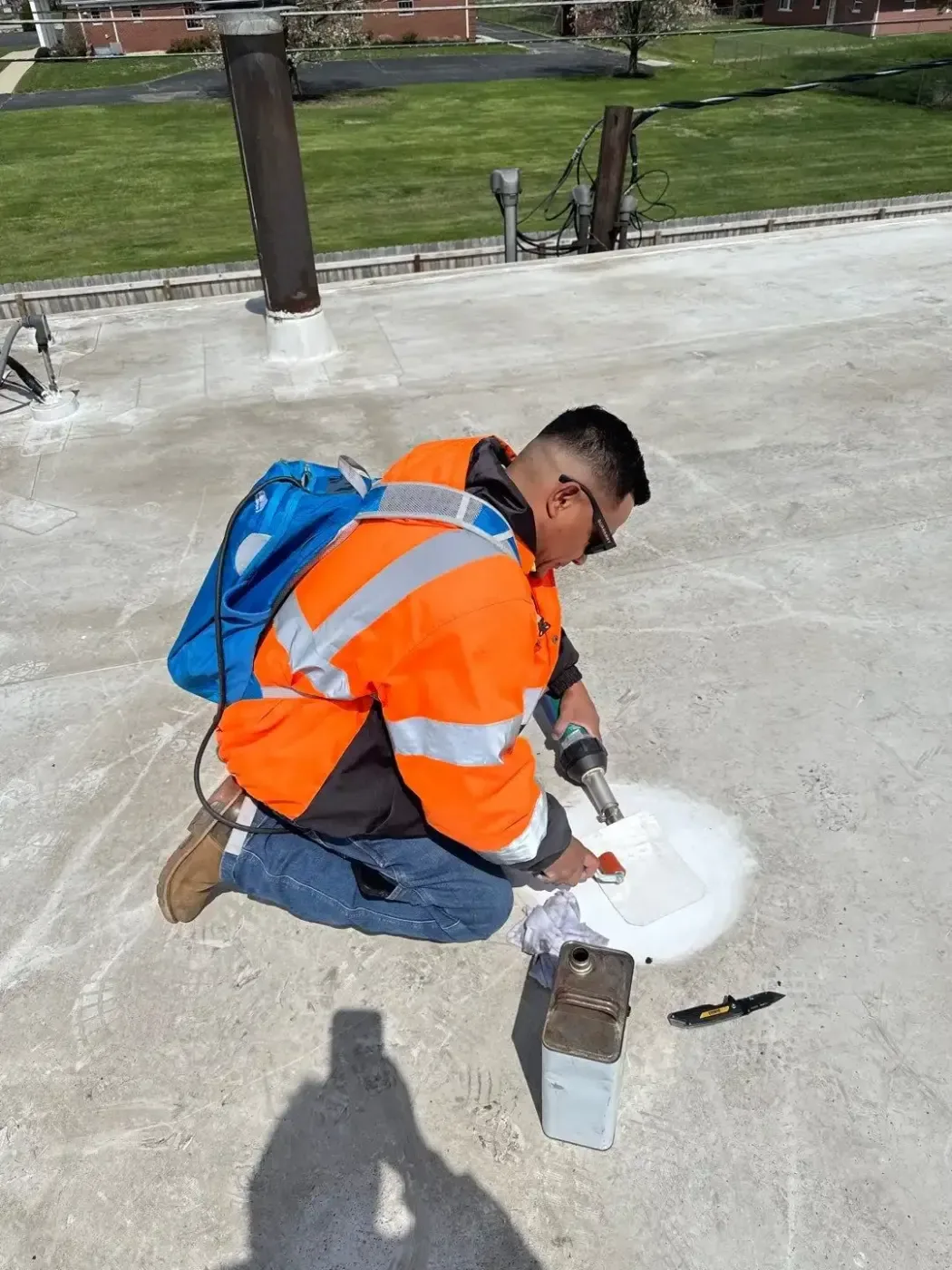
Production teams need an access and noise sequence that fits active work. A manufacturer may need production areas and loading routes protected; a healthcare system may need more precise boundaries around occupied rooms and equipment. We confirm who can release a roof section, where materials can stage and which interior spaces require protection before setting a start window. Photos and notes then show the condition addressed and the limits of any concealed area.
Give Procurement a Scope They Can Compare
A general contractor may need a defined roofing package coordinated with adjacent trades. restoration teams need inspection findings that distinguish observed damage from the proposed repair. For retail and restaurant chains, repeatable records can help compare priorities while retaining site-specific access and assembly conditions. Our scope identifies the roof sections, work method, protection steps and closeout material, so the approving team can see what is included before authorizing mobilization.
Connect the Work Plan to Burbank Operations
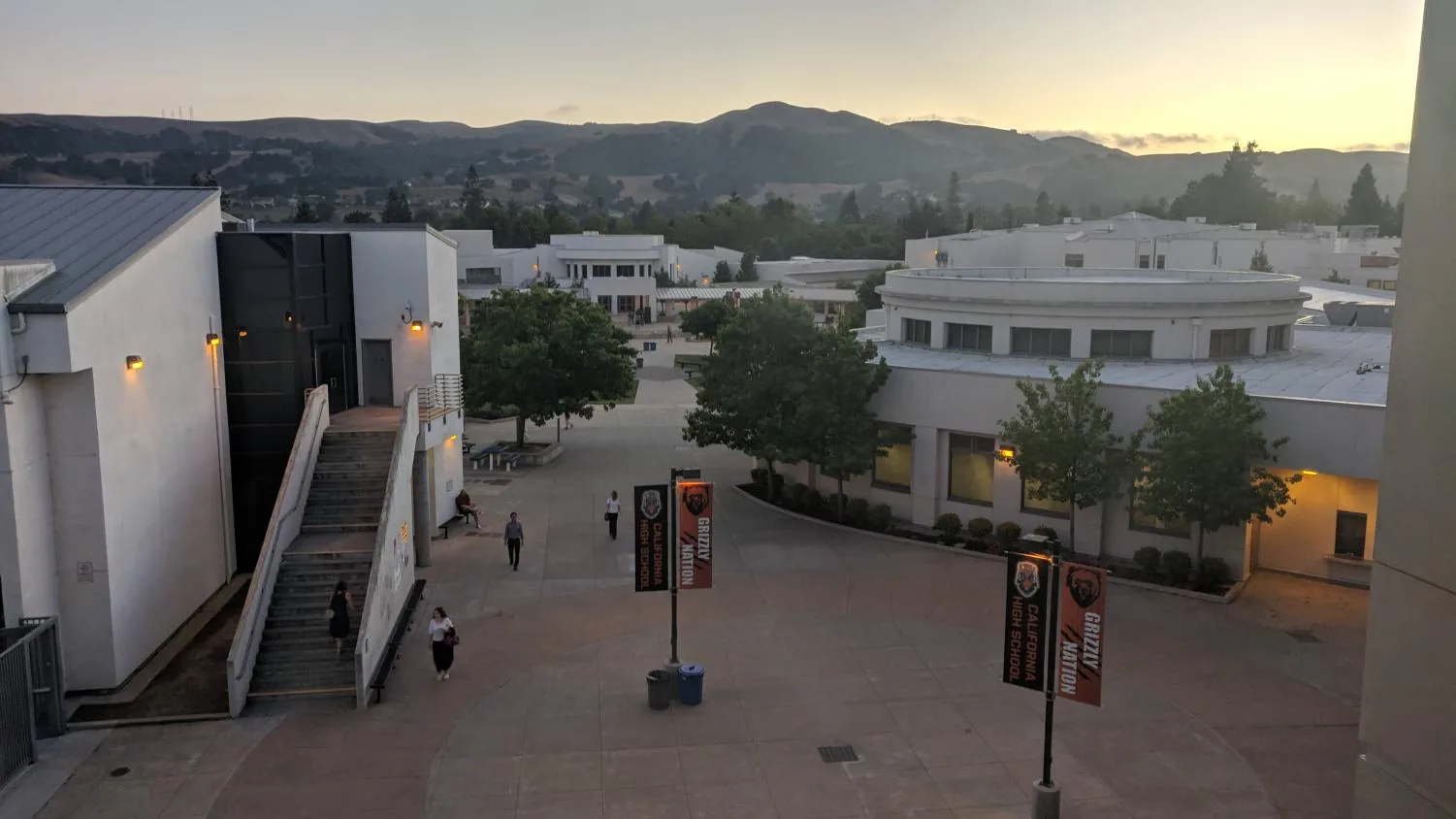
Downtown Burbank includes pedestrian-oriented streets and outdoor dining, while Magnolia Park storefronts serve independent retail and dining. A roof schedule near active storefronts may need delivery timing, protected entries and coordination with individual tenants. The city context informs that discussion without presuming a specific business's hours or layout. We verify those details with the facility contact and place any restrictions directly in the scope. For multi-location operators, a multi-site roof program can give each building a common record structure while preserving local findings.
Commercial Roofing Questions
Can one scope cover several locations?
A portfolio scope can use common records and decision fields, while each roof keeps its own observed conditions, access limits and repair boundary.
What changes for a production building?
We confirm the operating blocks, noise restrictions, loading routes and rooms below the repair. Those details shape staging and phasing before a start window is proposed.
How can procurement compare proposals?
Compare the roof sections, repair method, temporary protection, exclusions and closeout records. A clear scope lets the team see whether bids address the same work.
What belongs in a portfolio roof record?
Keep inspection findings, dated photos, open repairs, completed work and the next review date together for each property. Separate records prevent one site's condition from being assigned to another.