Commercial Roofing for Insurance Restoration in Burbank, CA

After roof damage, an owner may need a temporary dry-in, a documented repair boundary and a record that distinguishes observation from cause. Burbank’s locally amended 2025 standards began on January 1, 2026; qualifying earlier filings remain under the 2022 edition. Check debris diversion separately for nonresidential alterations. Those rules can affect project planning; they do not determine whether an insurance claim is covered. We photograph the roof conditions, map affected sections and keep emergency protection separate from permanent work. A roof claim documentation review gives the property team a clear scope record to share with its carrier or adjuster.
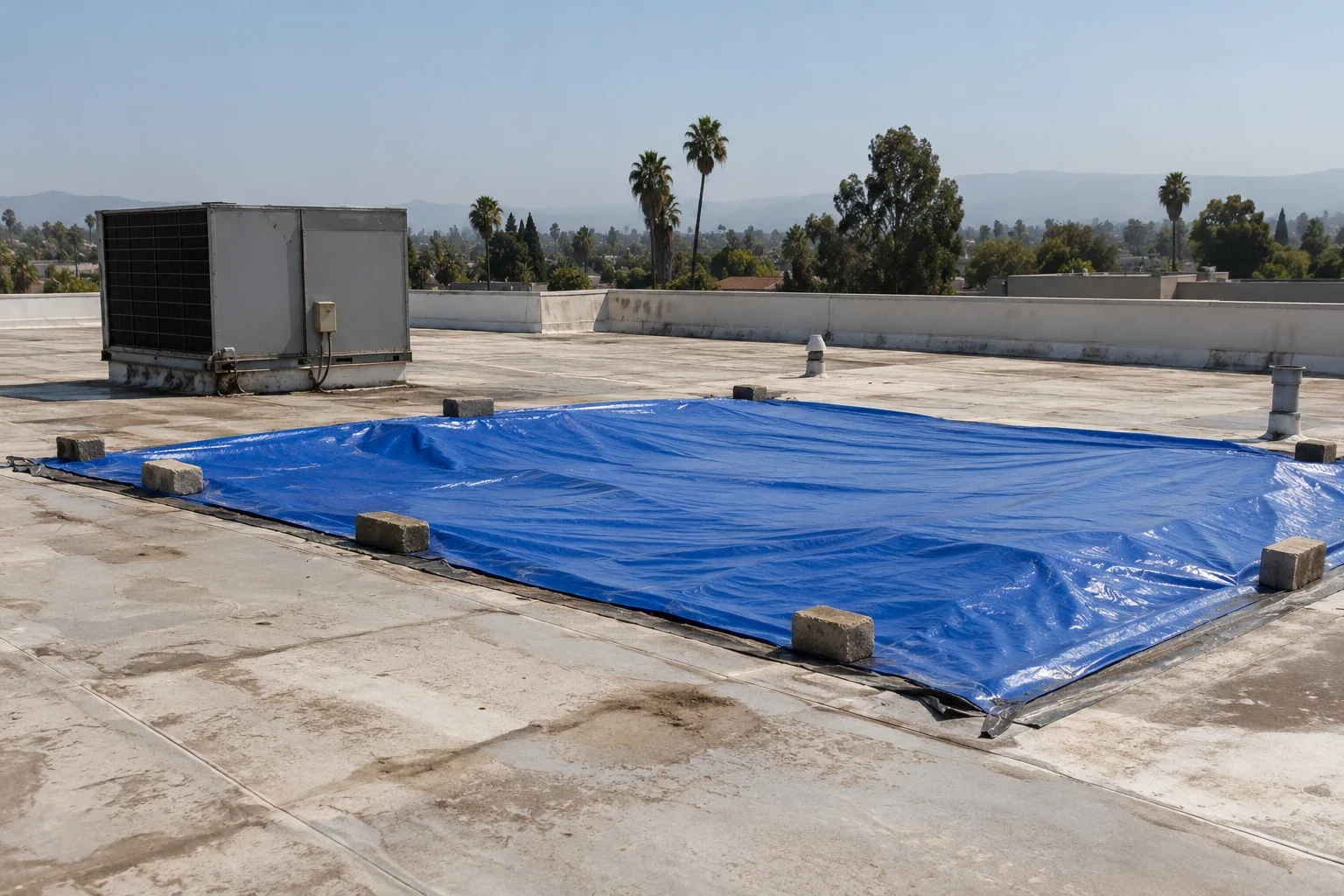
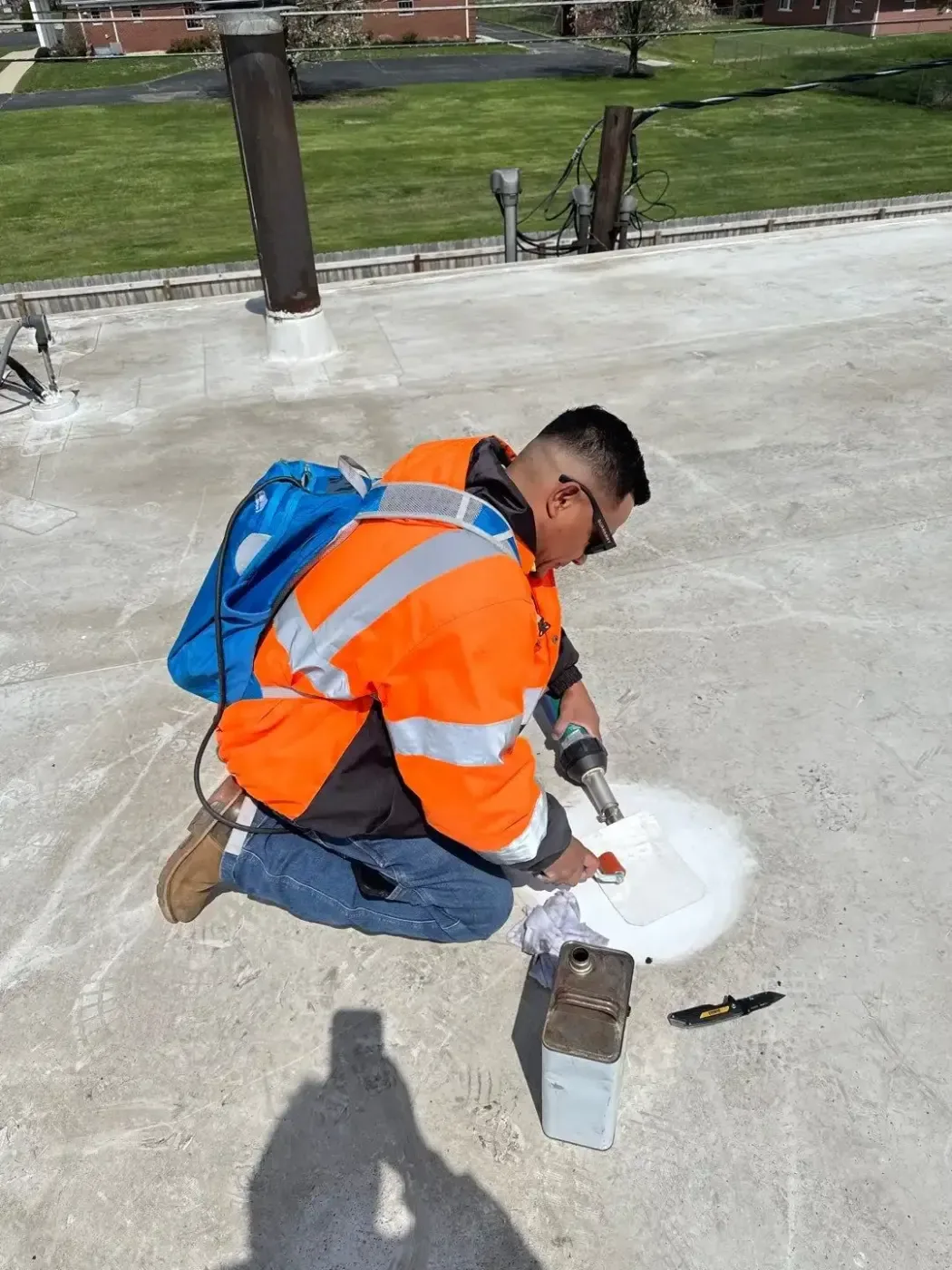
A temporary roof measure should have a defined inspection interval and a removal condition. We note whether a tarp, membrane patch or temporary flashing remains, how water will drain around it and who can report movement. Track each interim cover by its install date and condition, with a return check separate from permanent closeout.
Stabilize the Opening Before Expanding the Scope
When active water reaches occupied space, first protect the affected area where roof access and weather conditions permit. We identify the roof opening or vulnerable transition, the area temporarily protected and any condition that still requires monitoring. The crew records materials used, location, date and time, then states whether the temporary cover is intended to remain until a permanent repair is authorized. This is separate from a diagnosis of the original cause or a coverage decision. A prompt emergency roof response can protect the building while the owner gathers policy, weather and maintenance information for the next review.
If roof access must wait for safer conditions, the property contact can document the reported leak, interior protection and any change since the first call. We return to the same marked section and compare new photos with the initial record. The file should distinguish water control already completed from investigation that still needs owner authorization.
Photograph Conditions by Roof Section
A claim reviewer needs the inspection date and a locator image beside the close-up of the failed transition. We photograph seams, edge metal, drains, curbs, skylights and interior symptoms when access is approved. Each image receives a date, section label and brief description of what is visible; we avoid labeling an untested area as failed. If water has migrated beneath the membrane, the interior stain and roof opening may not align. An indexed condition report helps an owner compare the inspection record with prior repairs and the insurer's requested documentation.
When an adjuster or facility representative attends the inspection, we identify which observations were made jointly and which areas remain outside the visit. The report can include the questions presented, photos taken and any requested follow-up. It does not convert a third party's preliminary view into a contractor finding or a coverage determination.
If the property has prior maintenance records, we compare dates and locations with current observations before describing a sequence. A nearby prior patch belongs in the history, yet its presence cannot date this failure or prove the path. We identify the record reviewed and keep conclusions limited to what the roof and documents support. The trade-scope interface record can carry the approved boundary into a separate construction package.
Separate Observed Damage From Cause
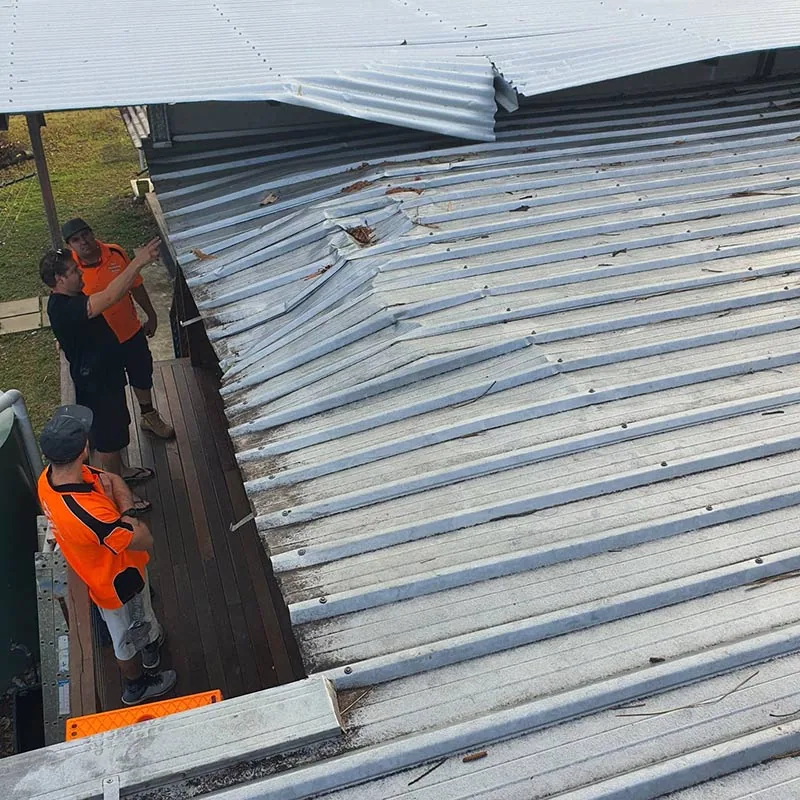
A roof inspection can document tears, punctures, displaced metal, failed seams or water entry evidence without deciding when the condition began or which event caused it. We state what is visible, what the inspection could not establish and whether additional testing or records would be useful. A moisture survey can locate contrasts for follow-up but is not a substitute for a test opening where the assembly must be confirmed. The report should not extend one observed defect to an entire roof. That boundary keeps the contractor's repair scope factual while the policyholder and carrier address causation, coverage and payment under their own process.
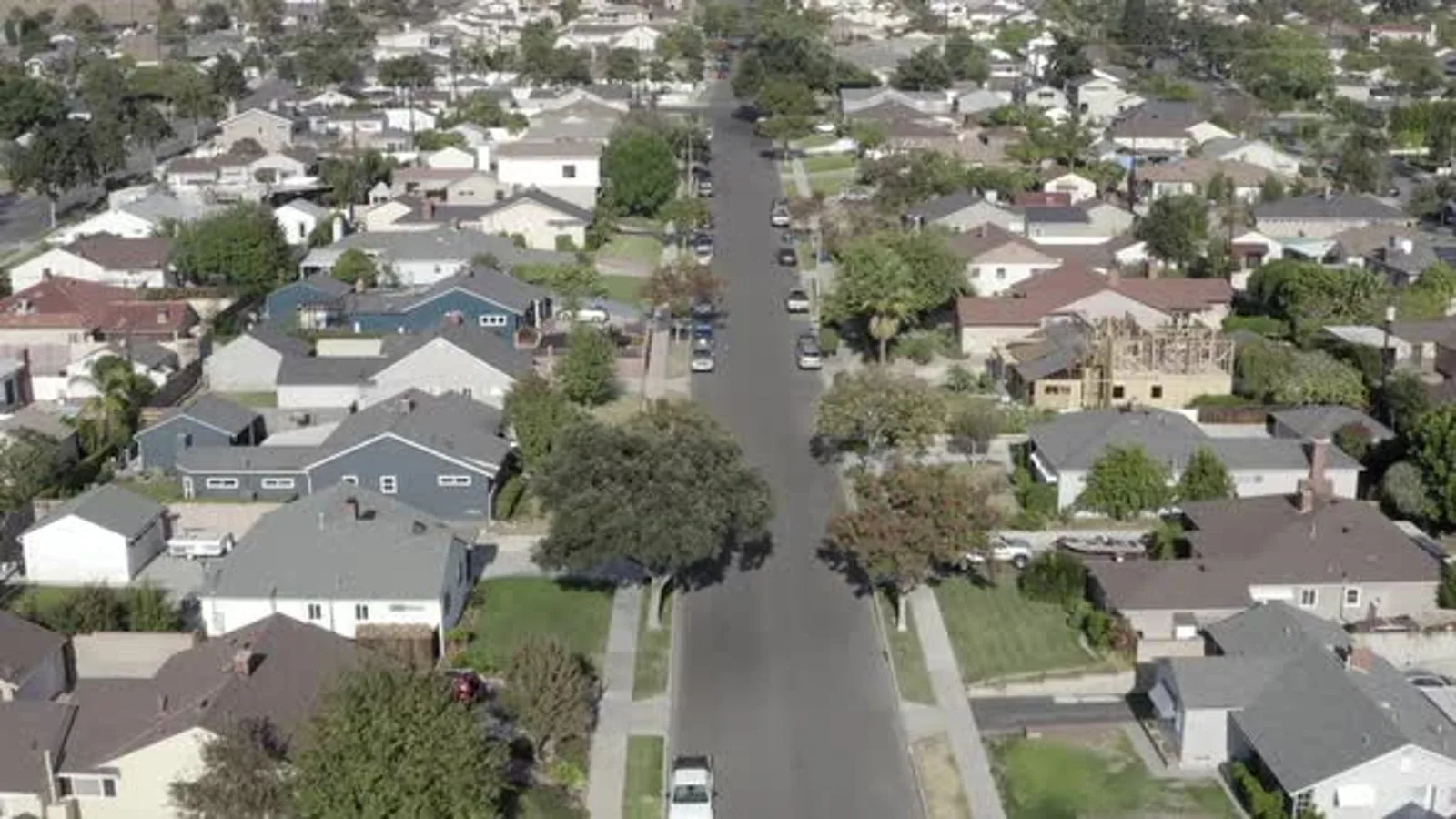
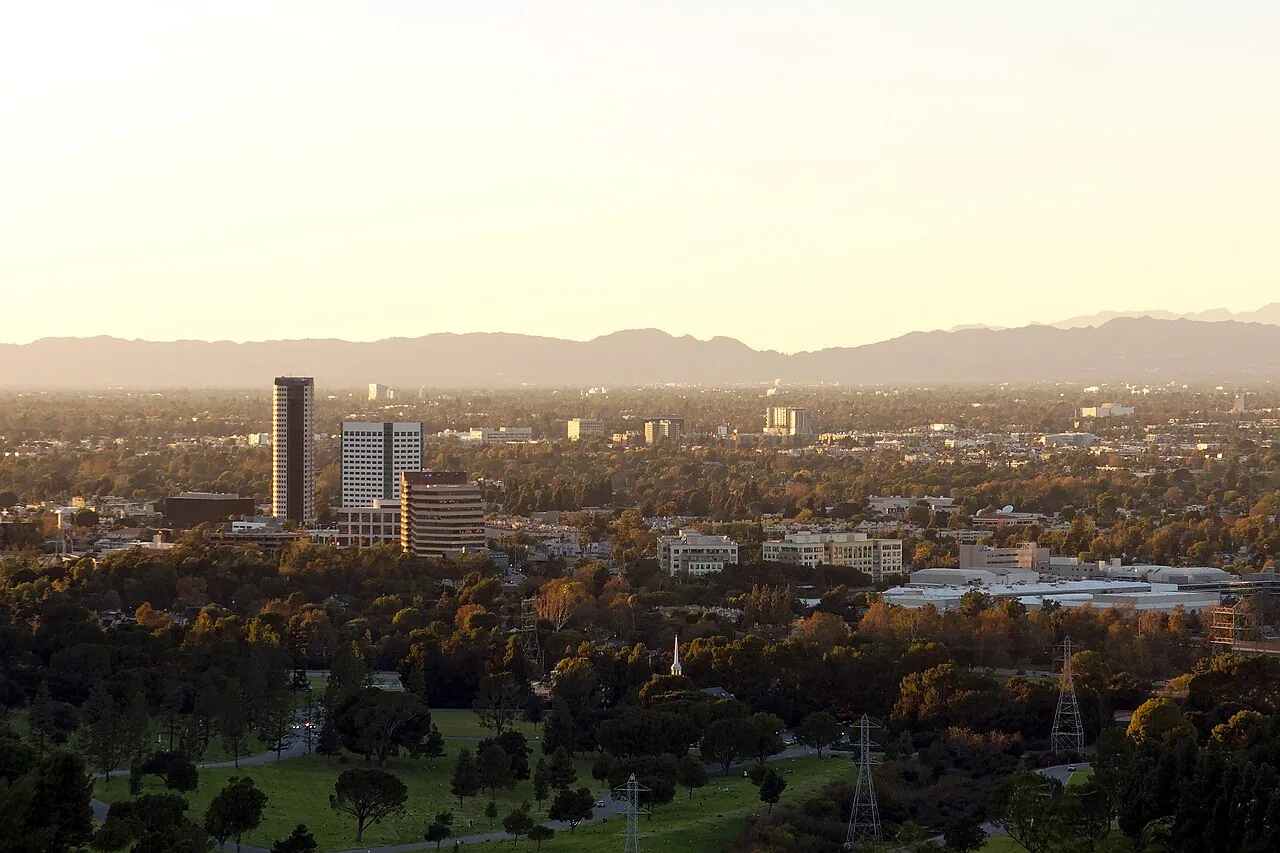
A repair invoice should relate to the authorized scope and show where the work was done. We list removed material, replacement components, flashing transitions and any approved additional quantity. If an area remained unrepaired because approval was pending, it stays visible as an open item so the owner can request the next decision without confusing it with completed work. A claim file can locate the affected property against the production and office activity of the Media District or the retail and business mix of Downtown Burbank. District context does not establish cause; the roof observations and repair boundary remain the evidence.
Write a Repair Estimate That Can Be Reviewed
A restoration estimate should identify the roof section, removal limit, temporary protection, replacement materials, substrate assumptions, edge details and closeout steps. If tear-off exposes a wider wet area or a weakened deck, pause at the approved limit and get written direction before widening removal. A repair and a replacement alternative should be separate when both are warranted, with each path stating its own boundary and timing. The estimate can also list code or debris documentation the project team should confirm for the application. In Burbank, certain nonresidential alterations at the city's stated permit valuation are subject to construction and demolition debris-diversion requirements, so removal records may need attention.
For a phased restoration, the sequence records which section is weather-tight, which is temporarily covered and when the next test or repair is planned. If the owner needs to keep a tenant area open, we note interior protection, access routes and the person who confirms the space is ready. That operation record supplements the roof condition evidence rather than replacing it.
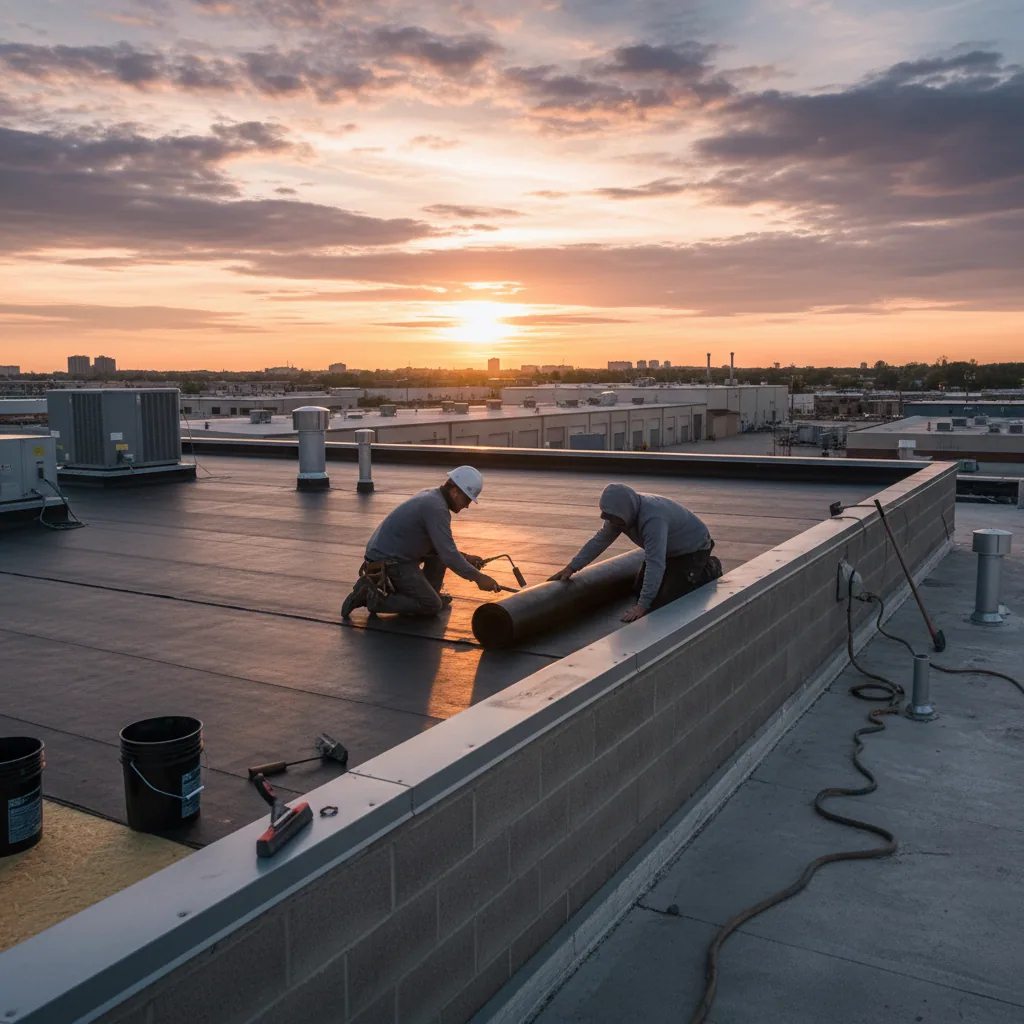
Where a permanent repair requires removal, the estimate states the area opened, the tie-in detail, material replacement and closeout photo. Additional work is requested if concealed conditions exceed that boundary. This lets the owner and carrier evaluate a defined scope while preserving an approval point for anything not visible during the initial inspection. A building manager can attach the condition file to work orders while keeping insurance decisions outside the maintenance record.
Keep the File Ready for the Next Decision
A complete roofing record includes dated photos, the roof plan, inspection limits, temporary protection status, permanent work performed, materials installed and unresolved items. The owner can keep it with maintenance logs, prior claims and any carrier or adjuster correspondence. Burbank's long-term averages the August mean high at 88.3°F, compared with 85.8°F in July. During claim documentation, note conditions that could affect crew access or temporary-protection timing. Schedule the next inspection with access, policyholder contacts, leak dates and the decision deadline ready. The goal is a traceable roof scope, not a promise about claim acceptance.
Before closing the file, we compare the scope, photos, work completion and outstanding questions. The owner can retain those items with the claim number and maintenance history, then provide the relevant records to the insurer or adjuster. A clear date and roof-section label helps each reviewer distinguish this event from an older repair or another building's file.
Commercial Roofing Questions
Who determines whether the policy responds to reported roof damage?
No; our file records visible roof conditions and the work estimate. The policyholder and carrier interpret the actual coverage and payment provisions.
Which details should an owner send before temporary protection is scheduled?
Send the reported section, active-water status, safe access route and any prior temporary cover so the crew can plan the first visit. Pair the close-up of a failed transition with a locator image that shows its position across the roof field.
Can an infrared scan date the water entry or identify its cause?
No. A thermal contrast can guide a test location, but it cannot establish a loss date or causation; the report records method and follow-up needed.
Can temporary dry-in be done before a full estimate?
Yes, when the owner authorizes the response and safe access is available. We define the protective area and its limits, then scope permanent work after further inspection.
What if removal exposes additional damage?
We document the opened area, quantity and condition with photos, then request approval before expanding the repair. Work outside the authorized boundary is not treated as included by default.