About Commercial Roofers Burbank
A production schedule, tenant move-in or loading window can decide when a roof section is available for work. Our commercial roofing work in Burbank starts with those operating facts and the condition reported on the roof. We inspect the assembly, document what can be seen, and set a repair boundary the facility director can evaluate. The recommendation may call for a focused repair, additional moisture testing, planned maintenance or a larger renewal comparison. Each path should connect an observed condition to a defined next step, with access and occupied areas accounted for before work is scheduled.
Start With a Roof Record, Not an Assumption
Interior signs can point to a concern, but they do not map the entire failure path. Our hands-on roof inspections check membrane condition, seams, flashing, drains, scuppers, perimeter details and rooftop penetrations. We connect those observations with the reported location below and note areas that could not be reached or were concealed by equipment. When moisture may extend beyond the visible surface, drone imagery or infrared moisture surveys can help direct follow-up checks. A survey supports the field review; it does not stand in for confirming the assembly or opening a test area where needed.
Written condition reports include photographs and descriptions that distinguish observed conditions from recommendations. That gives the owner a way to compare a bounded repair with broader work. The inspection service can be set for a specific leak, an upcoming capital review or a roof section the facility team needs documented. We ask for prior repairs, roof plans and access limits so the visit can focus on the areas that affect the decision.
Repair the Detail That Controls the Scope
Commercial roof repair can involve a seam, penetration, curb, edge, drain or flashing transition. A proper repair method depends on the membrane and the surrounding assembly. We confirm material compatibility, surface condition and nearby details before setting the work boundary. For active water entry, around-the-clock response is available throughout the week, including holidays. Temporary protection and permanent repair are recorded separately so the owner can see what has been addressed and what remains open.
A repair scope can focus on a defined section when the surrounding roof remains suitable. If the condition crosses several areas or wet insulation is present, the file should explain what additional investigation would change the recommendation. We do not price an unknown concealed condition as though it were already confirmed. The owner receives the visible findings, the proposed work and any decision point that depends on opening the assembly.
Compare Renewal Paths Against the Existing Roof
Replacement, recover and restoration solve different conditions. A replacement removes and renews the existing assembly within the agreed scope. A recover may be considered only when the existing layers, deck, attachment and drainage support adding a roof system. Coatings require a suitable substrate, compatible preparation, intact details and a plan for future inspection. We review moisture, edge conditions, penetrations and the effect of additional layers before presenting options. The comparison states what each alternative addresses, what remains in place and how access or staging affects the work sequence.
Our systems work includes TPO, PVC, EPDM, KEE, modified bitumen, built-up roofing, standing seam and retrofit metal, spray foam, and silicone and acrylic coatings. The TPO system is one option among several; the installed assembly and building needs determine whether it fits. We also repair and maintain existing systems, so the recommendation can start with the current roof rather than an assumed material change.
Keep the Building Operating During the Work
Roof access is only one part of a safe work sequence. We coordinate staging, lift or ladder access, tenant notice, delivery timing, interior protection and any noise restriction with the facility contact. An occupied office, a healthcare setting and a production floor call for different boundaries below the roof. The scope marks affected areas and the protection method, then names the person who will review any newly exposed condition before work expands. For a phased project, we mark the sequence so one roof section can be completed and reviewed before the next is opened.
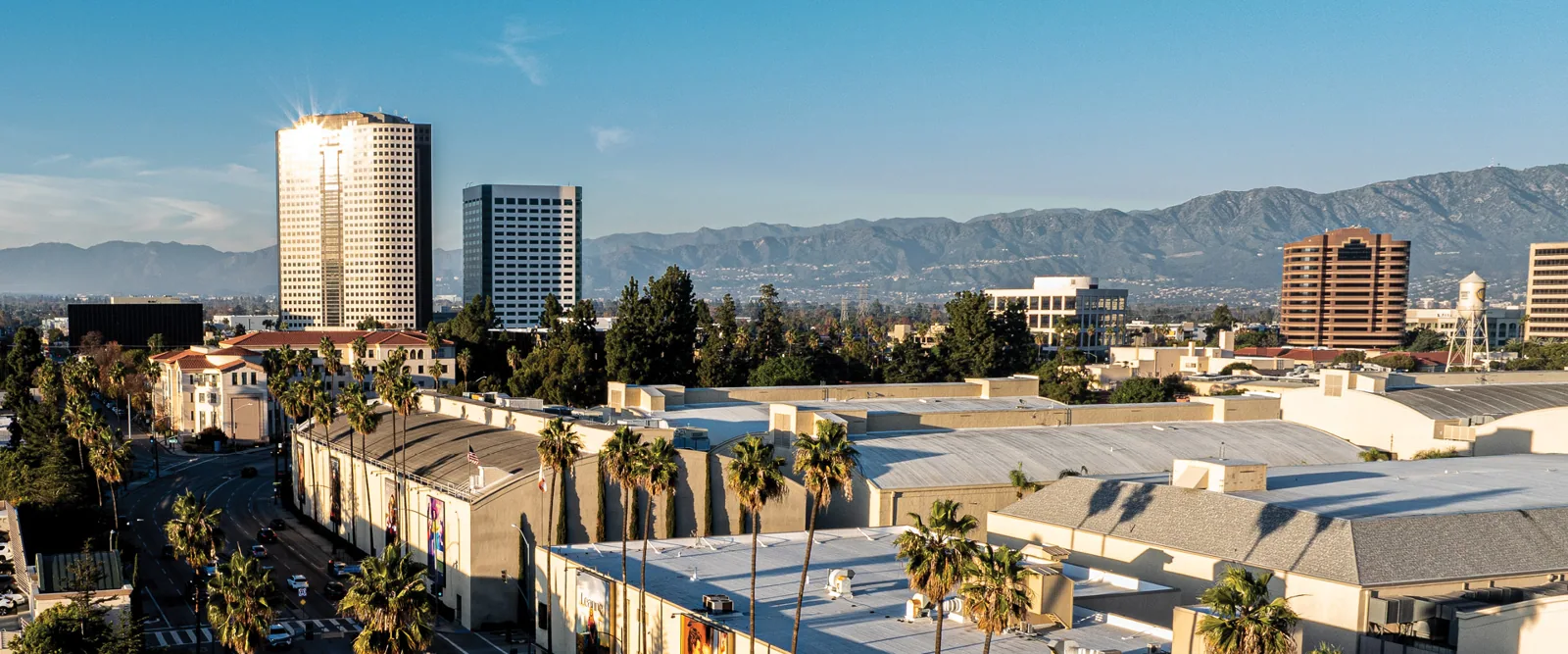
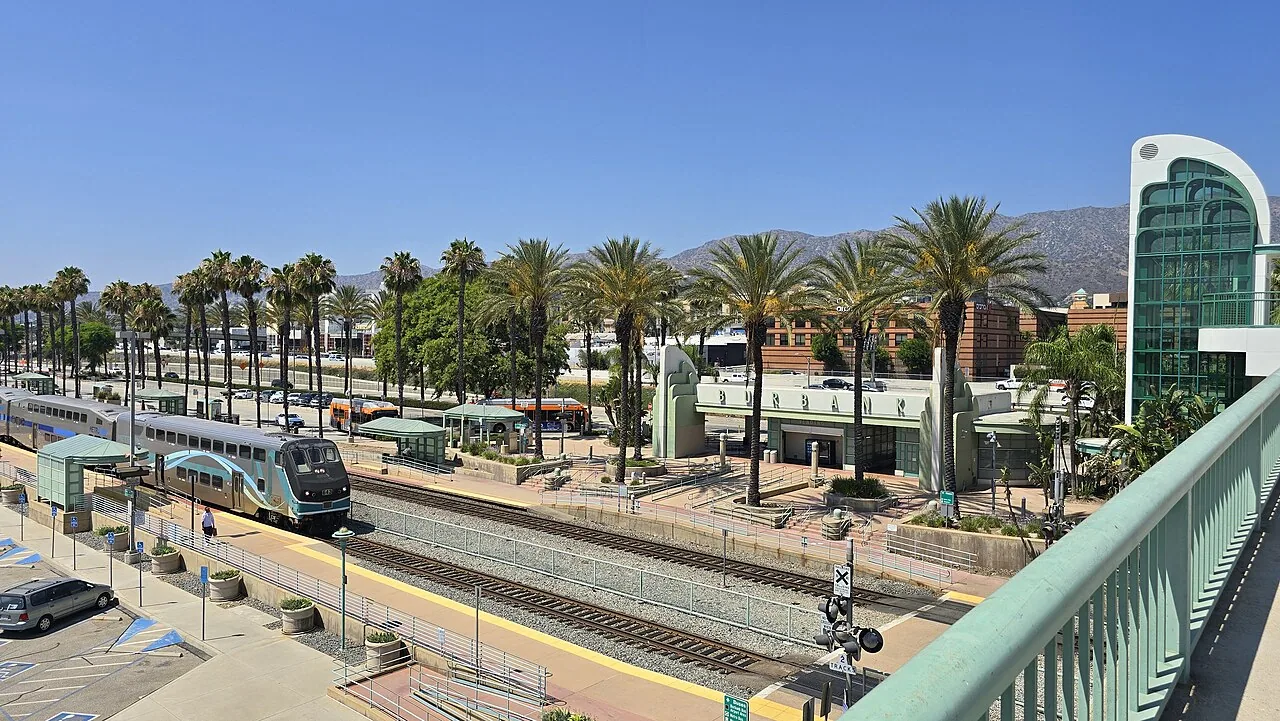
Studio production shares Burbank's Media District with healthcare, media and office employers. Those uses make schedule coordination a practical part of local roof work, but they do not tell us the hours or layout of a particular building. We confirm those constraints directly. In Downtown Burbank, pedestrian-oriented streets and outdoor dining may also affect material deliveries and protected entries. The Media District service area gives a broader location reference, while a property-specific access plan controls the crew's actual sequence.
Use Maintenance to Preserve Useful Evidence
A maintenance visit checks the details that can change between major projects: drains and scuppers, seams, penetrations, rooftop equipment supports and perimeter transitions. We document conditions and note repairs that should be handled before they widen. A maintenance program can place recurring inspections and repairs on a defined calendar. It also gives the owner a dated record of what was observed, what work was performed and which items remain unresolved. That history can make a future renewal decision more grounded.
Maintenance is not a substitute for a repair that has already exceeded its useful limit. We review the condition of the assembly, prior patches, moisture evidence and drainage behavior, then state whether repair, further testing or capital planning is appropriate. Owners can keep inspection reports, repair photos, warranty papers and roof plans together by building. If access changes or a new leak appears, the facility team can compare the report with current conditions rather than depend on memory alone.
Fit Roof Decisions to Burbank Conditions
Annual precipitation in Burbank averages 16.50 inches, but that figure cannot show how a particular roof drains after rain or where debris collects. We inspect the actual flow path, including drains, scuppers, low points, crickets, tapered areas and edge returns. For a coating or seam repair, surface preparation and cure timing matter alongside safe access. The scope records any weather-related limit on the scheduled work and ties the next review to conditions confirmed in the field.
Technology companies, conference hotels and major retail uses make up part of the Airport District's commercial mix. On a specific property, we confirm delivery, room-protection and staging needs with the facility contact before setting the work window. That discussion stays tied to the roof section and the building's schedule. A small repair may suit an isolated defect, while broader wet areas or repeat failures may justify a separate renewal comparison. Burbank, CA work begins with evidence from that building.
Leave the Owner With a Clear Next Decision
Before mobilization, the owner should have a scope showing roof sections, methods, access, protection and exclusions. If a hidden condition changes the work, we document the finding and obtain direction before expanding the scope. At closeout, photographs and notes identify the work completed, materials used where recorded and any remaining issue. A roof condition report can keep those findings usable for the next budget conversation; a capital plan can sequence roof priorities across a property or portfolio. For a particular building, we can begin with a Downtown Burbank roof review or another eligible broad service area.
To arrange a review, share the building use, roof concern, available records and access window. We will confirm the right inspection or repair scope and tell you what evidence would move the decision forward. The aim is a roof file that connects condition, work and approval clearly enough for the facility team to act.
Questions from Burbank Building Owners
What work does Commercial Roofers Burbank perform?
Our work includes field inspections, localized repairs, full tear-off, eligible recovers, restoration, coatings and maintenance on commercial low-slope or metal assemblies. The roof condition and its operating limits determine the scope.
What does roof phasing mean for occupied Burbank space?
We plan access, staging, noise and protection around occupied areas. The facility contact helps set work windows and boundaries before a roof section is opened.
What happens after an inspection?
We provide findings with photos and a defined next step, such as repair, additional moisture investigation or a renewal comparison. The record separates observed facts from proposed work.
How do you respond to a leak outside normal hours?
Emergency response runs around the clock, every day of the week and on holidays. We first coordinate safe access and immediate protection, then document permanent work still needed.