Emergency Commercial Roof Repair in Burbank, CA
An urgent leak can affect electrical equipment, production, inventory, tenants or public areas. Facility staff should follow the building emergency plan first, isolate hazards and contact emergency responders when life safety or electrical risk is present. Once roof access is safe, we coordinate a designated contact, entry route, escorts and any area that must stay clear. We ask where water is entering, when it began and what has already been moved or protected. The initial response may focus on controlling interior impacts while the roof is assessed. No response time should be assumed until access, weather and crew availability are confirmed.
Separate immediate protection from permanent repair
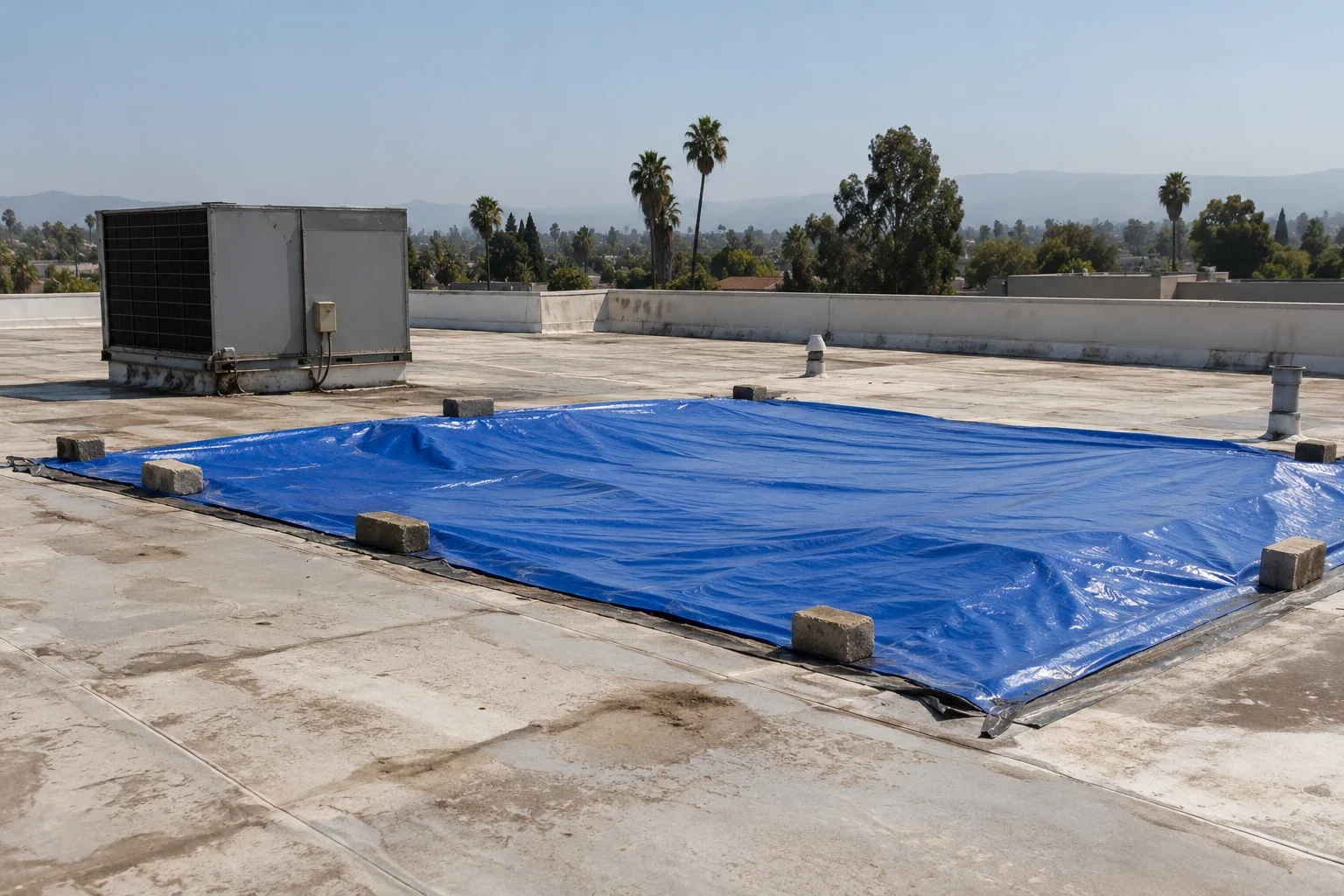
Emergency work can include containing water, moving vulnerable contents, temporary covering or a limited patch where site conditions allow. The work record should state whether the measure is temporary, where it was installed, what materials were used and what still needs investigation. Permanent repair may require dry conditions, compatible materials or removal of wet roof layers. We establish a follow-up plan and owner approval for that scope rather than implying the initial visit restores full roof performance. If the source remains uncertain, the next visit should test the likely path and document results. This separation helps finance, operations and property teams understand what was authorized during the urgent response and what remains open.
Confirm access, weather and fall protection
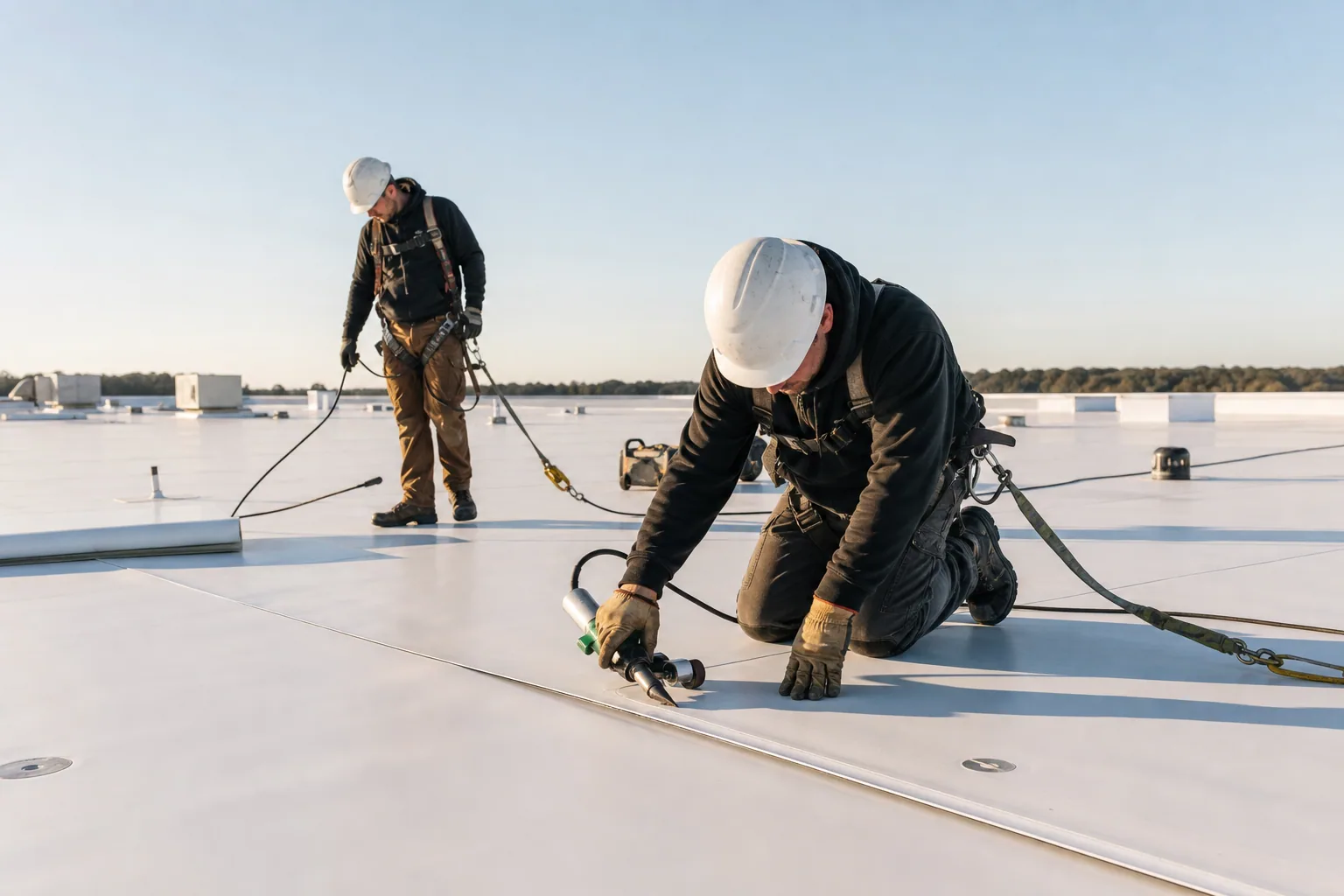
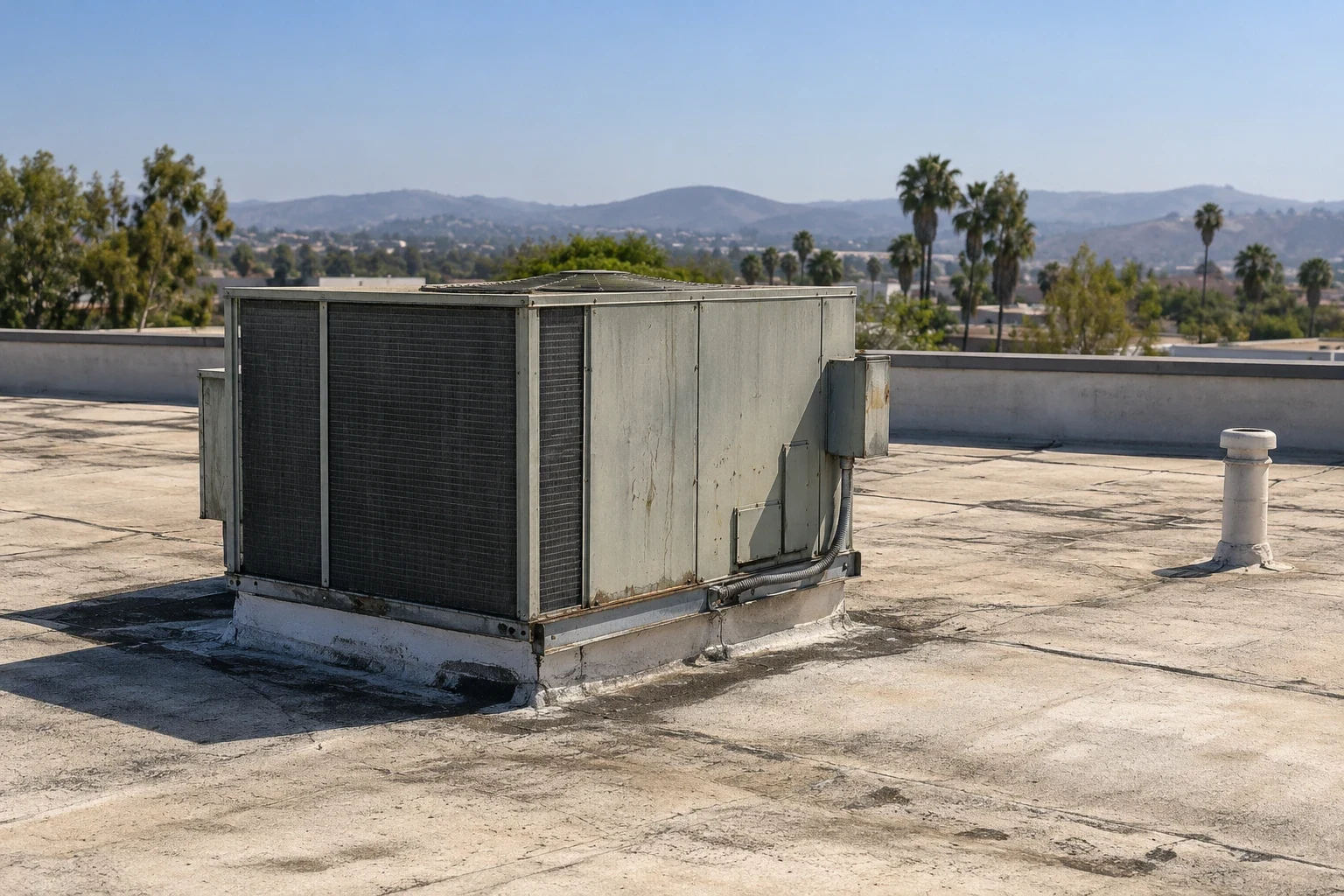
Roof access is a safety decision, especially during rain, high wind, poor visibility or at night. We confirm the ladder or hatch, fall-protection provisions, walking surface, equipment routes and any restricted roof zones before dispatching work. If conditions are unsafe, the correct action may be interior protection and a return visit when access is possible. The building contact should disclose alarms, secured areas, active production, tenant notices and electrical or rooftop hazards. We also agree on how updates will be sent and who can authorize additional work. A careful access check can take time, but it avoids creating a second emergency while trying to address the first.
Locate the likely source without overclaiming
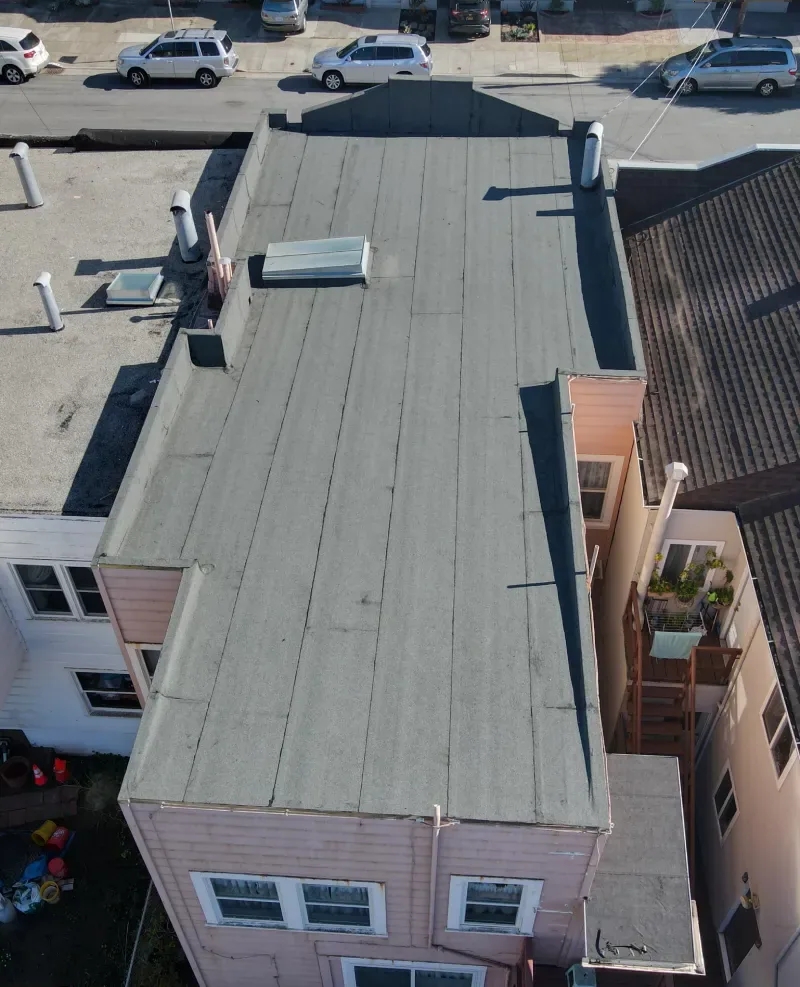
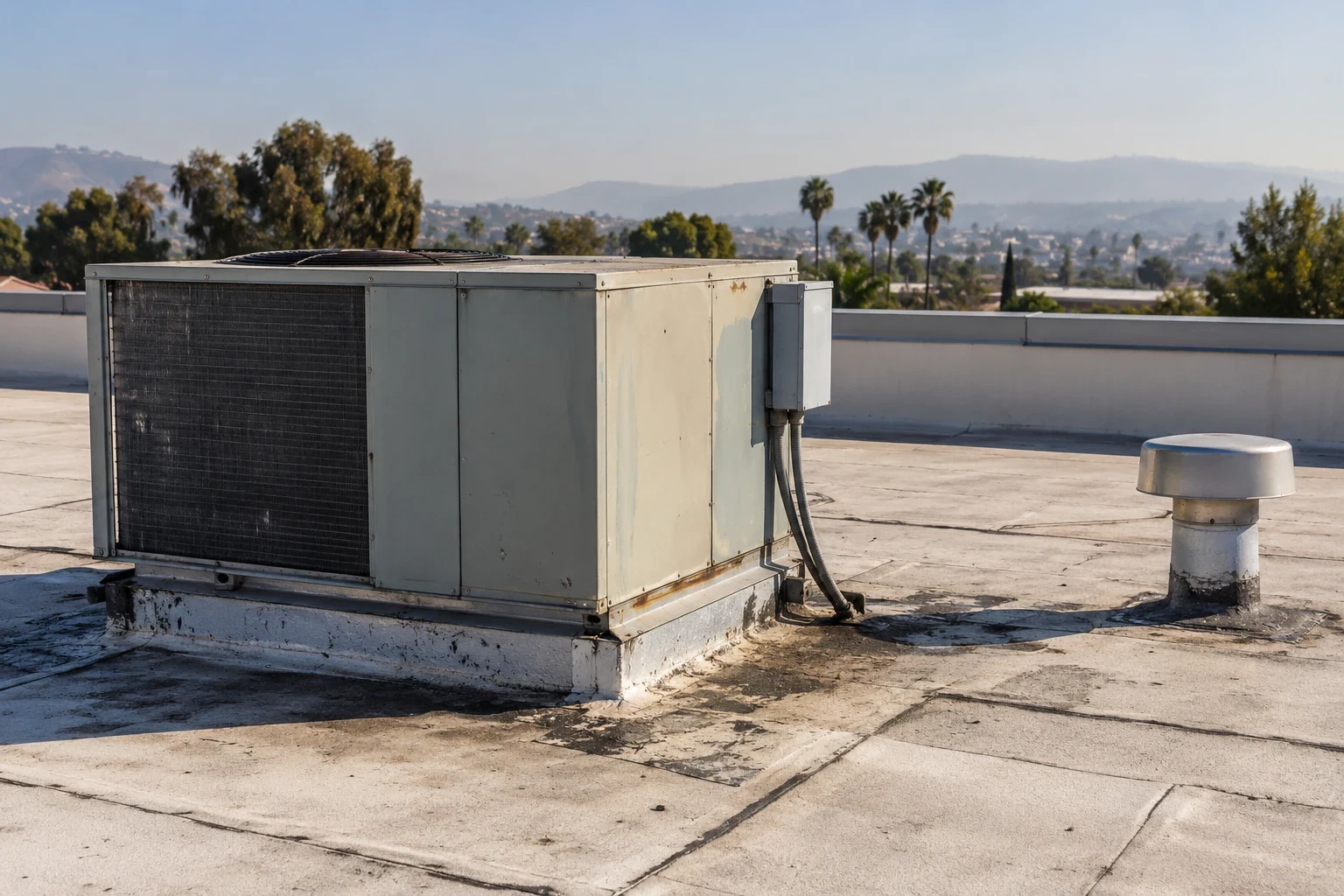
The first response balances speed with accuracy. We compare the interior leak location to roof drainage, seams, penetrations, walls, curbs and previous repair sites. Water can travel along the deck or building systems, so a patch directly above the stain may not resolve the entry. If evidence is incomplete, we explain the uncertainty and protect the building while the source is investigated. A weather-limited inspection may only identify probable areas; later testing may be needed. We document observations with roof-zone references and photos. The goal is to make a safe, informed next move, not promise that one rushed visit can explain every hidden condition.
Control water and protect assets
Interior staff can move stock, equipment and furnishings, establish containers or barriers, and notify affected occupants while the roof crew evaluates access. We coordinate which areas should remain open, where temporary materials may be staged and who will restore the interior after the leak is controlled. Roof protection needs to avoid blocking drains or creating unsecured edges. If the membrane is too wet for a permanent repair, we identify a temporary measure and the condition required for follow-up. Facility teams should record damaged contents and building conditions through their normal procedures. Clear responsibility for roof, interior and tenant communication keeps the emergency response from becoming an untracked series of separate calls.
Record every temporary measure and approval
After a temporary dry-in, we capture the location, materials, attachment, weather and any limits on expected performance. The facility contact receives a clear note describing whether water stopped during the visit, what could not be checked and when a permanent repair should be evaluated. We document added work only after the person with approval authority authorizes it. If the roof has a warranty, the owner may need to confirm approved emergency methods and documentation. Photos and a simple map let another technician find the protected area later. The record also helps distinguish emergency stabilization from a final repair estimate and gives the property manager a basis for communicating with occupants.
Schedule the permanent repair or inspection
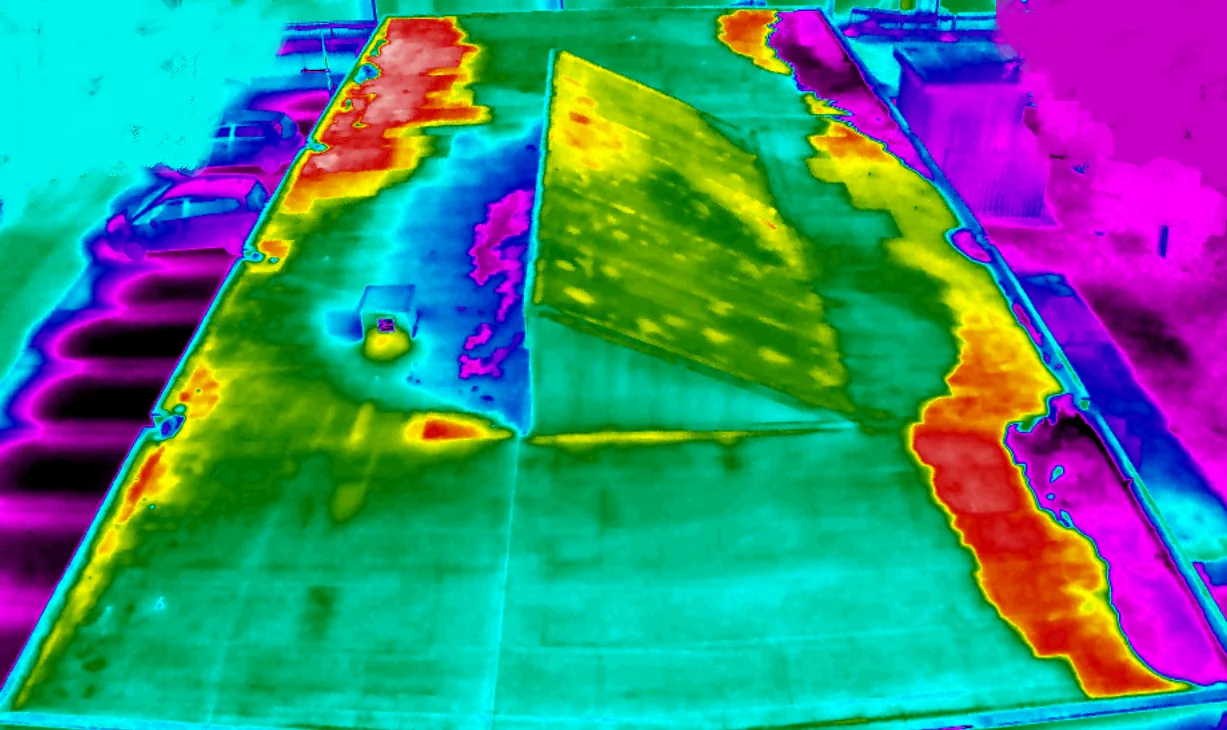
Once the immediate risk is controlled, we define the permanent scope around the confirmed or likely defect. It may include a compatible patch, flashing correction, drain work or broader investigation. For source tracing, the commercial roof leak repair service explains its diagnostic process; the commercial roof repair service addresses localized work. A roof inspection can establish whether adjacent areas need attention. If a scan is appropriate, our infrared survey is a follow-up tool, not a substitute for interpreting roof evidence. The owner receives proposed timing, assumptions, exclusions and any access or interior coordination required.
Prepare for the next weather event
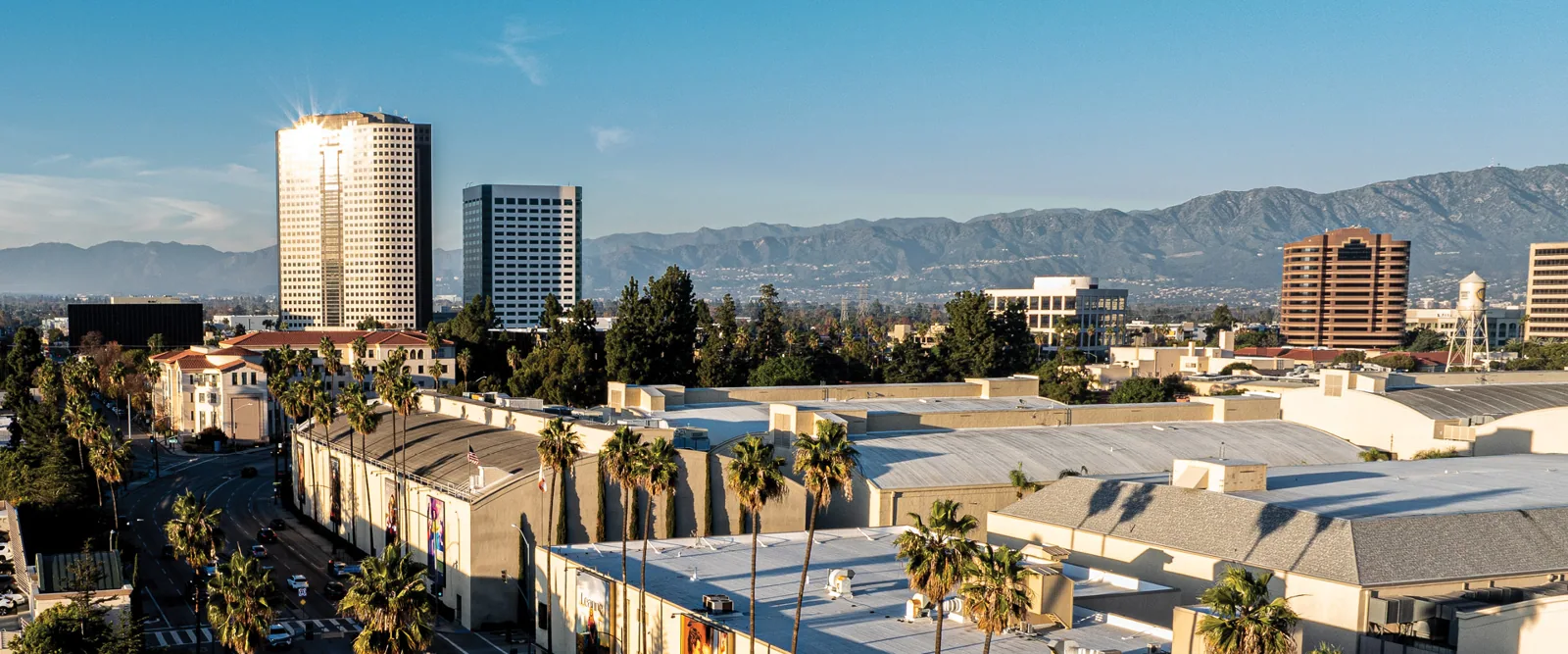
After work, the facility should know who to call if water returns, which interior area to check and whether temporary materials remain. We can identify short-term monitoring actions, such as noting rainfall, photos and roof-zone observations, while a permanent scope is pending. Recurring conditions may warrant a scheduled roof maintenance program that checks drains, seams, edges and past repairs before a small issue disrupts operations. Burbank's long-term rainfall average is 16.50 inches annually, a useful climate context that does not predict an individual storm. Emergency planning should follow current forecasts and the facility’s own response procedures. For related planning, review Burbank Airport District businesses. For related planning, review Downtown Burbank. At handoff, the facility lead should have one concise status: the immediate hazard addressed, roof area protected, work that remains temporary, and the person coordinating the permanent scope. We document whether additional water entered during the visit, but a dry interior at departure does not prove that the source is permanently resolved. The owner may need to protect finishes, arrange drying or notify occupants through established procedures. We also list weather or access conditions that prevented inspection so the next crew does not assume those areas were reviewed. If the building requires after-hours escort, security sign-in or production clearance, we confirm that process before the follow-up appointment. This record keeps the emergency response accountable across shifts and contractors. For properties in Downtown Burbank and the Media District, the contact list can include the relevant property manager, security desk and tenant representative. We verify who receives the follow-up photos, which area must be rechecked after weather improves and how to request a permanent scope. The written handoff should not imply that an untested tarp or sealant is a lasting repair. We also record whether a tenant notice or security escort is required for the planned return visit so the permanent scope does not lose time at check-in.
Commercial Roofing Questions
Can you confirm immediate dispatch?
No. Dispatch depends on current crew availability, roof access, weather and site safety. Share the location, access contact and risk details so feasibility can be assessed.
Will emergency work be the permanent repair?
Sometimes, if the source is clear and conditions permit. Otherwise, the visit may stabilize the building and document what is needed for permanent work.
What should building staff do first?
Follow the facility emergency procedure, protect people, isolate hazards and move vulnerable contents. Contact emergency responders for life-safety or electrical risks.
Can roofers work during rain?
Access and repair methods depend on conditions. Wet or unsafe surfaces may prevent roof work; interior protection and a safe return visit may be the appropriate response.
How do you document temporary protection?
We record its location, materials, attachment, weather, observed results, limitations, photos and the follow-up action needed to evaluate permanent repair.