Commercial Roofing for Logistics and 3PL Facilities in Burbank, CA
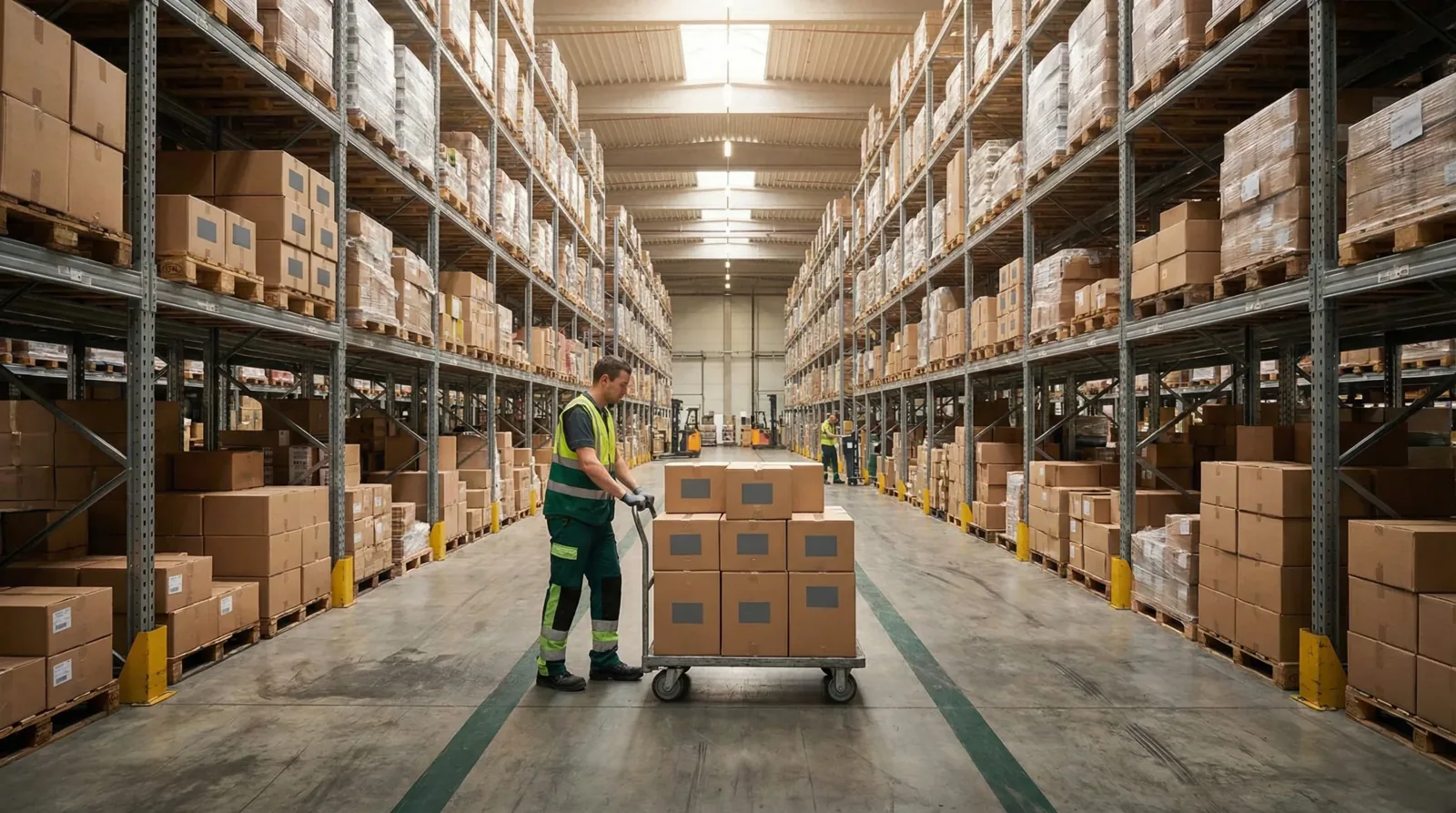
A roof leak over inventory, a conveyor line or a shipping office can disrupt more than the area where water appears. Burbank's Airport District is a broad commercial area with technology companies, conference hotels and big-box retail; regional access also connects the city's districts with I-5 and State Route 134. Those facts help frame how a facility may schedule deliveries and staging, but the roof diagnosis starts at the building. We identify the affected bay, trace the drainage path and separate active protection from permanent repair. A warehouse roof review can give an operations lead a work plan tied to the loading schedule, roof section and inventory exposure.
Keep Dock Flow in the Access Plan
Before mobilization, we identify which gates, truck courts and loading positions need to remain open. A crane, lift or material drop can affect turning space even when the roof section sits away from a dock. The site contact can mark peak inbound and outbound blocks, restricted vehicle paths, trailer dwell areas and pedestrian lanes. We then place roof access, staging and debris removal in the sequence, with a daily closure condition for the work area. A phased roofing plan distinguishes the crew's route from the facility's freight route so a schedule change can be communicated before a bay or aisle is affected.
Inventory teams can identify the racks or zones that must be covered if a repair requires an interior tarp. We mark those locations with the facility contact and include the protection time in the sequence. If the affected bay is active, a temporary aisle closure may be safer than moving stock beneath an open roof; the choice belongs in the plan before crew mobilization.
Trace Water Above Stored Goods
A wet carton or stained rack label is the first reported symptom, not the repair boundary. We map the interior location to roof seams, drains, penetrations, skylights and wall transitions, then note whether inventory, electrical controls or conveyor equipment requires protection. A pallet stain may sit downstream from the roof breach; follow the route above rather than placing a patch over the floor mark. Photos should show both the roof observation and its position on the plan. If the warehouse survey suggests moisture beneath insulation, use an authorized test bay to confirm whether a repair quantity is warranted. List the sampled roof zones and any remaining access hold before converting readings into a repair quantity.
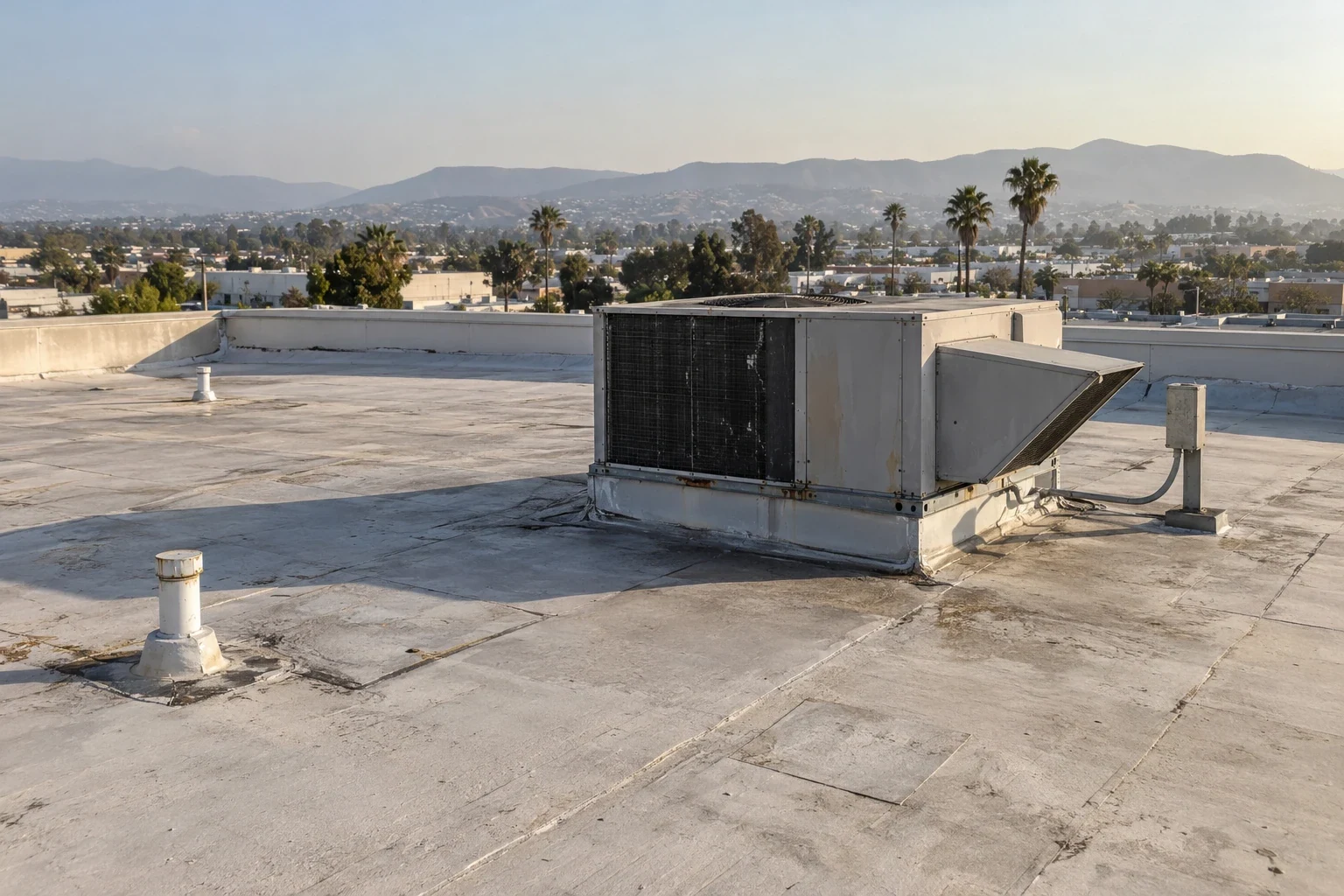
Conveyors, dock equipment and rooftop units create additional paths for water and additional points that require coordination. The inspection logs their roof penetrations and the interior equipment zone below, then identifies the detail that failed or needs testing. A maintenance ticket that includes a photo and roof-plan location is easier for a later shift lead to reconcile. Compare receiving and dispatch constraints with a production roof sequence when adjoining operations share a gate or staging lane.
Compare Multiple Roof Sections
A distribution building may have different additions, drains and membrane histories under one site address. We label each section, map slopes and outlets, and record patch materials or edge details that change the repair method. A finding in a newer addition should not be applied to an older warehouse bay without a matching inspection. For portfolios with multiple distribution properties, a multi-site condition format can make fields comparable while preserving each roof's own evidence. The project manager can then prioritize by active water, exposed inventory, work access and approval timing rather than by building size alone.
For a multi-section distribution property, testing should answer a defined question. Treat a survey contrast as a lead for controlled verification, not a location pin for the breach or every concealed layer. We state where readings were taken, which areas were inaccessible and what a test opening would confirm before including it as an authorized task. Distribution planning should not collapse the Media District production and office setting into the Downtown Burbank mix of shops, restaurants, businesses, office and retail. The roof map and dock schedule still need confirmation at each operating site.
Schedule Around Freight and Weather
Freight movement can set the hours available for lifts, rooftop deliveries and temporary closures. We confirm whether the facility operates continuously, which dock rows have fixed appointments and when a roof section can be isolated safely. Burbank's long-term climate averages the July and August mean highs at 85.8°F and 88.3°F, respectively. Set freight-side roof staging around heat protections and the specified material handling window. A weather closeout plan states how exposed edges are secured at shift end. The work sequence should name the person who releases each area back to warehouse operations.
A freight calendar can show which docks have fixed appointments, when trailer movement peaks and whether a lift can use the service lane. We translate that information into staged roof zones and a safe end-of-day closure. If a delivery shifts, the site contact can release a different area without changing the repair boundary or losing track of materials left on the roof. The store-level service window describes another operating profile; do not apply it to a warehouse dock schedule.
Close the Repair With an Inventory-Safe Record
The final report shows where water was observed, what roof detail was repaired, which materials were installed, and what adjacent areas remain outside the scope. If product was moved or protected, the closeout can document the boundary and time when the area was returned to operations. For larger work, each shift ends with a roof plan mark, temporary cover status and the next access window. That allows the operations director to track the roof job alongside freight commitments. Share the facility plan, leak dates, dock calendar, prior repair notes and approval deadline before the review; those records help us recommend a work sequence that protects inventory and keeps the scope tied to verified conditions.
When a repair is complete, the warehouse team should know the route is clear, temporary protection has been removed or is labeled, and no debris remains over the operating area. The closeout identifies each finished bay and any observation period. That makes the roof record useful to a separate shift that did not attend the inspection or supervise the crew.
A roof plan should show expansion joints and changes in elevation as well as the rack layout. Those transitions may divide a repair into manageable work zones, but only if the drainage and membrane termination are understood. We identify the safe seam to stop at and state what protection is required if the shift ends before the neighboring zone is addressed.
For a facility with a landlord and a 3PL operator, the approval path may cross both maintenance and operations teams. We ask who authorizes roof access, who moves inventory and who signs off on the returned aisle. Naming those roles in the sequence prevents a finished roof repair from remaining blocked by an unresolved interior handoff.
Commercial Roofing Questions
Can roof work proceed while a warehouse is shipping orders?
It can when the roof zone, dock access and safety controls are separated. We confirm lift and staging routes, then identify any task that needs an aisle, dock or equipment area temporarily restricted.
How do you identify the repair area over inventory?
We compare the reported aisle or rack location with roof seams, drains and penetrations, then mark the finding on a plan. If water may have traveled under insulation, an approved test or moisture survey can refine the boundary.
What can disrupt a logistics roof schedule?
Dock appointments, continuous operations, lift access, weather closeout and material delivery can affect sequence. The proposal states the planned windows and daily stopping point so dispatch can coordinate changes.
Should each warehouse roof be treated as part of one portfolio?
Keep dock restrictions, roof build-up and repair dates in one location file for each warehouse. One site's condition does not establish another site's roof status.
What should operations provide before the first visit?
A roof plan, leak location, shift schedule, dock restrictions, inventory sensitivity and prior patch notes help us prepare. Name the site contact who can approve access and confirm when a section may be isolated.