Commercial Roofing for Retail and Restaurant Chains in Burbank, CA
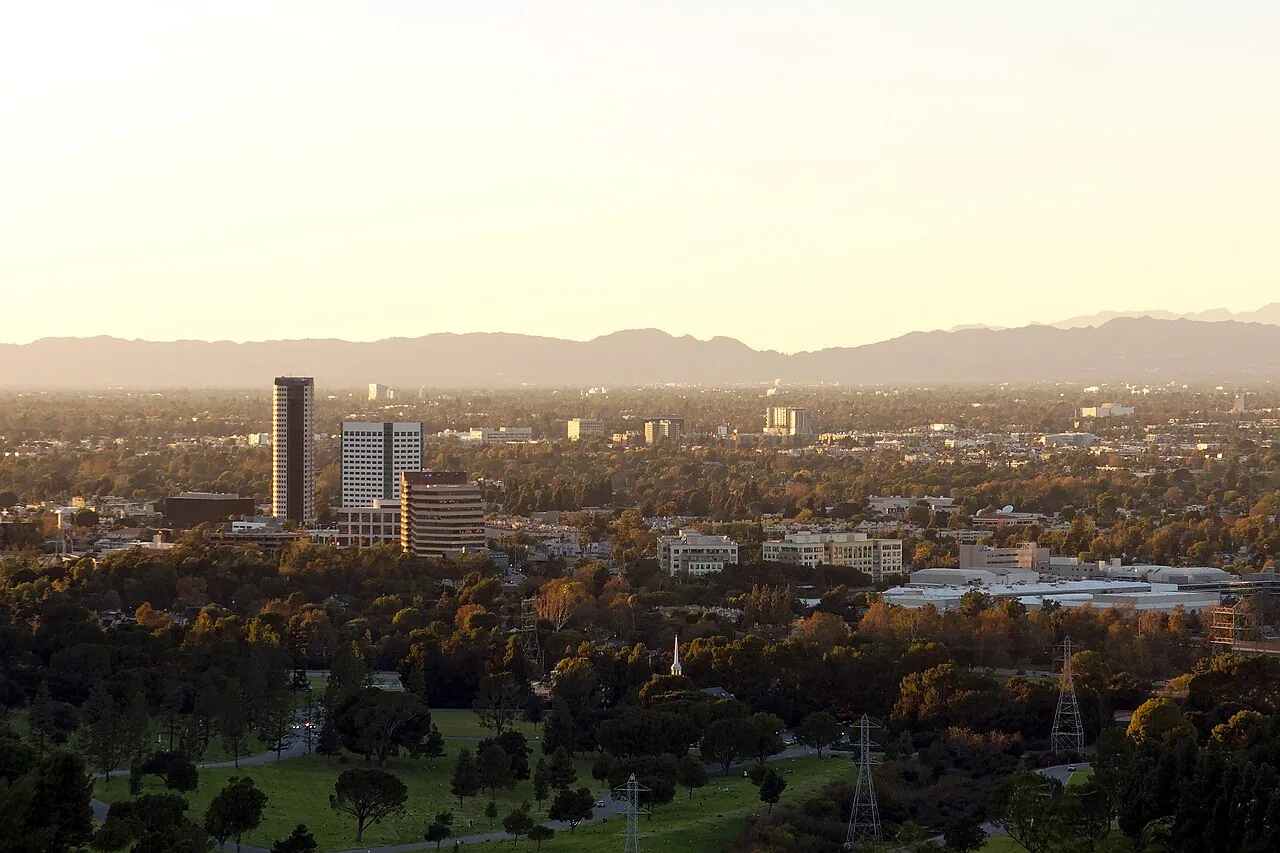
A drip at a checkout or prep line can force an operating decision before staff can see the defect above the ceiling. Downtown Burbank has more than 600 shops, restaurants and businesses in a mixed-use district, while Magnolia Park is known for independent retail and dining. The Airport District adds big-box retail to its broader commercial mix. For a chain operator, those places describe different access patterns, not a shared roof assembly. We trace the issue to the affected section, keep customer and delivery routes in view and define the repair boundary. A commercial leak-repair review can establish what needs protection now and what should be scheduled after close.
Keep Service Hours Visible in the Sequence
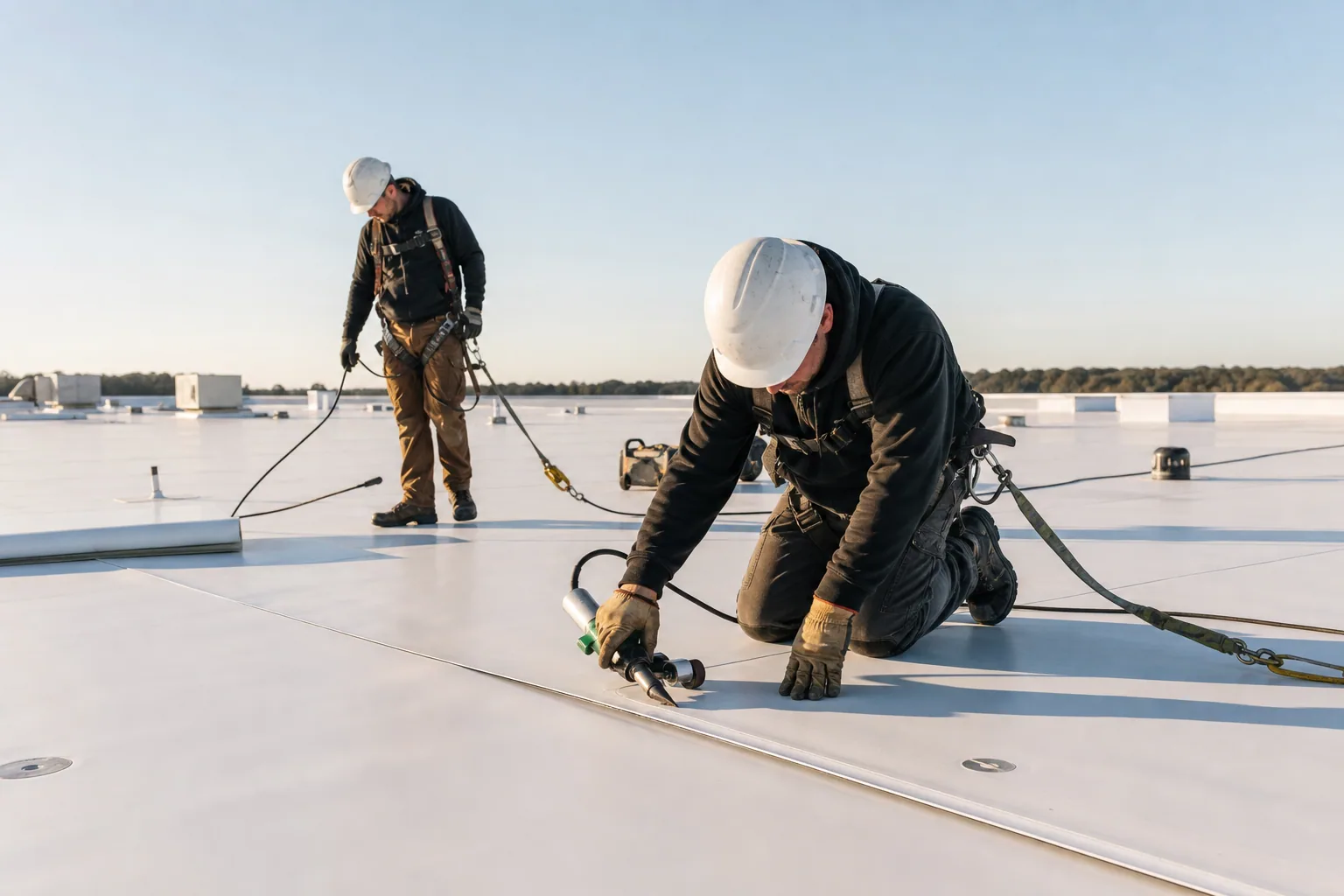
Before a crew arrives, we ask which storefronts, dining areas, kitchens, loading doors and customer paths need to stay in service. The access plan identifies lift placement, overhead protection, work noise, odor controls and material staging. A restaurant may have a hood exhaust route or food delivery window that changes when a section can be opened; a retailer may need a clear route for morning stock. We state those constraints beside the roof scope, then set a daily stop point and cleanup requirement. If work is divided by tenant or elevation, the closeout names the area returned to service and any restriction that remains.
The operator can share opening and closing routines, receiving hours, cleaning shifts and any recurring events before we choose a work window. Delivery peaks and guest traffic decide where a lift can stand; noisy work may need its own after-close slot. We identify the required access path and the point where a customer or delivery route would intersect with work, then make the sequence visible to store staff.
Trace Water Beyond the Ceiling Tile
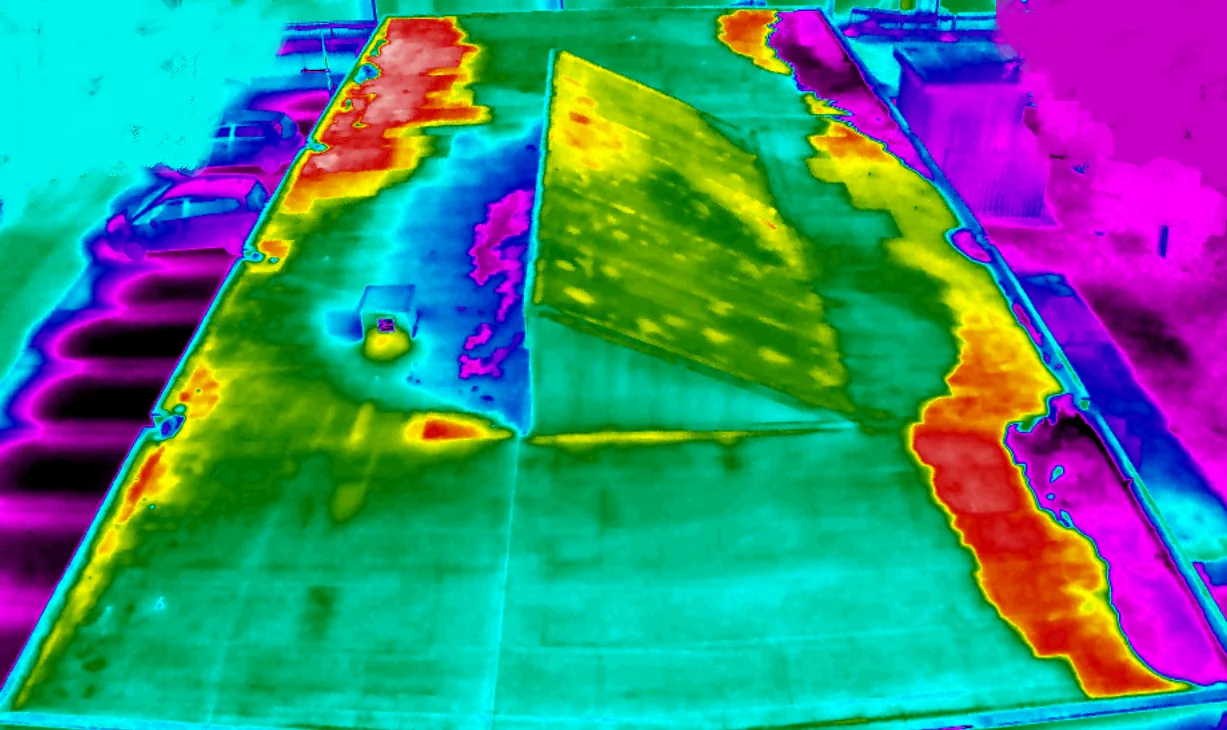
A wet ceiling over a checkout, dining table or stock rack may be several feet from a failed seam. Begin over the reported sales or dining area, then follow roof details that could carry water there, including curbs and perimeter joints. Previous patch locations matter because an old repair can redirect water. Photos show the interior symptom and the roof detail separately, while a plan ties both to one section. If the cause is not visible, a moisture survey or approved test can help define the next investigation. The report does not label a location fixed until the repair and the affected transition are documented.
For a multi-tenant center, the building owner and individual retailer may have different approval roles. We identify who controls roof access, who authorizes interior protection and who must receive notice before a closure. If a repair sits above a shared corridor or kitchen exhaust path, the plan names the adjacent users who may be affected. That contact list stays with the location record, not in a portfolio-wide generic notice. Store teams can share operating windows with the guest-facing schedule when restaurants and lodging use the same service lane.
Coordinate Kitchens, Signage and Deliveries
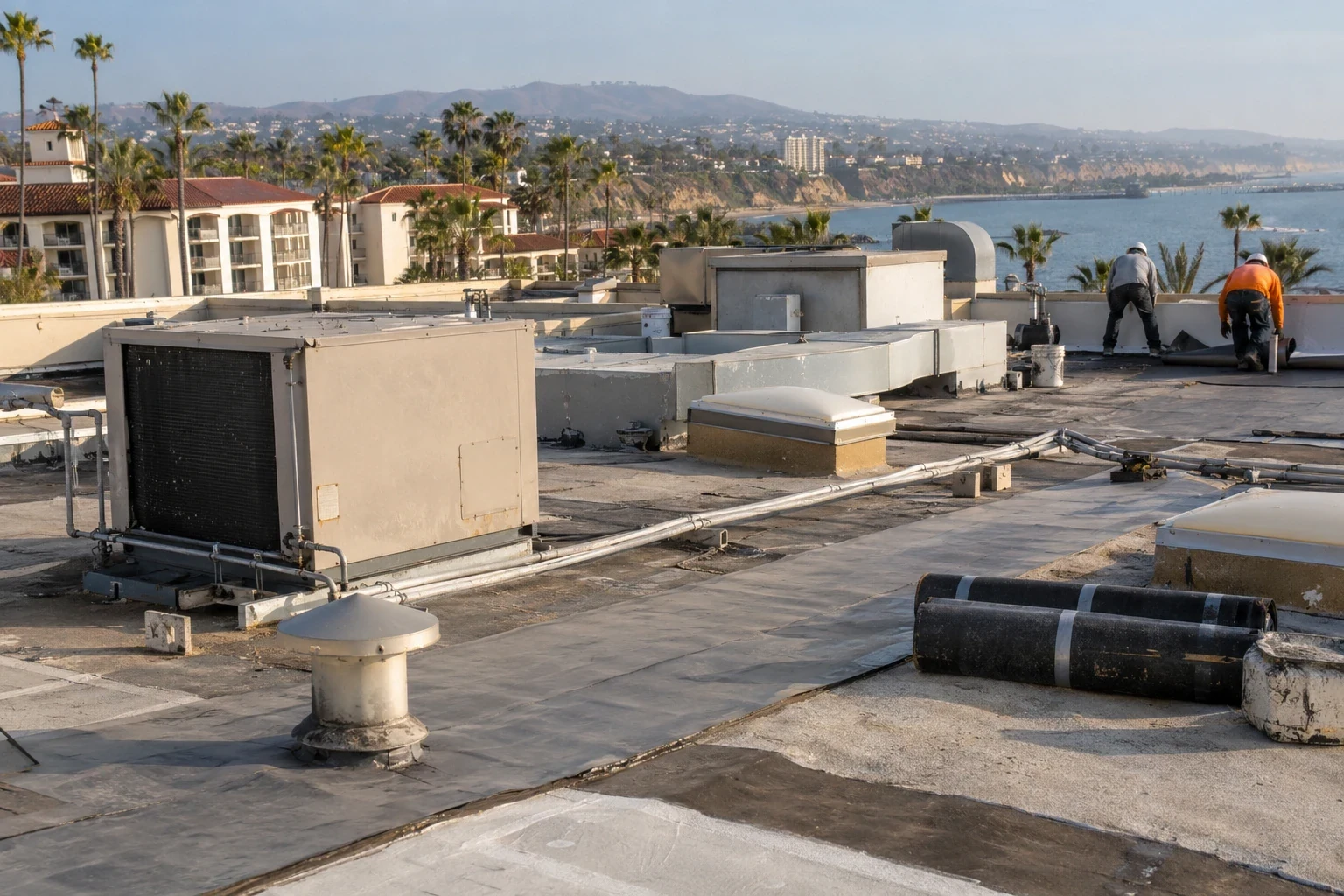
Commercial roofs around food service may include exhaust curbs, grease-related service access and rooftop equipment that needs coordination before flashing work. We confirm whether a unit can remain active and who controls it; any shutdown request is written into the schedule. Signage, canopies, sidewalk lanes and rear loading routes also affect staging. In Downtown Burbank's pedestrian-oriented retail district, a public-facing entrance can sit near the work zone, so the plan should show where barriers and debris movement go. We keep public paths clear when possible and state when a closure is required. These details are project controls, not a promise that every location has the same operating layout.
A kitchen curb needs a roof detail that stays compatible with the membrane and accommodates equipment service. We document whether access to the hood, fan or conduit is needed and who will shut down or restart the unit. Grease, washdown and interior cleaning are separate operating processes; we coordinate where they affect the route or schedule without claiming they caused a roof failure. Store planning depends on district routines: Downtown Burbank includes more than 600 shops, restaurants and businesses, while the Media District includes production and office employers. Confirm delivery, kitchen and customer-path restrictions at the location being repaired.
Compare a Night Repair With a Larger Scope
An after-hours patch fits only when adjoining membrane is intact and the crew can reach a secure hand-back before opening. If moisture, seam separation or damaged flashing extends into adjacent areas, the estimate should show that broader boundary and any test still needed. We separate temporary cover, permanent patching and replacement so the operator can authorize the right action without treating emergency service as a capital commitment. A store-hours work plan can list the sequence, noise limits, deliveries and next-day opening check. We also identify where a night schedule adds access or protection requirements that need to be priced openly.
A chain facilities lead can track repeat leaks by store, roof section and prior repair date. If the same detail fails again, we compare the old boundary with new photos and note whether the patch material, drainage or movement changed. The closeout records each location independently so an issue at a Downtown Burbank restaurant is not assumed to be present at an Airport District retail building. For landlord-managed centers, the portfolio work-order method can preserve lease contacts alongside store closure notes.
Create a Repeatable Chain Closeout
A chain operator may need a consistent record across stores while preserving the conditions unique to each roof. We use the location name, roof section, service date, photos, materials, repair limit and open observation in the closeout file. A maintenance lead can compare unresolved leaks by active water and customer impact without assuming that a Magnolia Park storefront resembles an Airport District big-box roof. Schedule a Burbank review with store hours, lease contacts, delivery times, roof plans and prior repair notes ready. The result is a location-specific next step that operations and facilities can follow after the crew has left.
When work extends past one shift, we state what is sealed at the end of each night, where temporary protection remains and who checks the interior before opening. Any material, tool or barrier left in place is identified. Store operations receive the next work window and the condition required to resume, which allows the manager to make a clear opening decision rather than relying on an informal crew update.
If a store reports recurring water after each repair, we review the photos and repair notes before recommending another patch. The roof detail may show movement, drainage or adjacent damage that changes the boundary. A follow-up inspection should answer that specific question and identify what additional access is needed before the operator authorizes another service window.
Commercial Roofing Questions
Which store checks fit between closing and the morning service reset?
Yes, when safe access, material staging and weather closeout fit the available window. We identify noise, odor, lift and cleanup needs first, then confirm who checks the sales or dining area before opening.
How do you reconcile a dining-room stain with roof-level observations?
Match the reported room to nearby drains, curbs, seams and wall transitions before setting a store repair boundary. Trace the membrane failure and set removal limits from roof observations, not from the shape of the ceiling mark.
How do you protect restaurant operations?
We coordinate kitchen equipment, exhaust routes, deliveries, customer circulation and any requested shutdown. Before opening, tell the shift lead which area is clear and what the roofing crew checked at closeout.
Can one chain-wide repair program use the same scope at every store?
A shared dashboard can sort work orders, while each store’s photos and repair perimeter stay attached to its own roof plan. Material, drainage and access differences stay attached to each location.
What records help with a recurring leak?
Share the store plan, prior work orders, dated photos, leak times and any equipment-service history. We can compare the new report with past repairs and identify whether further testing is needed.