TPO Roofing in Burbank, CA


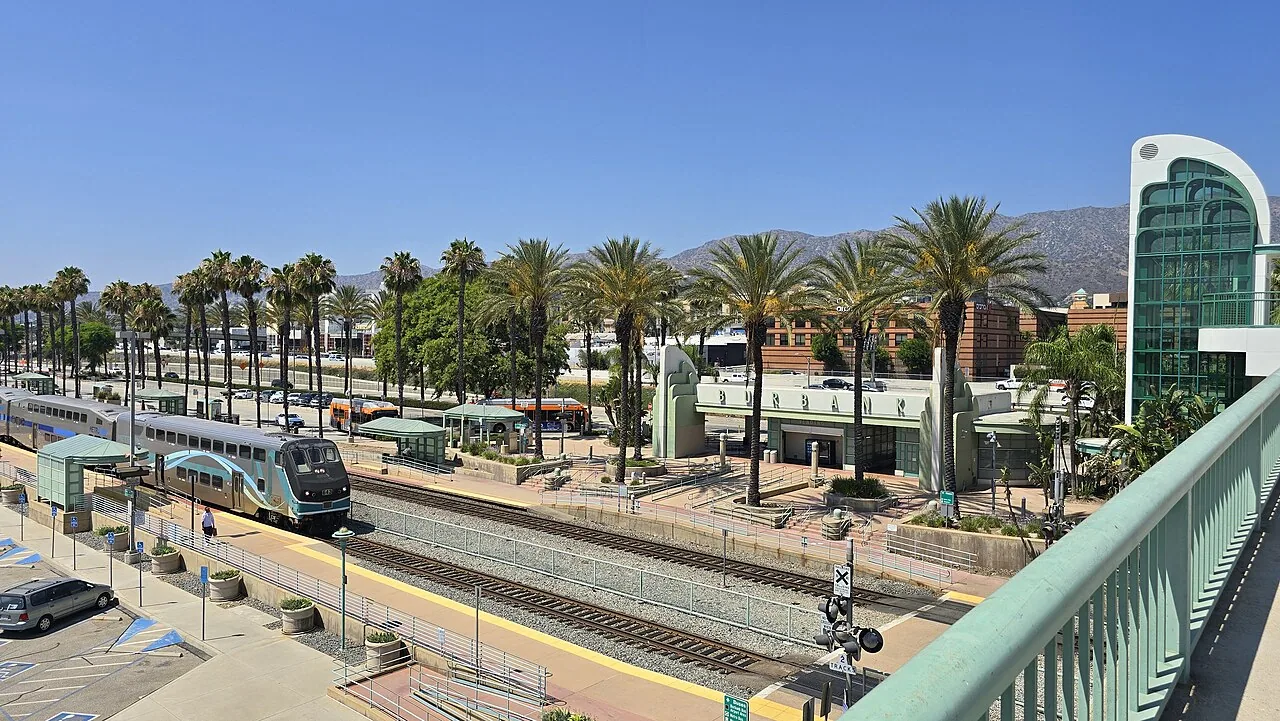
Production, office and retail buildings do not share one operating window, even when their roofs use the same membrane. In Burbank, the Media District combines studios with entertainment, healthcare and office employers, while the Airport District has technology, hotel and big-box retail uses. We begin a TPO review by locating the roof section, checking seam condition and drainage, and learning which space below must stay active. That record helps a facility director choose between a focused repair, a larger section renewal and a full replacement without turning a product label into the scope.
Burbank's long-term average daily maximum is 76.8°F. That figure frames the climate, not the membrane temperature on a workday. Our roof inspection process records those field conditions before we recommend a TPO detail or broader assembly change.
Read the Seams Before Naming the Repair
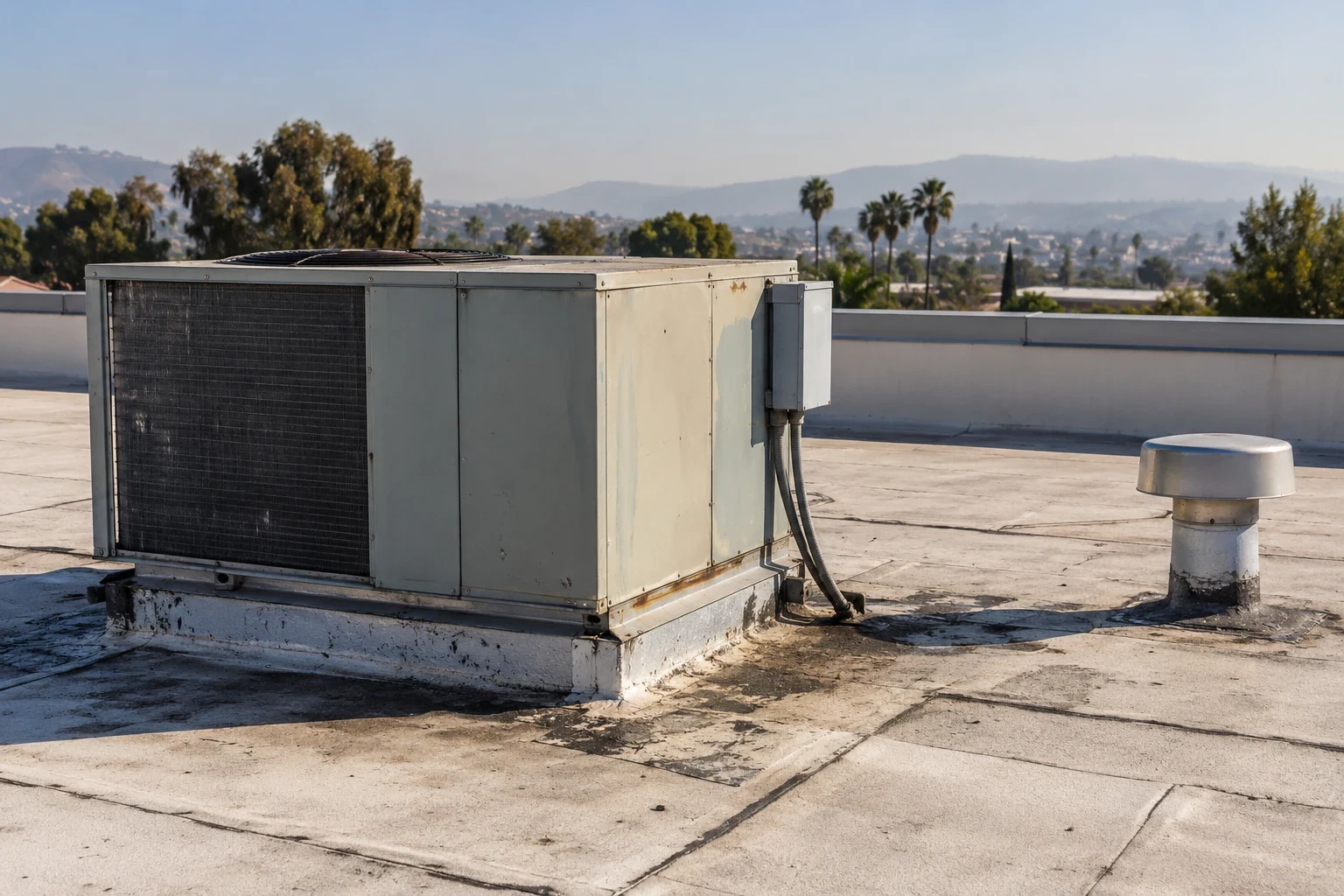
A TPO field sheet can look sound while a seam, termination or curb transition has begun to open. We inspect welds at intersections and around rooftop equipment, then compare those findings with interior reports and prior repair records. A single weak seam may support a localized repair; recurring separation across roof sections calls for a wider review of attachment, substrate and movement. We mark each condition on a roof map so an owner can see where the proposed boundary starts and ends.
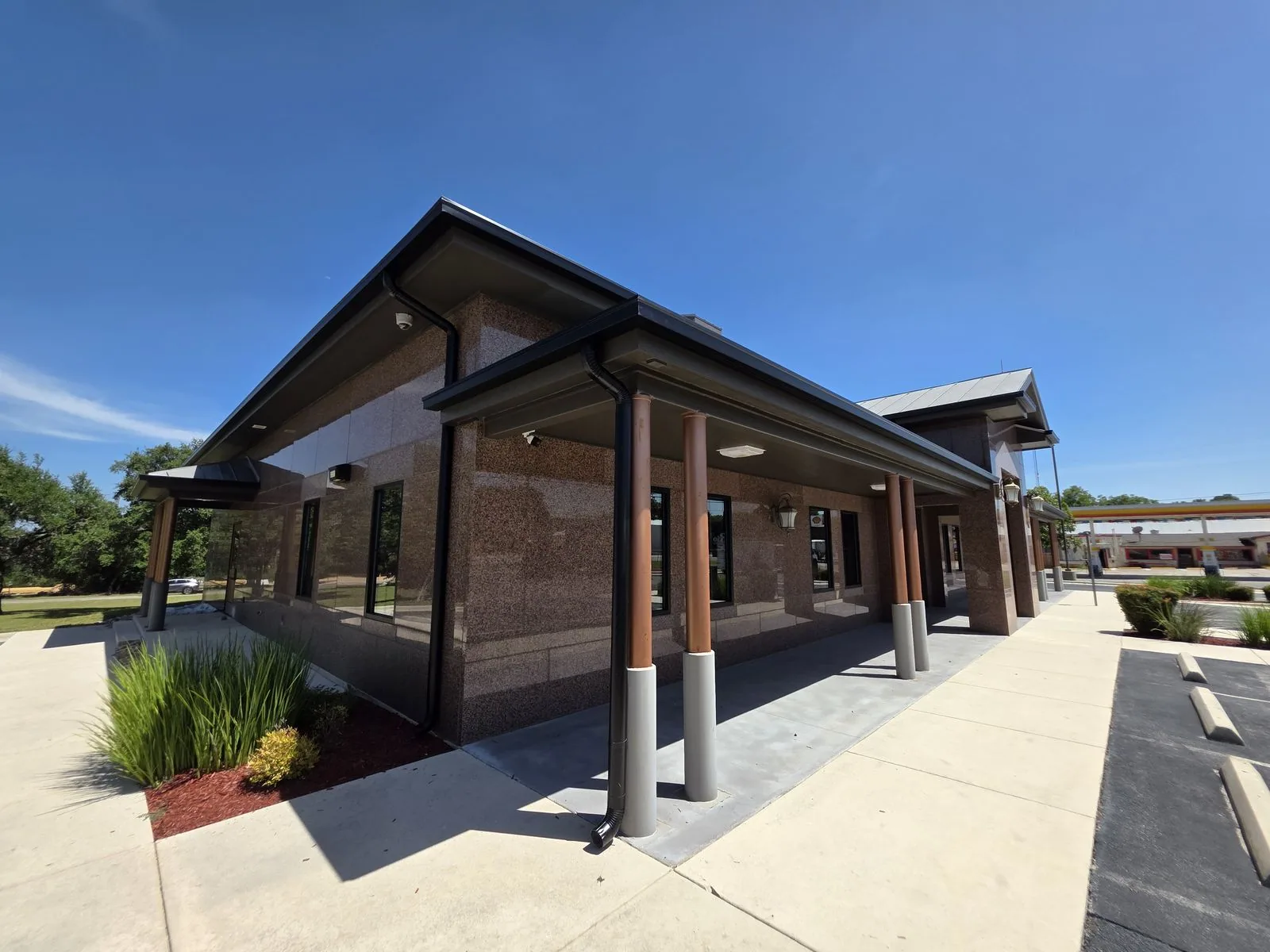
On buildings near Magnolia Park’s independent retail and dining corridors, deliveries and storefront access may constrain staging; a Media District facility may need quiet blocks around production. We account for the actual schedule after inspecting the roof, rather than treating the district name as proof of a building’s assembly.
Match the Membrane to the Existing Assembly
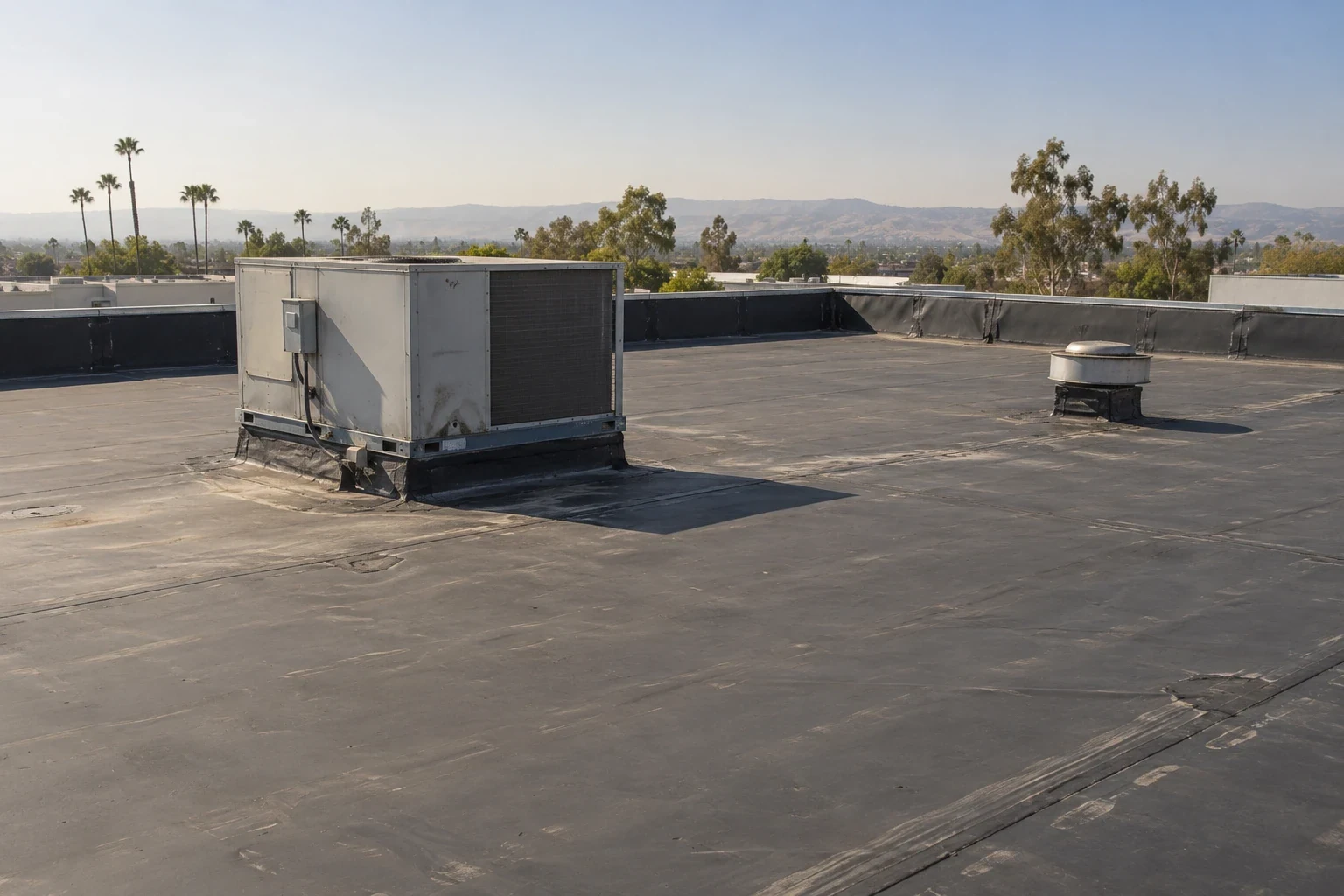
TPO is a thermoplastic single-ply membrane. Its seams are heat-welded, and the full assembly also depends on the deck, insulation, cover board, attachment, edge details and penetrations beneath it. We verify what is present before comparing a new TPO system with a repair or another membrane. Where an existing roof includes multiple layers or unknown wet areas, testing and selective openings may be needed before a recover is considered.
We compare it with PVC roofing, since both systems use heat-welded seams. We check the building use, rooftop discharge conditions, exposure, perimeter details and available records against the proposed system. If an existing membrane is EPDM, a transition plan also matters; the EPDM assembly review helps define what must be removed, separated or tied in rather than assuming a new layer can bond to any surface.
Set Drainage and Perimeter Details Together
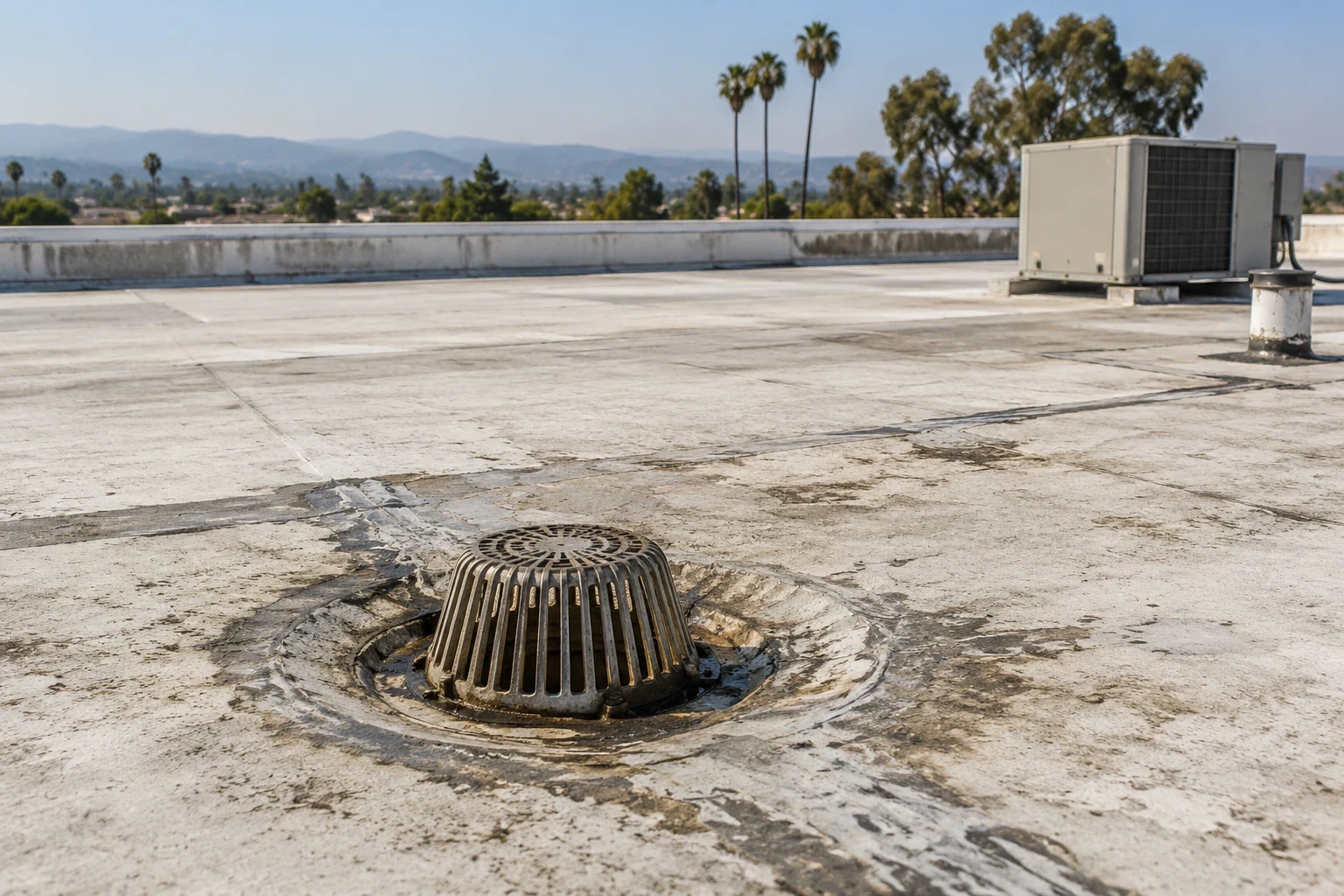
Water that remains at a low point can keep a seam or patch under repeated exposure. We check drain bowls, scuppers, overflow paths and the slope leading to them, then look at how the membrane turns up at walls and equipment curbs. The roof plan should show how water moves after the work and where each termination ends.
North San Fernando Boulevard and Victory Boulevard appear among Burbank’s named commercial corridors. We include a drain and scupper review where water path changes affect the TPO boundary, and a separate edge-metal detail check when perimeter attachment is part of the decision.
Choose a Repair Limit That Can Be Inspected
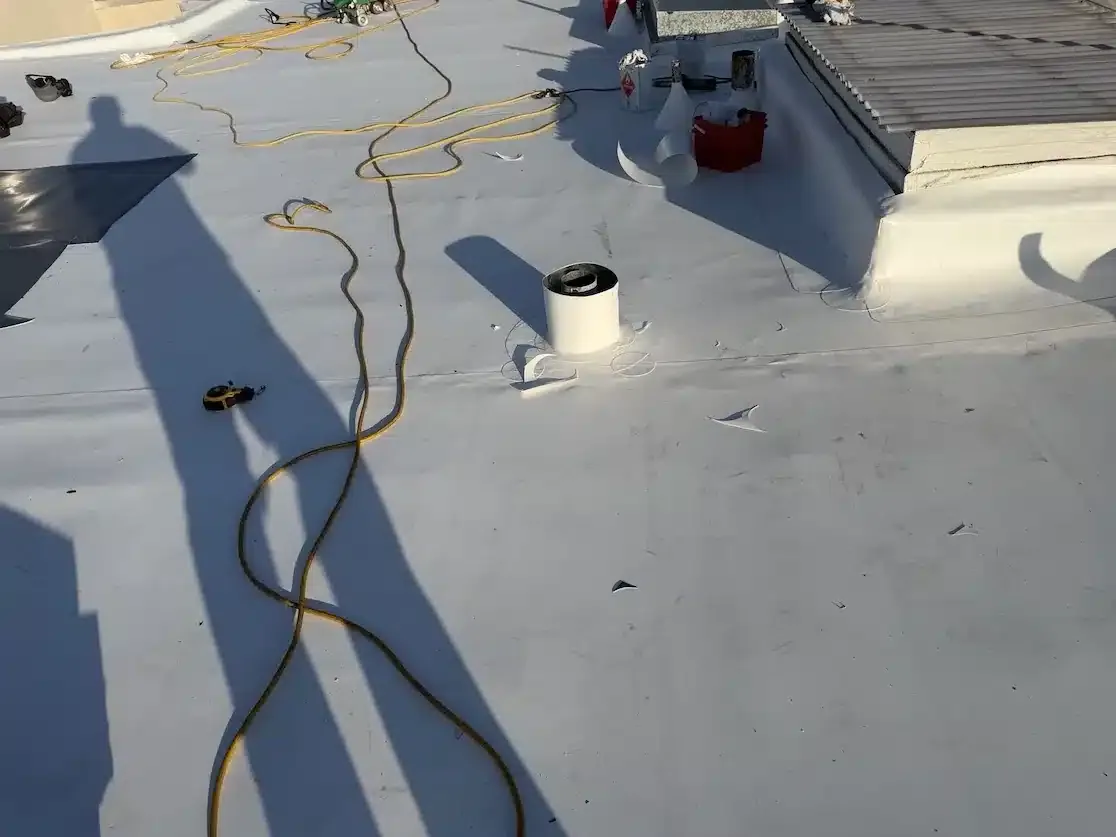
A TPO repair should state which seam, puncture, flashing or termination is being corrected and what remains outside the scope. We clean and prepare the surface as the system requires, then weld compatible membrane or flashing material and check the completed seam. The field record separates visible membrane conditions from concealed conditions that cannot be confirmed without an opening.
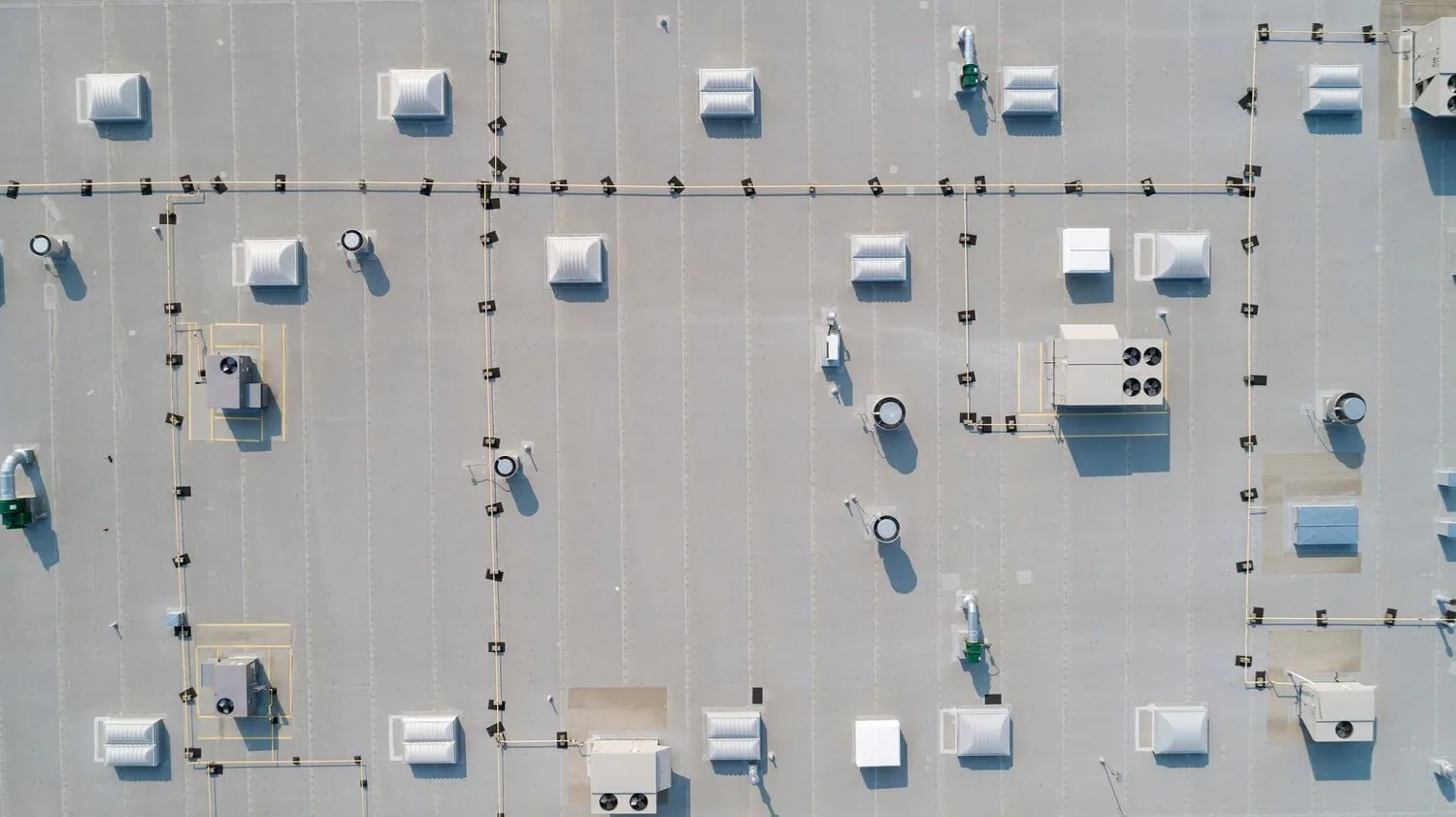
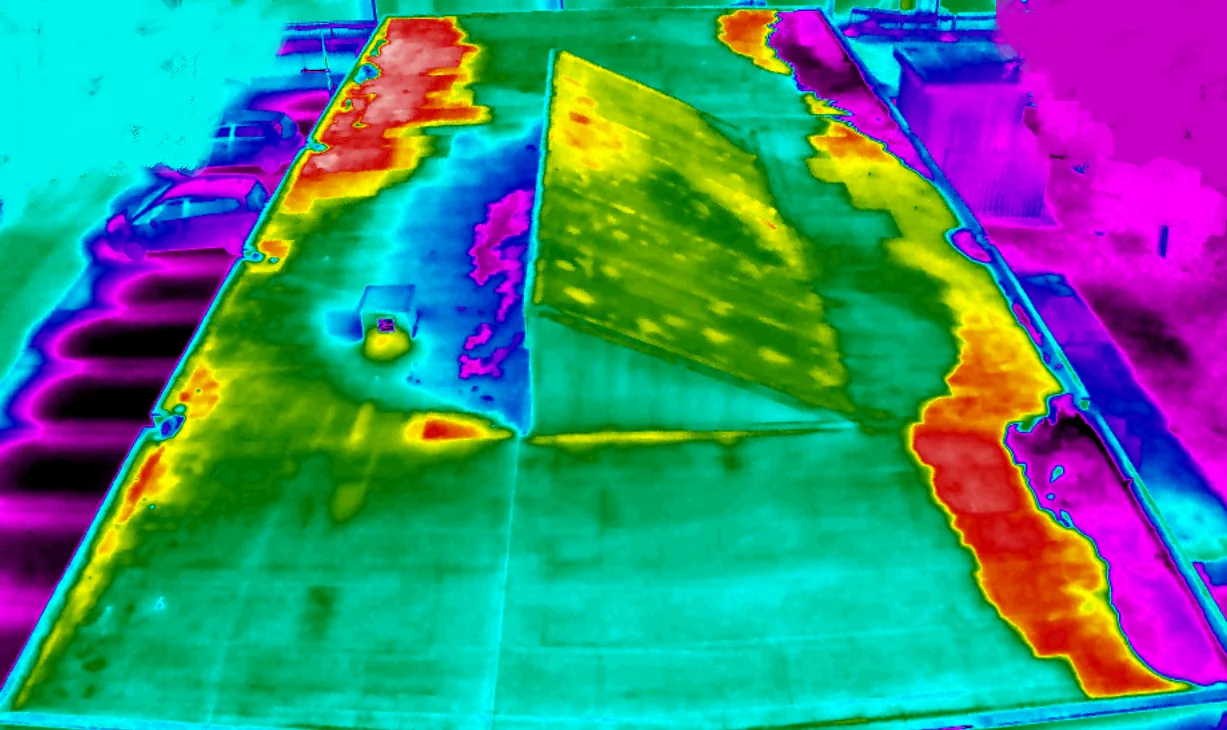
Where damage repeats across sections, a repair log can help compare continued patching with replacement timing. For a broader condition map, we can use an infrared moisture survey as one part of the investigation; scan patterns need field confirmation and do not independently identify a roof’s age, leak source or remaining life. The result is a repair boundary tied to evidence, not a promise based on one image.
Protect the Occupied Floor During Installation
TPO installation involves material movement, surface preparation, attachment, welding and detail work. We build an access plan around the roof sections, delivery path, lift needs and weather conditions. For occupied buildings, we coordinate loud work, overhead exposure and interior access with the facility director before mobilization.
Media District production schedules may differ from the visitor and delivery patterns in Downtown Burbank, which contains mixed office and retail uses. We mark staging areas, active equipment, drains and tenant-sensitive zones on the plan, then record any scope change before the next roof section begins. Where work needs protection during a weather interruption, the crew documents temporary measures and the check required before resuming.
Compare Recover and Replacement With Records
A recover can reduce tear-off only when the existing roof, deck and attachment are suitable and the chosen system permits it. We review the number and condition of existing layers, moisture evidence, substrate strength, drainage, edge height and transitions before including that option. The recover review keeps that decision separate from a replacement price so the owner can compare like conditions and understand the work boundary.
When a project alters or replaces a nonresidential roof, applicable permit and energy requirements depend on the scope and building type. The city ties energy review to a project’s building type and scope when a roof is altered or replaced. We identify the assembly information and proposed scope for the design team to review; the authority having jurisdiction determines the applicable path. If insulation or cover board changes, our insulation and cover-board scope should align with curbs, drains and edge heights before procurement.
Leave a TPO Record for the Next Decision
Closeout should tell the facility team what was installed, where the work ended and which conditions remain for monitoring. We provide roof-section photos, seam and flashing observations, material and detail notes, and a record of approved changes.
For a TPO roof in Burbank, the next step is a field review that connects membrane condition to building operations. We can inspect in the Media District or Airport District, document the assembly, and show which findings support a repair, recover study or replacement comparison. The Media District service area is a broad commercial district, not a single studio or tenant.
Commercial Roofing Questions
What should a TPO replacement scope identify before bidding?
The scope should state the roof sections, existing layers, insulation and cover-board assumptions, attachment method, edge and penetration details, drainage work, staging and removal limits. We note what the inspection confirms and what remains concealed. That gives each proposal the same baseline for comparison and keeps allowances visible rather than burying them in a product name.
Can a TPO seam be repaired without replacing the whole roof?
A localized repair may fit when the membrane and surrounding assembly remain sound and the failure is limited. We inspect the seam, nearby flashing, substrate and moisture indicators, then mark the repair boundary. Repeated seam failures, widespread wet insulation or incompatible prior patches can change the scope. The field record shows why a patch or broader renewal is being considered.
Does an infrared scan confirm that insulation is wet?
No. A scan can show thermal patterns that help target further checks, but conditions such as stored heat, shade, equipment and surface moisture can affect the image. We compare scan findings with visual inspection and confirm suspected areas by appropriate testing or selective opening before treating them as wet insulation.
How do you plan TPO work around a production schedule?
We ask the facility director to identify sound-sensitive periods, active roof equipment, access limits and interior areas that cannot be exposed. Then we divide the roof into work zones and set daily protection and closeout steps. A Media District production building may need different staging from Airport District retail or hotel space, so the actual operating plan governs.
When should an owner compare recover with tear-off?
Compare them after the existing layers, moisture, substrate, attachment, drainage and edge height have been checked. A recover is not a substitute for confirming those conditions. If the deck or insulation needs access, or added roof height creates conflicts, removal may be the clearer path. We document the assumptions behind each option so the capital decision follows the roof evidence.