Commercial Roofing for Real Estate Investors and REITs in Burbank, CA
A roof can change an acquisition reserve, a lease plan and the timing of a capital request. In Burbank, commercial assets sit in areas with different building uses, from Downtown's mixed office and retail blocks to the Airport District's technology, hotel and big-box retail mix. An investor needs evidence tied to the specific asset, not a broad estimate based on district type. We separate observed defects from assumptions, identify roof sections that were not accessible and show whether a repair, recovery or replacement merits a separate comparison. A due-diligence roof survey can give an acquisitions team a dated basis for its decision without suggesting that a visible condition reveals every concealed layer.
Screen the Assembly Before Underwriting
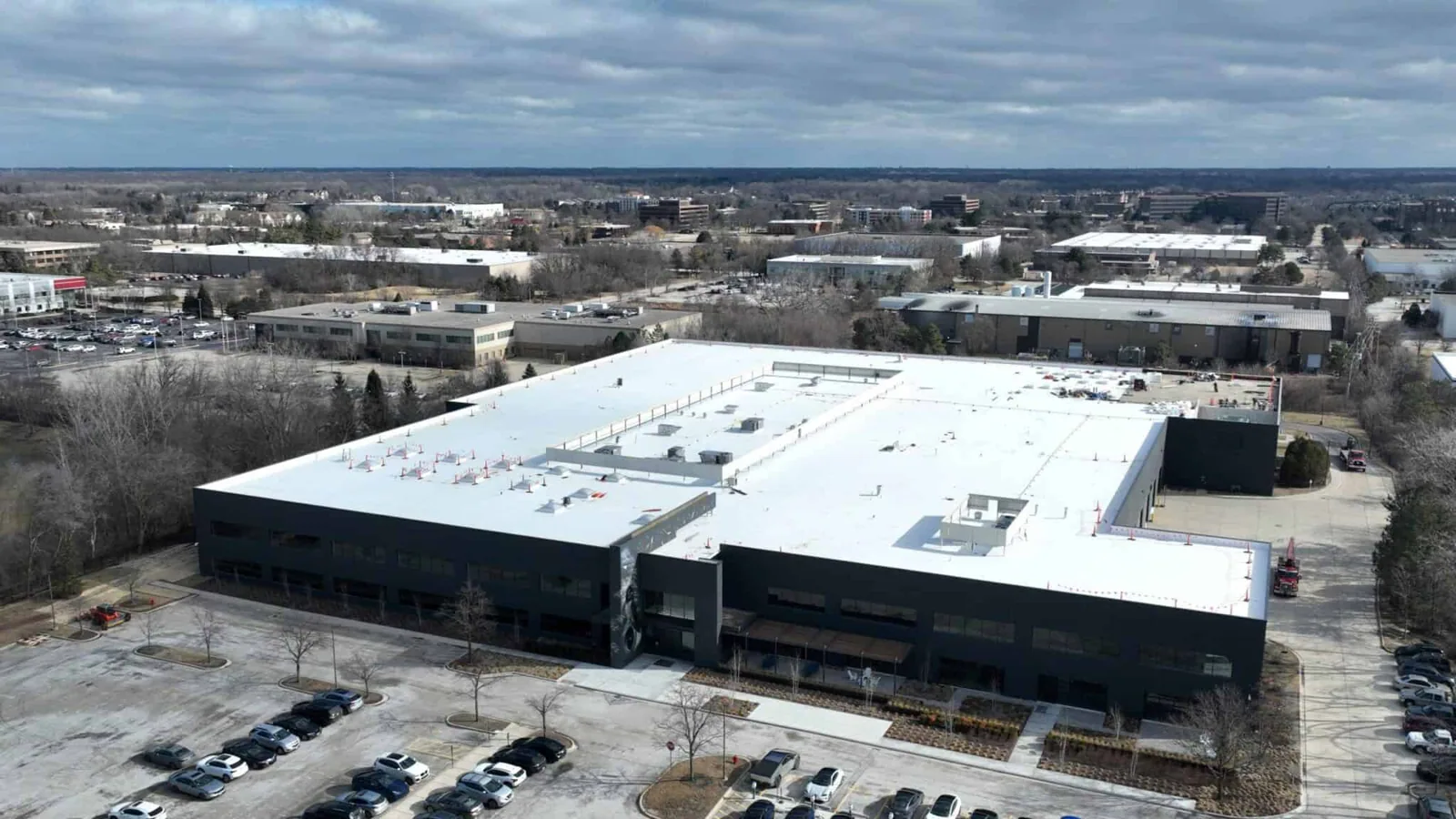
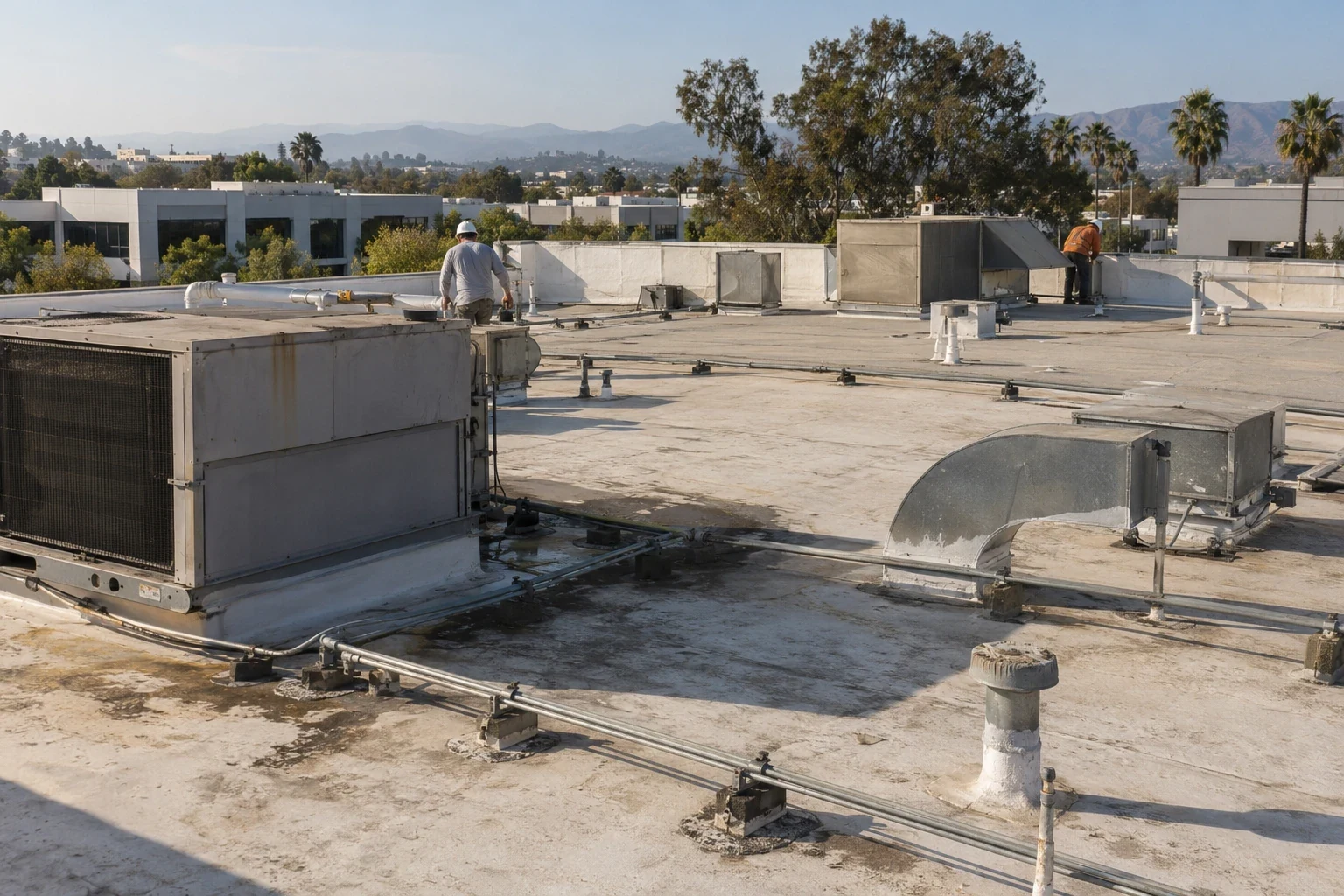
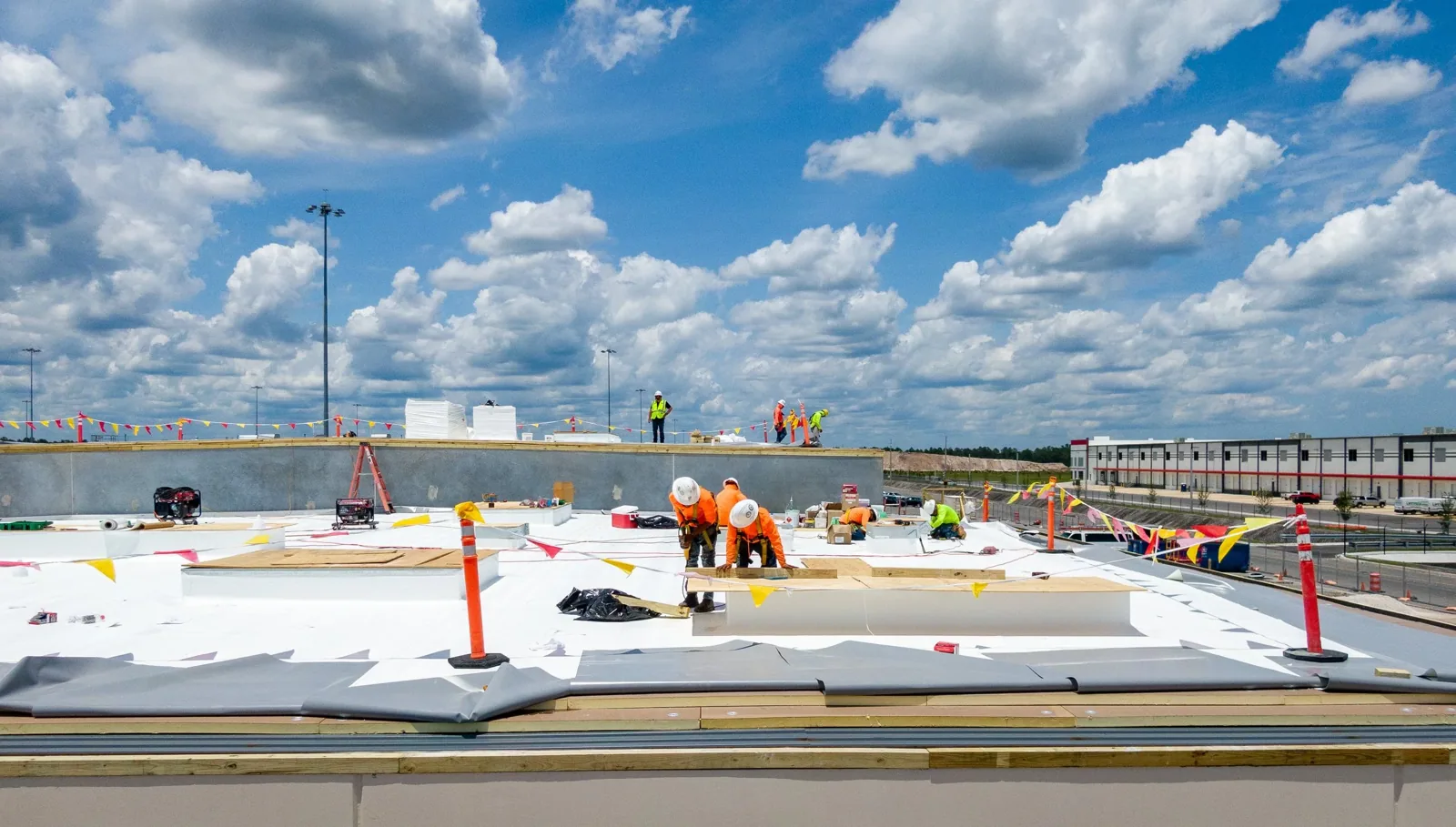
A useful roof review starts with what is installed and what records exist. We note membrane or metal type when visible, approximate layer transitions only when confirmed, drainage configuration, edge securement, curbs and prior repair patches. Where drawings or warranty papers exist, reconcile their assembly dates with roof observations and list conflicts for diligence. Any test cut or moisture investigation needs a defined location and approval before it proceeds. The report can separate known costs from unresolved exposure: a small repair boundary, a broad area requiring more investigation, and a renewal scenario only when the evidence supports it. That makes the underwriting file more useful than a single undifferentiated roof allowance.
During acquisition, the review window may be shorter than the time needed to expose every layer. We identify which sections were visible, whether records support the observed assembly and where a test could reduce uncertainty. Put verified defects in the current scope; move inaccessible areas and any destructive-test assumption to a clearly separate reserve note.
Tie the Local Asset to Its District
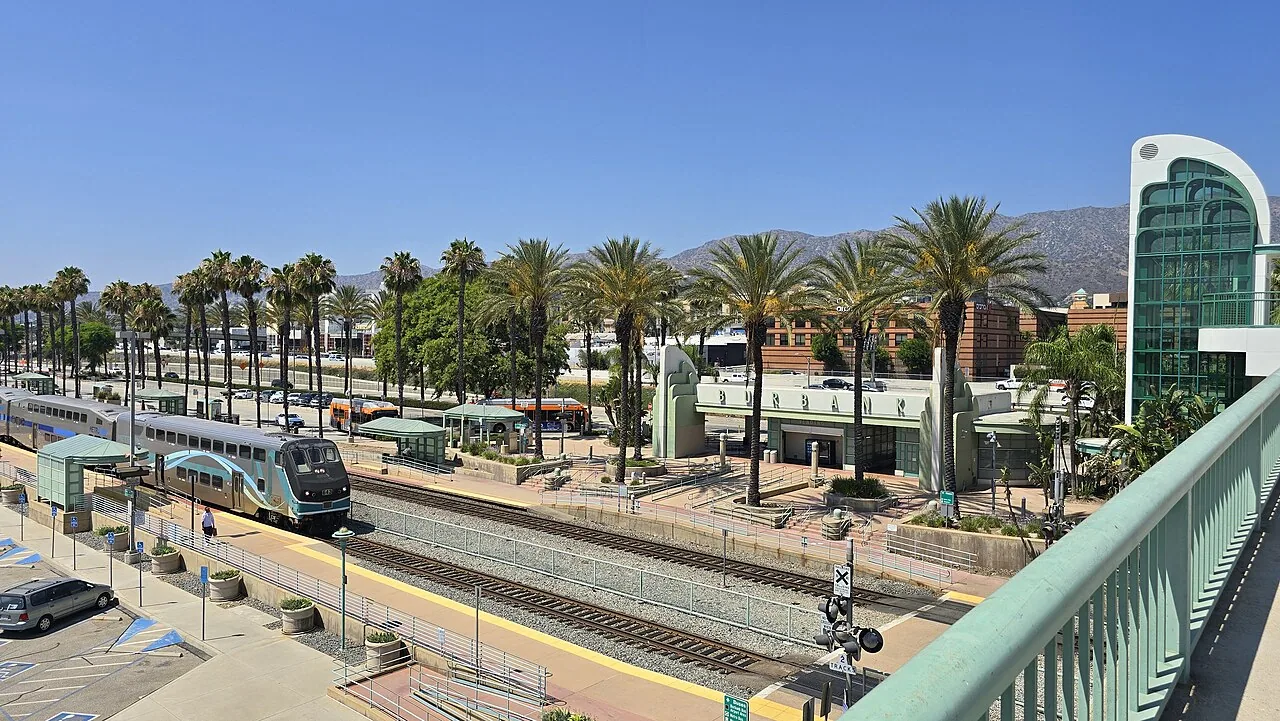
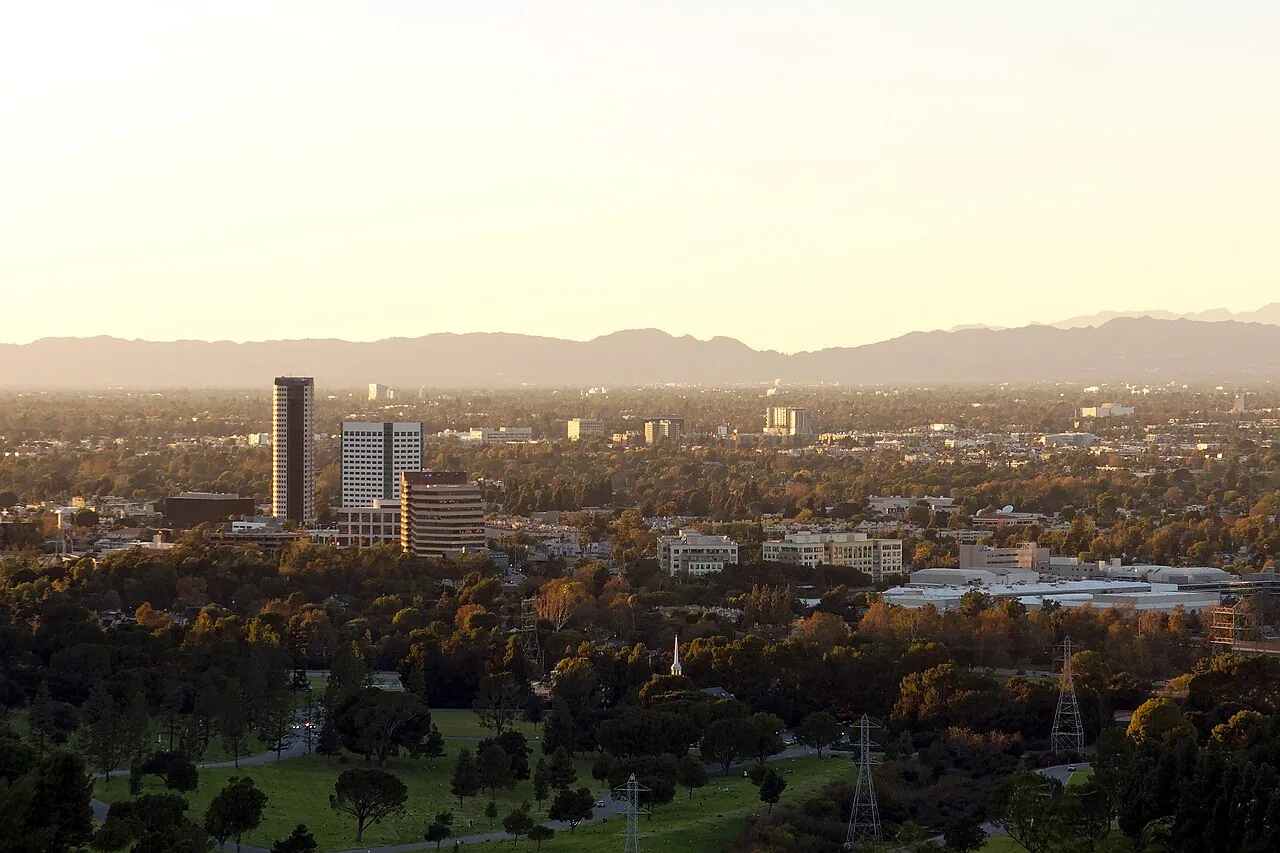
A portfolio may cross Downtown, the Media District, Magnolia Park and Airport District. Treat those names as geographic groupings only; each office, retail, production, hospitality or service property needs its own condition and reserve record. When a portfolio spans Downtown Burbank and the Media District, we label each address internally by its market area and keep observations attached to the correct roof plan. A Media District roof review can consider access and operating patterns typical of its own building mix; it cannot substitute for a survey at a different asset. That discipline helps investment staff compare scope without carrying a neighboring property's assumptions into the next file.
District context can help an asset team plan access and compare building use, but it does not transfer condition between addresses. A hotel roof near the Airport District and an office property in Downtown Burbank may share a market, yet have different decks, drainage, repair history and occupants. We keep the physical evidence tied to each asset's plan. Compare diligence findings with the property manager’s operating file, then isolate any reserve assumption from a confirmed defect.
Compare Repair With Renewal
A limited correction is worth pricing when inspection confirms the adjacent seams and insulation can remain in service. Replacement becomes a different conversation when moisture or separation crosses multiple sections, details repeatedly fail or the existing system no longer fits the planned hold period. We show scope boundaries, removal areas, temporary protection, substrate allowances and items that need owner selection. Recovering over an existing assembly may reduce removal but adds its own compatibility, moisture and attachment checks. A roof-recover evaluation should establish those limits rather than treat overlay as a default. Investment teams can then compare near-term repair against a defined renewal alternative with assumptions visible.
A capital comparison should hold scope assumptions steady. If one option includes removal, deck allowance and new edge metal while another excludes them, the totals are not comparable. We state which layers are removed, how temporary dry-in is handled and what condition would change the recommendation, so the investment team can compare the same roof boundary. An underwriting map should distinguish the Downtown Burbank mix of office, retail and storefront activity from the production and office employers in the Media District. Those district profiles inform questions for diligence, not assumptions about an individual asset.
Preserve Tenant and Operating Value
A capital decision has to fit the property's use. Retail may need a clear loading path; a studio or office may restrict noise, lift access or work near sensitive equipment; a hotel may have guest-facing areas below the roof. We phase work by section where the system allows a safe closeout, then note the access windows, temporary dry-in and daily cleanup. A proposal should separate the mobilization plan from permanent roof scope so an asset manager can compare bids on the same basis. We can also identify where tenant coordination may affect sequence or cost without assigning a generic disruption figure. The written plan gives the property team a way to preserve scheduled operations while resolving roof exposure.
Tenant obligations affect sequencing as well as the roof method. We map storefront, loading, meeting and equipment zones beneath the work area, then note which paths must remain open. A proposal can price the chosen access sequence separately from the membrane work, giving asset staff a clearer view of the operational effect without promising a disruption-free job. Construction interface questions belong in a separate contractor coordination log, not in an asset reserve assumption.
Give the Investment Committee a Decision Record
A condition summary should identify the asset, inspection date, access limitations, observed area, available documents, action requested and trigger for further review. Photographs need a roof-plan reference or a clear section label so an investment reviewer can follow the finding. If a condition is concealed or a tenant room was unavailable, the report says so and identifies an approved next step. A multi-site roof program can compare renewal exposure if each property's findings and inspection boundary remain attached to its own record. Schedule a Burbank review with the decision date, roof documents, leak history and planned hold or lease milestones in hand; the result is a scoped capital choice, not an unsupported portfolio average.
For multi-asset review, use consistent fields for inspection date, roof section, evidence type, access gaps, repair limit and approval requested. Keep the original photos and assumptions with each asset. That allows a portfolio lead to sort work by urgency while preserving the facts needed for a property-specific replacement decision.
Once the owner selects a path, the report can list procurement timing, site contact and the date that access or pricing assumptions should be reconfirmed. If an acquisition closes before testing is complete, that record gives the new asset lead a precise list of open questions rather than an inherited blanket condition.
Commercial Roofing Questions
Which findings belong in an acquisition reserve, and which are already field-confirmed?
Keep observed defects, inaccessible zones, documents reviewed and follow-up testing in separate diligence entries. Separate a scoped repair allowance from any portfolio renewal reserve; a surface patch reveals little about layers outside its footprint.
Can a roof report support an investment committee request?
Yes. We can organize photos by roof section and state the requested decision, scope boundary, timing driver and unresolved question. That lets the committee compare a repair authorization with a separate renewal option.
Does an asset in the Airport District inherit the same roof risk as a nearby office?
No. District context helps with access and use planning, but each property has a separate assembly and maintenance history. Inspection findings should stay attached to that asset and its roof plan.
When should a recovery be compared with replacement?
After confirming the existing layers, moisture extent, attachment, deck condition and project requirements. If concealed conditions remain unknown, the estimate should show a test or allowance path instead of presenting recovery as settled.
What approval must be secured before the survey can include a locked roof zone?
Identify the blocked zone, why the inspector could not enter and the owner or tenant approval needed for a return visit. That preserves a clear limit in the investment record and prevents a partial review from being represented as complete.