Commercial Roof Due Diligence Surveys in Burbank, CA
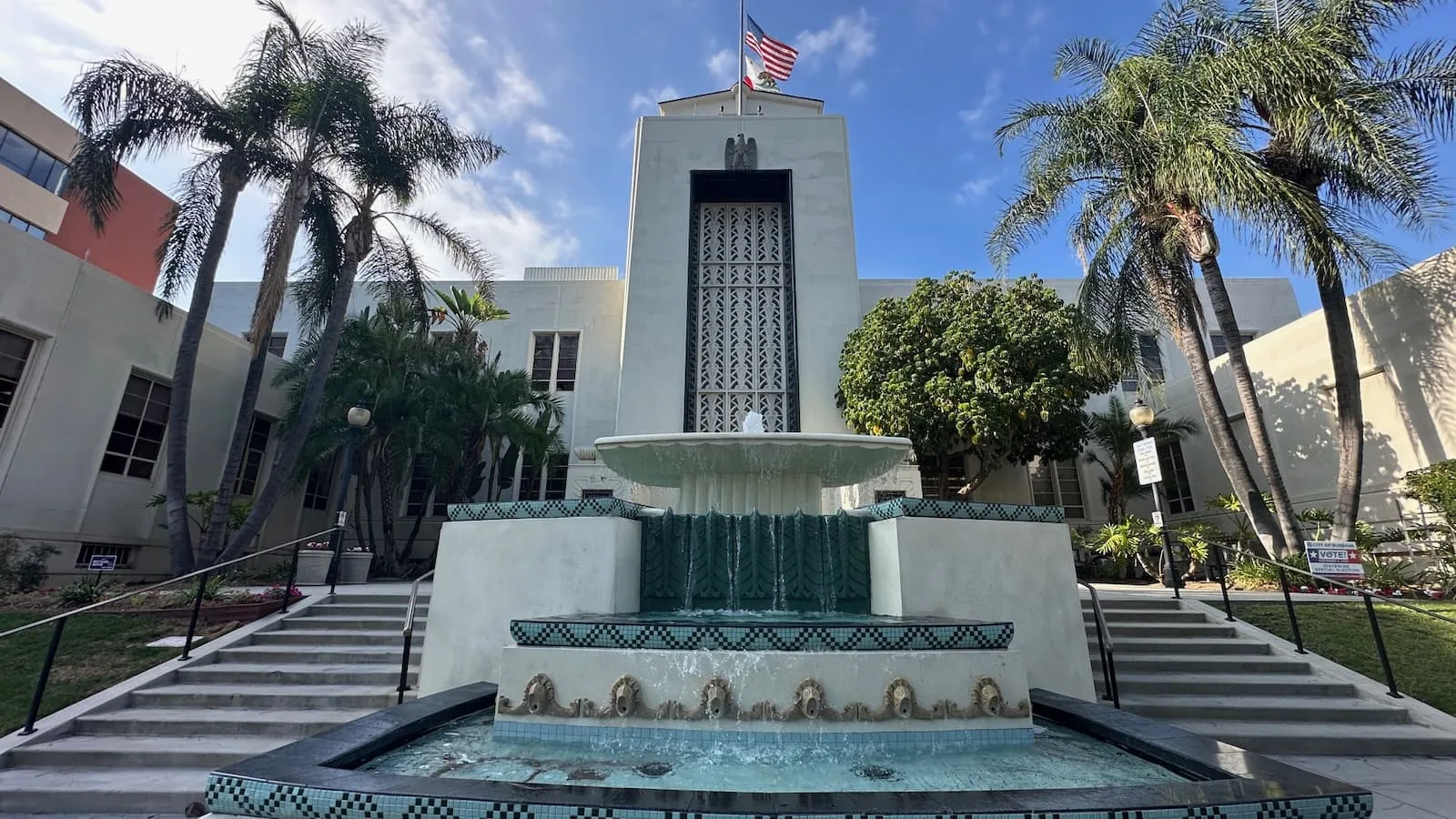
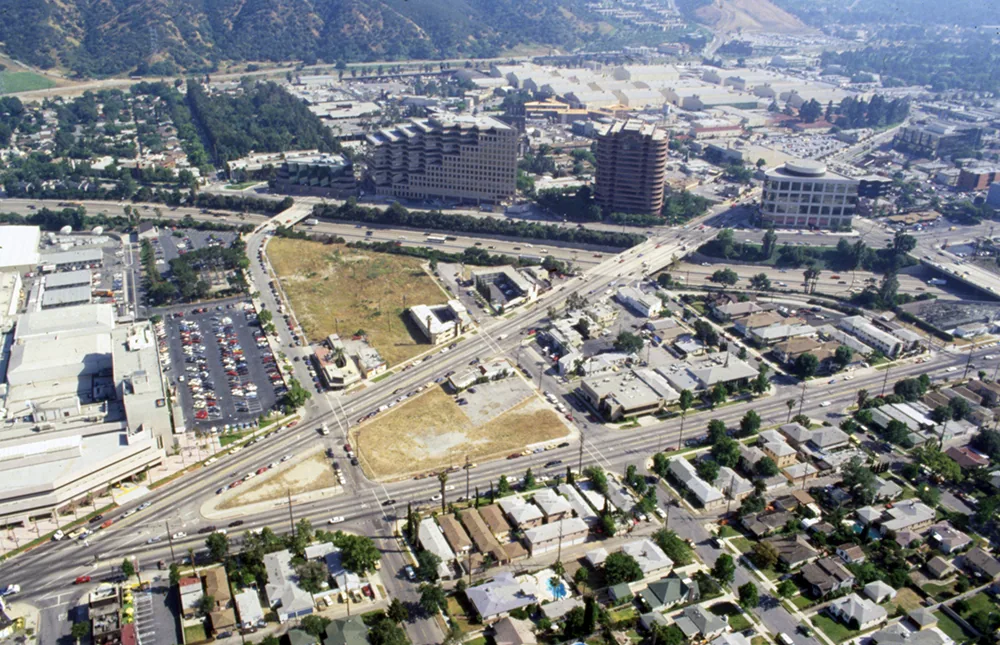
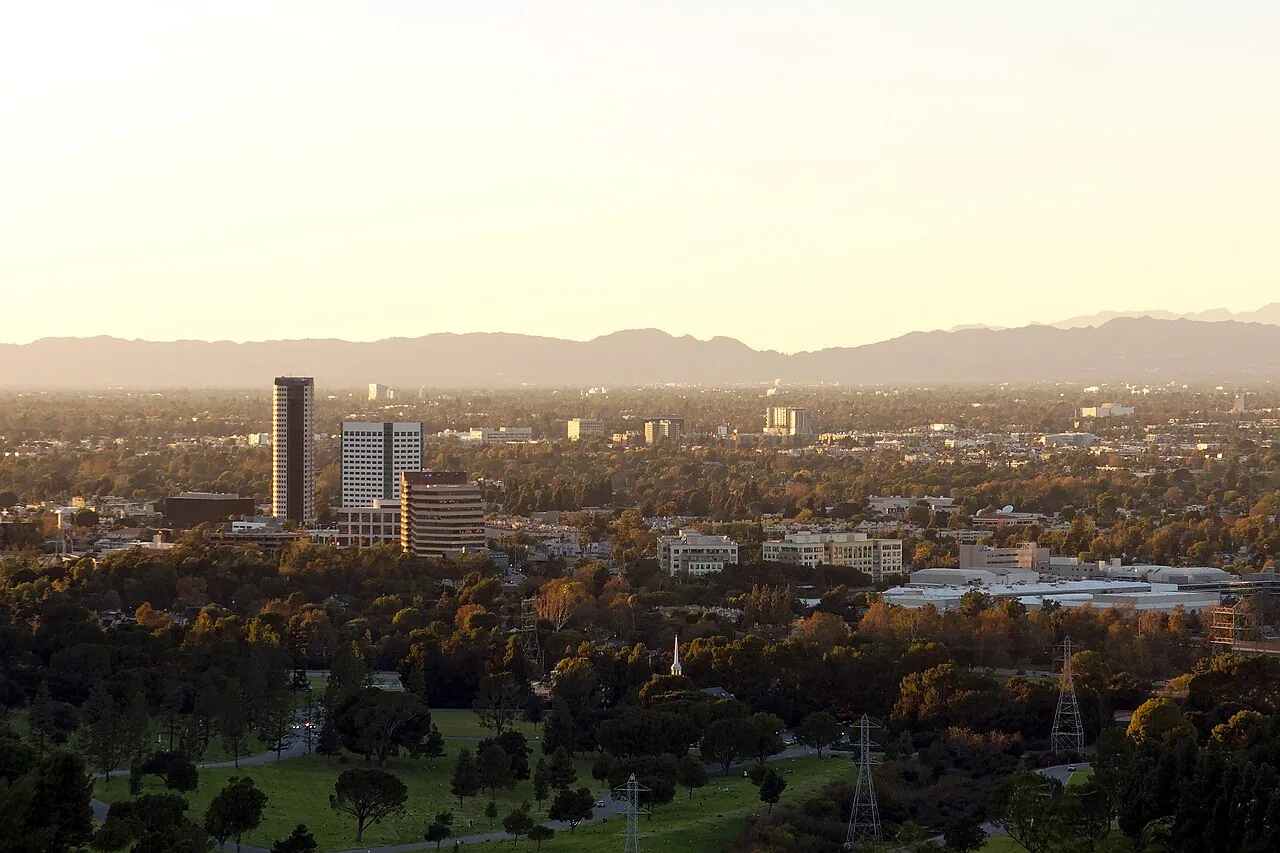
A transaction schedule leaves little room for a roof report that says only to inspect further. The buyer, lender or asset manager needs to know which sections were reviewed, what was visible, what documents support the description and where an additional test may change the decision. Downtown Burbank includes office and retail space within a mixed-use commercial district; the Media District adds production, healthcare and office uses. Neither area profile establishes the condition of a particular property, so our survey starts with its records and accessible roof.
We compare the roof plan, service history, repair invoices, warranties and field observations. The report distinguishes confirmed conditions from gaps, then identifies a follow-up that can be completed within the transaction window. A condition report supplies the roof-section evidence; a capital comparison can help ownership carry repair and renewal options into its underwriting.
Reconcile Records Before Field Conclusions
Review roof plans, project closeout files, product submittals, warranties, maintenance logs, repair invoices and any prior moisture surveys. Compare dates and covered areas. A plan may show a previous assembly rather than the one now in place, and a repair invoice may describe an approved scope without documenting its final condition. We note where files agree and where the buyer needs confirmation. This keeps a document gap visible instead of turning it into an assumption about the roof.
For a Media District building, studio, healthcare, entertainment and office uses may affect access, equipment coordination and the time available for roof entry. Downtown properties may have distinct tenant and loading arrangements. We ask the seller or property representative to identify access restrictions and current contacts, then record the limits of the visit. A Media District roof survey and Downtown Burbank review remain grounded in the individual property file, not in a district's aggregate character.
Map Conditions by Roof Section
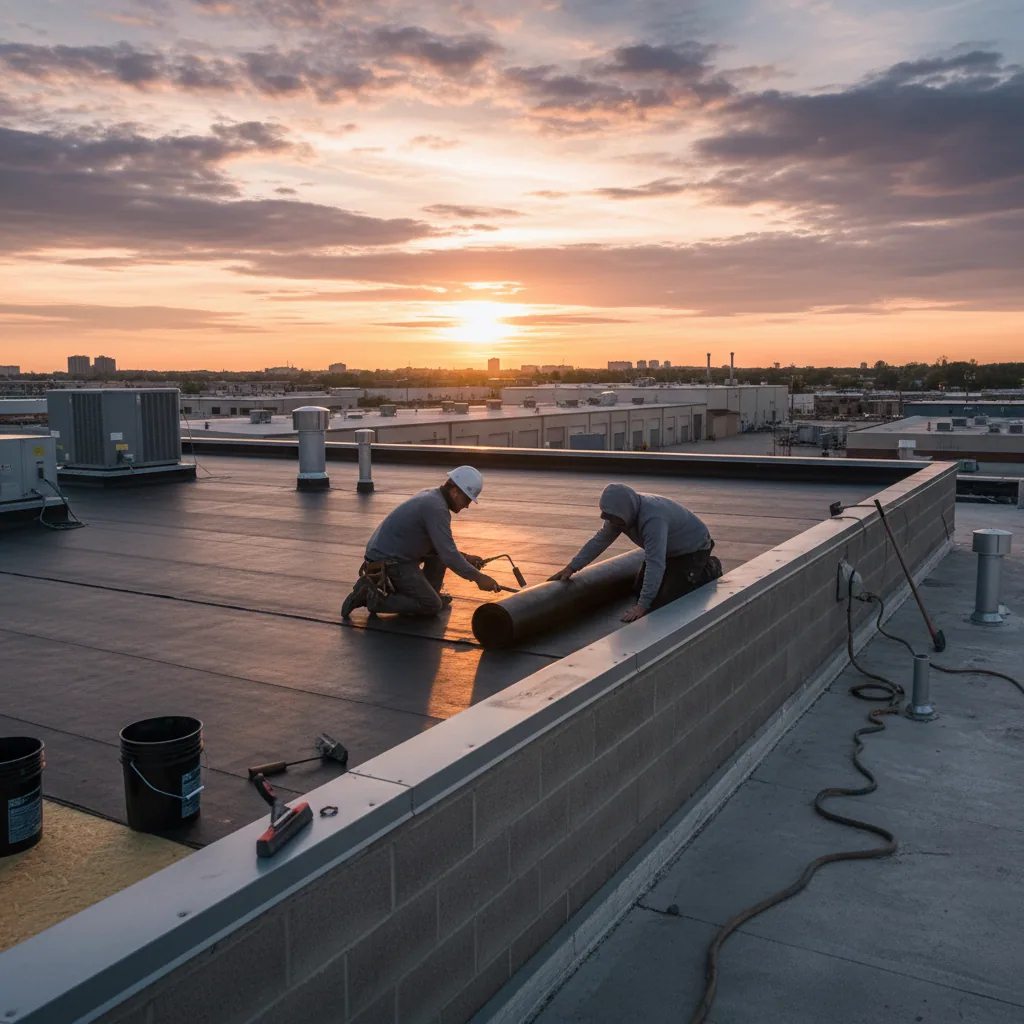
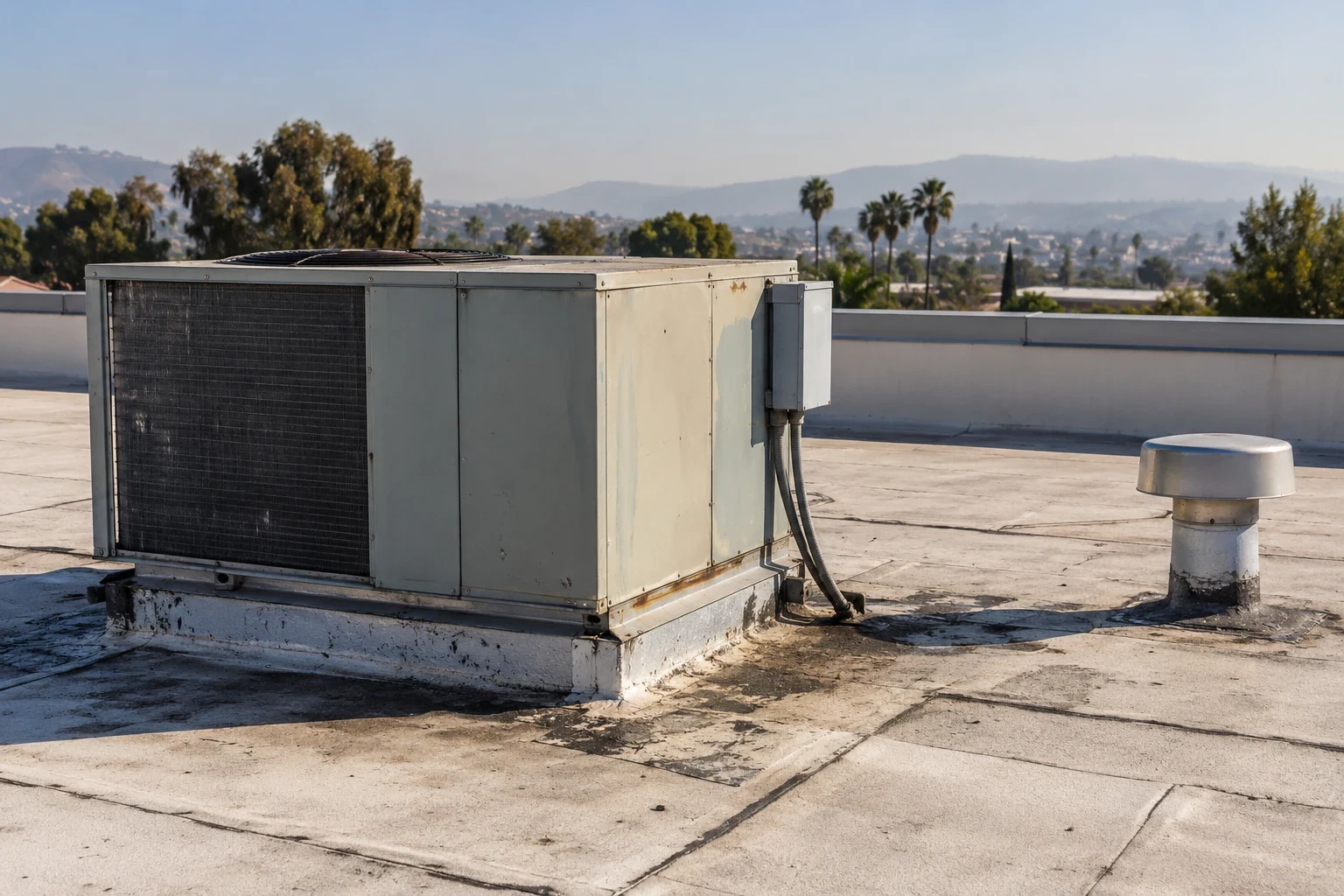
On site, we identify access, roof system where known, drains, edges, curbs, penetrations, transitions and visible repair history. Findings receive a location and photo reference. If a roof area is occupied by equipment or cannot be safely reached, we mark the limit rather than extrapolate. We may recommend a test opening or targeted moisture check when the transaction decision depends on a concealed condition, but only with owner approval and a defined restoration detail.
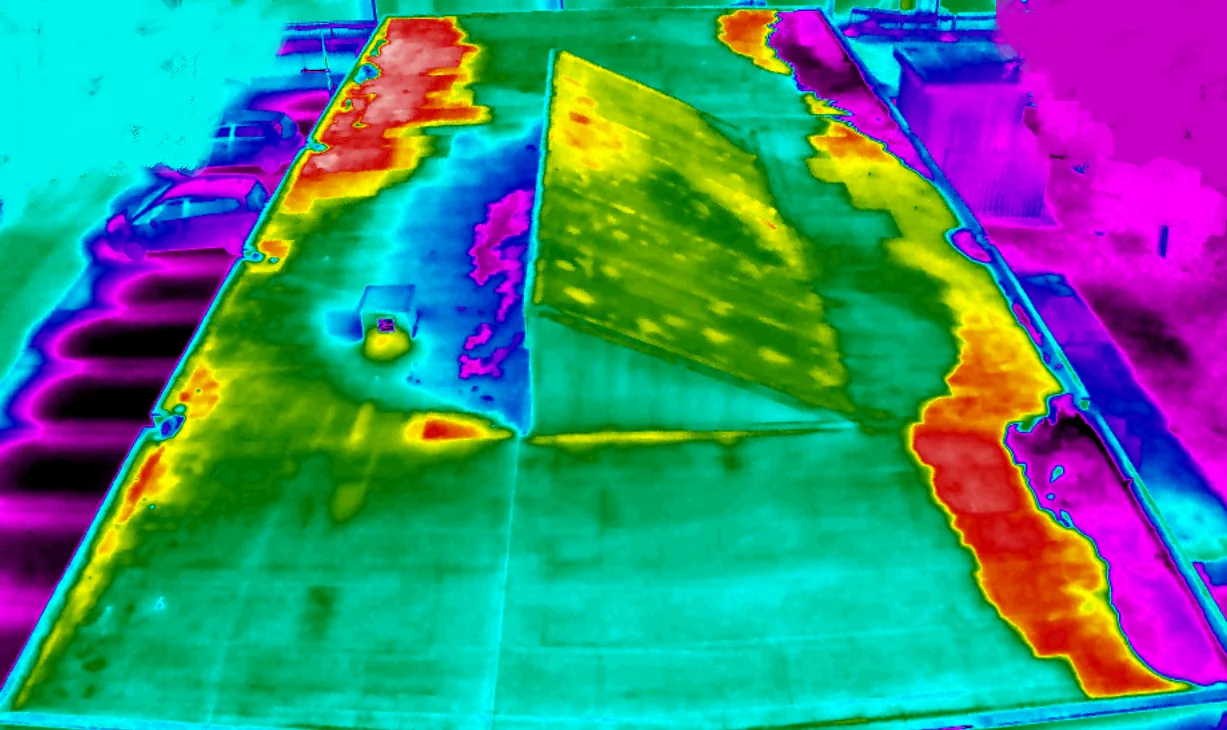
We distinguish a stain, reported leak, ponding observation, seam issue or soft area from its cause unless the evidence establishes that connection. An infrared scan can guide further investigation but does not alone prove wet insulation. A commercial roof inspection documents visible conditions; infrared assessment can add a different data point when conditions support it. The report states the method, date and area reviewed so a reader understands what the transaction file does and does not establish.
Describe Near-Term Work Without False Precision
For each condition, we describe the observed issue, affected section, likely action, access assumptions and work that remains undefined. A repair scope may be ready for pricing if materials and boundaries are known. A concealed moisture concern may require an allowance or test before a firm repair boundary can be set. We avoid unsupported remaining-life estimates. The owner should see what can be scheduled now, what is contingent and what cost or timing driver needs another decision.
Burbank long-term averages place daily highs at 76.8 F across the year, while the mean temperature is 64.5 F. Neither value describes conditions directly beneath a particular assembly. The actual assembly, insulation, membrane, repairs and drainage control the condition assessment. A transaction summary should not convert a local normal or a roof age into an exact failure date. If the roof uses a TPO assembly or another system, confirm the record and detail condition before pricing repair or renewal.
Compare Repair With Renewal Exposure
When a buyer needs a capital view, compare a repair path with recover and replacement scenarios using the same roof sections. Identify tear-off, disposal, insulation, cover board, membrane, edge work, drains, curb transitions and tenant protection where applicable. State what remains an allowance. A recovery can be considered only after layer count, deck condition, moisture, attachment and system limits are reviewed. Replacement assumptions should likewise name the areas, assembly and interface work included.
A proposed project should explain disruption as well as the materials. Downtown street activity or an operating studio may affect staging and daily closeout, but the property's own rules determine the sequence. An overlay feasibility review and replacement scope can be compared in the same report. We present the evidence and distinguish current repair needs from future renewal so a buyer can decide whether to proceed, obtain more information or negotiate a defined scope.
Deliver a Decision File on the Deal Schedule
Set a field visit date, requested file cutoff, access contact and delivery date at the start. The final package can include an executive summary, marked roof plan, photo index, document register, condition table, limitations, recommended testing and scoped repair options. Keep facts tied to their source record and mark whether the source was provided by ownership or observed during the visit. If the buyer needs a lender-ready summary, agree on the format before the inspection rather than stripping important limits afterward.
Open items need owners and deadlines. A missing warranty, inaccessible section or pending core sample can affect a transaction differently from a confirmed active leak. We list each item by its decision impact and explain which record would close it. Bring the roof plan, repair history, warranty file and transaction date to a roof record review. We will document the accessible conditions and keep each conclusion within the evidence gathered for the Burbank property.
For refinancing, the reviewer may need a clear distinction between maintenance backlog and a capital project. We describe the items that can be addressed in a defined service visit, those needing intrusive review and those that appear to involve broader assembly renewal. If the transaction schedule permits only a limited visit, the report names the areas reached and the records that remain missing. The lender or buyer can then decide whether to authorize more testing, request a scoped proposal or carry a stated condition into its own review.
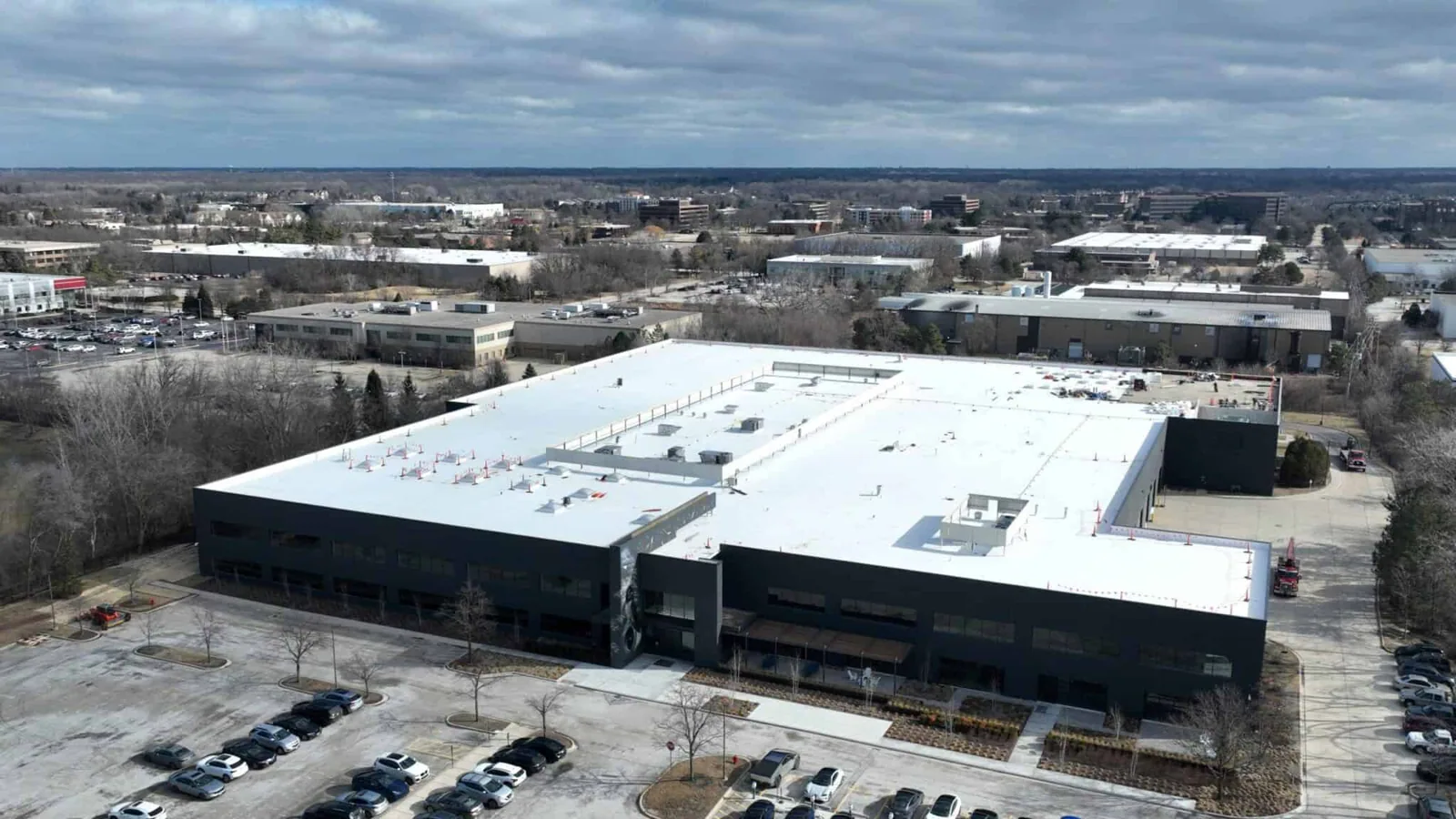
When the property has multiple roof sections or additions, keep the survey findings separated by assembly and date. One section may have a recent replacement while an adjacent area retains older details, and the transaction file should not merge them into a single age statement. We compare accessible edges and transitions, note where the roof plan changes, and identify records needed to confirm each assembly. A clear section schedule gives buyers and lenders a better basis for assigning follow-up and avoids extending one observed condition to an area that was not reviewed.
Commercial Roofing Questions
Can a survey give a precise remaining life?
A visual survey cannot set an exact failure date. We describe condition, repair history, limitations and the next test or renewal comparison that could inform a capital decision.
What if the seller has no roof plan?
We create a working section map for the areas accessible during the visit and identify where its boundaries need confirmation. The report will not imply that inaccessible areas were inspected.
Can the report be used for underwriting?
Yes, when the requested format and decision questions are agreed in advance. We provide observed conditions, file gaps, scoped next steps and limitations so the reviewer can weigh the evidence.
Should moisture testing be included automatically?
Only when the condition and transaction question make it useful. We define the method and area, obtain approval for any opening, and state what the result can establish.
How do you price a roof issue that is not yet defined?
We separate known repair from an investigation or allowance. The buyer can see what evidence is missing before turning a preliminary range into an approved scope.