Roofing Manufacturers in Burbank, CA
A manufacturer name does not establish what is installed on a building or who may authorize a repair. We identify the existing assembly from accessible records and field details, then compare compatible work methods. That distinction matters for properties in Burbank's Media District, where production and office uses can affect roof access, and in the Airport District, where hotels, technology companies and big-box retail share a broad commercial area. The roof documents and physical inspection set the path forward.
More About Our Roofing Manufacturers
Identify the Product and Assembly
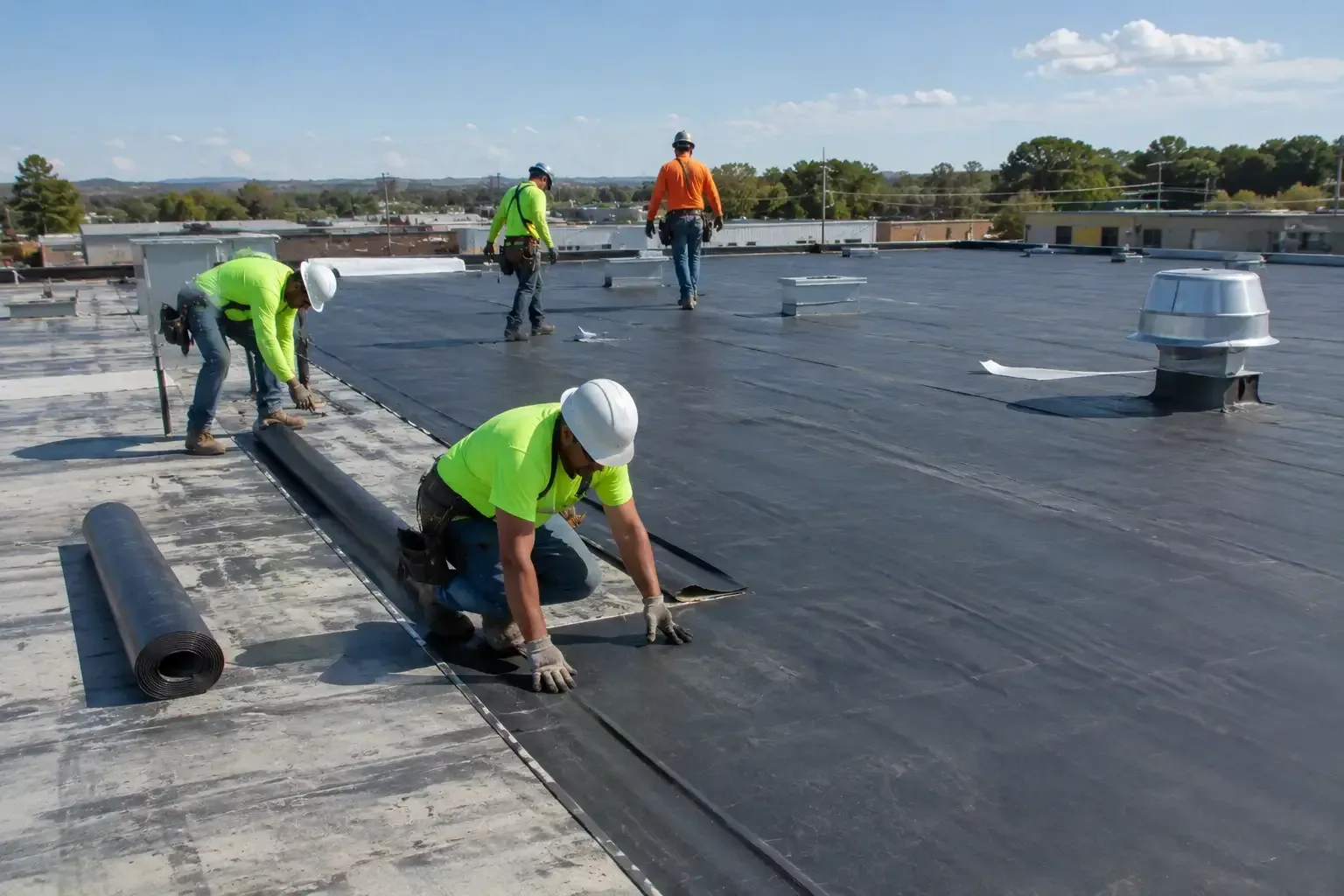
Start with the roof plan, closeout file, warranty documents and any labels that remain accessible. The GAF, Carlisle SynTec and Johns Manville systems each include product families that must be matched to the installed roof. We inspect membrane, seams, attachment and flashing rather than assuming that a brand on an old invoice describes the full assembly. If records and field conditions differ, the scope should say what was confirmed and what needs further verification.
Check Repair Compatibility Before Mobilizing
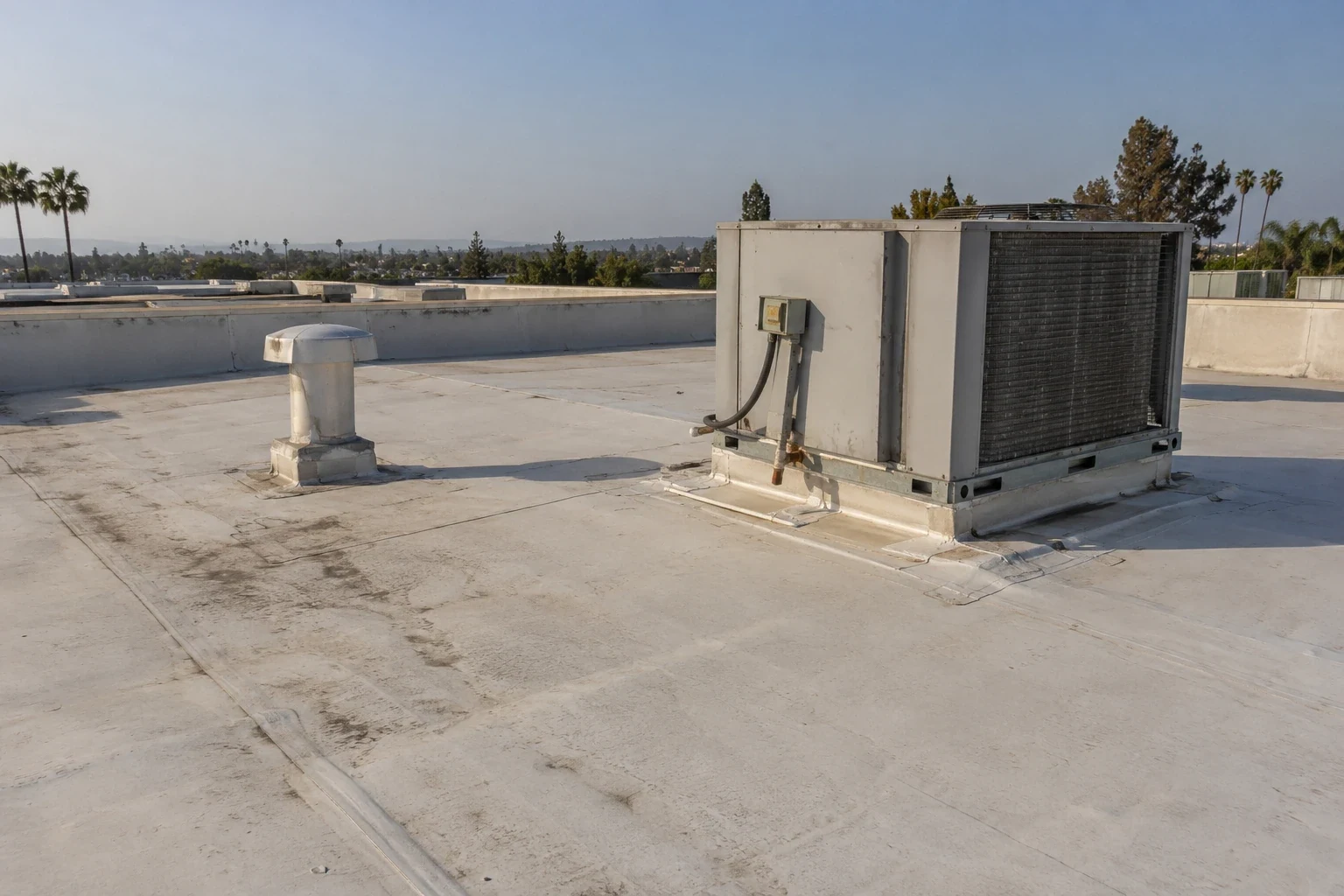
A patch must suit the membrane and detail being repaired. We assess the surface, seam type, substrate and prior repairs, then identify any product or warranty requirements that need review. Other documented system families include Holcim Elevate, Sika Sarnafil, Versico, Soprema and Duro-Last. We evaluate the published system guidance alongside roof records and field findings, then state which compatibility requirements govern the proposed repair.
Read Warranty Terms With the Proposed Scope
Warranty coverage depends on the actual documents, system and work proposed. Before altering a roof, we collect the available warranty, inspection and maintenance records and flag conditions that may require manufacturer review. The owner should know which responsibilities apply to maintenance, repair approval, access or closeout. If the documentation is incomplete, the field survey can record visible conditions and identify the missing evidence without assigning a term or coverage that has not been confirmed.
Tie Product Records to the Operating Window
For a permitted roof alteration, Burbank's code transition has a cutoff: applications filed by the city's stated 2025 date remain under the 2022 code, while the 2025 California standards with local amendments apply beginning January 1, 2026. A manufacturer's system details and the proposed work should be reviewed against the edition that governs the permit. We record the installed assembly, product basis and work boundary so the building team can evaluate those requirements before authorizing an alteration.
Commercial Roofing Questions
How do you identify a roof manufacturer's system?
We review available plans, warranty papers and labels, then compare them with the membrane, seams and details visible during inspection.
Does a brand name mean a repair is approved?
No. The material and proposed method have to meet the applicable system requirements. Any required manufacturer review is identified before the work proceeds.
What if the old warranty file is missing?
We record the assembly details we can verify, note the missing documents and avoid representing a coverage term that has not been confirmed.
Can a repair affect the remaining warranty?
It can, depending on the documents and scope. We review the available terms and clarify which questions need an answer before altering the roof.