Multi-Site Commercial Roof Programs in Burbank, CA
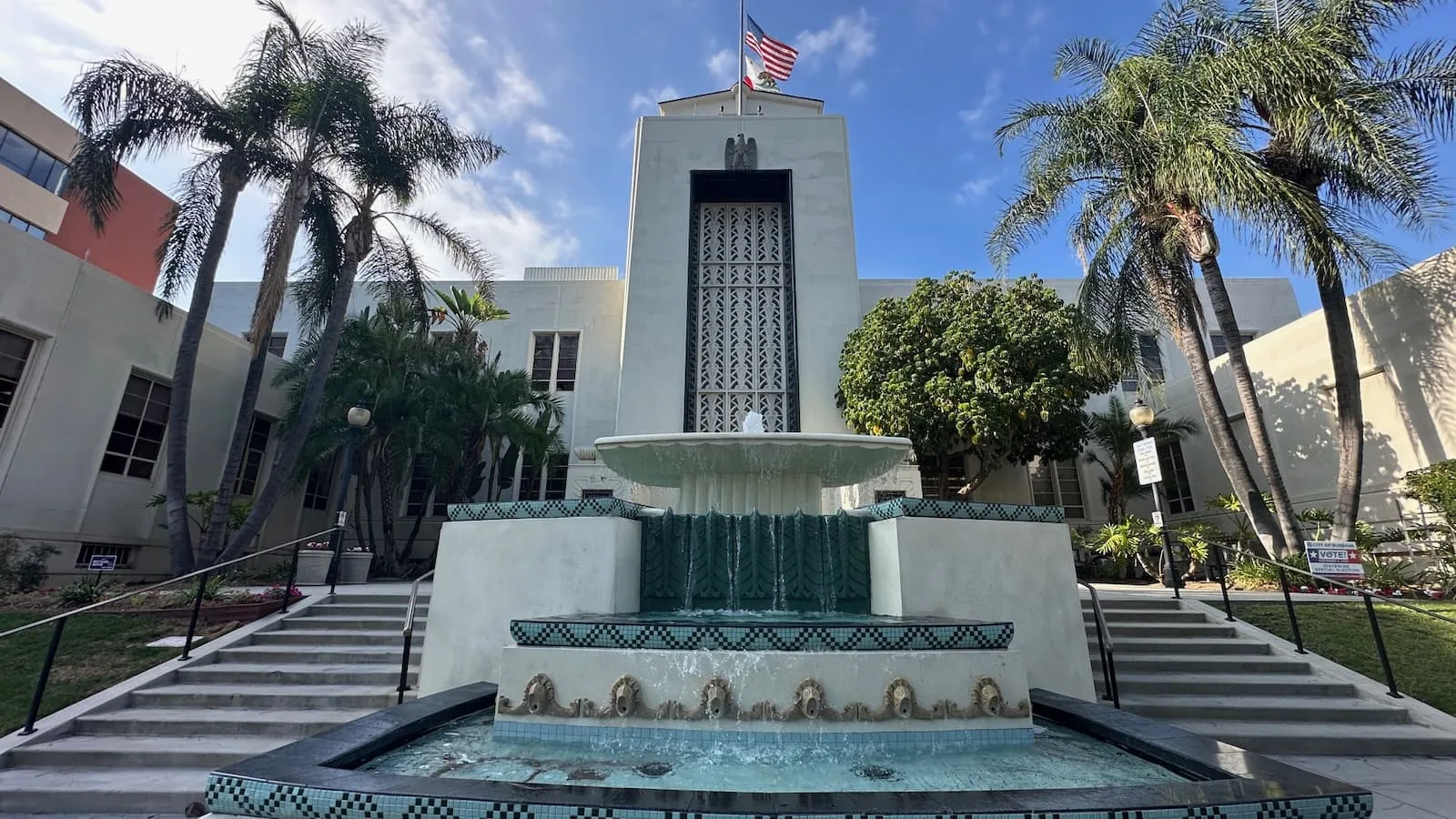
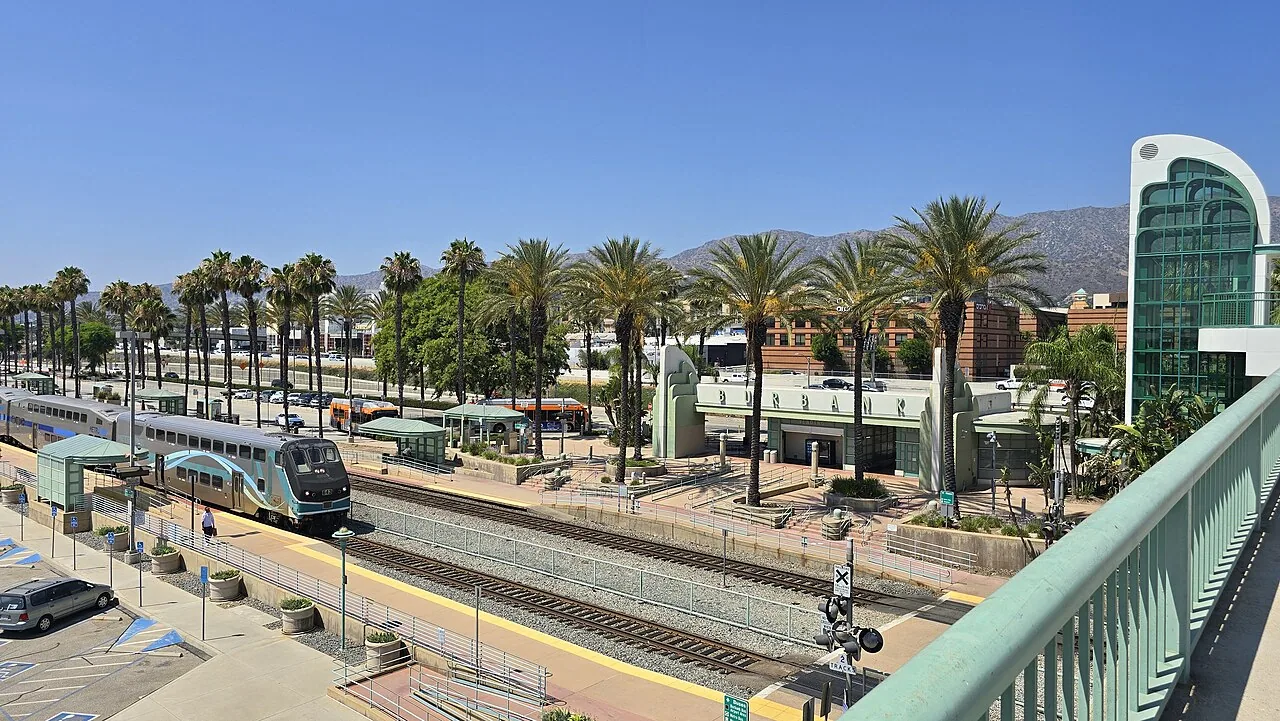
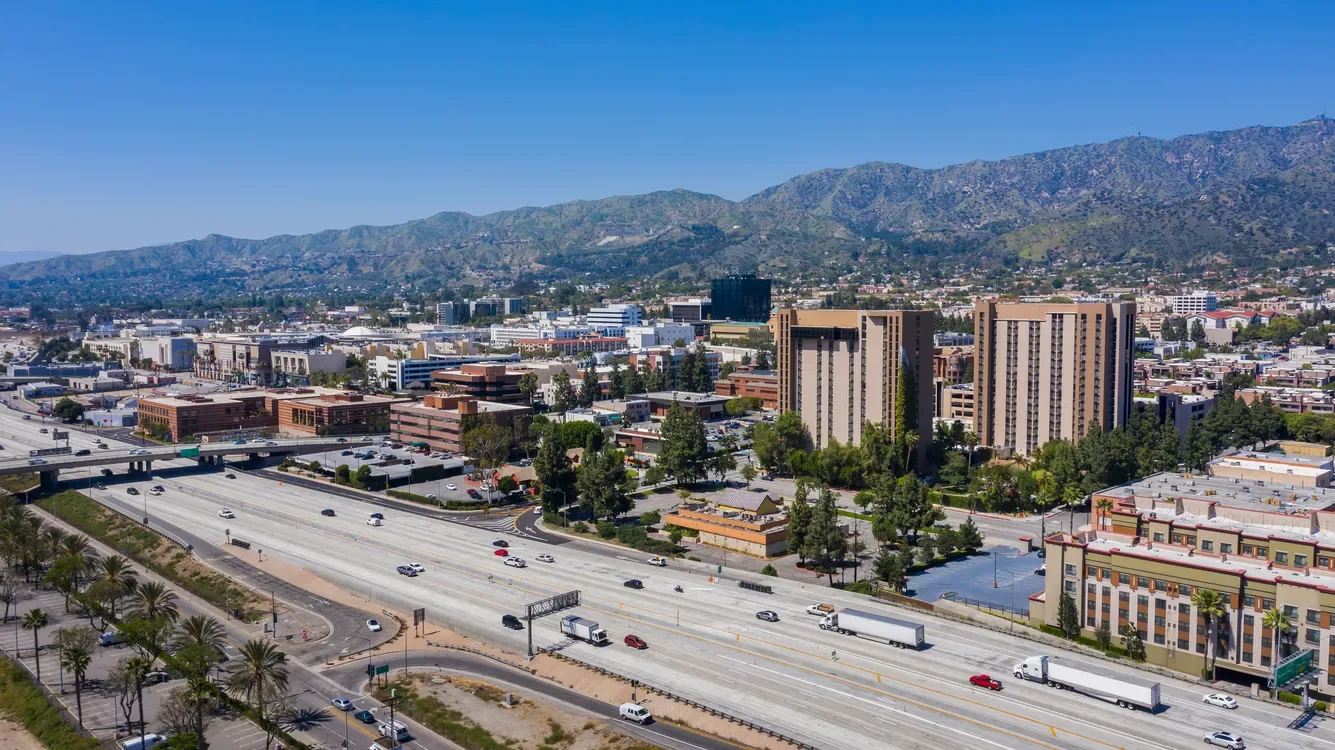
A multi-site roof program should give ownership one view of the work and each facility director control of the building details. Burbank's Airport District spans technology companies, conference hotels and big-box retail; Magnolia Park focuses on independent retail and dining. A shared vendor schedule cannot erase those differences. We create a common intake and reporting method, then confirm access, roof sections, operating hours and approval contacts at every property before work is assigned.
Each building gets a current condition file, repair boundaries, open actions and next decision date. A roof asset record keeps the history attached to the right site. A condition report supplies location-based evidence, while capital planning allows ownership to compare needs across the portfolio without treating unlike roofs as identical.
Set the Approval and Escalation Path
Before dispatch, identify who can approve inspection, emergency protection, testing, repair and a larger scope. The operating contact may control roof access while a property manager controls spending; record both roles and the limit for each authorization. Set an escalation path for active water entry, unsafe roof access or a condition that changes the approved work. A shared program needs that clarity before crews arrive, especially when a portfolio has several ownership or tenant contacts.
Use one service request form, but require a building name, roof-section reference, report time, interior location, access instructions and requested operating window. Protect tenant information and route it only to people who need it for the work. For a Burbank group with properties near Magnolia Park and the Airport District, the area names help organize dispatch; the property contact still confirms gate, roof hatch, loading and escort details. A Magnolia Park site and Airport District building may need separate access plans.
Use Common Fields Without Flattening the Roofs
Standard fields make portfolio review possible: roof sections, system if known, condition, active leak, repair history, access, inspection date, photo references, open risks and next action. Keep the underlying notes, photos and scope. A summary rating should never replace the evidence used to set it. If the assembly is unknown, flag it for confirmation rather than filling the blank with a likely membrane. If a section was inaccessible, its status should remain separate from inspected areas.
Program reporting can show recurring drain, edge, seam or curb conditions across locations, but a shared pattern does not prove a common cause. We compare the field records and confirm each system, installation and work history. The Airport District's technology and hospitality mix may create different schedules than Magnolia Park's small retail storefronts. Building-specific records preserve these operating distinctions. An inspection visit and maintenance work order can share the same section labels while keeping each property file independent.
Sequence Visits Around Real Operating Windows
Group visits by geography only after access and roof scope are clear. Confirm escort rules, parking or lift staging, roof hatch access, tenant notification, noise limits and the time needed for each inspection. The daily plan should identify which properties can be visited in one route and which need a dedicated slot. If a site is active, define interior protection and how the crew reports a new leak or unsafe condition before continuing to the next address.
Production schedules in the Media District, hotel operations in the Airport District and customer traffic in Magnolia Park can all affect a visit, but the site contact supplies the actual restriction. We set a route with a first-call contact and a stop point for weather, access or scope changes. The crew sends a property-specific closeout with photos, findings and open actions before moving to the next job. That avoids a single portfolio note that leaves each facility director guessing what happened on their roof.
Keep Emergency and Planned Work Separate
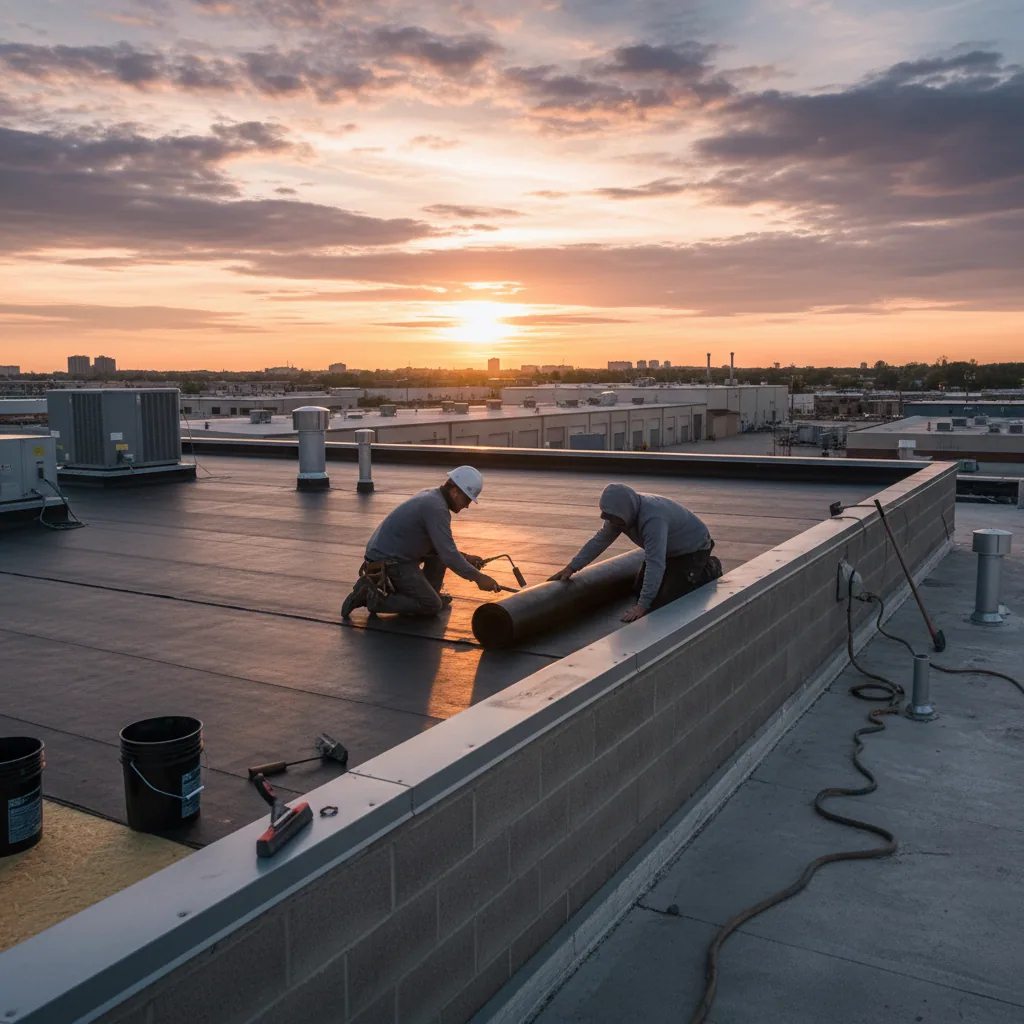
Emergency response, scheduled maintenance, testing and capital renewal use different approval paths. A dispatch should state whether the goal is to protect an occupied floor, locate a leak, complete a defined repair or collect condition data. If the field team finds a broader problem, pause at the approved boundary and request direction. Do not expand a repair to another roof section because it is convenient while the crew is present; record the condition and ask the authorized contact.
We keep temporary stabilization distinct from permanent scope and record return needs, materials, date and limits. A urgent roof response can address immediate exposure, while planned repair work follows an approved boundary. If a pattern suggests broader renewal, create a separate replacement comparison with its own assembly, staging and capital review. This separation makes portfolio reporting reflect what was actually authorized and completed.
Review the Program With Evidence
A quarterly or annual review can compare response status, open repair items, repeated conditions, inspection coverage, closeout quality and pending capital decisions. The review should show which properties need attention and why, with a link to the latest report or work order. Avoid ranking buildings by invoice volume. A higher spend can reflect a defined renewal rather than poor maintenance, while a low spend may simply mean the roof has not been inspected recently.
We meet with ownership and facility contacts to validate the list, resolve stale actions and assign dates for each remaining decision. Burbank's commercial districts include different property uses, so a portfolio view should retain each building's schedule and contact. A warranty review can flag approval records before work, and a transaction survey can prepare selected assets for a sale or refinancing. The closeout file captures the decision, responsible person and next review date.
Set a monthly closeout rhythm so unresolved items do not disappear between emergency calls and annual budgets. Each facility contact receives the property-specific work record, while the program lead receives a portfolio summary that lists only the facts needed for oversight. We mark closed work, pending authorization, deferred work and conditions that need another visit. If ownership changes, the next contact can inherit the site map and open-action list rather than reconstructing them from scattered email. Retain the source report and photos with each summary entry.
For each completed visit, close the loop with the site contact before the crew leaves. State the areas accessed, work completed, items deferred, materials staged or removed, and any condition that needs immediate attention. If weather or access interrupted the work, give the next expected step and the person responsible for rescheduling. The portfolio coordinator can then reconcile the property-specific note with the master calendar without implying that every building on the route received the same inspection or repair.
Commercial Roofing Questions
How can one program serve different building types?
Use consistent request and report fields, then keep roof assembly, access, schedule and approval rules specific to each property. A common process should make differences visible.
Who approves an unexpected repair?
The authorization matrix identifies the owner contact and spending limit before dispatch. We document the condition and request direction before moving beyond the approved boundary.
Can visits be grouped by neighborhood?
Yes, after each site confirms access, operating hours and scope. Route efficiency should not override a tenant schedule or leave a property without a documented closeout.
What belongs in a portfolio review?
Review open actions, current inspection coverage, repeated conditions, warranties, repair records and the dates for capital decisions. Keep the field reports and photos available behind any summary rating.
How do you handle an active leak at one property?
Use the emergency approval path, record the affected roof section and protect the occupied area. We separate temporary work from permanent repair and send the property contact a closeout before returning to planned work.