Commercial Roof Drain and Scupper Repair in Burbank, CA
A drain that looks clear at the roof edge may still sit below a low area where water collects. We inspect the inlet, strainer, bowl, nearby membrane, slope and overflow path, then map each finding to a roof section. That gives the facility director a basis for choosing cleaning, a detail repair or a design review. Burbank's seasonal rainfall makes drainage readiness relevant, but the right correction depends on the actual roof geometry and condition. We do not solve ponding by adding material around an outlet without checking where water should flow. The record should show what was observed, what was serviced and which condition needs another approval.
Inspect the Primary Outlet and Overflow
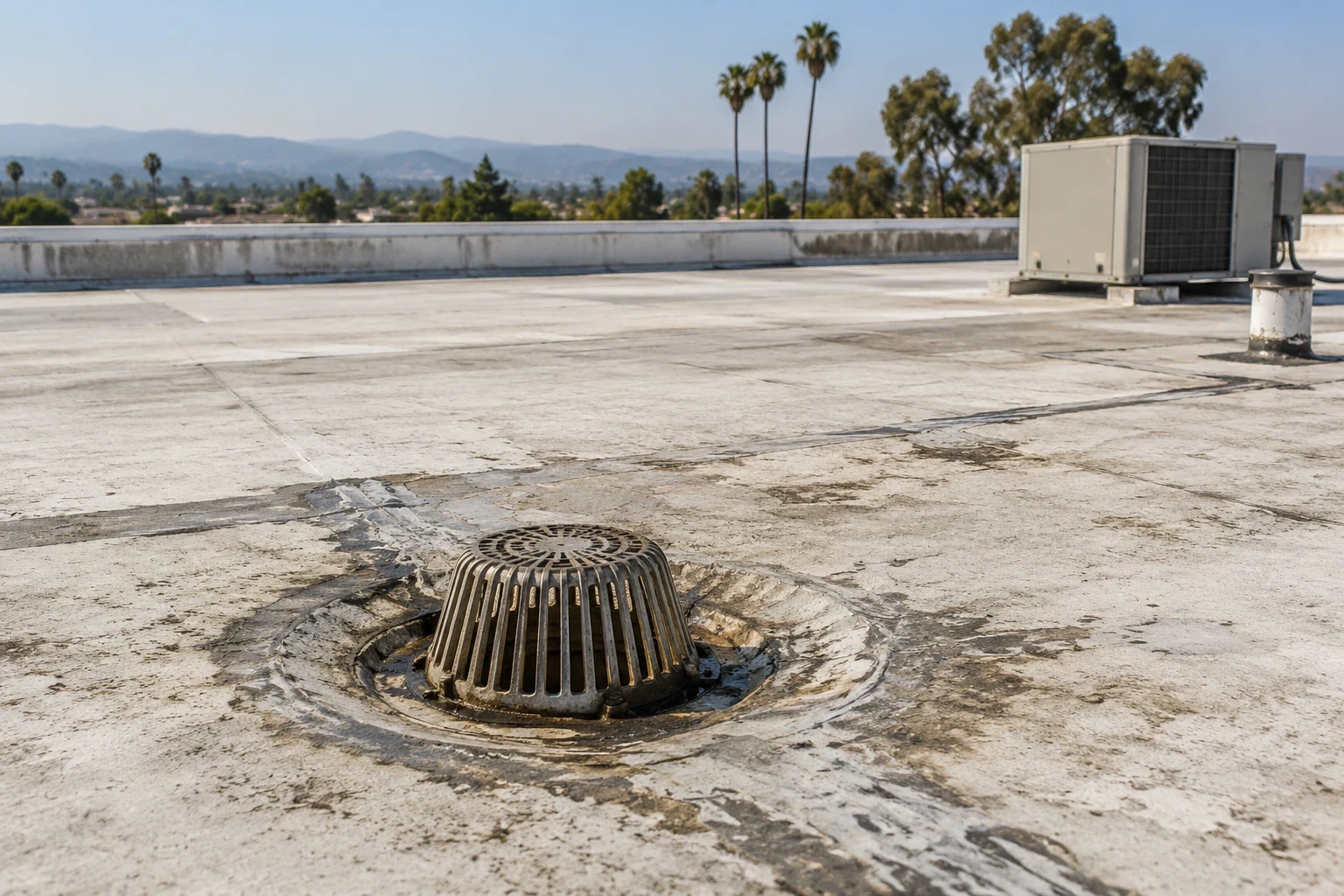
We check visible drains and scuppers for debris, damage, loose strainers, obstructed openings and signs of water bypassing the intended route. The roof assembly around an outlet matters as much as the opening. A loose clamping ring or failed flashing can allow water beneath the membrane even when the drain itself is open. We note whether primary and overflow provisions are visible and accessible, then identify any area that needs a closer view. If an outlet is below accumulated debris, the crew records whether cleaning can be completed safely during the visit. A separate design question should not be treated as routine cleaning. This makes the scope clear to maintenance staff and ownership. We also look for signs that an outlet is receiving water from the intended roof section, including debris lines, staining at the bowl and visible changes in the membrane. If the primary drain is difficult to reach, we document the access limit and avoid placing tools or removed debris where they can wash back into the system. A maintenance log should state whether the outlet was cleared, whether the strainer was reset and whether a return visit is needed. When an overflow opening serves a different elevation, we label it separately so facility staff can tell which path was checked.
Map Standing Water to Roof Slope
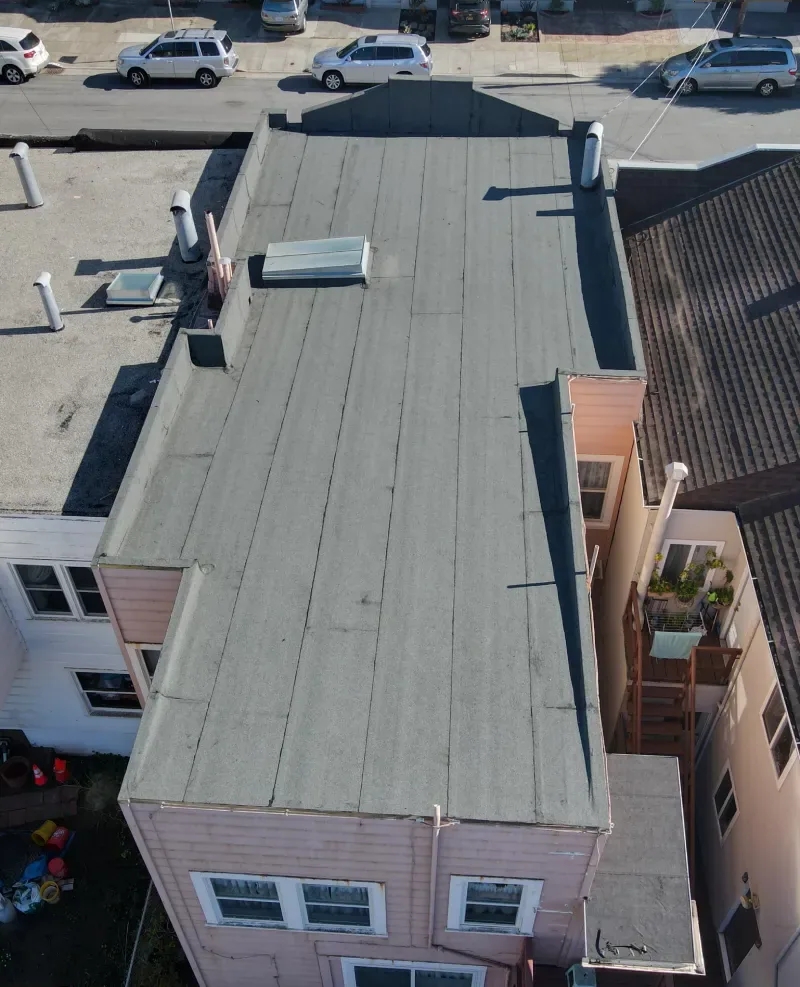
Standing water can result from deflection, insufficient slope, a blocked outlet, a drain set too high or a change in the roof surface. We photograph the location, note the surrounding drainage path and compare it with roof plans when available. A single photograph after rain cannot establish how long the water remains or whether the assembly has been damaged. The owner may need a return observation or elevation review before selecting a correction. We distinguish cleaning from slope work, which can involve tapered insulation, structural review or altered drainage. If the condition is part of a broader roof issue, a drainage inspection can connect outlets with membrane, seams and details. The proposed work boundary should follow evidence. If ponding is reported, we ask how long it remains and whether it is limited to one storm or recurs under ordinary rainfall. We do not infer a structural problem from a shallow puddle, but we flag persistent water for a design or roof-system review. A marked photograph taken from a fixed reference can help compare the area on a later visit. The proposal can then identify whether the first action is cleaning, a detail repair, elevation measurement or an engineered slope change. This distinction prevents an owner from paying for a drain alteration that does not correct the actual low point.
Remove Debris Without Blocking the Next Flow Path
Leaves, packaging and rooftop dust can collect at strainers, sumps and scuppers. We identify debris and determine whether it can be removed without damaging the membrane or pushing material into a downspout. The maintenance record notes what was cleared and whether water flow was observed afterward. If a strainer is missing or an outlet is damaged, the repair needs a compatible part and secure detail. Facility teams can help by reporting recurring blockage, nearby tree debris, construction activity or roof work that may have left materials behind. Our preventive maintenance visit can place drain checks on the building's roof-zone log, so the next service call can compare a known location and date.
Protect the Membrane Around Each Drain
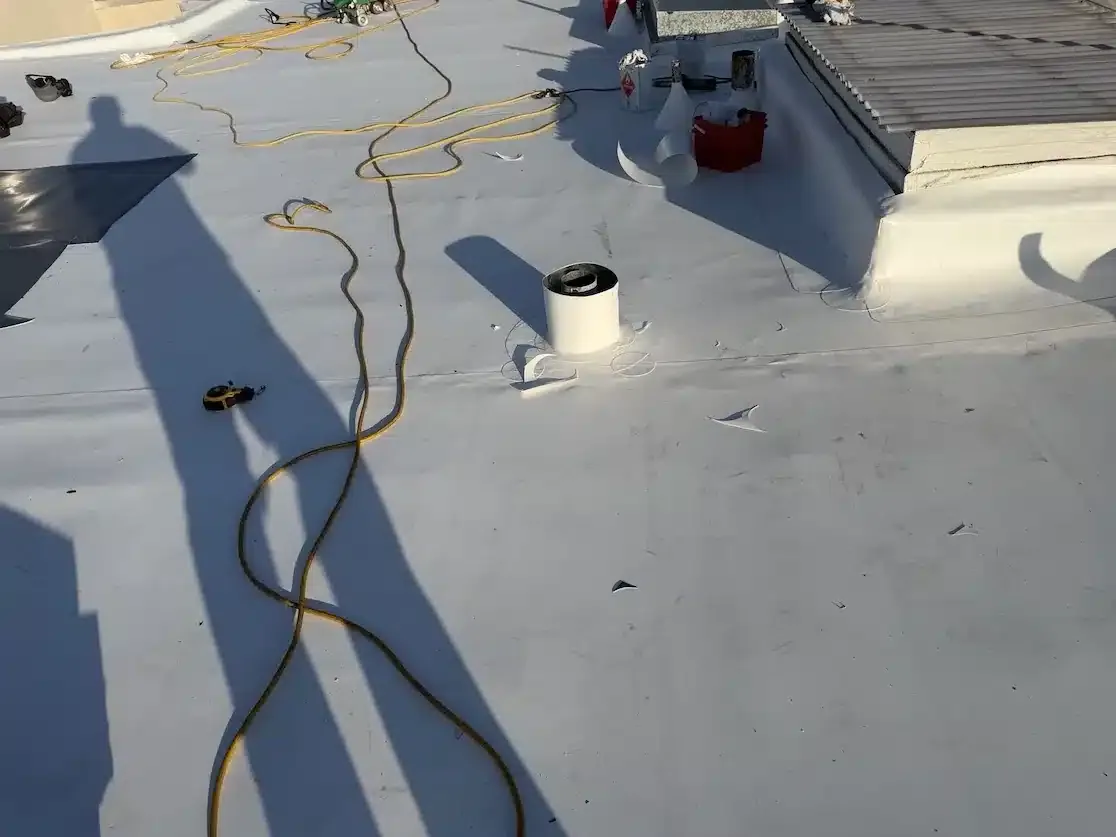
Water can enter at the drain flashing, bowl, clamp ring or membrane transition. We inspect for separation, cracking, loose fasteners, incompatible patch material and wear near the outlet. A repair method depends on the roof system and the part that failed. TPO, EPDM, modified bitumen and coated assemblies use different details. The repair scope should identify surface preparation, materials and whether the drain must be temporarily isolated. If water has reached insulation, an opening or additional test may be warranted before a final repair. A commercial roof repair can address a confirmed detail, while a leak investigation can trace an entry point that is not visible at the outlet.
Keep Overflow Routes Visible and Functional
Overflow scuppers and secondary drainage features help protect a roof when a primary outlet is obstructed, but their presence and capacity depend on the building design. We note whether an overflow opening is visible, blocked or damaged and flag design questions for the responsible professional. We do not alter an opening or add a route without an approved plan. During cleaning or repair, the crew should keep temporary coverings and tools from blocking the flow. On occupied buildings, we coordinate roof access and let the facility contact know if an interior area or exterior discharge zone needs protection. That is particularly useful around offices and production spaces in the Media District, where a discharge or access change may affect active operations.
Set a Scope for Drain or Slope Work
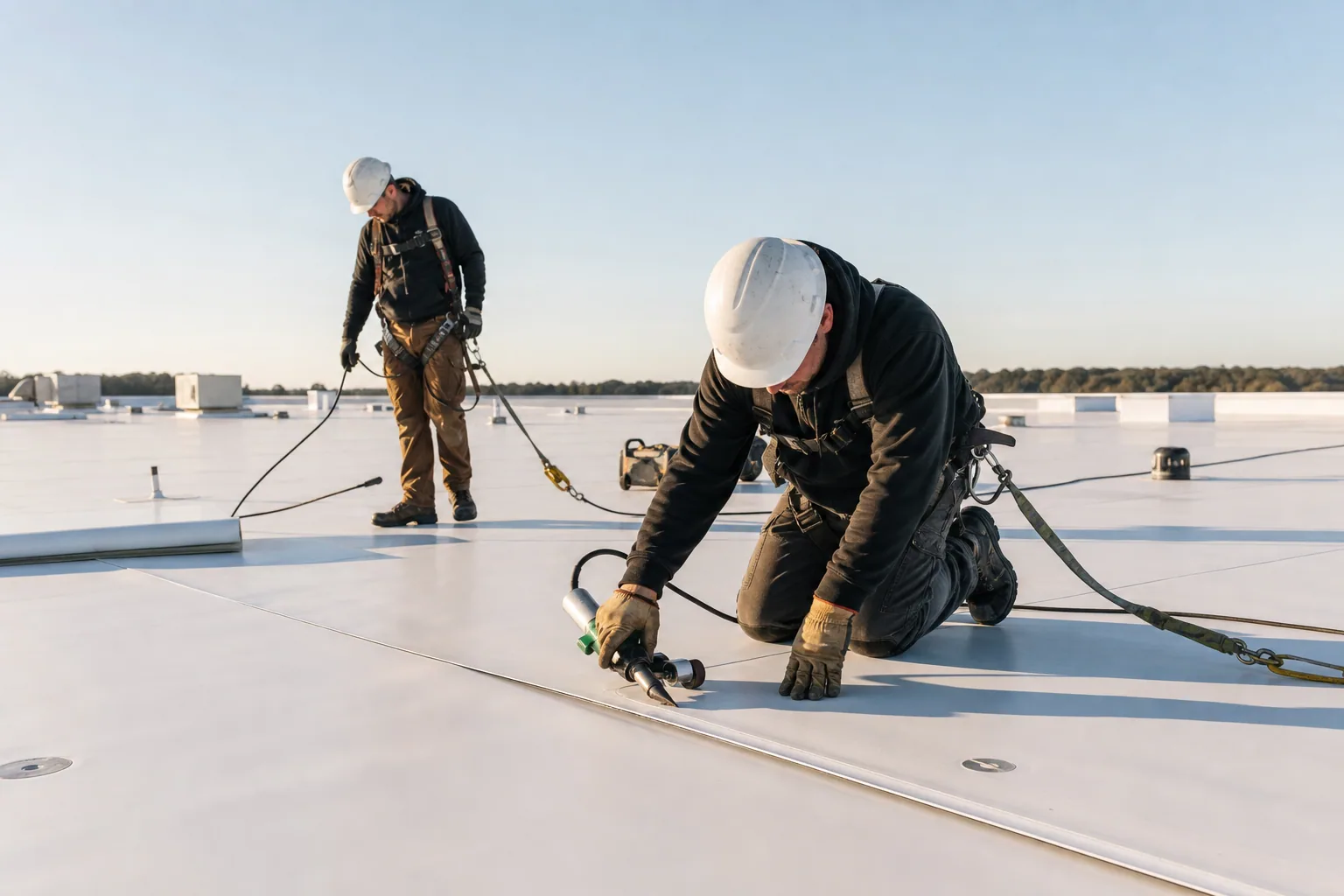
A drain proposal should separate cleaning, flashing repair, outlet replacement, downspout work and slope correction. We identify the roof sections, access, staging, disposal and any concealed conditions that could change the price. If the building needs tapered insulation or a new drain location, that is a design item, not an assumed field adjustment. Burbank's building department states that new construction, additions and alterations must comply with California Building Energy Efficiency Standards based on project scope and building type, so a larger alteration may require coordination beyond a service repair. We confirm permit questions with the owner and design team. TPO membrane drain detail can be evaluated separately when slope work is under consideration. For a building that remains occupied, we also confirm whether a drain test could affect an interior area, stored materials or a public entrance. The work plan can identify where water may discharge and who should receive notice before any controlled flow test. If a downspout appears damaged, we record the visible condition and whether a separate plumbing or sheet-metal scope is required. These questions help the property manager coordinate work without assuming every outlet repair ends at the roof membrane. We include the contact and approval path in the proposal before scheduling a test or changing the discharge detail.
Leave the Facility With a Drainage Record
After work, we record the outlet serviced, debris removed, detail repaired, materials used and any area that needs monitoring. If water flow could not be observed during the visit, that limit stays in the work record. The facility lead can schedule a check after rainfall and compare the same roof zone without guessing whether the issue is new. For properties in Burbank's Media District or Downtown Burbank, we route notices through the property contact and preserve tenant access. If recurring ponding needs broader evaluation, a condition report can connect the drainage path to the roof's other open items.
Commercial Roofing Questions
How do you tell whether ponding needs repair?
We map the location, drainage path and outlet condition, then note whether a return observation or design review is needed before selecting a correction.
Can you clear a roof drain during maintenance?
Yes, when access and condition allow. We record what was removed, whether the outlet was intact and whether flow could be checked safely.
Does a new drain solve standing water?
Not necessarily. Slope, outlet elevation, roof deflection and overflow design affect the correction. A change in drainage may require design review.
What should the facility team report about a clogged scupper?
Share its location, when water was observed, any interior leak, recent roof work, photos and whether the overflow opening appears blocked.
Will a drain repair include the downspout?
The estimate identifies the work boundary. Downspout, piping or interior drainage work can require separate access, coordination or another trade.