Commercial Ponding Water Roof Repair in Burbank, CA
Flat commercial sections hold water for reasons that can reach beyond the visible puddle. In Burbank, CA, the Burbank long-term averages for annual precipitation is 16.50 inches at the Burbank, but that long-term average does not show how a particular roof drains during a storm. We inspect the low point, outlet, surrounding membrane and any deflection or blockage that could keep water in place. The owner needs a clear distinction between a drain obstruction, a local depression and a slope condition that requires a broader design review. A drain and scupper inspection ties the observed water line to a roof section and a repair boundary.
Record Where the Water Stops
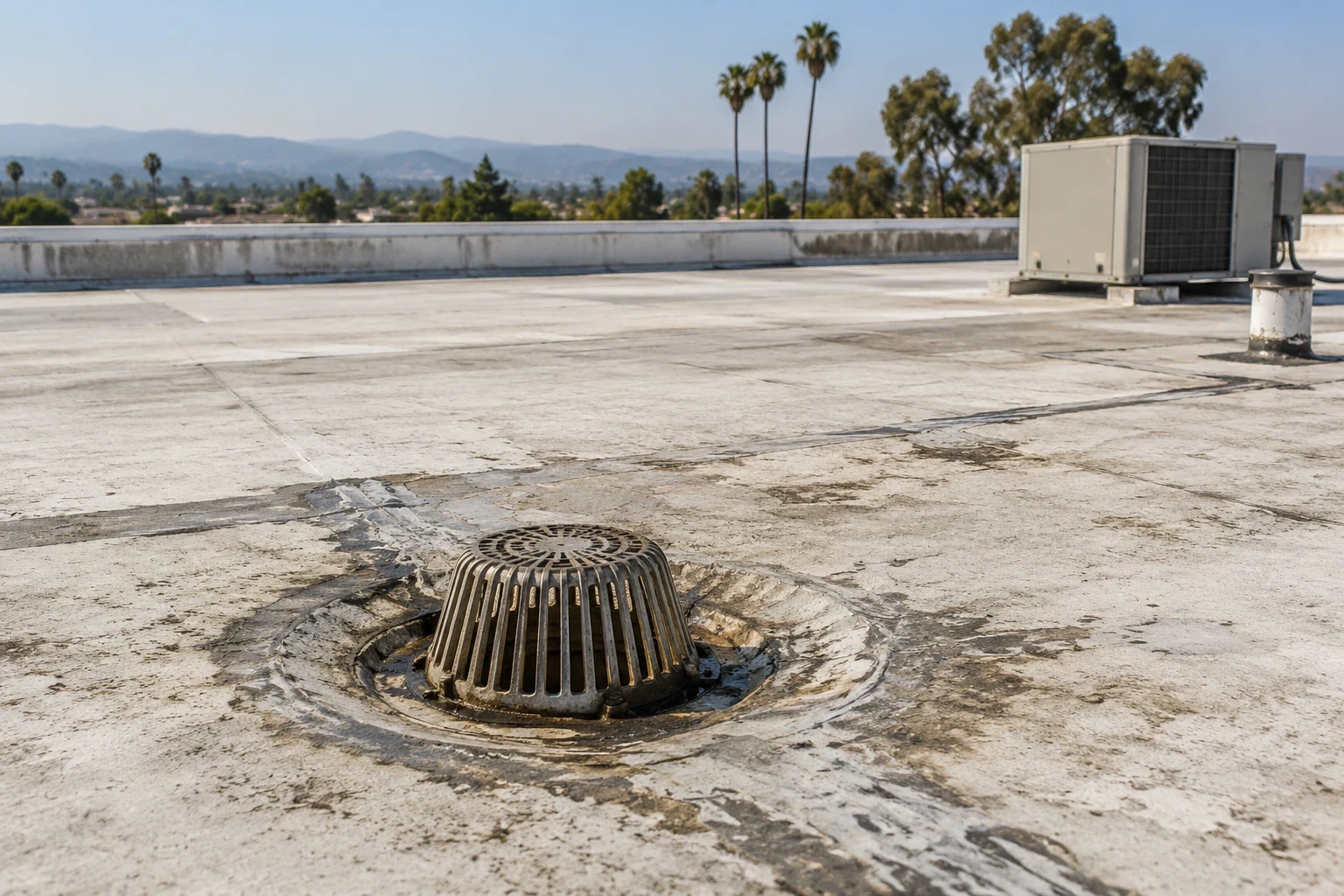
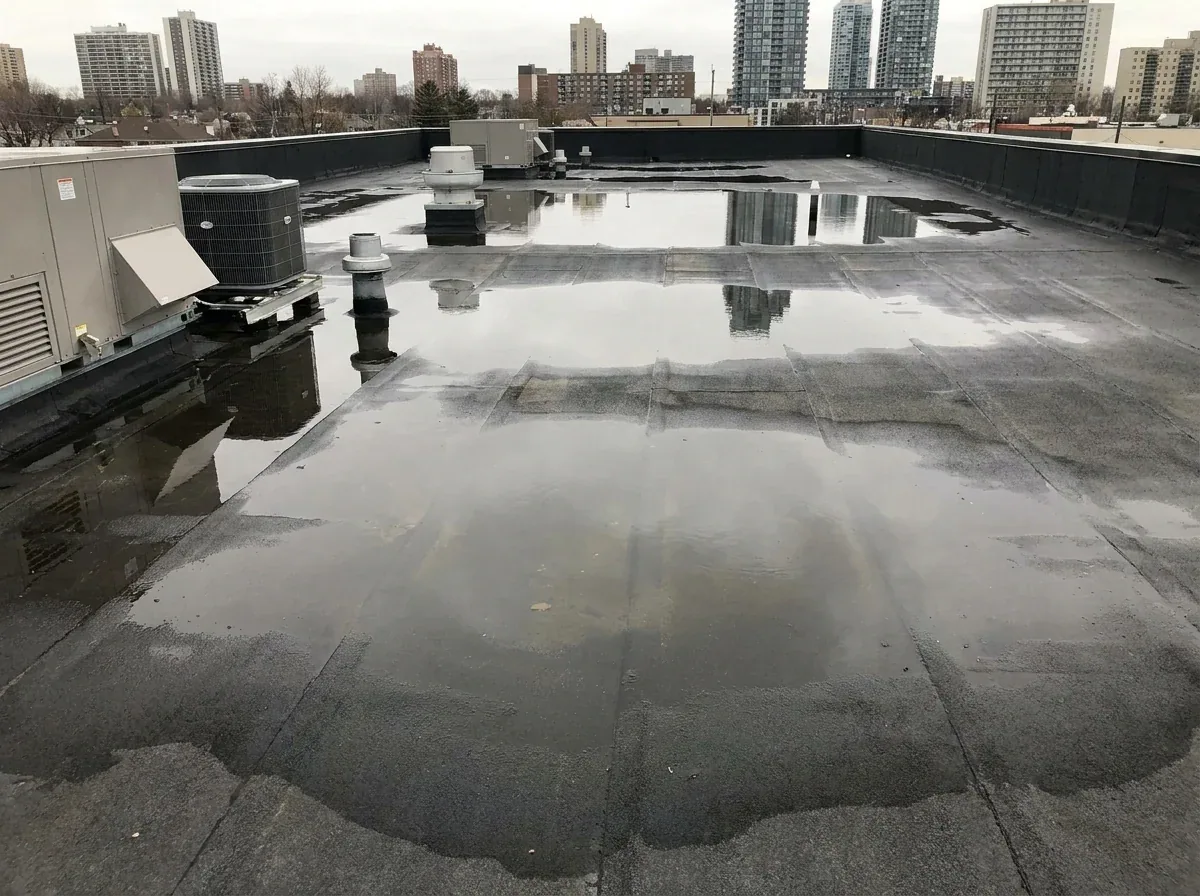
We photograph ponding after rainfall or controlled observation when conditions allow, then mark the extent on the roof plan. The inspection records approximate depth, boundary, nearby drains, scuppers, curbs, seams and equipment supports. A water line or sediment ring can show that an area stays wet after surrounding sections have cleared, but it does not by itself identify the cause. We check whether an outlet is blocked, the drain bowl is damaged, or the membrane has sagged around a penetration. If the surface is dry during the visit, the report labels the condition as reported and identifies the next observation needed to confirm it.
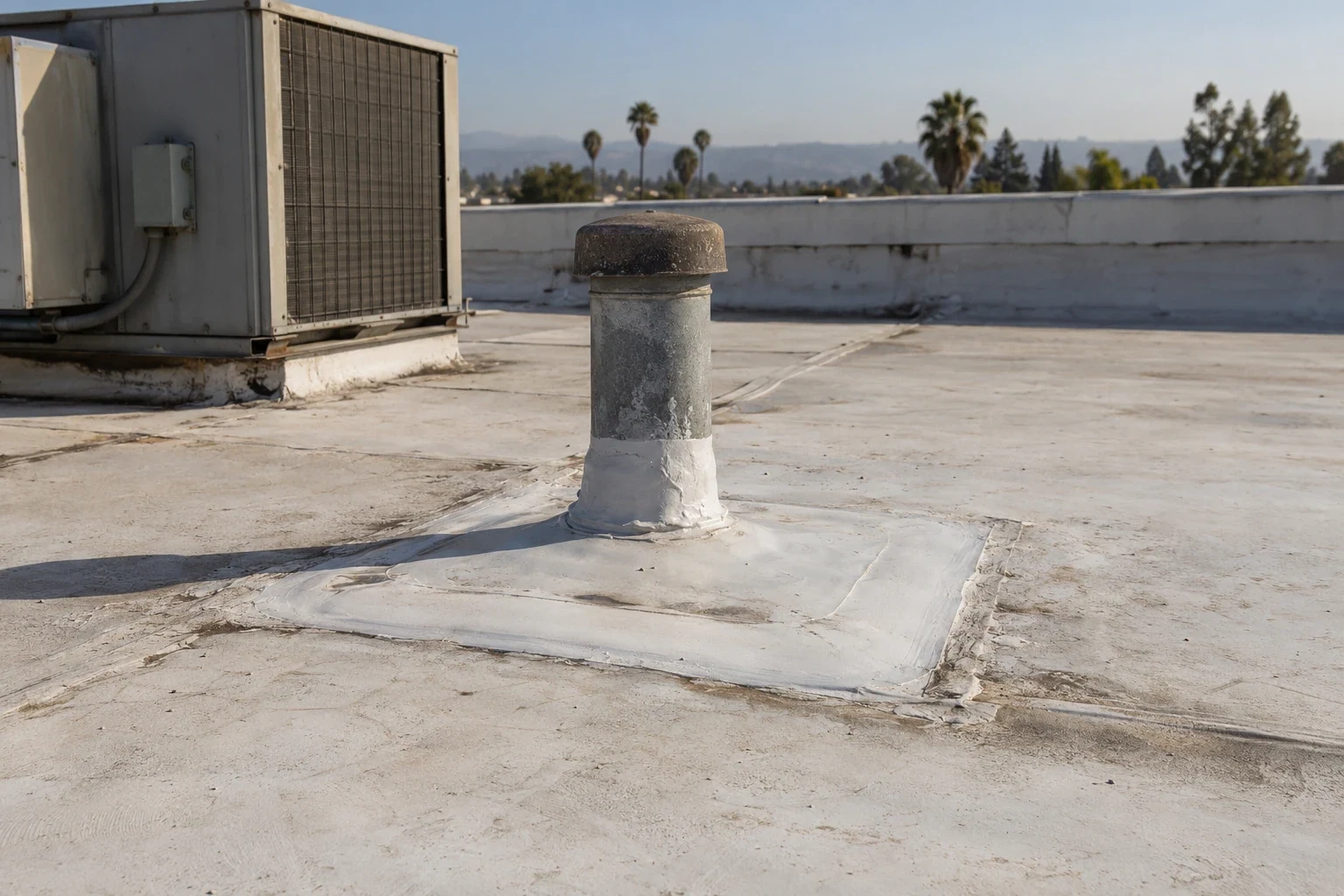
Repeated water exposure can make a small defect harder to evaluate because dirt, biological growth or previous patch material may conceal the membrane. We note each layer of evidence separately: the reported timing, the visible boundary, the outlet condition and any interior symptom. That prevents a photograph of a puddle from becoming a conclusion about the entire roof. If water crosses a seam or reaches a curb, we map that transition and inspect its attachment. A flashing review may be appropriate where ponding meets a wall or equipment detail, while the drainage record remains tied to the low area.
Separate a Clogged Outlet From a Slope Problem
A blocked drain can often be cleared and checked without changing the roof profile. If the outlet is open but water remains, we inspect the path leading to it, including saddles, crickets, sumps and changes in elevation. We also look for membrane wrinkles, compression around equipment and previous repairs that could create a small dam. These observations help decide whether the next action is maintenance, a local correction or engineering input. We do not prescribe a slope change from a photograph alone. When the cause depends on concealed insulation or deck movement, the owner may need an approved test or a separate design assessment.
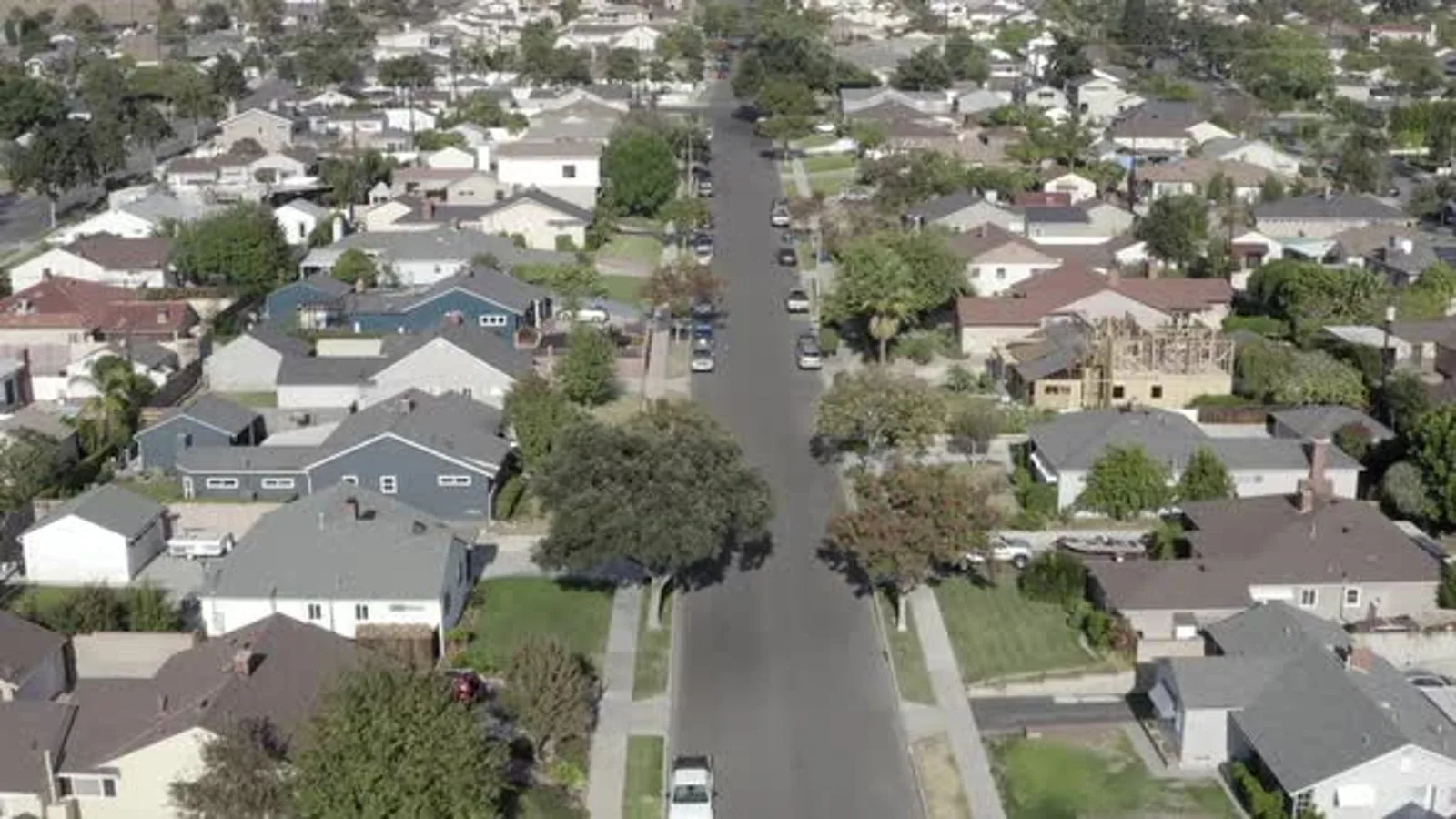
Downtown Burbank is a mixed-use district with offices and retail as well as shops and restaurants. Those uses make interior protection and access sequencing part of a ponding investigation, especially when water is reported above a leased area. The district’s building mix does not establish a particular property’s roof shape or drainage capacity. We coordinate entry and any interior observation with the facility contact, then connect each room report to the roof plan. A Downtown Burbank roof review can account for the stated operating route while keeping the diagnosis specific to the inspected building.
Match the Correction to the Water Path
When debris or a serviceable drain component is the cause, the work may be limited to clearing, resetting or replacing that component and confirming discharge. A membrane repair may be needed where standing water has exposed an open lap or puncture. A puncture inspection can help check whether a sharp edge or maintenance activity also breached the field sheet. If the outlet sits too high or the roof has a persistent low area, the proposal should explain what correction can be made within the existing assembly and what needs a design decision. We state the boundary, materials, drain connection and verification step before pricing the work.
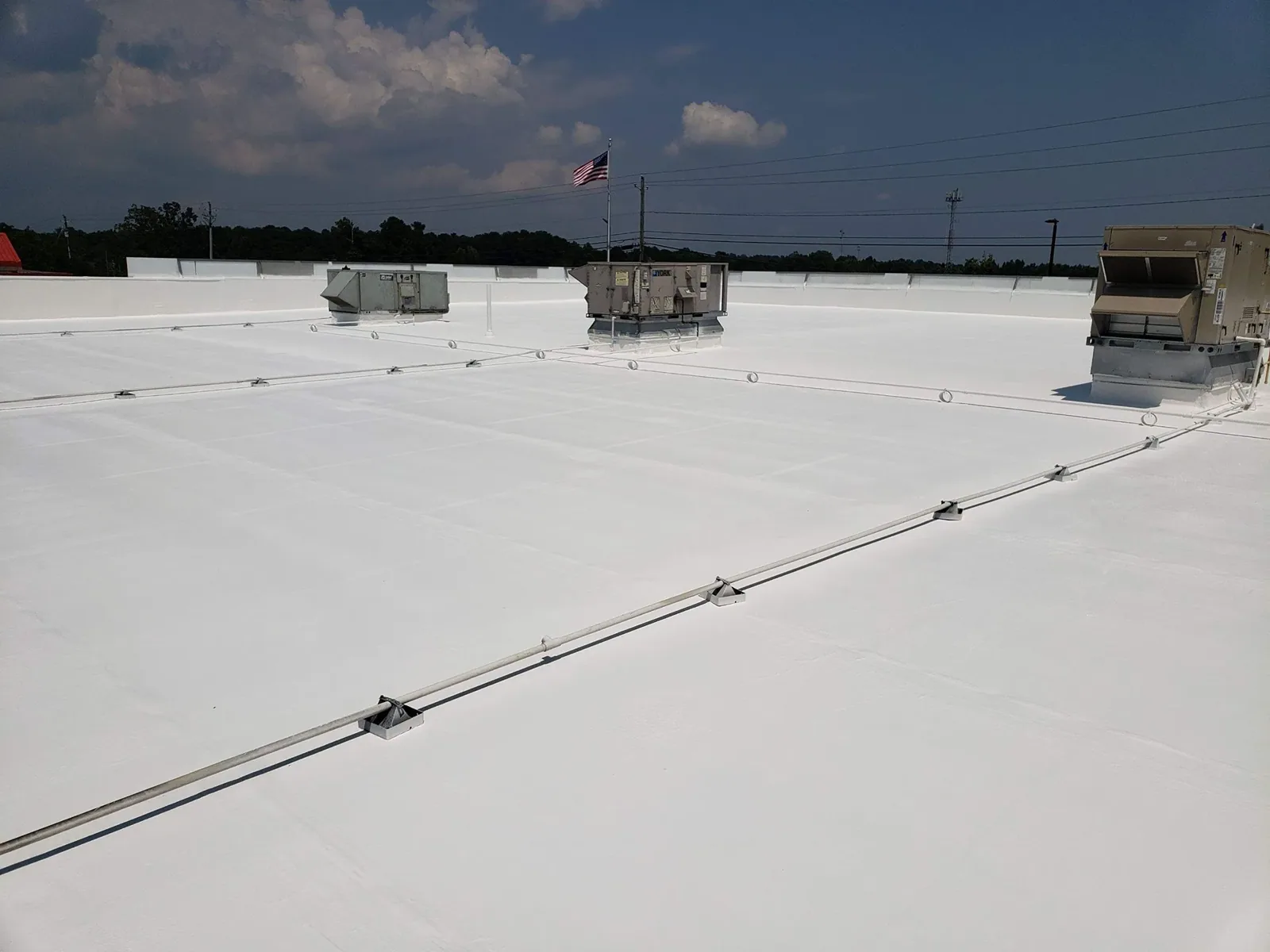
A larger drainage scope can involve insulation taper, crickets, new outlets or a roof replacement coordinated with deck and overflow details. Those choices depend on existing layers, structural capacity, drain routing and applicable project requirements. We identify the information available and separate confirmed repair from allowances for concealed conditions. The facility director can compare a localized roof repair with a planned replacement option when recurring ponding crosses several sections. Each option should describe the same affected area, temporary protection and closeout check so scope differences are visible.
Protect the Area Below During Investigation
Water above occupied space makes timing part of the repair. We confirm the room, ceiling system, equipment and access limits before opening or probing the roof. The work sequence identifies any temporary cover, interior protection, noise restriction and end-of-shift condition. At a Magnolia Park storefront or along North San Fernando Boulevard, confirm the affected room, entry route and access hours with the property contact before probing a low roof section. If the leak is active, we coordinate prompt protection and document what it covers. If there is no current entry, the owner can schedule a drainage observation without treating a dry interior as proof that the roof drains correctly.
Drain clearing and roof repair are different tasks and may need separate approvals. The estimate names whether debris removal, disposal, plumbing work below the roof or a new drain connection is included. We also note whether other trades must shut down equipment or provide access to a discharge point. For work over a sensitive tenant area, the owner can set a window and a contact for reopening the room. This access plan keeps the water-control task tied to the operating schedule and gives staff a clear handoff at completion.
Give the Next Capital Review a Useful Baseline
The report should preserve roof-zone photos, the ponding outline, measured or observed outlet condition, interior reports, weather context and the repair performed. Any test opening, access gap or unverified cause stays listed as an open item. A roof condition report can show whether the issue is confined to one low area or appears across several sections, which helps the owner plan a targeted follow-up. If the same ponding returns after a drain correction, compare the new water boundary with the original photographs before authorizing another patch. The record should say what changed and what evidence is still needed.
Burbank's long-term rainfall average is useful climate context, not a drainage calculation or a measure of a particular storm. We evaluate actual roof geometry, outlet condition and water movement at the property. A maintenance schedule can include debris checks and drain observations, while a capital request can address slope or assembly changes that exceed routine service. Share the roof plan, drain locations, interior report, prior work and decision date when scheduling a Burbank review. The result should let ownership choose a repair limit, approve a broader investigation or plan a renewal scope with the assumptions stated.
Commercial Roofing Questions
How should we evaluate a low area that stays wet after a storm?
The roof’s design and system requirements set the relevant drainage expectations. We document the observed area and timing, then compare it with outlets, slopes and membrane conditions before recommending a correction.
Can you tell from a puddle whether the roof needs replacement?
A puddle alone does not establish the condition of the assembly. We inspect the water path, nearby seams, drain and substrate evidence, then separate a local repair from any broader option supported by the findings.
What if the drain is clear but water remains?
We trace the path from the low area to the outlet and check for a depression, obstruction upstream, raised repair or change in elevation. A persistent slope concern may need design review before work is selected.
Will drain work stop an interior leak?
It can address a drainage cause, but an open seam or flashing defect may still need repair. We connect the interior report to the roof section and list each confirmed correction in the closeout.
What records should a facility director provide?
Send the roof plan, drain locations, dated interior photos, dates water was observed and prior repair notes. Include access limits so the inspection can focus on the affected section and its outlet path.