Rooftop Equipment Curb and Support Repair in Burbank, CA
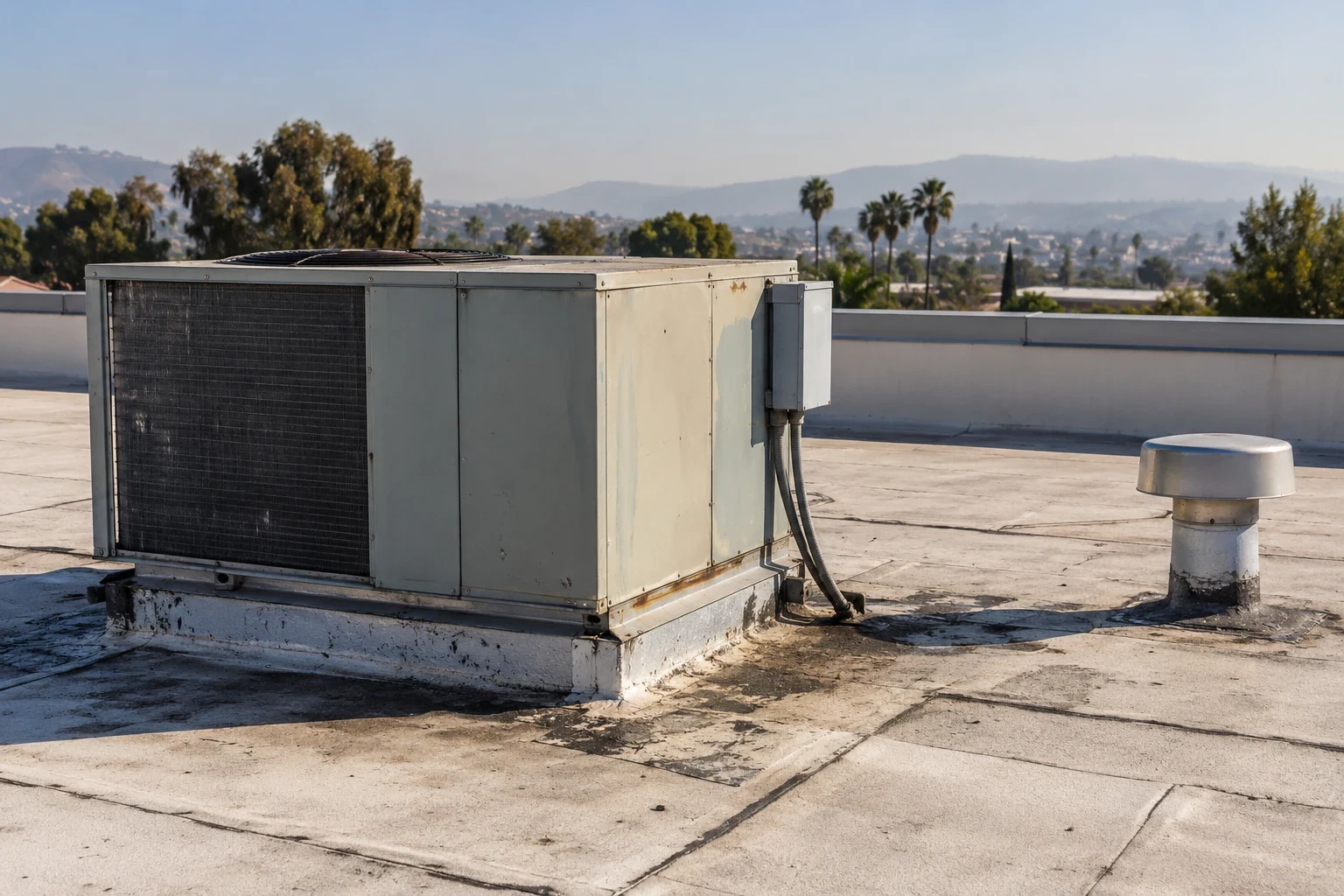
A roof curb carries an equipment opening through the membrane. A support carries a line, conduit or service component above it. If either detail moves, corrodes or loses flashing, water may reach the building and the equipment team may lose access. We inspect the curb, support, roof transition and nearby membrane, then identify which trade or approval is needed before repair. The scope should keep the rooftop unit functional while protecting the roof assembly. In Burbank's Media District, production schedules can limit equipment shutdowns; Downtown Burbank properties may have different tenant and delivery windows. We confirm those operating needs with the facility director before setting the work sequence.
Inspect the Curb and Its Roof Transition
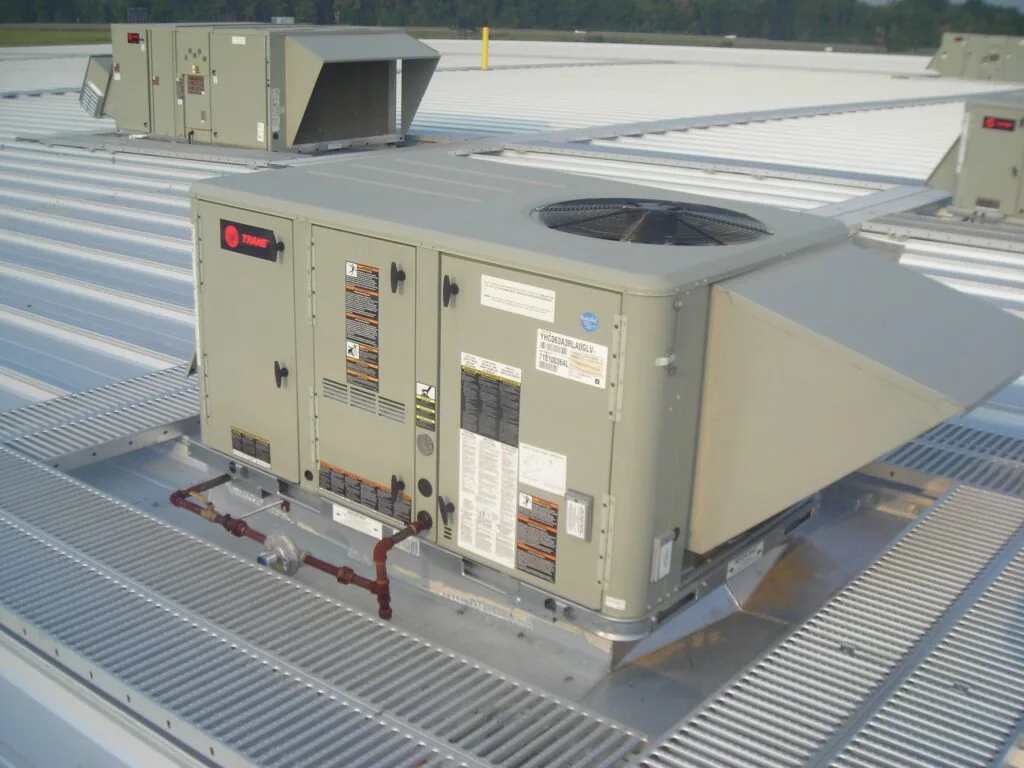
We look for open flashing, loose metal, cracked corners, failed sealant, movement, rust, ponding and earlier patches around each curb. The roof system and curb material determine which repair detail can be used. A surface bead may hide a gap without restoring the vertical flashing or top termination. We record the curb location, equipment served, photos and any visible damage, then note what is concealed or inaccessible. If water is reported inside, we compare the symptom with the curb, adjacent seams and drainage path instead of assuming the unit is the source. A focused commercial roof inspection can document nearby roof conditions when the opening is part of a larger problem. The height and top condition of a curb matter when the facility expects later equipment service. We measure visible clearance and note any damaged metal, blocked access or finish that appears to direct water toward the opening. If a curb is insulated or internally lined, the roofer records what can be verified from the accessible side and identifies any concealed detail that needs approval to open. We avoid specifying a rebuild without confirming the unit's footprint and the trade requirements. That gives the owner a repair option based on the actual opening rather than a generic curb replacement allowance.
Check Supports Without Shifting the Equipment Load
Pipe stands, conduit supports and equipment rails need to keep loads from cutting, abrading or puncturing the membrane. We identify the support type, base condition, corrosion, loose components and any direct contact with roofing. We do not move equipment or alter its support without the owner's and responsible trade's approval. A support that has shifted may require an HVAC, mechanical or electrical contractor to coordinate load and service access. The roofing scope can address flashing and surface protection after that coordination is settled. If supports or curbs are close to an edge, drain or skylight, we map the surrounding area so repair does not block water flow or another maintenance route. Where a support sits on a membrane, the contact area should distribute load and avoid sharp edges or unprotected metal. We note whether a pad is present, whether it remains stable and whether vibration or movement is visible. Any change to the support height or base must be checked with the equipment owner, since load and alignment may be part of a separate design. We photograph the roof surface before work so the record shows whether wear predated the repair. This helps the facility manager coordinate the roofing and mechanical scopes without asking a roofing crew to alter a support system outside its authorization.
Match the Detail to the Roof Assembly
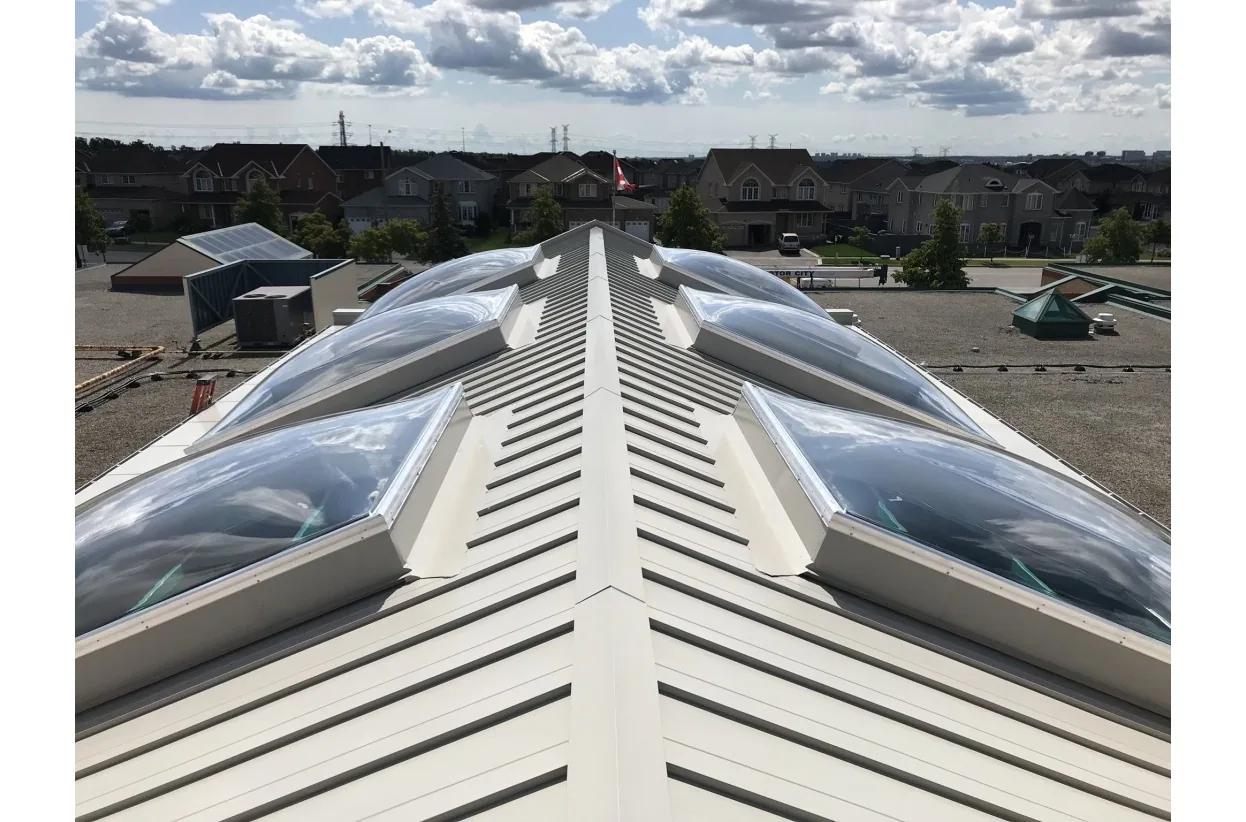
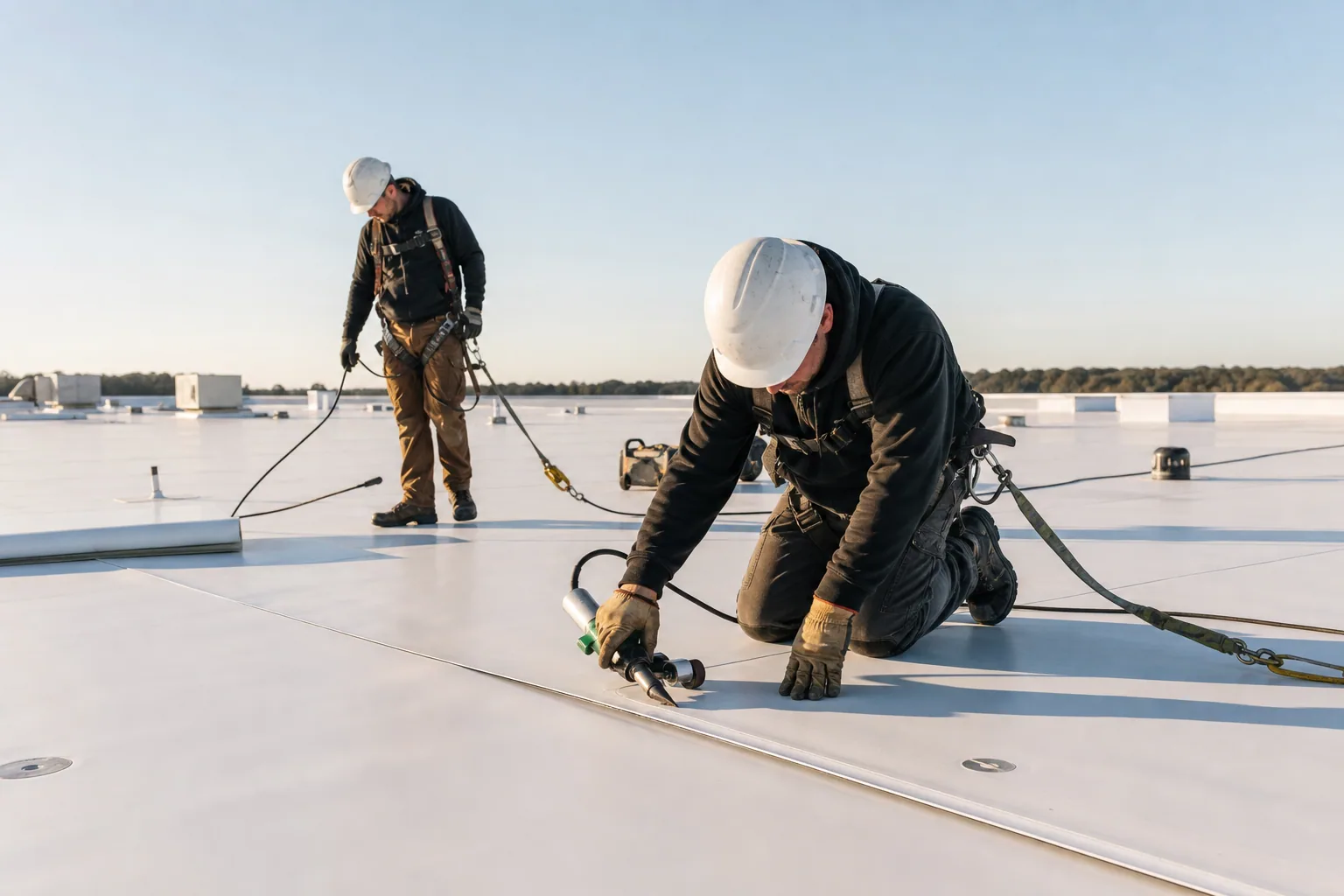
Flashing methods differ by membrane, curb material and movement. A thermoplastic roof can require a welded membrane detail, while EPDM, modified bitumen or coating work follows other preparation and attachment requirements. We identify the system where possible and check manufacturer requirements before recommending material. If insulation or cover board is wet, the curb flashing alone may not resolve the condition. An approved test opening can show more about concealed layers at that point. A skylight and penetration review addresses nearby openings, while a roof insulation scope can coordinate height changes that affect curbs. The proposal names vertical flashing, corners, termination and membrane tie-in.
Plan Access With the Equipment Owner
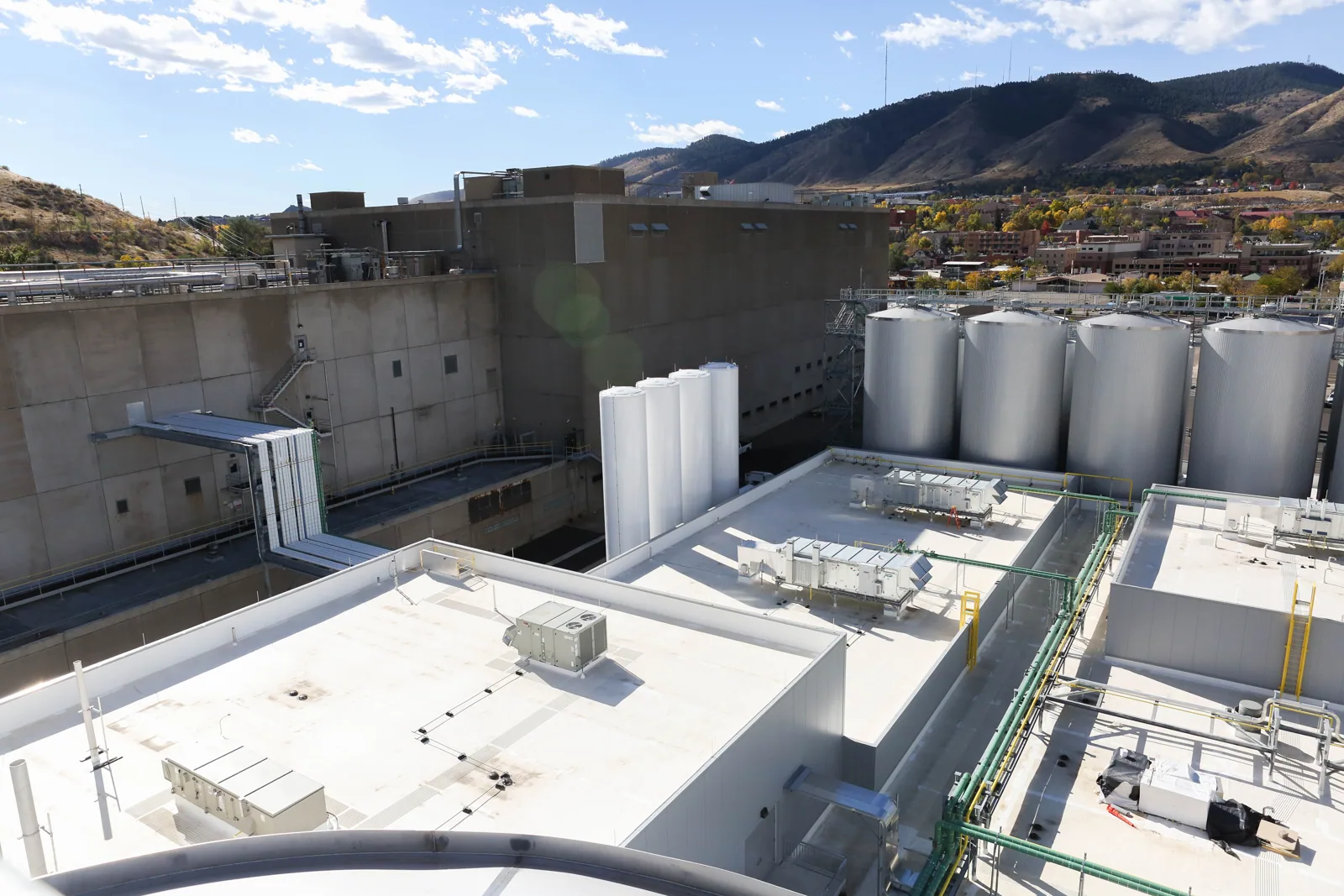
Before work, we confirm which unit must remain operating, when a shutdown is permitted, who can isolate power and whether the mechanical contractor will attend. We identify roof entry, staging, fall-protection needs and the route for service personnel. The crew needs to know which equipment cannot be blocked and how the detail will be weather-protected if work stops at a shift change. On production or healthcare property, access permissions may change by department or tenant. We coordinate the visit with the facility contact and document any area that could not be inspected. That protects the operating plan and keeps the roofing estimate from assuming that equipment can be moved without authorization.
Check New Height Against Drains and Edges
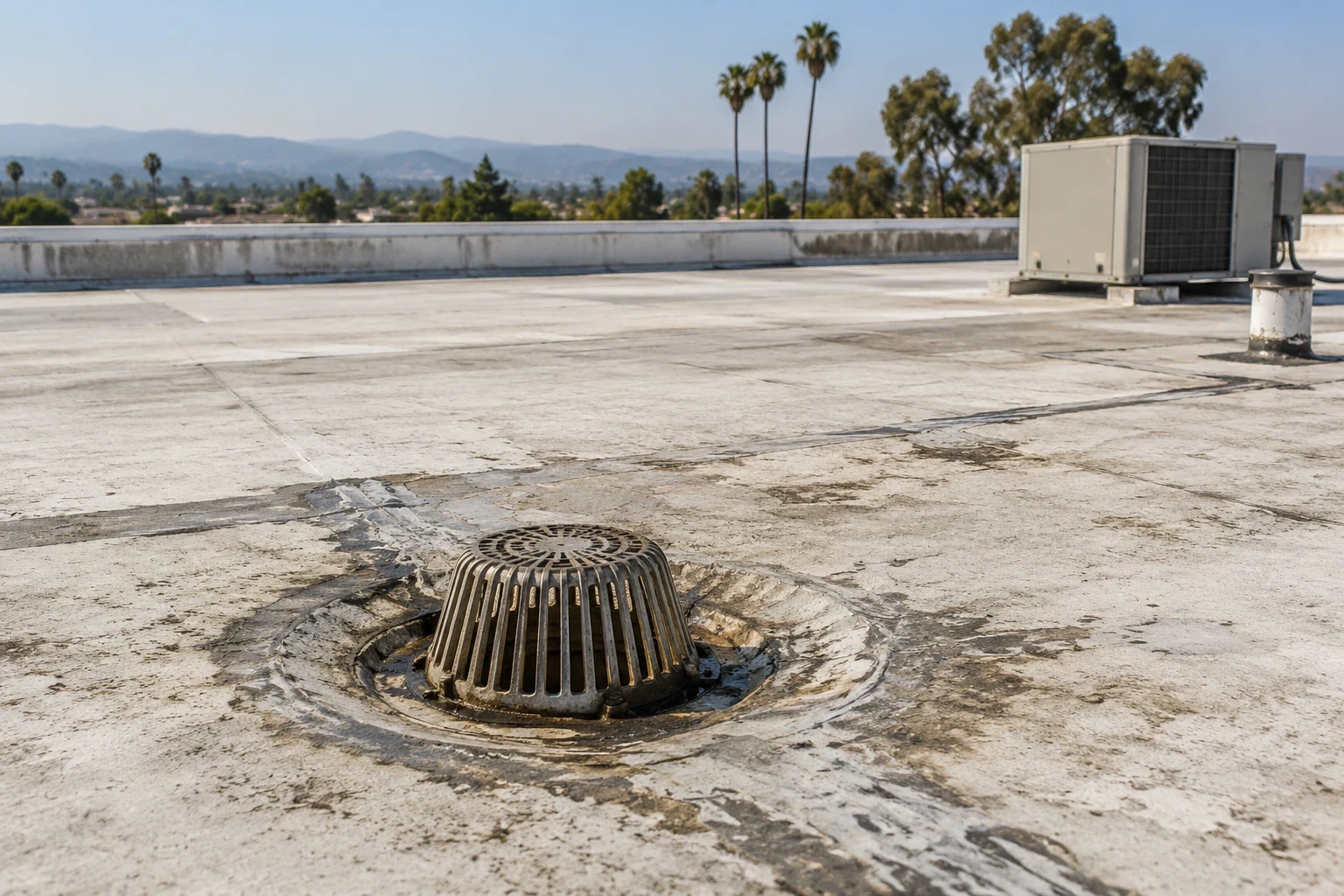
Replacing a curb, adding insulation or changing membrane thickness can affect drain elevations, wall flashing, coping and adjoining roof sections. We measure transitions and note where the new detail could create a low point or interfere with a service path. Water should flow toward the intended outlet, not collect behind a curb or equipment rail. If an outlet is nearby, a drainage review can check the flow path. If perimeter work is part of the same project, edge metal coordination keeps the termination aligned. The owner receives a diagram or marked photo showing the relationship before materials are ordered.
Separate Roof Work From Mechanical Work
The estimate should state whether the roofing contractor will only flash around stationary equipment or whether another trade must disconnect, raise or replace a unit. We separate roof preparation, curb repair, support protection, equipment handling, controls and interior work. Concealed substrate conditions and testing are listed as allowances, not assumed outcomes. A leak can continue if the equipment opening or nearby seam remains unverified, so leak tracing may be a separate step before final repair. For broader wear, localized roof repair can define adjacent membrane work. The property manager can compare the schedule, service interruptions and approval path before releasing the scope.
Leave Equipment and Roof Records in Sync
After repair, we record the curb or support location, membrane detail, materials used, photos and any limitation that remains. The mechanical contractor can verify equipment access or service after roof work, while facility staff can update the roof plan. A condition report can connect the detail to inspection and maintenance records. For a Burbank building in the Media District, we route closeout through the facility contact so production operations know which areas were accessed. The record should show what was repaired and what still needs a separate trade, test or owner decision. That allows the next service visit to start with a known roof detail rather than an undocumented patch. We also mark any nearby piping or conduit that the owner wants protected during future access, and note whether a service walkway or pad should be considered separately. If a roof plan is updated after the repair, include the equipment ID if the facility uses one, the roof zone and the repair date. That information can help a maintenance team find the detail before servicing a unit or responding to water. If testing was not completed, the closeout names the next test and who must approve it. The file should keep roofing observations distinct from mechanical service findings.
Commercial Roofing Questions
Can you flash around equipment that remains operating?
Often, with a planned access route and coordination with the facility and mechanical contacts. Shutdown or movement needs separate authorization and trade coordination.
Does a curb leak always mean the flashing failed?
No. Water may enter at adjacent seams, supports, drains or another opening. We map the reported area and distinguish observed defects from likely paths.
Who moves rooftop equipment for a repair?
The scope identifies any disconnect, lift or support work. The equipment owner or qualified trade must approve and coordinate that activity.
Can new insulation affect equipment curbs?
Yes. Added height can change flashing, edge clearance, drains and service access. We review those transitions before setting material quantities.
What should be documented after curb work?
Keep roof-zone photos, material details, repair limits, access notes and any mechanical sign-off with the building's equipment and maintenance records.