Commercial Roofing in Valley Glen, Los Angeles, CA

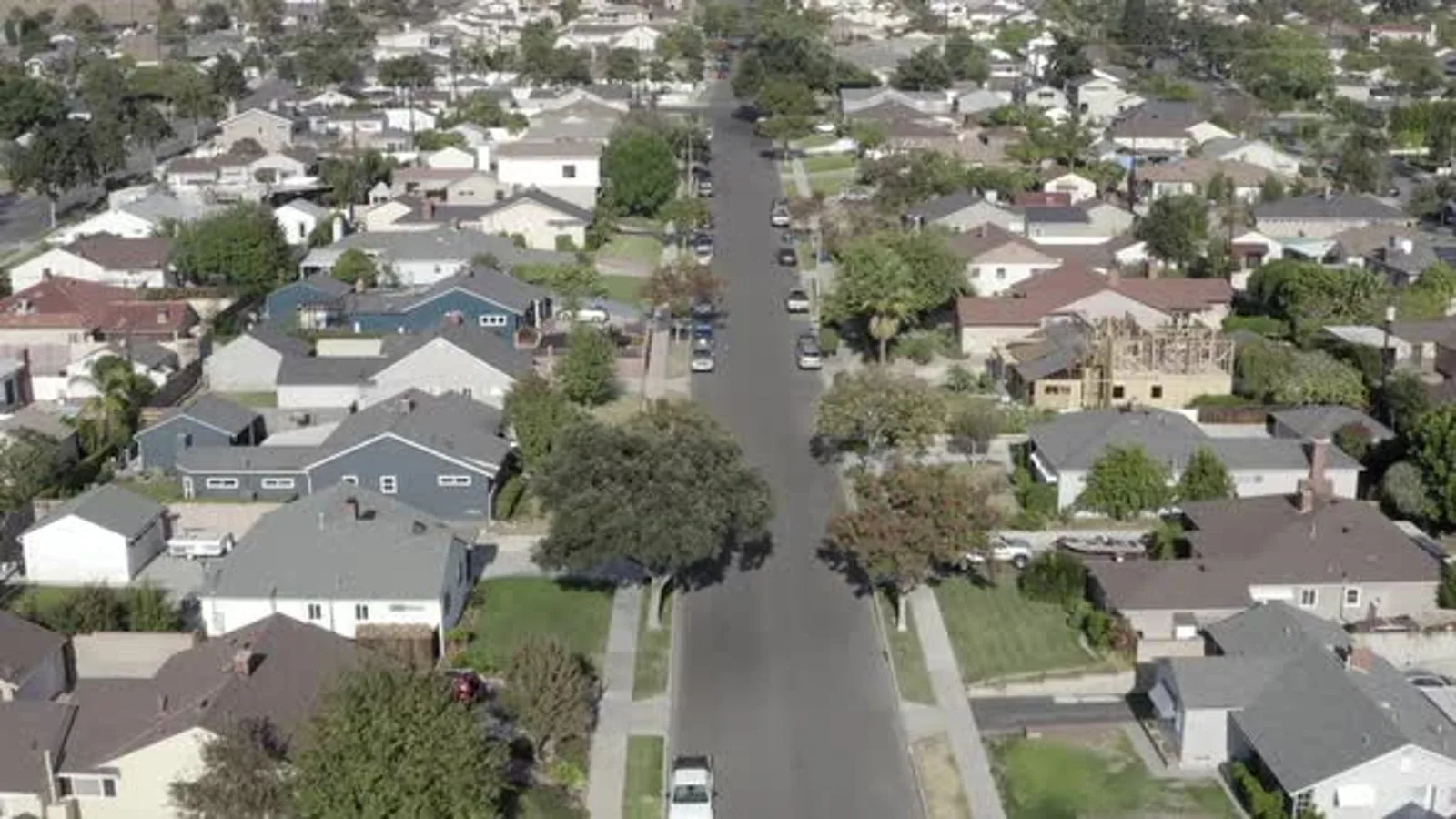
Commercial roofs in Valley Glen are concentrated along major corridors, while the surrounding plan area remains primarily residential. The Los Angeles plan also identifies industrial uses at the northern boundary, so the first roof decision is to locate the actual nonresidential building and understand its use before assigning a scope. We inspect the roof section, seams, drains, curbs and perimeter details, then map where a repair can be separated from replacement work.
Valley Glen lies just west of State Route 170 within the Southeast Valley plan areas. That corridor setting can make deliveries and roof access part of the schedule, but it does not tell us how an individual property operates. We confirm the tenant calendar, equipment routes and protected areas with the facility contact. A commercial roof inspection records what is visible, what needs testing and which decision the evidence supports.
Identify the Commercial Roof Zone First
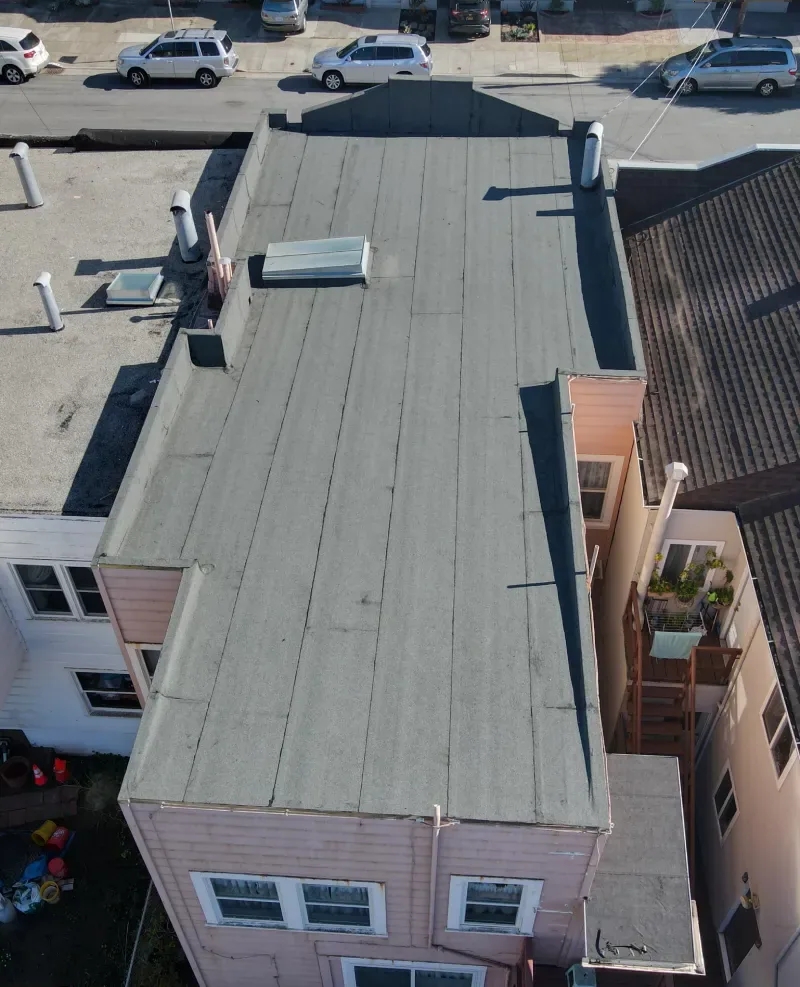
A low-slope roof needs a section map before separate leak reports can be compared. We mark drains, scuppers, parapets, curbs, penetrations and previous patches, then connect each observation to an interior area where relevant. In Valley Glen, commercial uses follow major corridors and industrial parcels appear along the northern edge, so roof type and access should be confirmed at the specific property instead of inferred from the neighborhood. The condition record can separate active defects from areas to monitor.
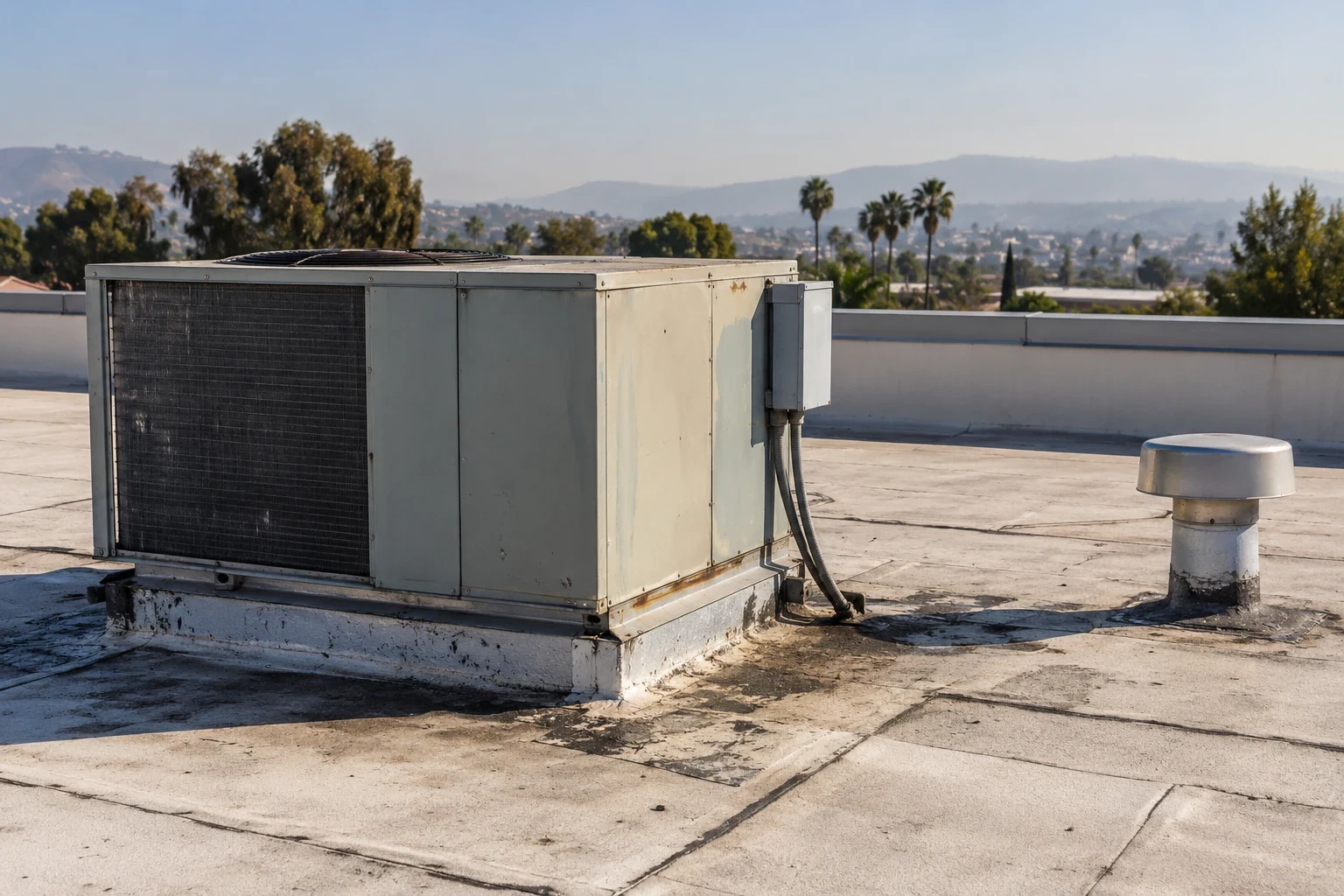
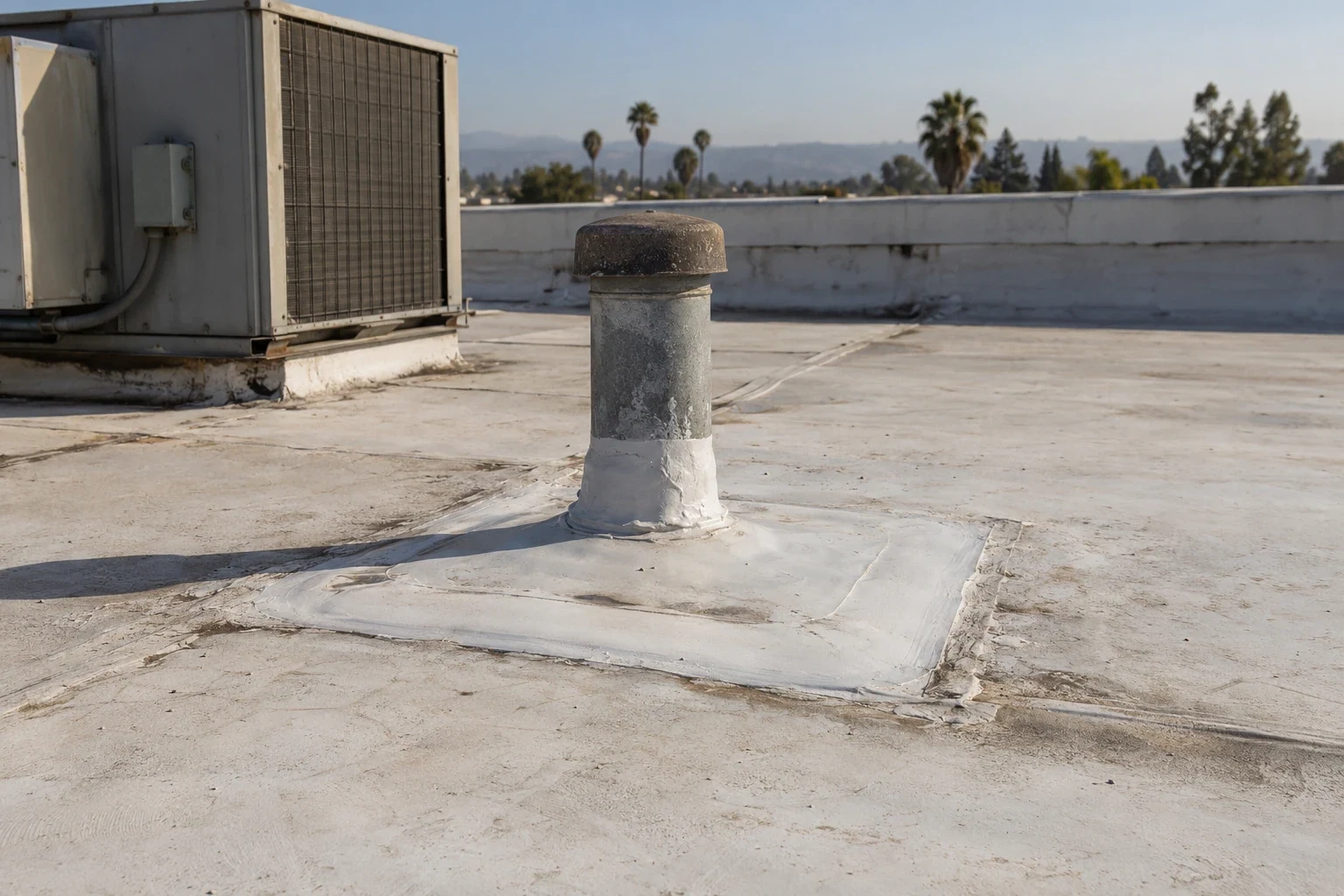
The inspection identifies membrane type, attachment, insulation, deck access and drainage path. If a recurring stain follows a seam, we examine the weld and adjacent substrate rather than writing a patch allowance without a boundary. A TPO roof review can explain heat-welded field seams; for another existing system we record its actual material and repair history. Photos should show the roof section, defect and tie-in so the owner can compare work options with the same set of facts.
Account for Heat at the Roof Surface
Summer heat affects the hours available for exposed work and the way crews handle adhesives, flashing and temporary dry-in. For dispatch context, Burbank mean highs reach 85.8 degrees Fahrenheit in July and 88.3 in August; confirm Valley Glen's actual exposure. That station is in the market city, so we record shade, surface condition and drainage on the Valley Glen roof before fixing its work window. We plan the shift around roof conditions and establish a stop point before opening a section.
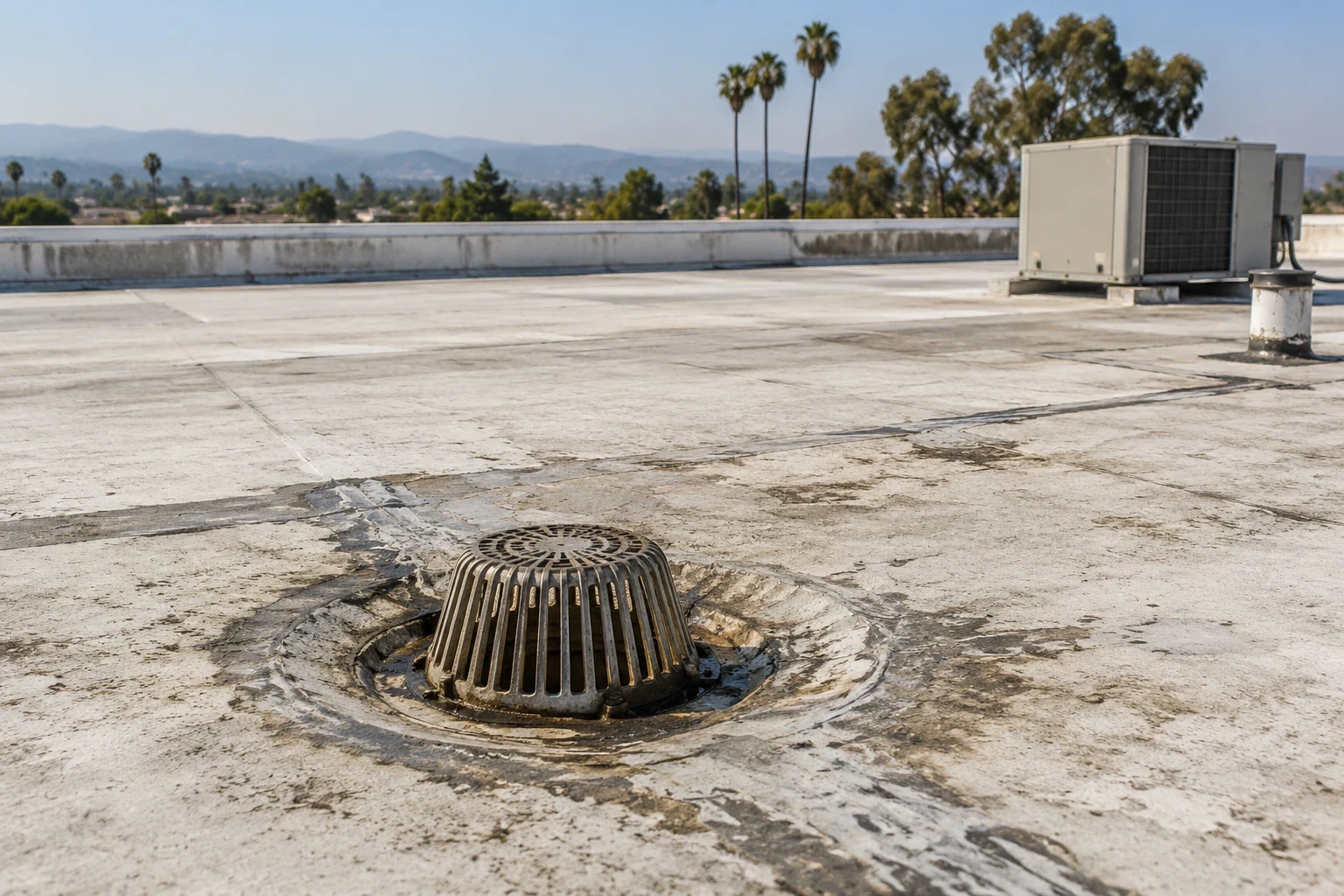
Water entry can begin at a drain bowl, curb, wall termination or seam and travel before it reaches the ceiling. We check the drainage path, clear outlets and record low areas before pricing a membrane patch. The drain and scupper review keeps outlet corrections distinct from field membrane work. In the Valley Glen plan area, corridor traffic and a property's own loading routine can shape material arrival. We set access with the facility director instead of assuming a route based on nearby arterials.
Compare a Local Repair With Renewal
A repair can protect the current roof when the field membrane and substrate remain sound outside an isolated seam or flashing failure. We identify the measured area, compatible tie-in material and preparation required, then note what remains outside that boundary. Repeated leaks in several sections may justify a broader comparison, especially if moisture testing finds wet insulation. A commercial repair scope should show what is included and what evidence would change the recommendation.
Replacement planning separates tear-off, insulation, cover board, membrane, edge metal and temporary protection. A recover needs checks for existing layers, deck condition, moisture, drainage, attachment and perimeter height before another assembly is priced. We list any test opening as a decision point, not an unpriced surprise after mobilization. A recover evaluation records those checks and lets the owner compare repair, recover and full renewal against the same roof map and access assumptions.
Set a Work Sequence Around the Property
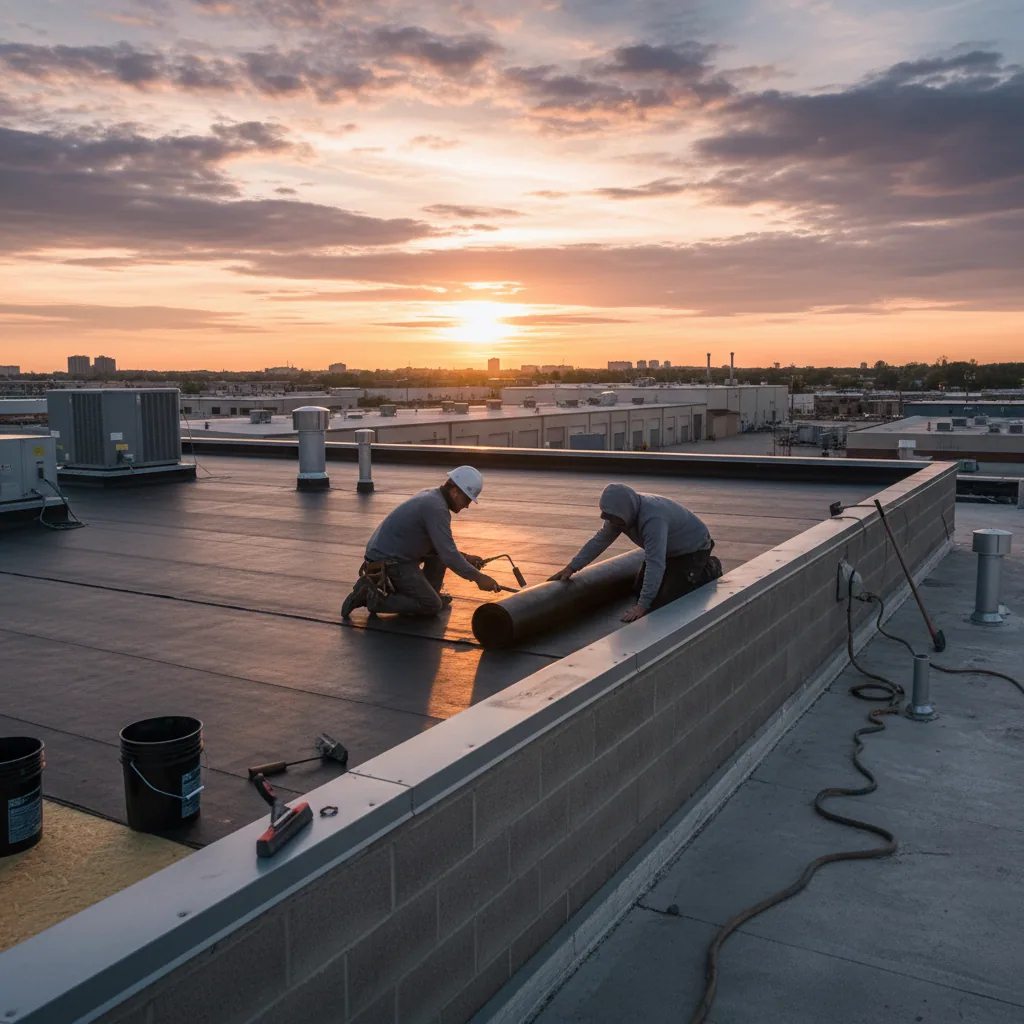
Material staging, lift access, tenant hours and protected interiors can change a roofing schedule even when the repair area is small. We confirm approved entry paths and identify the point where each crew shift will close the roof. If occupied space sits below the work area, the plan names the protection method, inspection step and person who accepts the daily stop point. A phased roof sequence makes those operating limits visible before the project date is set.
The Valley Glen plan identifies industrial uses at its northern boundary. We verify whether a specific building sits in that setting, then inspect truck access, equipment clearances and the roof sections that can be staged separately. We coordinate noisy work and temporary drainage with the building contact. The same kind of review can be used for the Van Nuys industrial corridors while keeping each address and schedule distinct. For a nearby commercial corridor, the Valley-Laurel area plan provides a separate location reference, not an assumption about a Valley Glen property. The field plan names lift timing, material paths, tenant notice, protection at roof penetrations and the inspection point before a section closes. We record which work can proceed beside occupied areas and what must wait for a quieter access block. Those items change labor and schedule, so they belong in the scope rather than in a general mobilization note.
Keep the Roof Record Ready for the Next Decision
Closeout ties work photographs and approved field changes to the roof sections on the plan. We note installed materials, drain and edge details, the repair limit and any area that was not opened. That record gives maintenance staff a baseline for the next visit and preserves the reason a condition was left for monitoring. A preventive maintenance scope can use the same zone map to track drains, seams and penetrations over time.
If water reaches an occupied floor during a storm, an emergency response starts with containment and a safe access plan, followed by inspection and a defined permanent repair. We record temporary work separately from a renewal proposal so the owner sees what protects operations now and what remains for capital planning. The facility director receives photos, open items and the next inspection point in a closeout file that can guide the repair limit, operating window and renewal decision.
Commercial Roofing Questions
How do you confirm which Valley Glen properties are in the roofing service area?
We use the named commercial corridor or broader plan area, then verify the property's location and access before scheduling. We do not treat one tenant or address as the entire district, and we confirm the roof use during the first call.
What roof records help define a repair limit?
A roof plan, prior leak notes, maintenance history and marked interior locations help tie observations to a section. We add current photos of drains, seams and flashings, then identify any test opening needed before a price is final.
Does the Burbank temperature normal describe a Valley Glen roof?
It is a regional reference from a station in Burbank, not a measurement at the target building. We still check actual surface conditions, membrane age, shading and daily access hours before setting the installation sequence.
When should a recover be compared with replacement?
We review existing layers, moisture, deck support, drainage, attachment and edge height. If those conditions support another assembly, we price the recover separately; if they do not, the owner sees tear-off and replacement quantities as a distinct option.
How can occupied space stay protected during roof work?
We set a roof-zone sequence, agree on material access, name protected areas and define the daily weather-tight stop point. The facility contact can review that plan against tenant hours before crews mobilize.