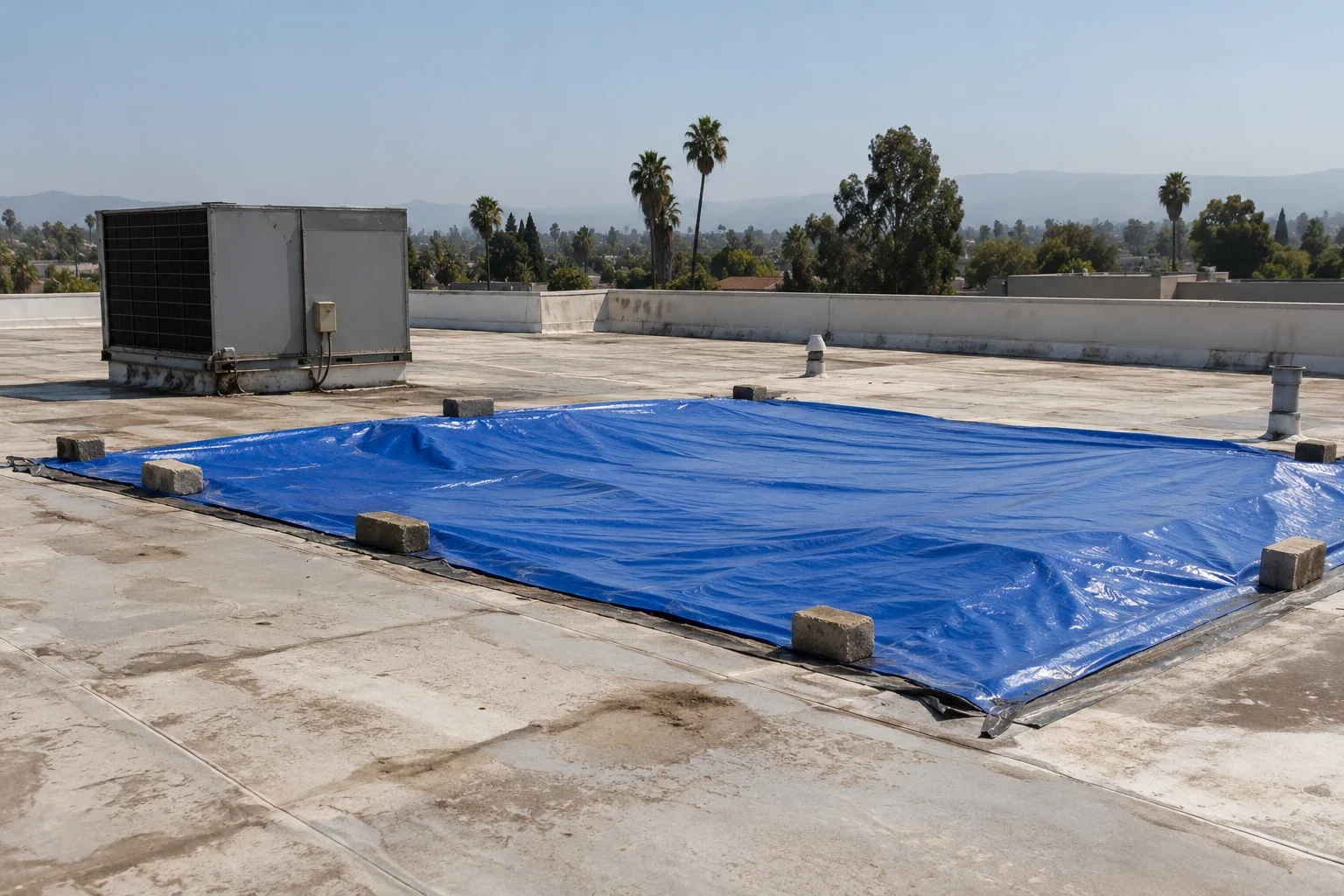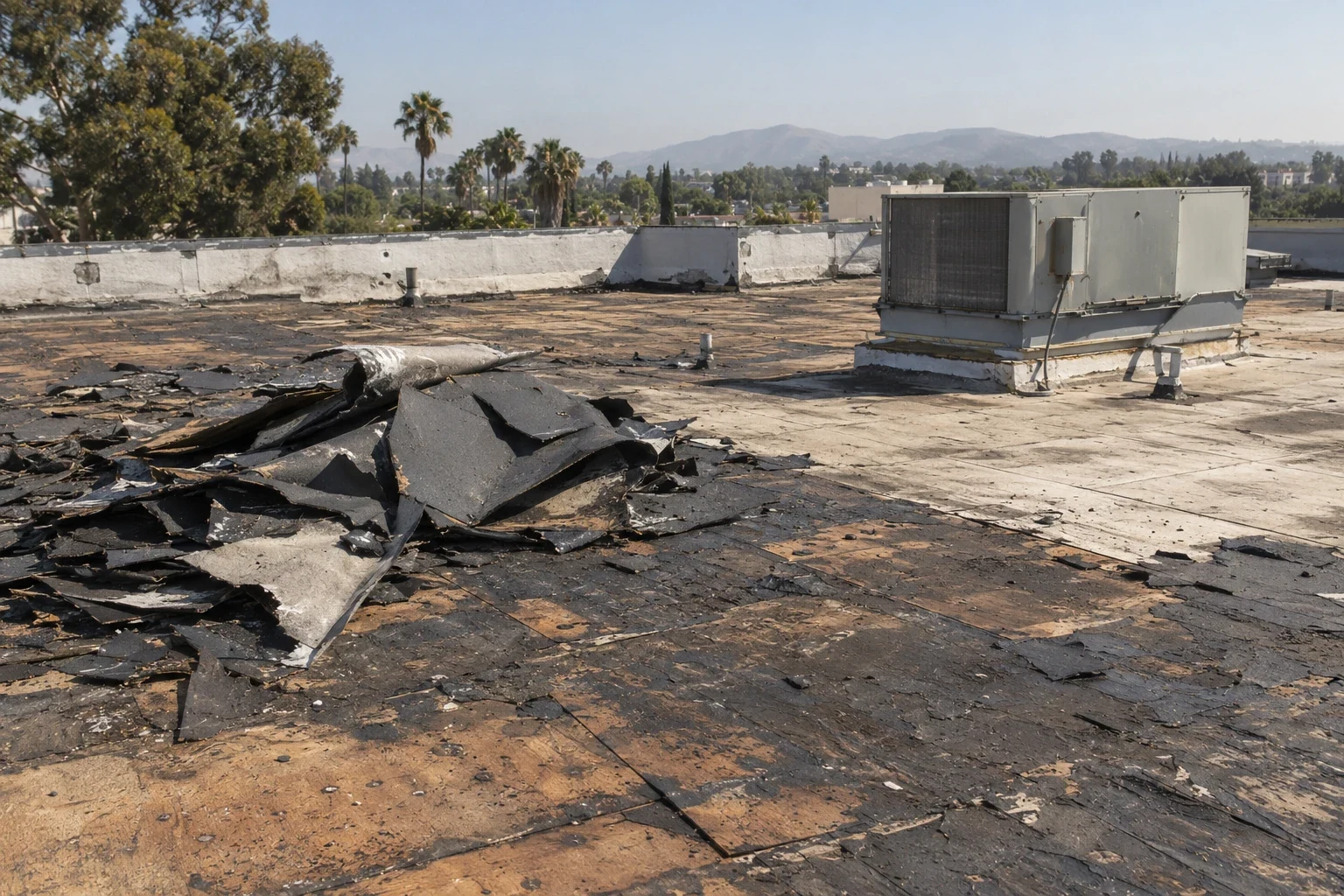
Commercial Roofing in Van Nuys Civic Center District, Los Angeles, CA
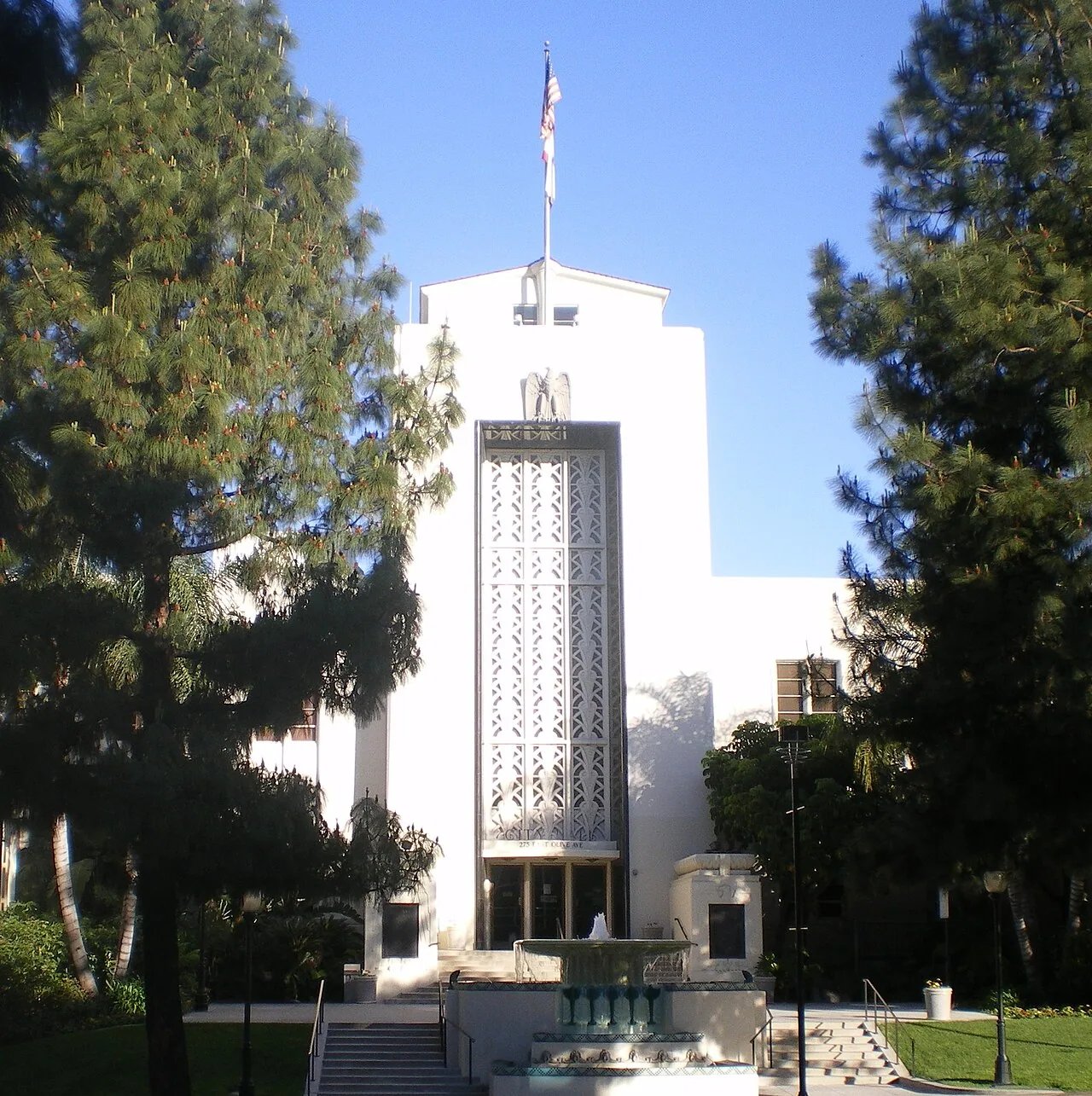
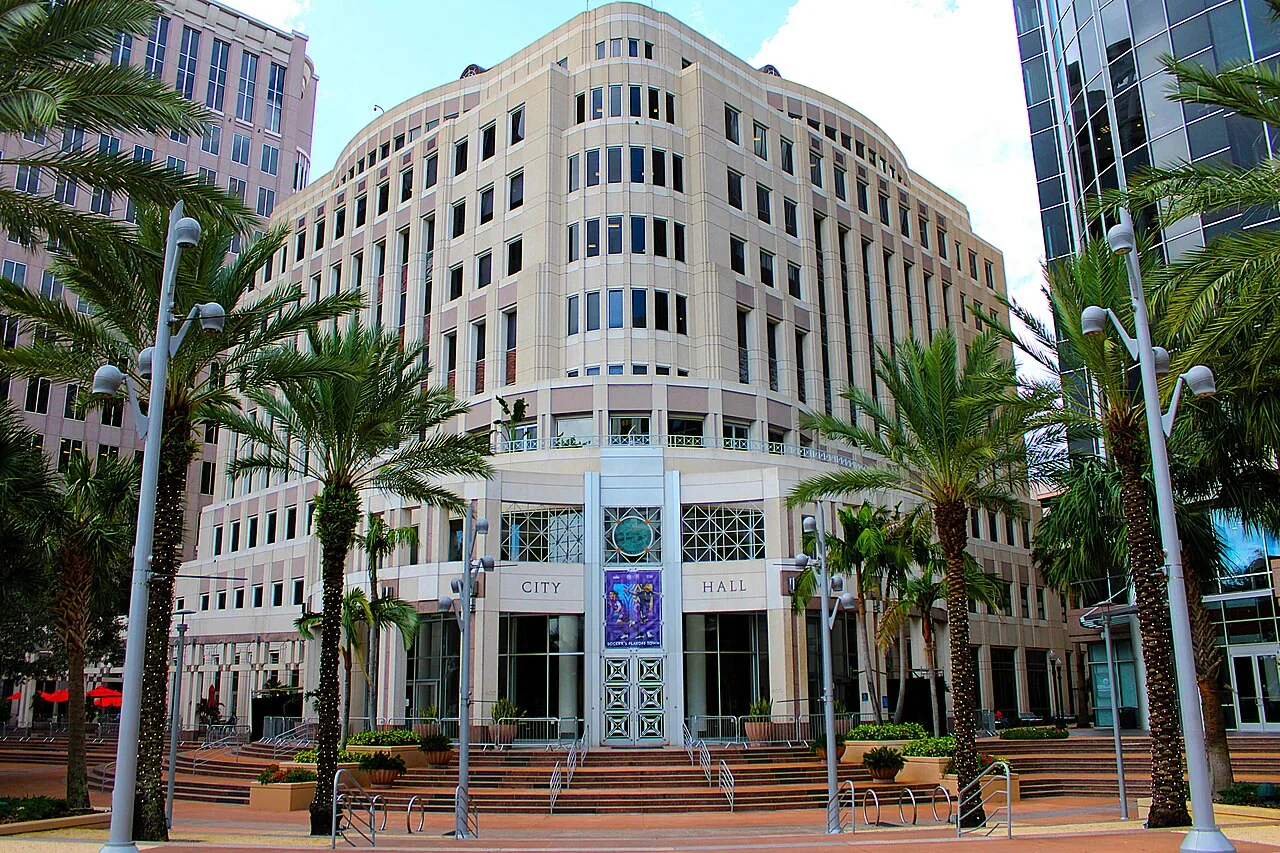
Government office buildings around Van Nuys Boulevard, Sylvan Street, Tyrone Avenue and Calvert Street need a roof sequence that preserves access to public services. A broader Civic Center and government-service area spans these corridors, with federal, state, county and municipal offices in the administrative center. We target the district's commercial roofing needs, not a single public campus. The first review maps roof sections, entrances, equipment, drains and areas where a repair can be completed without blocking routine access.
Commercial activity centers on Van Nuys and Sepulveda Boulevards, while each property has its own use and operating schedule. We confirm those details with the building contact before setting staging or tenant communication. A commercial roof inspection records visible seams, flashings, drains and prior patches against a roof-zone plan. That record gives a facilities manager a defined repair limit and identifies test openings that could change the renewal quantity.
Preserve Public Access While Work Moves
Office hours, public entries, secure areas and scheduled service appointments can limit where a roofing crew stages. We confirm entrances and material routes with the building contact, then identify the daily point where each roof section closes. A phasing plan lists temporary protection, tenant notices, lift timing and the inspection needed before operations resume. Those details belong in the proposal because they affect both crew sequence and access to public-facing areas. We also mark the roof hatch, equipment service paths, waste removal route and any area where the daily closeout needs a facilities check. If entrances cannot be restricted at the same time, a phased scope may divide the roof into smaller work windows. That sequence gives the office manager a reviewable schedule before capital is released.
The Civic Center spans several named streets, but roof layout and security rules are specific to each office building. We record those site-specific limits during the walk and include them in the access sequence. For multi-tenant civic offices, the schedule should name each workday and roof zone, identify who can approve an access change, and explain how the facility contact receives a weather-delay notice. We confirm those steps before material delivery so crews, staff and visitors have the same expectations. If records need to distinguish an active leak from a previous patch, photographs should show the zone, curb or perimeter detail and the interior location involved. A Van Nuys industrial corridor review uses a separate access map for its own building context.
Trace a Leak From the Interior to the Outlet
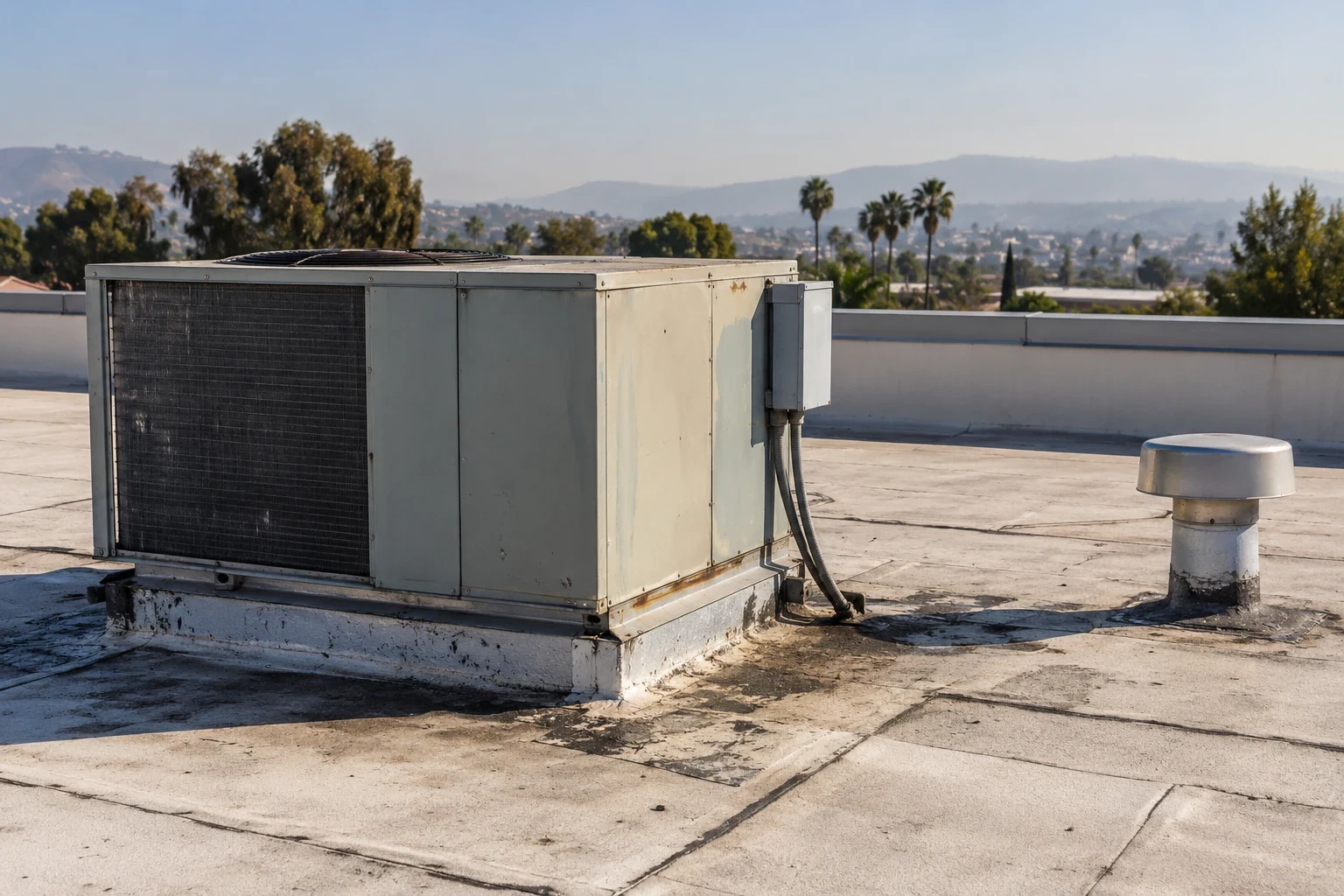
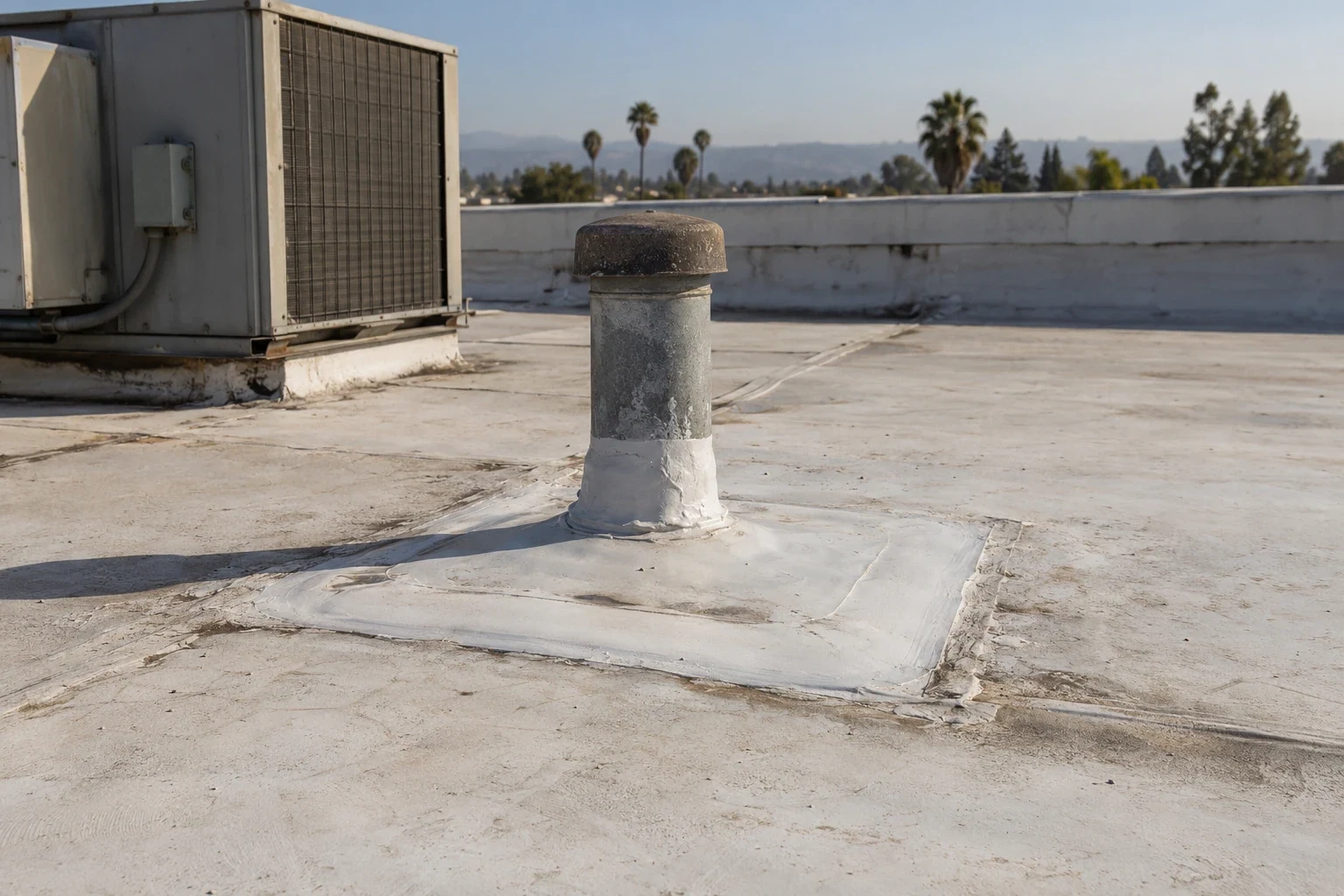
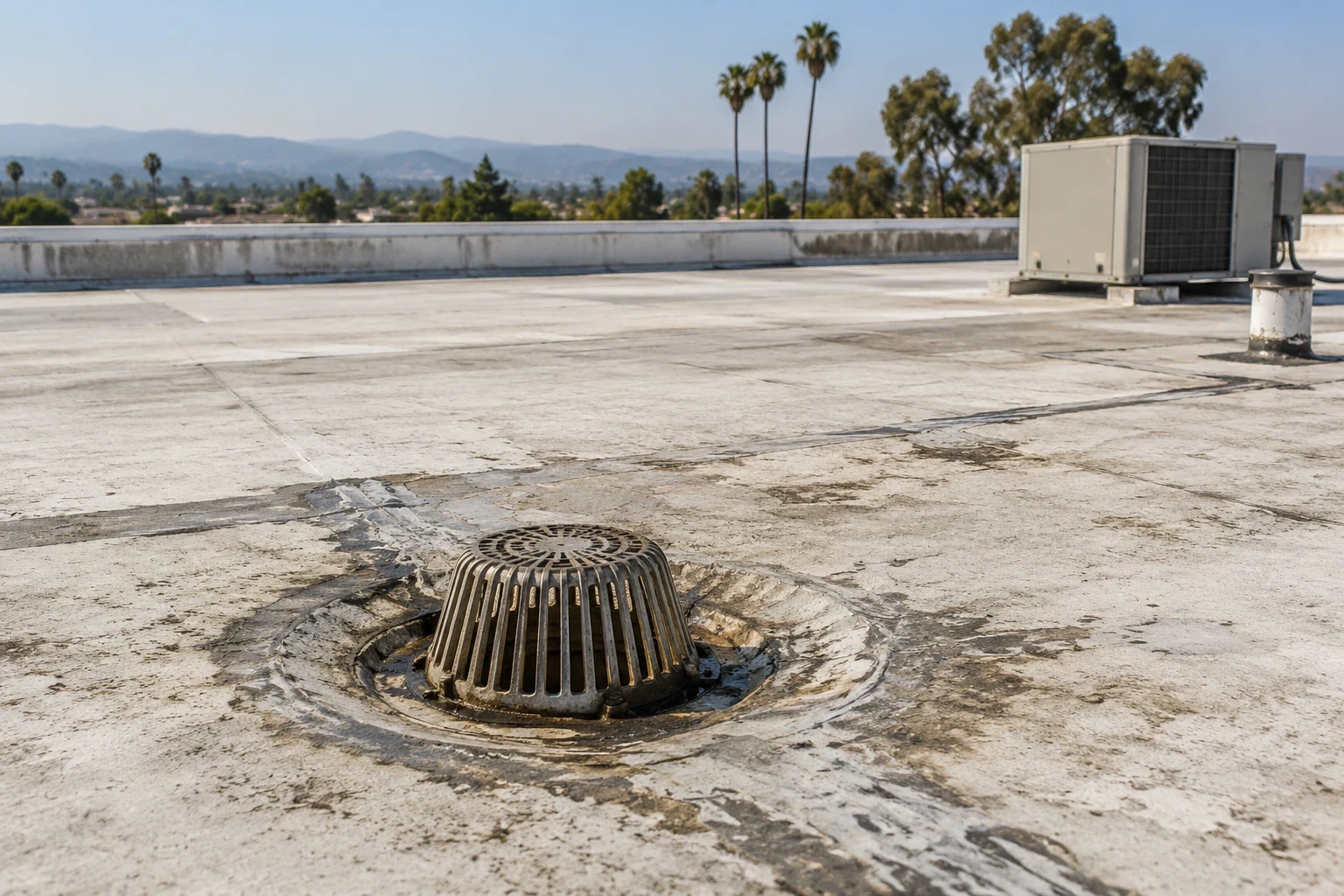
A ceiling stain in a public office may sit below a drain path or curb transition rather than directly beneath the entry point. We inspect the membrane, seam, roof-to-wall termination, unit curb, scupper and drain bowl, then trace water toward the outlet. A drainage inspection separates an obstruction or low area from a failed flashing. The repair scope names which condition it addresses, with photographs tied to the affected roof section.
Commercial activity along Van Nuys and Sepulveda Boulevards gives the service area a corridor-level focus, while the Civic Center district has its own public-service schedule. We coordinate roof access with the facility contact and maintain an unobstructed path to the entrances identified for the work period. If water is active, an emergency response handles containment and temporary protection first. We then document the permanent repair separately so the manager can track the condition that remains.
Show the Limits of Repair and Renewal
A local repair can be appropriate where the membrane and substrate remain sound outside a defined failure. We measure the area, note preparation and compatible flashing materials, and identify what remains outside the scope. Repeated leaks across several rooms or roof zones may point to wet insulation or multiple transition failures. The owner needs a second option when tests show a condition that a surface patch will not address.
Replacement scope separates tear-off, insulation, cover board, membrane, perimeter metal and temporary dry-in. A replacement review maps those quantities to the affected roof zones. A recover needs checks of existing layers, moisture, deck condition, drainage, attachment and edge height before another membrane is placed. We identify any opening needed to settle those questions. Cost drivers include removal quantity, wet insulation, edge-metal replacement, drain correction, lift access and the number of protected work zones. A proposal lists those items by roof section and separates a temporary leak response from permanent renewal. This lets the owner compare what can be done now with what needs design or testing before the next permit package is prepared. The built-up roof review can help when that assembly is observed, but we do not presume a roof type from the area's government use.
Plan for Roof Conditions and the Work Window
Summer surface heat can alter crew hours and material handling. Regional conditions help set a work window, but they do not measure a specific roof. We check exposure and weather before staging, then agree on dry-in and shift stop points with the facility contact.
Public service buildings can require a clear route for employees and visitors while crews work above. We identify equipment service paths, roof hatch rules, areas that need interior protection and how debris is removed. The building contact confirms any escort or security process before mobilization. A roof condition report preserves the photographs, observations and test results supporting the scope, while the Sherman Oaks area review remains a separate place with separate access needs.
Keep the Service Record Ready for Reinspection
Closeout should tie the installed work and approved field changes to the roof map. We record the repair limit, drain and curb details, materials, excluded areas and any follow-up check. This gives a facility manager a way to tell whether a later leak matches a known condition or needs a new inspection. The record is more useful than a general note that work is complete without reference to roof zones.
Van Nuys Boulevard, Sylvan Street, Tyrone Avenue and Calvert Street define a broad public-service district, while building access remains specific to each office or commercial property. The local roof walk determines actual surface condition and drainage; we confirm those observations before a new service date is set. We finish by reviewing open items, next inspection dates and any scope boundary that affects future capital timing. Nearby industrial properties have different escorts, equipment access and operating windows, so each location receives its own access review.
Commercial Roofing Questions
Does the Civic Center service area cover only the administrative center?
The route covers the broader civic and commercial district around the named streets. We verify the actual property and its operating use; a single office or public facility is not the whole location target.
How do you keep public access open during roofing work?
We map entrances, visitor paths, lift timing, material staging and temporary protection with the building contact. Each shift ends at an agreed weather-tight point before the affected roof zone is reopened.
What is the first step when a leak appears below an office roof?
We connect the interior report to a roof section, inspect seams, drains, curbs and wall terminations, then photograph the likely path. The repair scope identifies what is included and what needs testing.
How do summer conditions affect a Van Nuys roof review?
Regional heat can affect crew hours and material handling, but it does not measure conditions at a specific civic district roof. We confirm roof exposure, forecast and the safe work window during inspection.
What should a public owner retain after a roof repair?
Keep the roof-zone map, dated photos, repair boundary, materials, approved changes and any open monitoring item. Those records help facilities staff compare a later report with the condition addressed.