Commercial Roofing in NoHo Arts District, Los Angeles, CA
A North Hollywood commercial roof may serve an industrial operation, neighborhood business, or multifamily property. The first decision is whether water entry is isolated, the assembly remains sound, and work can proceed without interrupting use.
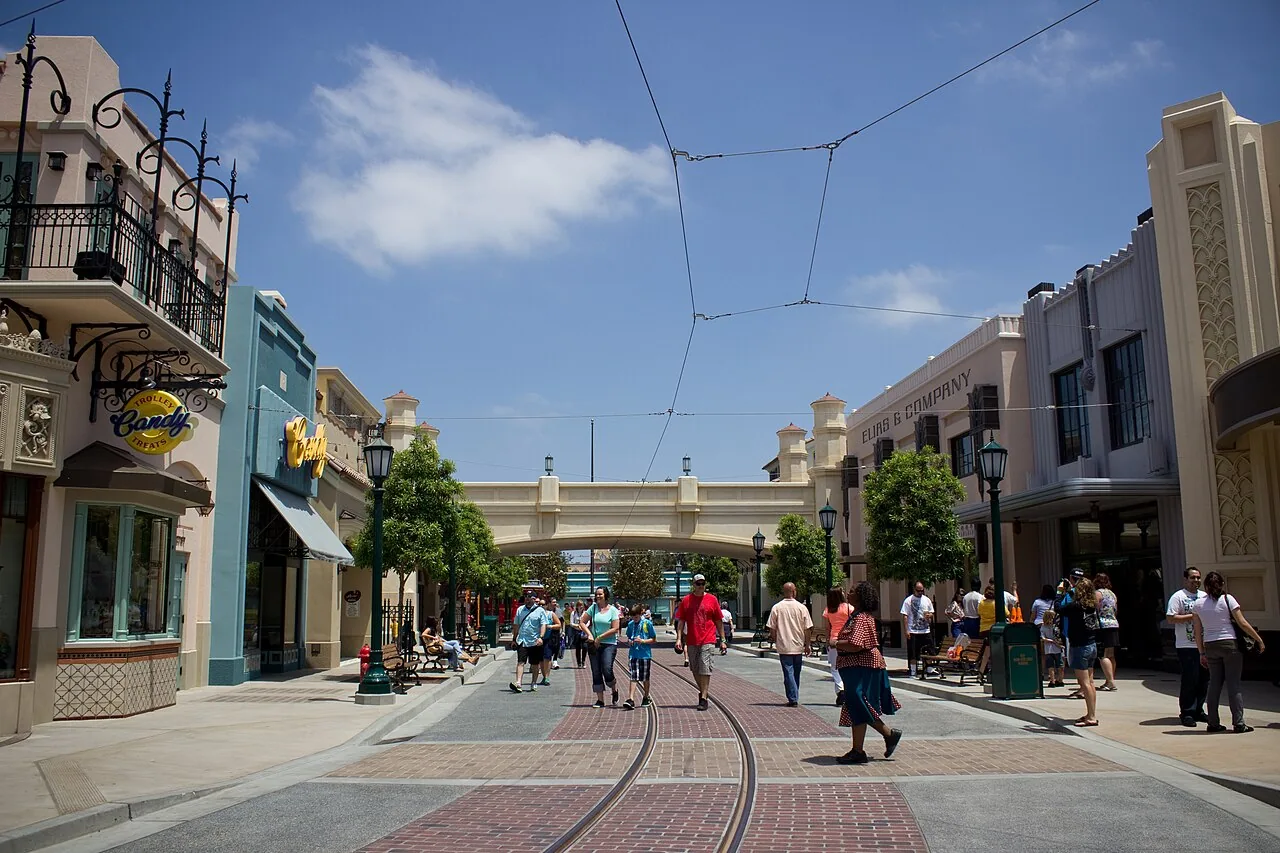
The NoHo Arts District is part of the broader North Hollywood community. Each building still needs its own roof-system inspection. We confirm the assembly, document seams, penetrations, drains, and edges, then give the owner a repair scope and renewal option. A commercial roof inspection turns a leak report into a usable record.
If several rooms are affected, a roof plan lets us group reports by section and identify where a broader test may be useful. That makes the first visit more productive and keeps an urgent protection request distinct from a capital renewal study.
Start With the Space Under the Roof
A rehearsal, office schedule, delivery window, or residential occupancy can change when crews may stage materials and how long an area remains protected. The property contact identifies sensitive activity; inspection locates the water path and work boundary.
The NoHo Arts District and the industrial core near the northern rail right-of-way are different contexts within North Hollywood. A roof plan, access instructions, tenant list, and noise limits let us sequence the visit for this property.
When a project sits near the Burbank boundary, confirm which property contact controls roof access and delivery permission. City and neighborhood names help locate the work; they do not replace authorization from the owner or manager.
Find the Entry Point Before Closing a Repair
Water can follow an insulation joint or deck before reaching the interior. A drip near a wall may come from a curb, penetration, or edge detail elsewhere. We compare the report with the roof field, seams, flashing, drains, and prior repairs instead of treating the stain as a map.
Note when a recurring leak appears. Wind-driven rain may point to a different transition than slow ponding. We mark visible conditions and separate confirmed findings from questions, so the owner can see whether a commercial roof repair addresses the cause or a larger section needs review.
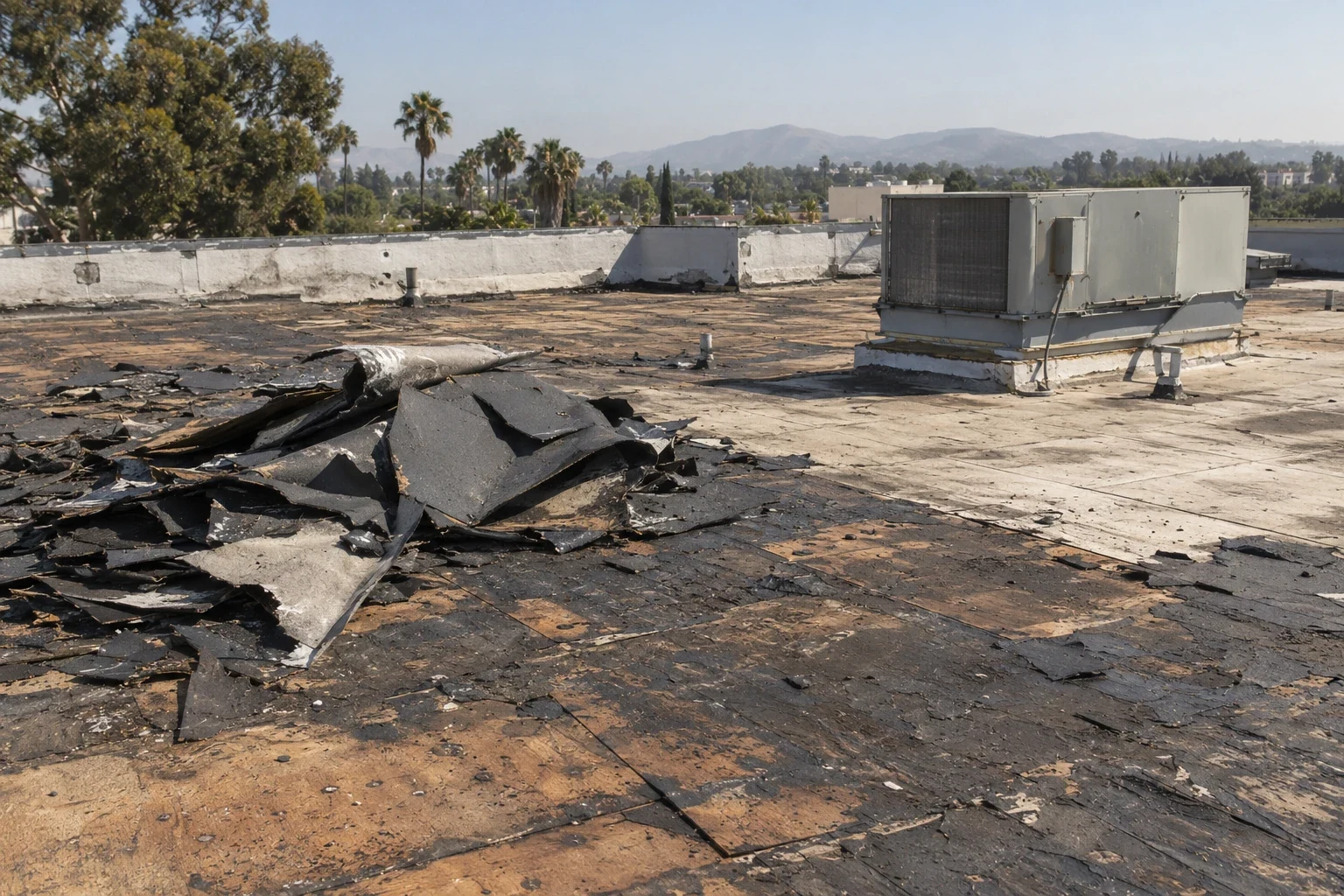
Where insulation may be wet, visual review alone may not settle how far moisture extends. We explain whether a test cut or other investigation would change the repair limit, and record the opening so it can be closed in the approved assembly.
Confirm the Assembly and Its Limits
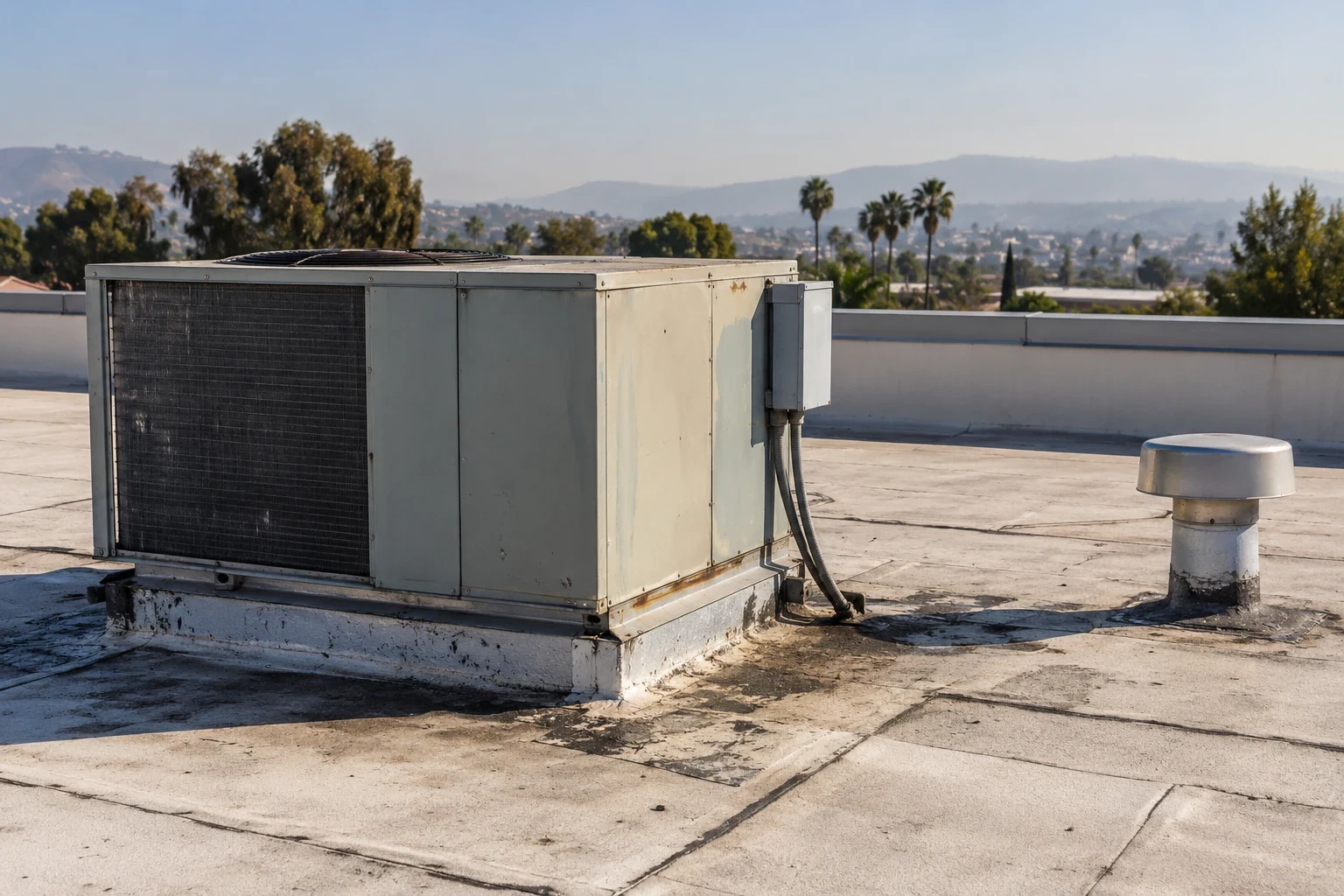
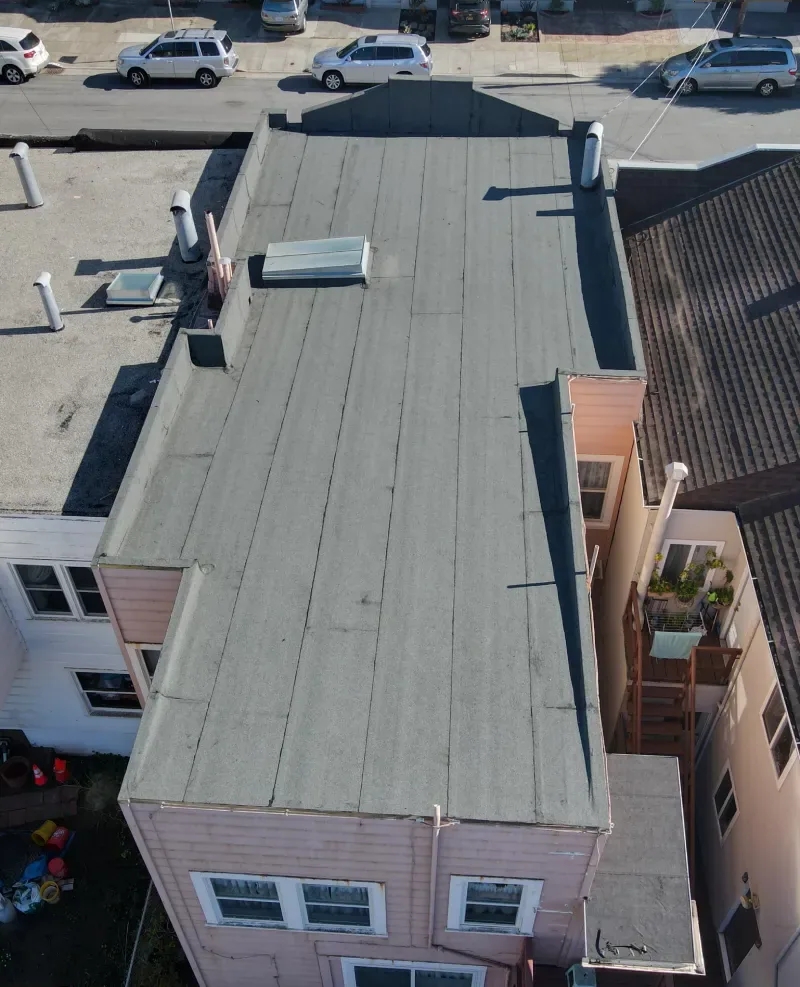
We judge a membrane roof at its seams, attachment, flashing, and changes in plane. We check penetrations and whether earlier repairs adhere to the existing material. For metal, we inspect panel laps, fasteners, coatings, and transitions; the record names a system only after identification.
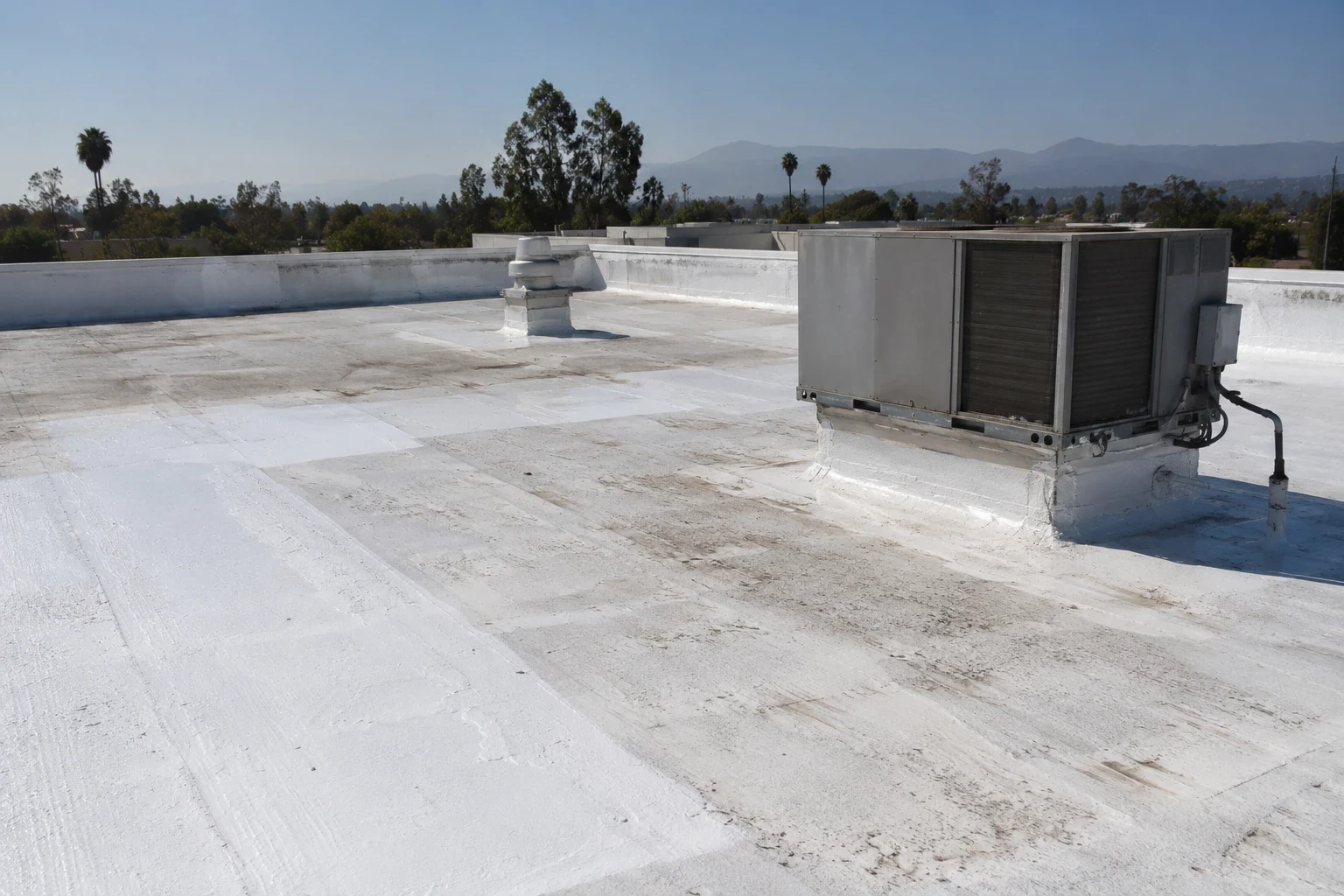
For a coated assembly, we review existing layers and substrate. A new coat cannot correct wet insulation or loose material, and incompatible products may bond poorly. Representative testing can help set the boundary. A roof coating review compares preparation with renewal.
Burbank's summer heat is local context; this roof's condition must be established on site. We check brittle sealant, movement at transitions, and lifting repairs. For scheduled work, product and weather limits affect when cleaning, repairs, priming, and application can proceed. The estimate should state those timing assumptions alongside the substrate and access conditions.
Cost and schedule depend on roof area, removal depth, wet insulation, edge conditions, staging, and the extent of occupied-space coordination. We identify these drivers in the scope so a facility director can compare options on the same boundary.
Compare the Repair Limit With Renewal
A limited repair fits when failures are localized and the surrounding assembly remains serviceable. The scope names roof sections, repair limits, and nearby conditions that may expand the work. If moisture or seam separation spans several areas, patching symptoms may leave the larger cause in place.
Replacement is a fair comparison when findings show broad deterioration or repeated repairs have not controlled the problem. A recover depends on condition, attachment, moisture, and requirements. We separate removal, recover, restoration, and repair, stating inclusions and assumptions. A replacement scope should account for edges, drains, curbs, and access.
Ask how concealed deck damage, wet insulation, or added edge-metal work will be documented if found. A clear allowance or approval step keeps the owner in control of scope changes rather than burying them in a broad contingency.
Set a Work Sequence the Occupants Can Follow
Coordination is part of roof work over occupied space. Before tear-off, we identify the roof contact, material route, area below, and temporary protection plan. A clear staging boundary limits conflicts with deliveries and tells the facility director when a section must stay closed.
When assembly and weather permit, work can be divided into smaller areas. The sequence includes end-of-shift dry-in, cleanup, drain access, and notice for noisy tasks. We record actual tenant hours and note what is complete if weather or concealed conditions change the next shift.
For a property with several tenants, assign one contact to collect schedule restrictions and circulate the daily work window. A single point of coordination reduces contradictory access instructions and helps crews protect the right interior area before work begins.
Check the Water Route and Roof Boundary
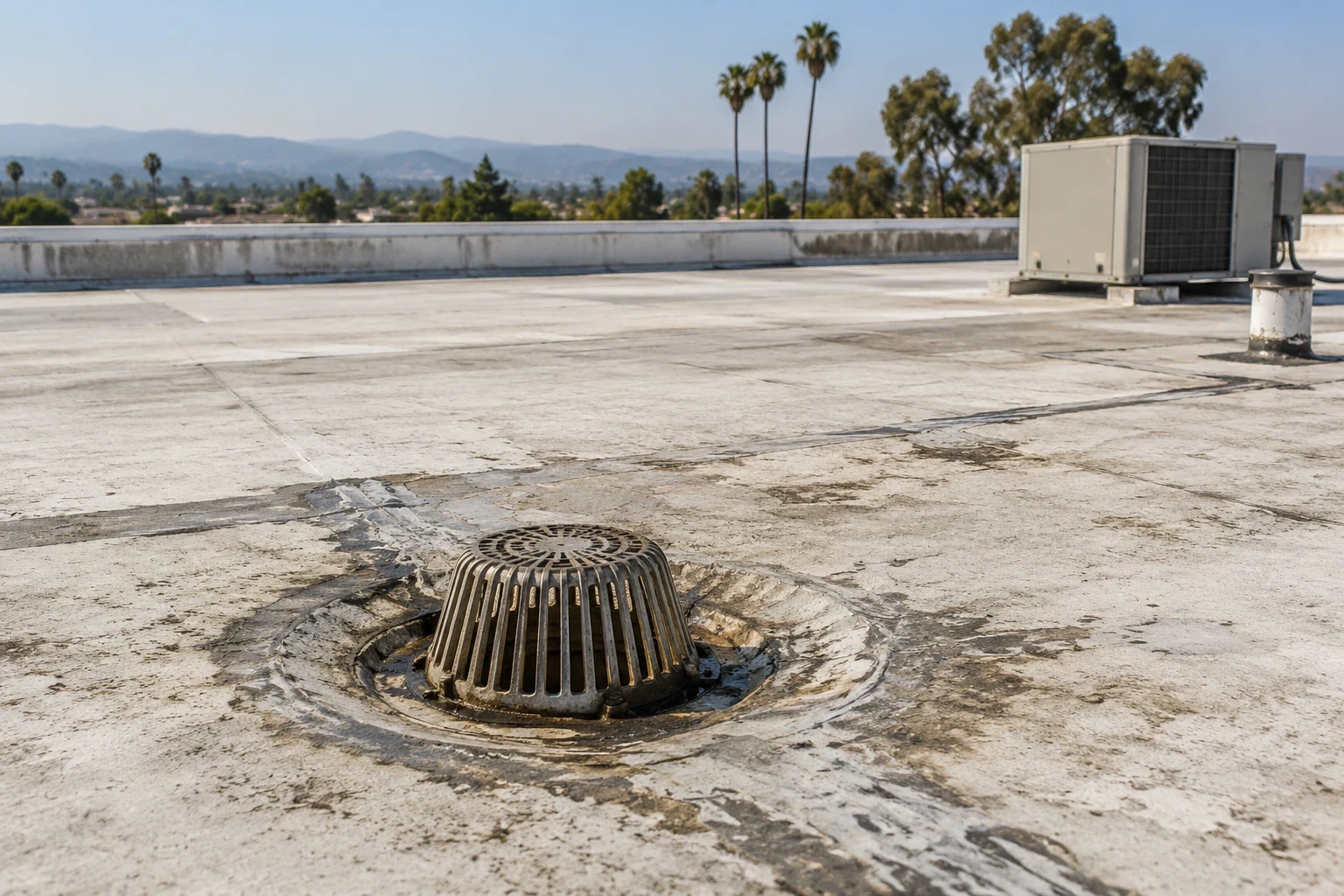
Water that cannot reach an outlet keeps testing seams and penetrations. We inspect drains, strainers, scuppers, overflow routes, and slope. A clear strainer may solve maintenance; a recurring low area can require drainage or structural review. The report identifies the condition rather than treating every pond the same.
At parapets and walls, we check coping joints, sealant, and membrane terminations. A field patch cannot stabilize a moving edge. When a new system meets existing walls or equipment, those details affect the scope. A drain and scupper inspection keeps water management in the repair decision.
After work, keep drain access clear and include removed debris, repaired details, and any follow-up observation in the closeout file. That gives the maintenance contact a baseline for the next inspection instead of relying on memory.
Make the Next Roof Decision Easier to Approve
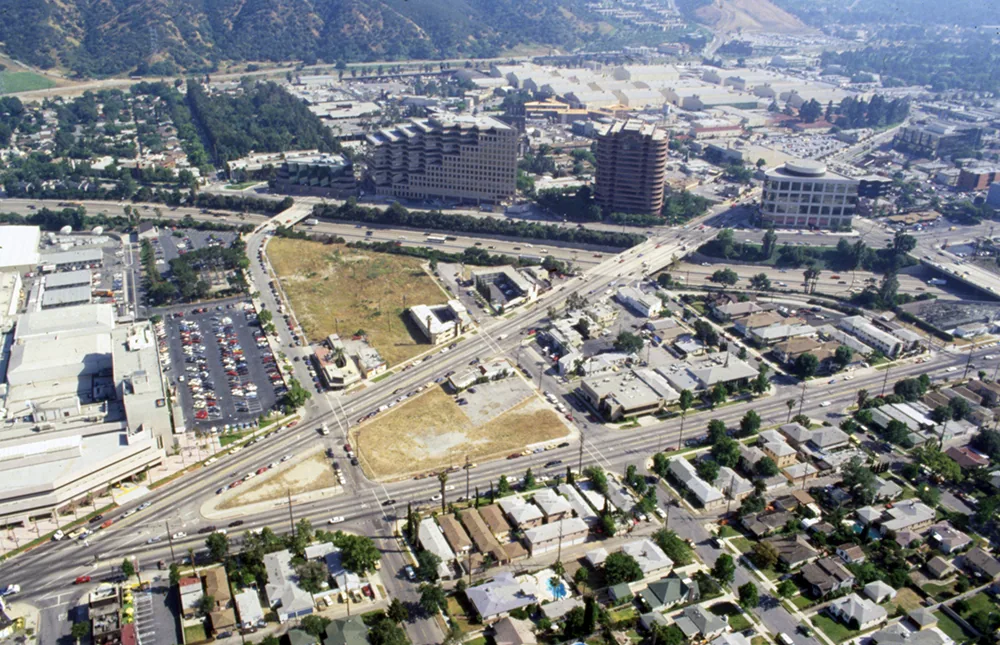
The North Hollywood-Valley Village area meets Burbank on its eastern side; the 101 and 134 freeways, Metrolink right-of-way, and Tujunga Wash help define the broader limits. Confirming the city and cross-street for a boundary property helps us coordinate dispatch without assuming a particular roof condition.
Roof reviews may connect to the North San Fernando Boulevard corridor or the North Hollywood area. Our Glendale area covers another nearby city context; each property's access plan remains separate.
A useful roof record names the section inspected, labels the condition, and ties photos to locations. It notes inaccessible areas, testing still needed, and assumptions that may change scope. With those limits clear, an owner can compare repair with restoration or replacement.
For a leak visit, share where water appeared, when it started, current interior protection, and who can approve temporary work. For renewal, add drawings, repair notes, tenant limits, and the funding deadline. We schedule around access and operating hours, then document a practical next step.
North Hollywood includes both the NoHo Arts District and an industrial core along the rail right-of-way; the district lies next to Burbank. Those broad references help orient a service request, while the building's own roof plan and inspection findings decide the work.
Commercial Roofing Questions
Is the NoHo Arts District a separate municipality?
No. It is part of the broader North Hollywood community, alongside several other neighborhood contexts.
What should I do before a roof inspection over occupied space?
Identify the access contact, affected rooms, operating hours, and noise limits so inspection fits the building.
Can a roof coating stop a recurring leak?
Only when the assembly and substrate are suitable and the leak source is corrected. Wet insulation or failed details need repair first.
What findings would move the budget from repair to a full reroof?
We compare failure locations, moisture, seams, repair history, and serviceable sections, then define each option.
What information helps scope a roof repair?
Share leak locations and dates, roof plans, access rules, repair notes, and who can approve temporary protection.