Commercial Roofing in Pasadena, CA

Office, retail and light-industrial buildings in Pasadena can have very different roof schedules. A South Lake property may need access planned around business hours, while a Lamanda Park operation may have equipment and delivery paths to protect. We start with the building use, then map the roof sections, drainage, penetrations and visible failures that control the repair boundary. That gives ownership a clear choice between a focused fix, further testing and a renewal comparison.
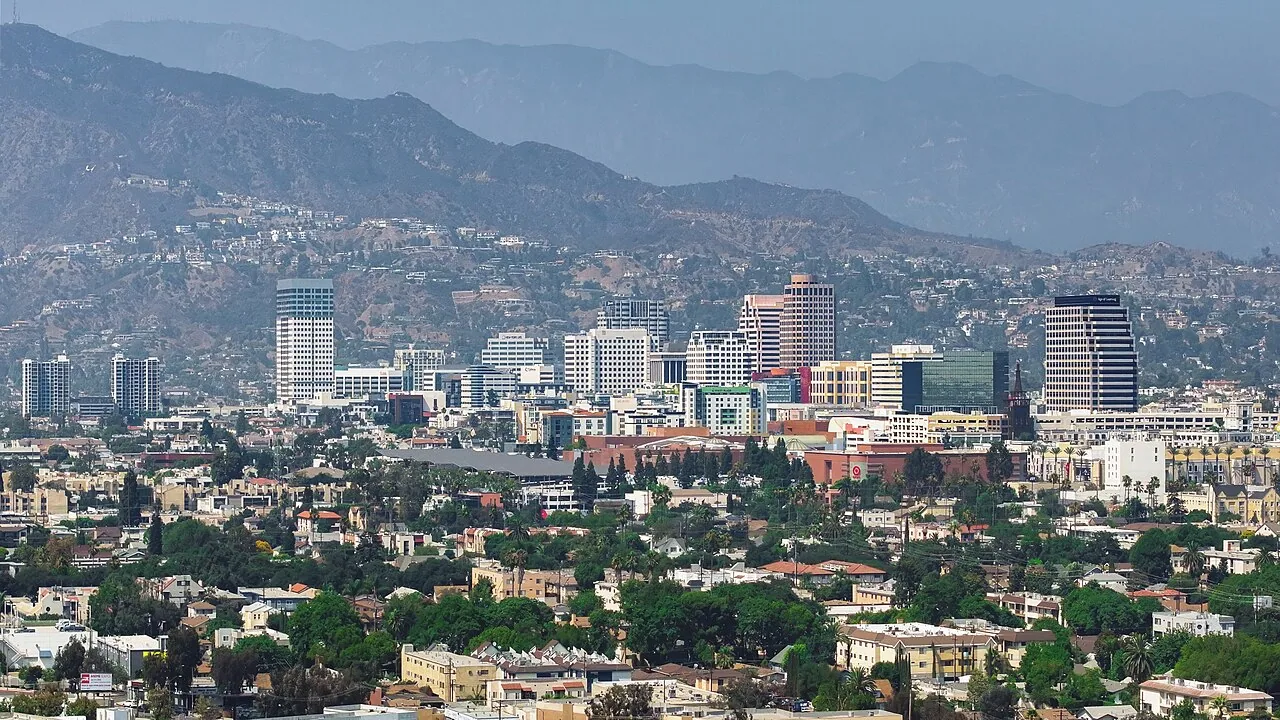
South Lake spans 12 blocks as a corporate center, with more than 56,000 people there during the daytime. For a roof project, that makes tenant timing and pedestrian or loading access part of the work conversation, not a reason to assume a particular roof assembly. We coordinate the property-specific entrance, staging location and operating window before materials arrive. A commercial roof inspection begins that record, and a photo-based condition report connects each recommendation to a roof section.
Trace the Condition to a Roof Section
A ceiling stain, loose seam or recurring service call gives us a starting point, not a complete repair scope. We compare the reported location with roof geometry, nearby drains, curbs, wall transitions and previous patches. Water can travel beneath a membrane before it becomes visible indoors, so we mark the likely entry area separately from the interior symptom. When those points do not line up, the next step may be a closer review or an approved test.
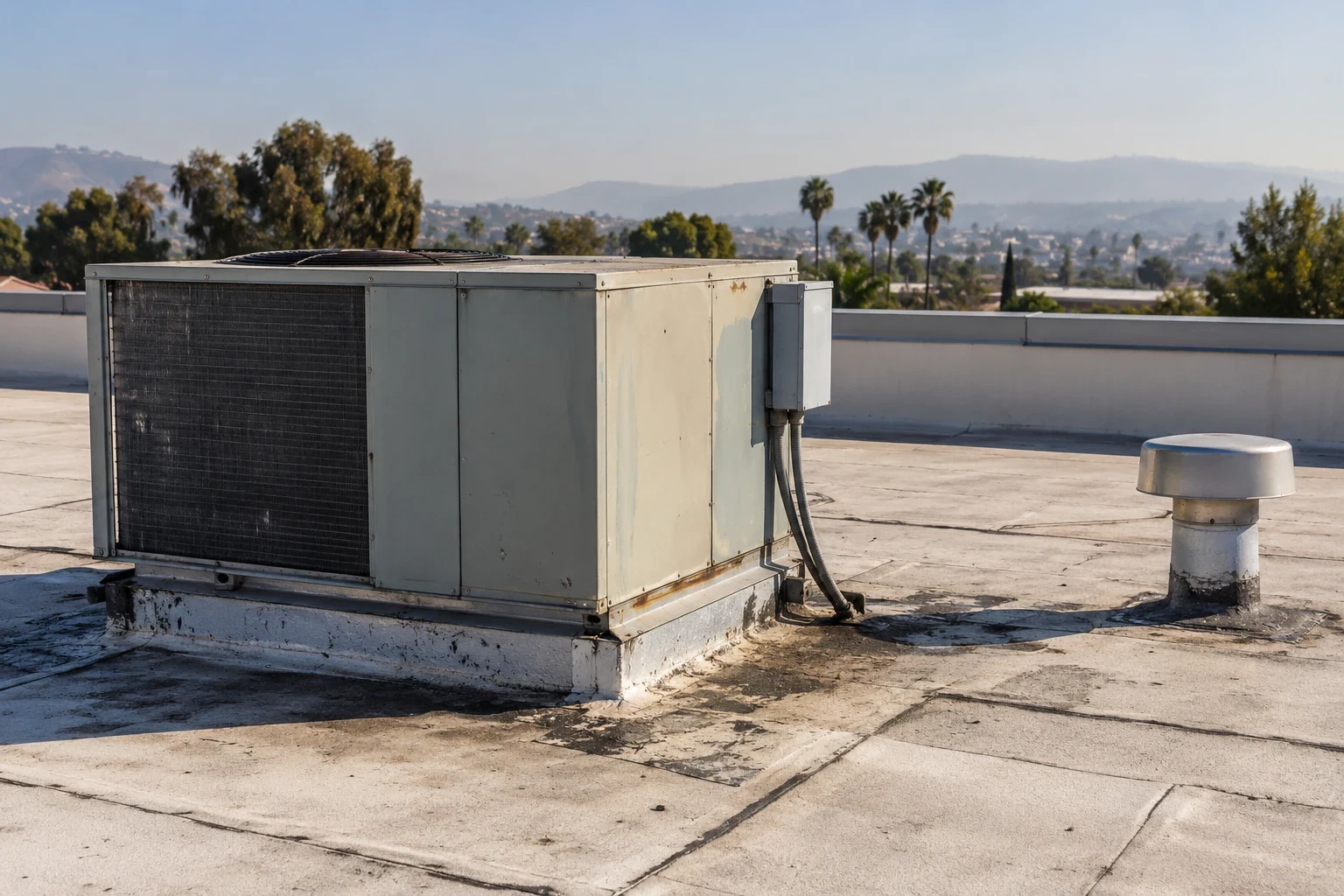
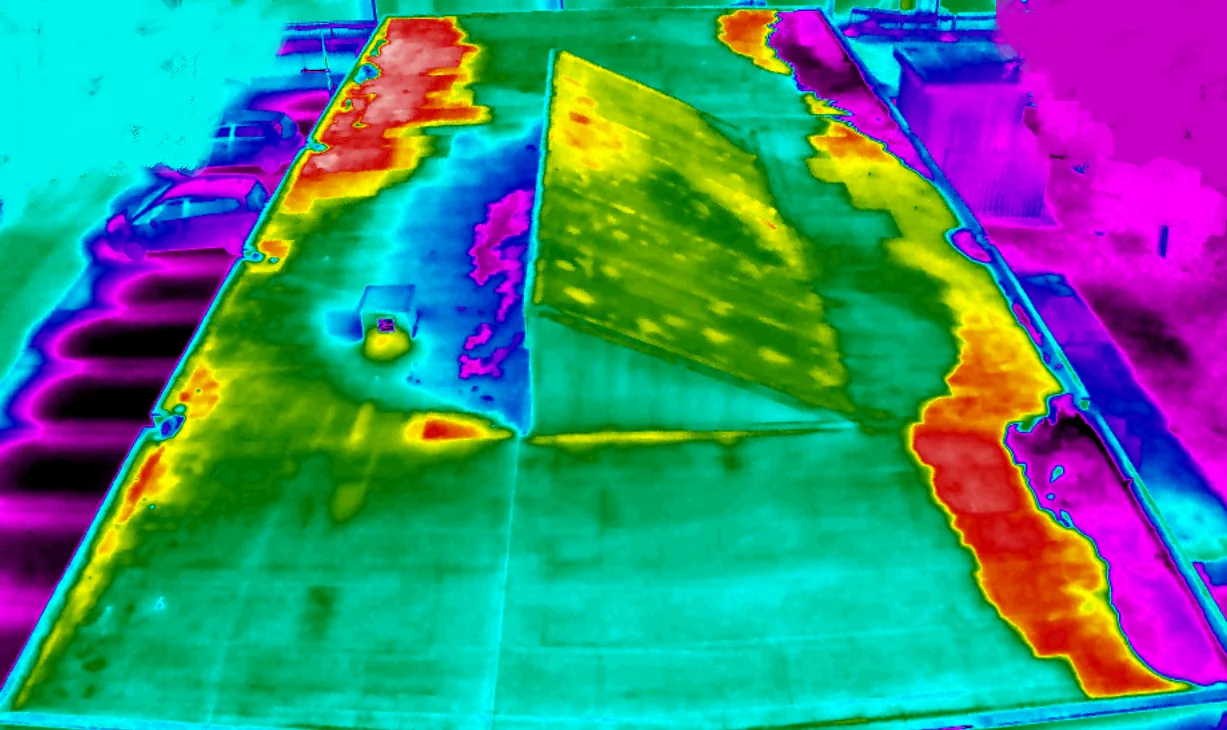
Lamanda Park includes auto businesses, light industrial uses and technology activity. That range can mean different rooftop equipment and access needs from one property to the next; the actual assembly must be confirmed on site. We check seams, fasteners, flashing terminations and the condition around equipment supports, then note any area blocked from view. A leak investigation can follow a defined path, while an infrared moisture survey helps identify areas for further verification. The inspection record separates observed conditions from questions that still need evidence.
Plan Around Pasadena's Business Districts
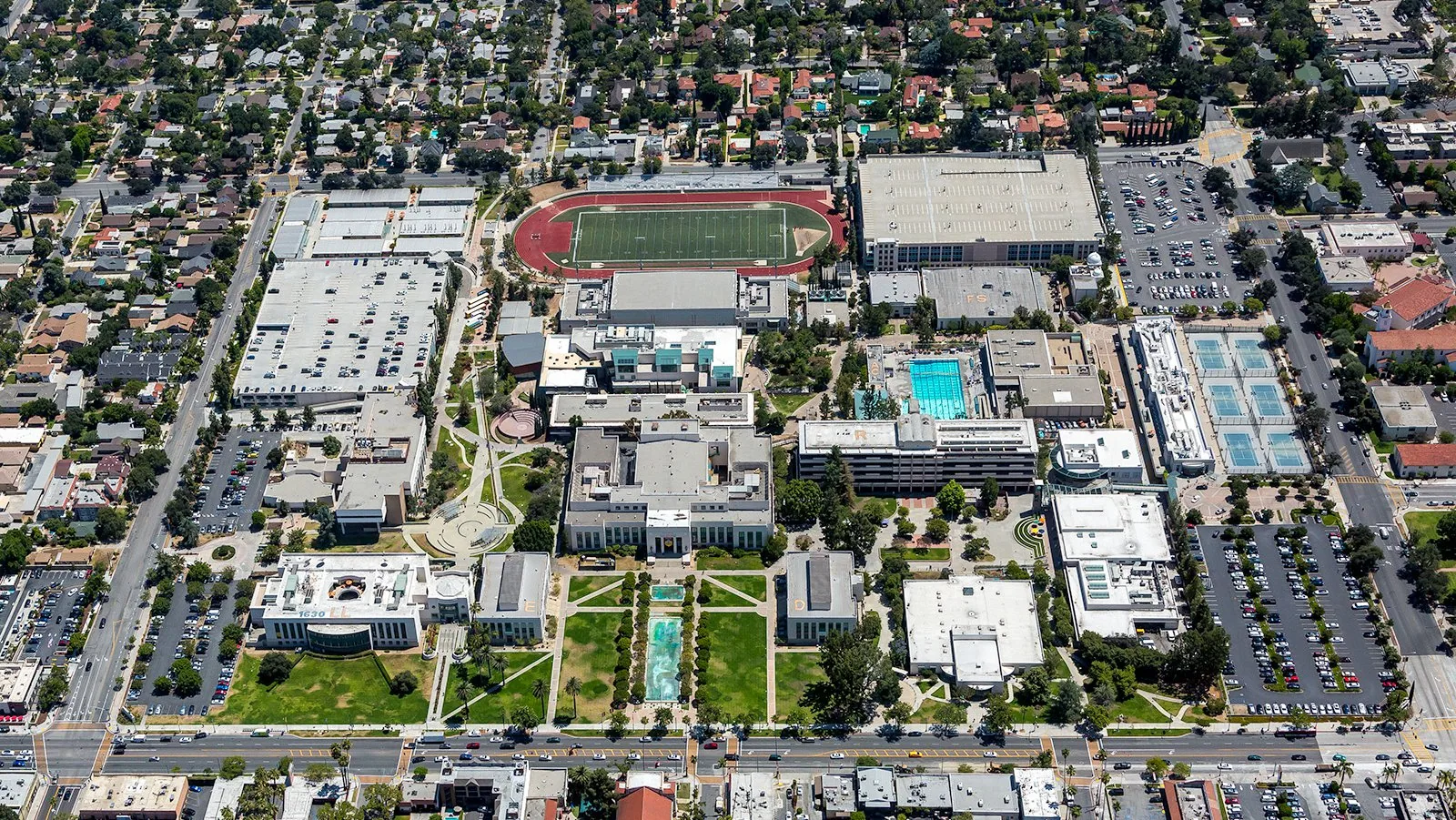
Pasadena's economic districts include the Civic Center, Lincoln corridor, East Washington, Hastings and College areas. Their commercial and institutional patterns are distinct, so we use the district name to orient the discussion and the property plan to set the actual route. A service entrance, loading dock or occupied floor can affect when a crew can stage materials or isolate a roof section. We confirm those details with the person responsible for building access before the estimate is finalized.
The roof plan should identify drains, internal walls, equipment clusters, penetrations and any sections with prior repairs. We mark the area included in the work and list nearby conditions that are excluded or need a separate decision. That prevents a narrow repair proposal from being mistaken for a full-roof renewal plan. A nearby Highland Park commercial corridor and the Panorama City regional center provide separate service-area references. For Pasadena properties close to South Lake or the Lincoln corridor, the same discipline applies: district context helps place the project, but measured roof conditions set the price and sequence. A phased reroofing plan can keep tenant access and interior protection in view as work advances.
Set the Work Window for Heat and Exposure
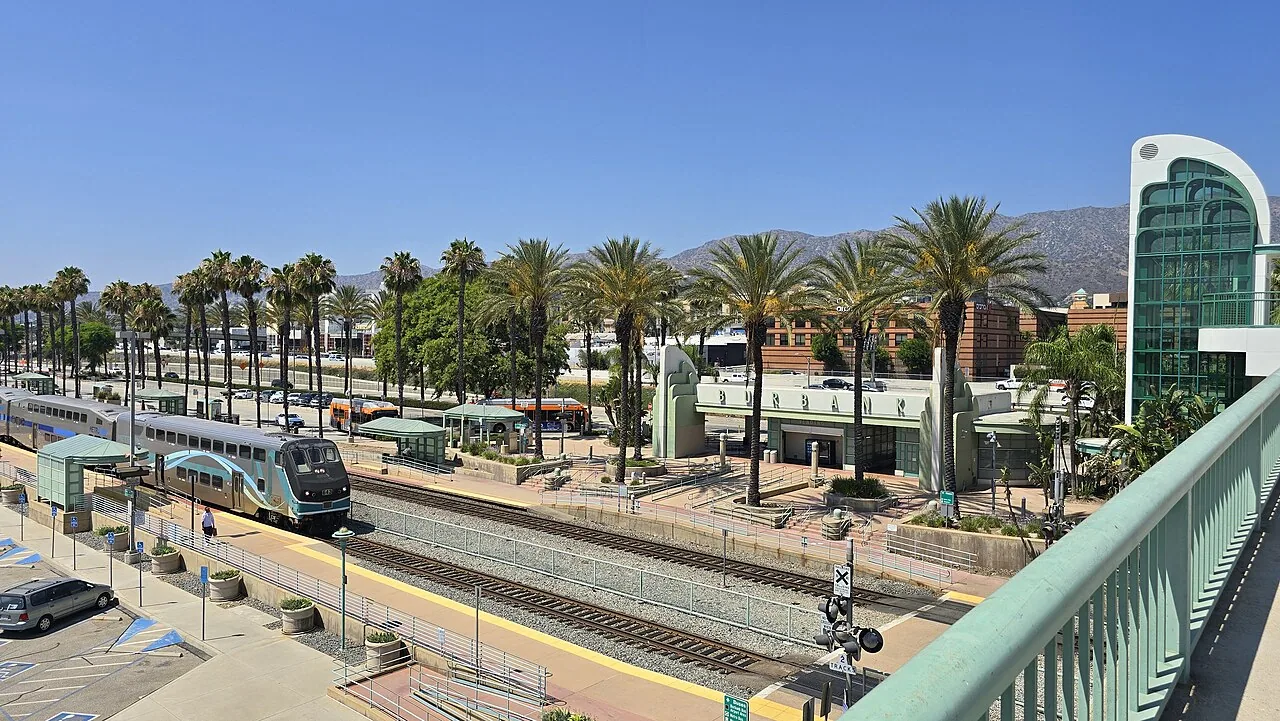
Pasadena is part of Southern California's warm region; Burbank's averages provide regional context, while each Pasadena roof needs its own exposure check. The Burbank market averages midsummer highs of 85.8 F in July and 88.3 F in August; Pasadena conditions still need local confirmation. We use that as regional planning context, not as a Pasadena measurement. On the roof itself, heat can change worker exposure, material handling and the timing of adhesive or coating work, so the daily sequence follows product requirements and current conditions.
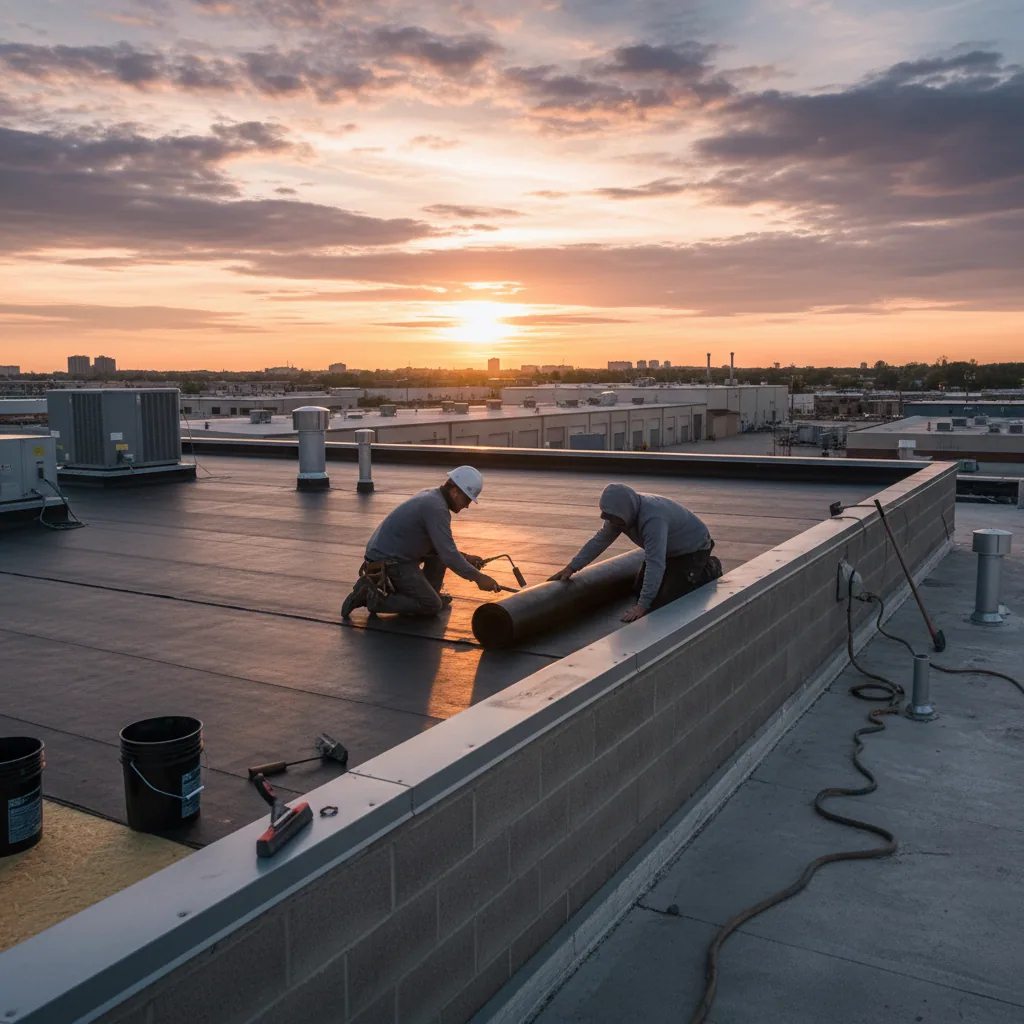
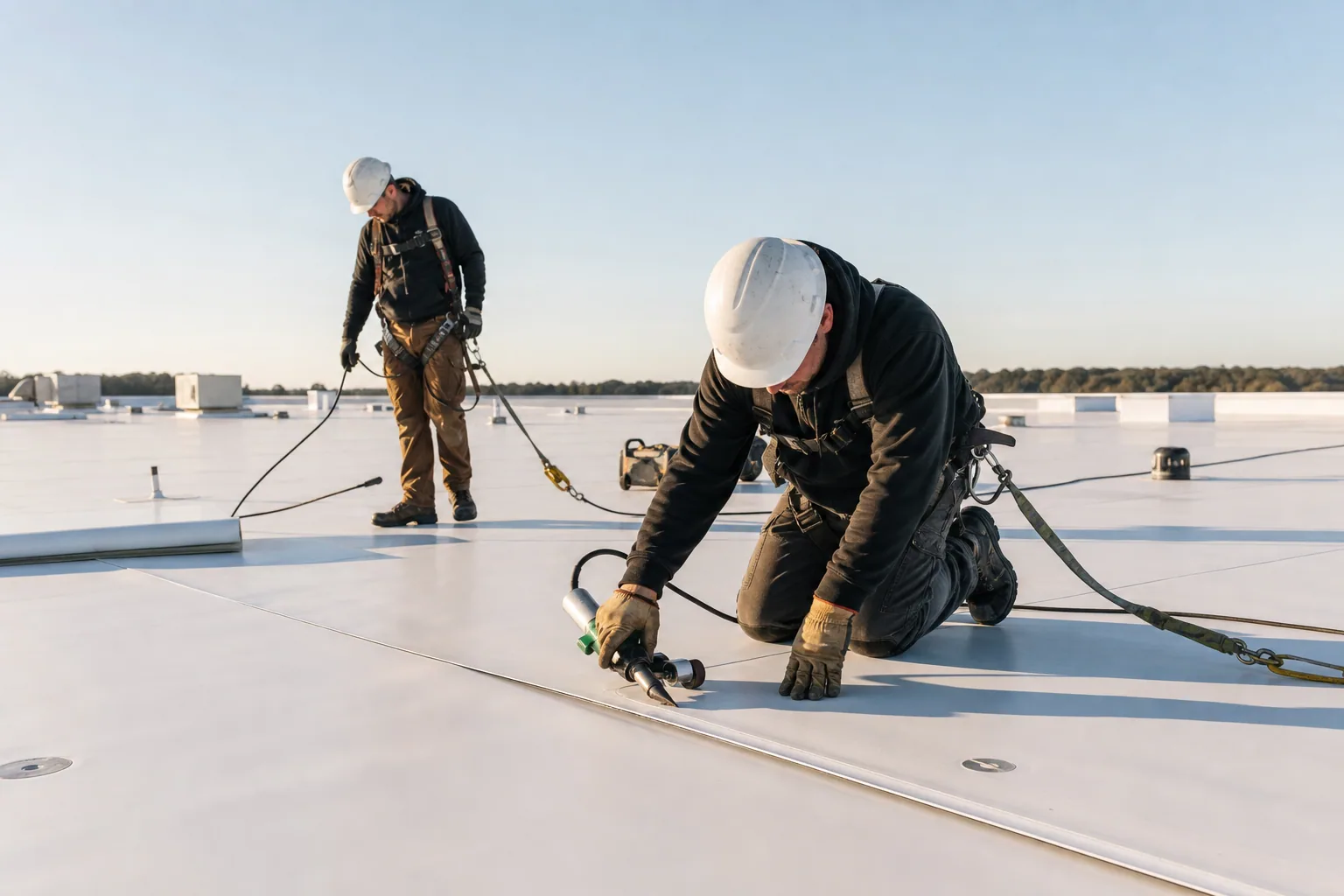
We check whether the proposal depends on dry substrate, a stable temperature window or an uninterrupted work period. If an occupied office or institutional building has restricted hours, the plan can divide work into roof sections and specify each day's dry-in boundary. Weather and access affect labor, protection, material delivery and how quickly a roof can be reopened to normal use. A TPO system review or a coating assessment should still begin with substrate, attachment and drainage findings rather than a product preference.
Compare Repair, Testing and Renewal
A small flashing separation on otherwise stable material may justify a repair with a defined limit. Repeated leaks, widespread wet insulation, open seams across several sections or attachment concerns can move the decision toward testing or replacement. We identify the evidence supporting each option and explain what remains unknown. A recover also requires review of existing layers, deck capacity, drainage, attachment and system requirements; adding a new layer is not automatically appropriate.
Cost and timing depend on roof access, tear-off or preparation, disposal, insulation changes, edge metal, penetrations, dry-in protection and the operating schedule below. We list allowances and exclusions so ownership can compare scopes on equal terms. If a leak is isolated but the roof is nearing a capital decision, repair and renewal can be priced as separate paths. A replacement scope can be compared with a recover option after the assembly is confirmed. The recommendation should explain what the next test or approval would change.
Bring the Records That Set the Scope
Prior repair invoices, leak dates, roof plans, warranty records and tenant notices help us focus the walk. We photograph the roof sections and details that affect the decision, note any area that cannot be inspected and identify where an approved test could reduce uncertainty. Ownership receives a written record that ties the observed condition to the proposed work, access plan and closeout steps.
Pasadena's South Lake, Lamanda Park and Lincoln corridor are useful geographic references, while each property's roof plan controls the work. We coordinate staging and daily protection with the facility contact and keep a clear boundary for any scope change. When the roof has several areas with different conditions, a capital timing review can help align repair, testing and renewal choices with the approval calendar. Schedule a review around the building's access rules and decision date, and have the current leak log and roof records ready.
Commercial Roofing Questions
Can one proposal cover both South Lake office space and a separate Pasadena property?
Only after each roof is inspected and its access needs are recorded. South Lake is a district, not a shared roof condition. We prepare separate section maps and scope boundaries so ownership can compare work without transferring assumptions between addresses.
At a Lamanda Park building with rooftop equipment, what should be checked before patching a recurring leak?
Start with the curb flashing, nearby seams, drainage path and the equipment service route. Lamanda Park includes auto businesses, light industrial uses and technology activity, but that district context does not identify a roof assembly. We inspect the actual property, record the water path and determine whether a defined repair or further test can resolve the repeated entry.
Does the Burbank heat record describe conditions on our Pasadena roof?
No. The cited monthly normals belong to the Burbank station and provide regional scheduling context only. We plan the Pasadena work window around the current forecast, the roof surface and the product instructions for the specified repair or system.
How do you keep access clear around a Lamanda Park operation?
The property contact confirms the entry route, delivery window, staging area and any equipment or service path that must stay open. We reflect those limits in the sequence and pause if a field condition would move the approved work boundary.
When is a roof coating a reasonable alternative to replacement?
A coating is considered only after we confirm the existing surface, adhesion, moisture conditions, drainage and detail compatibility. If those checks support restoration, we define preparation and application limits. If not, repair or a replacement comparison may better address the documented condition.