Restaurant Roofing in Burbank, CA
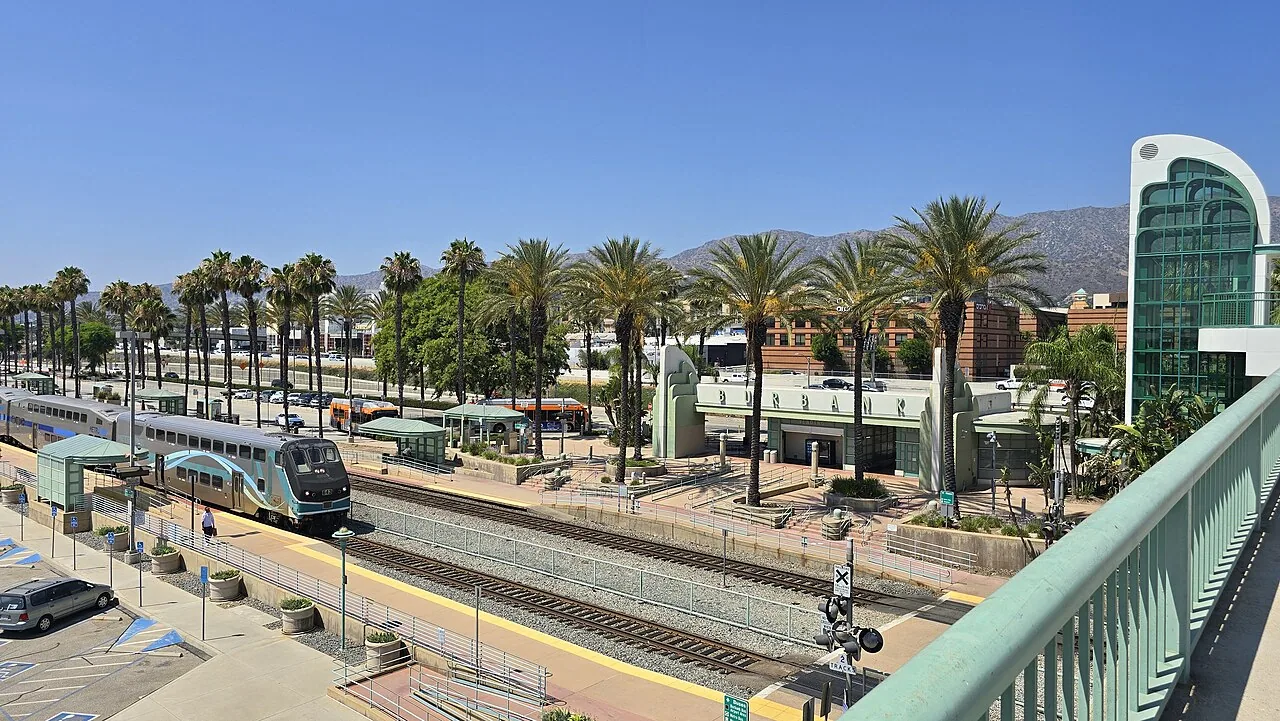
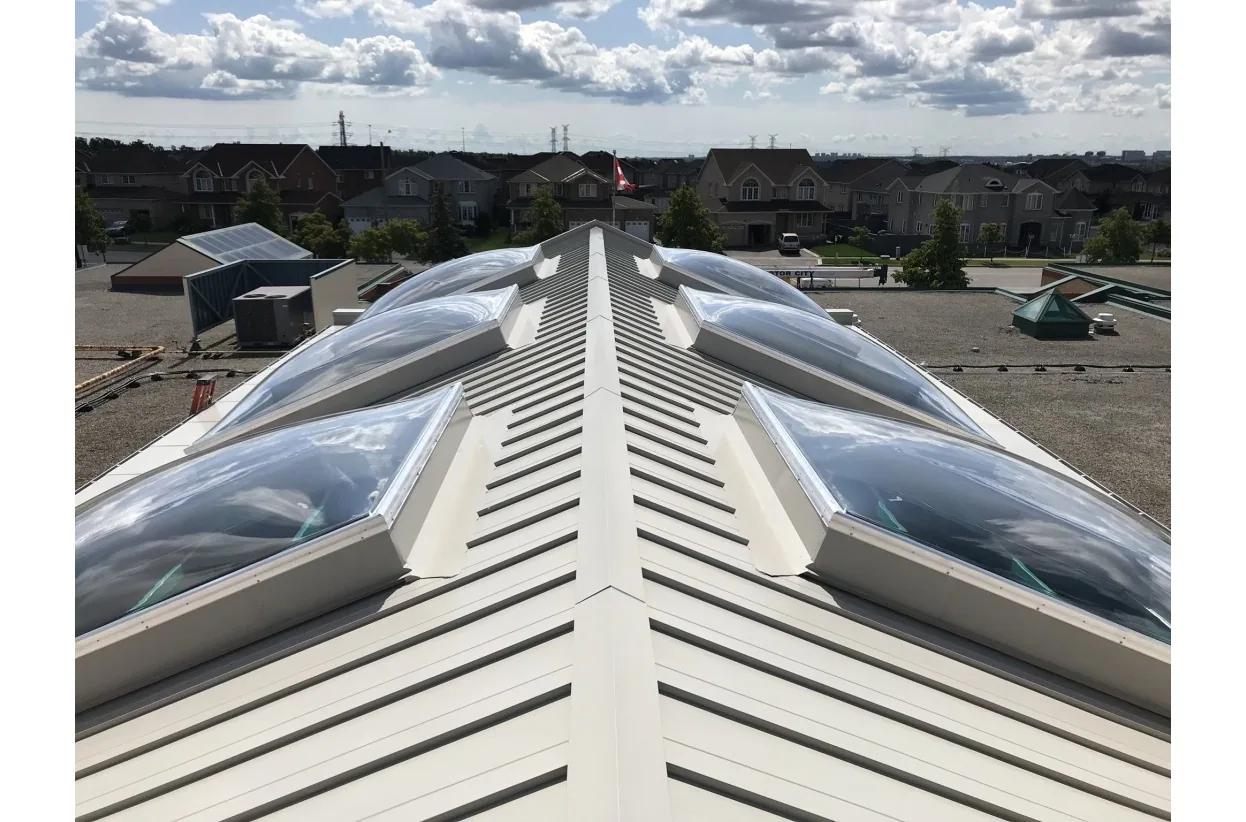
Restaurant roofs carry equipment and penetrations that need careful inspection: exhaust curbs, make-up air, refrigerant lines, plumbing vents, drains and perimeter transitions. A dining-room stain does not show which detail failed. Begin with an authorized report, the roof plan and the person who can confirm service access. Downtown Burbank includes more than 600 shops, restaurants and businesses as part of its mixed commercial district; Magnolia Park also has independent retail and dining. Those facts orient the service region, not a named restaurant or a condition at one address.
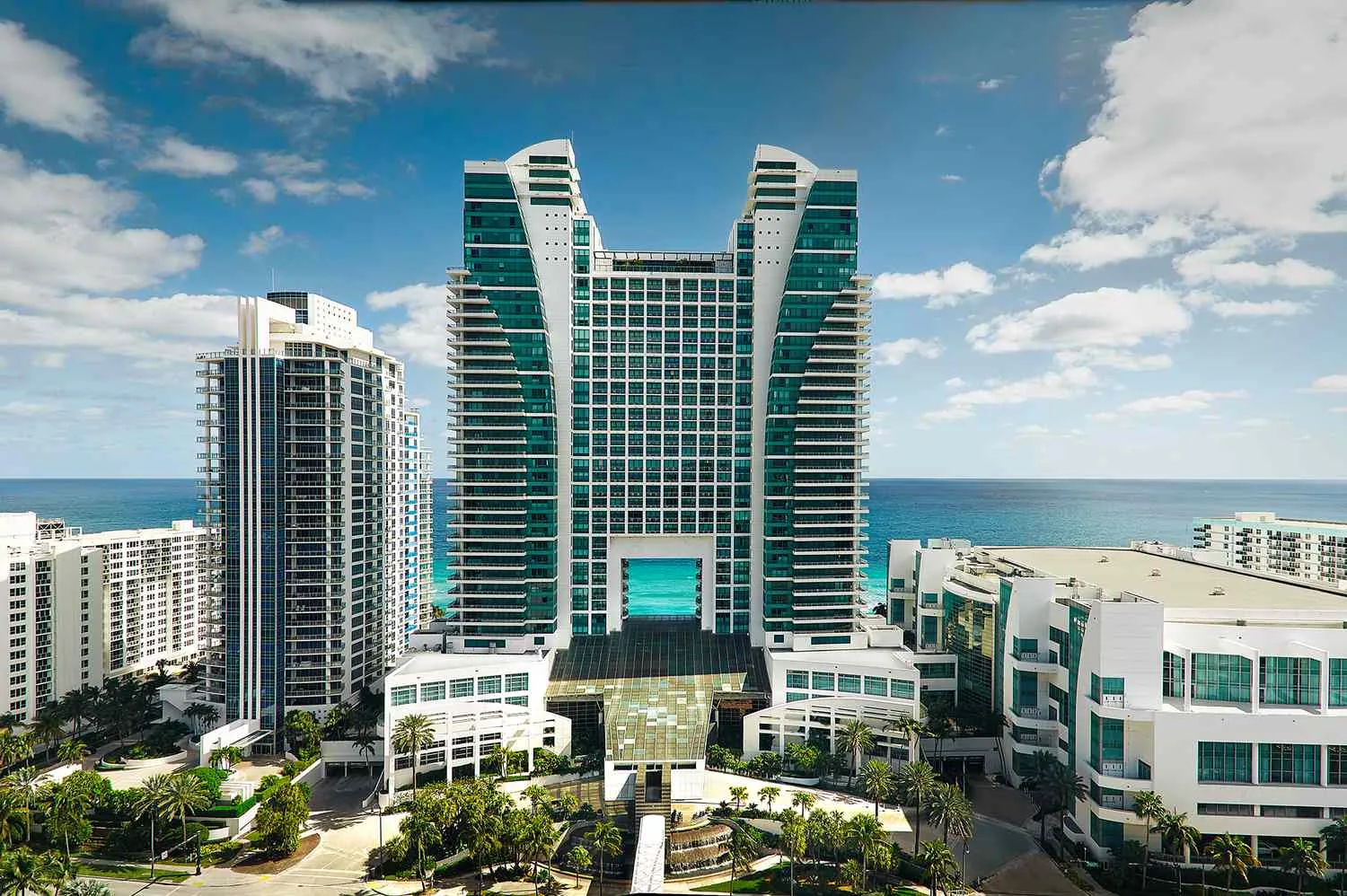
Keep guest identities, private operating hours and security instructions out of public copy. A broad Downtown Burbank service area or Magnolia Park district gives a visitor an understandable location. A hotel roof may share guest-safety questions, while a restaurant requires its own kitchen and dining coordination.
Coordinate Exhaust and Service Trades
Before work, ask the owner which exhaust or rooftop equipment must remain accessible and which trade can authorize a shutdown or move. Roofing staff can inspect curb flashing and adjacent membrane, but should not disconnect fans, ductwork, gas, refrigeration or electrical components unless a separate authorized scope assigns that work. If the kitchen operates during roof work, confirm how the restaurant handles a temporary service interruption and who communicates any change to staff.
Grease residue, vibration and heat may affect the condition around an exhaust detail, but document what is visible rather than naming a cause before the assembly is inspected. Photograph the curb, counterflashing, seams and any separation with a nearby roof zone for orientation. A penetration-flashing review can structure detail inspection; a grocery store has different refrigeration and delivery priorities. Do not assume one operating plan fits both uses.
Keep Guests and Deliveries Outside the Work Zone
Schedule lifts, material deliveries and debris removal around the routes the restaurant must keep open. The manager identifies entrances, outdoor seating, loading windows and any neighboring shared access. The contractor marks overhead work, establishes the approved barrier and provides a weather-tight end-of-day boundary. Do not redirect guests through a service route or promise that a nearby room is unaffected without the manager’s review.
For a multi-tenant building, confirm who owns the common-area notice and who receives the contractor’s daily status. The work order should identify one access contact and a backup person for schedule changes. If deliveries conflict with roof staging, pause and get a revised location approved. The shopping-center coordination page offers context for shared walkways, and a leak response scope can define temporary protection before a full repair is priced.
Kitchen exhaust creates a practical inspection boundary. The restaurant’s mechanical contractor should identify the curb, fan, duct and any grease-control or service requirements before a roofer handles nearby flashing. Photograph the roof-side condition without opening equipment, and keep any interior ceiling access under the manager’s approval. If the source remains uncertain, state what the inspection did and did not show instead of promising that a roof patch will resolve every odor, condensation or staining report. The written scope can name a follow-up test or an observation period, with the person responsible for recording it. Magnolia Park is a Burbank district associated with independent retail and dining, while Downtown Burbank is a separate mixed-use commercial district; these broad settings do not imply a particular restaurant or roof condition. Coordinate the work window with deliveries and meal periods the operator identifies. After the crew leaves, confirm that exhaust clearances, drains and public paths remain as approved, then provide the manager with a dated closeout note and one contact for questions.
Trace Water Without Guessing at the Source
Compare the report with roof-side evidence around the relevant exhaust, drain, wall transition and seam. Water may travel across an assembly before appearing inside, and a kitchen can also have plumbing or condensation sources. Record what was observed, where testing occurred and what remains uncertain. If a test cut or moisture survey is proposed, specify its location, size, restoration and the person authorized to approve opening the roof.
Keep repair notes objective: date, weather information supplied, section, detail condition, test boundary and action taken. A close view shows the defect; a wider frame ties it to the roof plan without exposing guest information. Burbank’s map identifies I-5, State Route 134 and local commercial streets for route planning. It cannot determine whether a restaurant’s roof is wet or what caused the report. A commercial roof inspection can separate observations from conclusions.
For a phased replacement, also identify where cooking or dining operations depend on roof-mounted equipment and who can approve a temporary service interruption. Show the equipment interface as a coordination item, not a roofing assumption. A brief prestart review with the operator and mechanical vendor can prevent a crew from arriving before the required clearance is available.
Make Repair and Replacement Options Comparable
For a localized defect, list preparation, compatible material, curb or flashing detail, access, protection below and the check required before the patch is closed. If equipment service is needed, show that work as a separate responsibility. When repeated failures or moisture extend beyond one detail, price the broader study separately with measurable limits and a defined test plan. This prevents a restaurant from approving an open-ended project based on a single dining-room symptom.
Before replacement, verify existing layers and perimeter conditions. Show removal, insulation, drainage, equipment coordination, temporary cover and waste assumptions. Burbank’s energy code requirements depend on building type and project scope, so the design or permit professional confirms applicability. The roofing proposal should provide field information, not a code conclusion. A PVC assembly review may help compare material questions, while condition reporting keeps the evidence available for ownership.
Close the Work Before the Next Service Period
At the end of a shift, verify that temporary cover is secure, drains remain clear, debris and tools are removed, and no unapproved equipment clearance has been changed. The restaurant contact should know which roof zone remains restricted and whether follow-up access is expected. On completion, provide dated photographs, work limits, materials, unresolved details and any warranty documents supplied. Keep an open item visible until the responsible trade or property contact closes it.
Guest operations and roof acceptance are separate decisions. The restaurant manager controls guest access; the roofing lead documents the roof work. A later check can revisit repaired details after weather exposure and compare them with the original report. Keep each site’s photos and approvals together even if the operator has multiple locations. That record helps an owner schedule maintenance without carrying private guest or kitchen information into public service copy.
Commercial Roofing Questions
Can restaurant work happen during service hours?
The restaurant and property manager set guest, delivery and kitchen schedules. A scope can offer phases, but the operator approves closures, barriers and any access change.
Do exhaust fans need to be moved?
Only the responsible equipment trade or authorized owner can approve movement or disconnection. The roofing scope should identify the clearance needed and keep that coordination separate.
Does a dining-room leak prove the roof is leaking?
No. Compare the approved interior report with roof-side details and consider other building systems. Record the cause as unresolved until evidence or a defined test supports a conclusion.
What belongs in a restaurant roof estimate?
Show the repair boundary, preparation, materials, equipment coordination, interior protection, access, temporary cover and acceptance check. Keep any replacement study as a separate option.
How should the crew leave the roof at day end?
Confirm each opening is weather-tight, drains are clear, materials are secure and the site contact knows any restrictions. Document a temporary condition and its follow-up owner.