Government Building Roofing in Burbank, CA
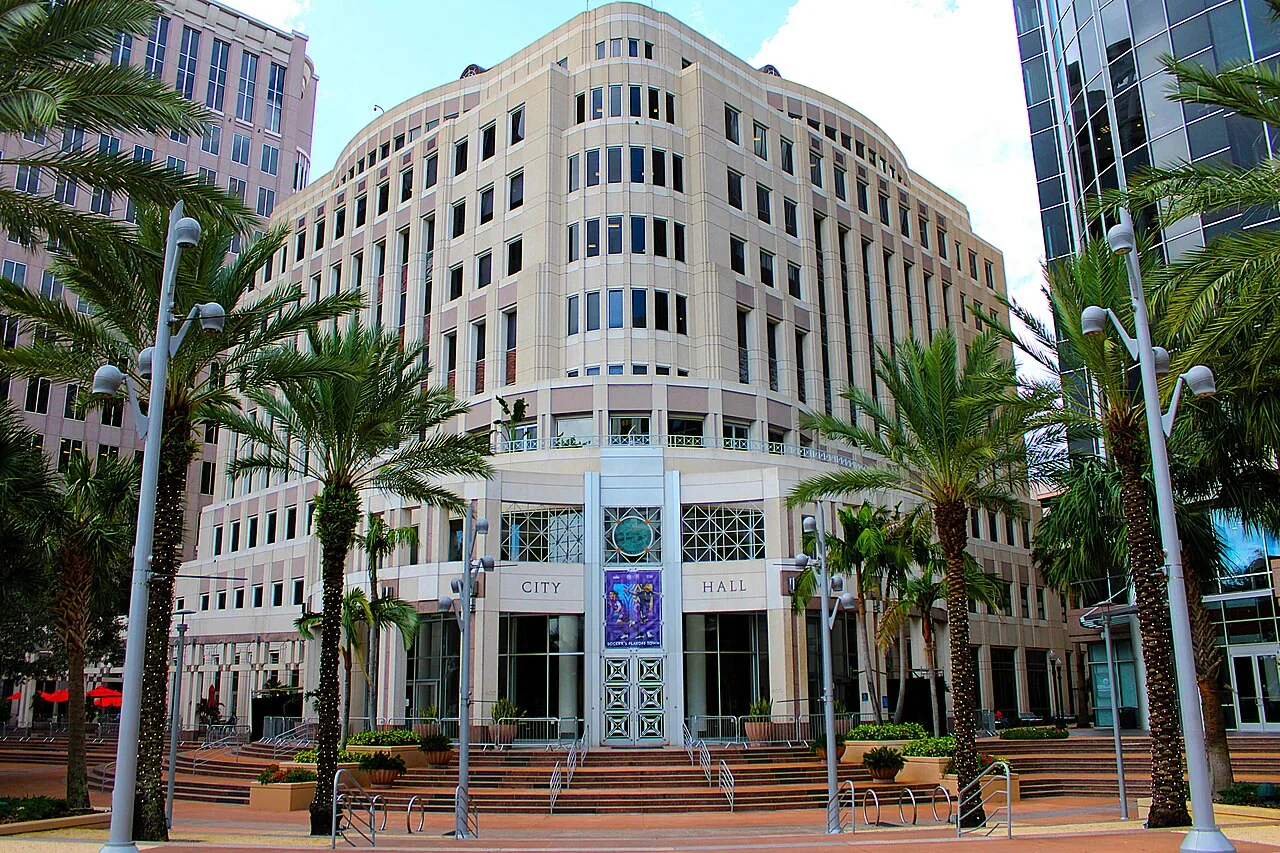
Roof work at a government building needs a clear record of what was inspected, who authorized the scope and which public routes must remain open. The building name alone does not establish a roof condition, procurement method or security rule. Start with an approved roof plan, the facilities contact and the report that prompted review. Burbank's commercial geography spans Airport District, Magnolia Park, Downtown and the Media District. These broad names orient a project, while the individual public property's roof still requires its own inspection record.
Keep public copy free of internal asset codes, access procedures and nonpublic contact details. The Downtown Burbank and North San Fernando Boulevard corridor are broad service-area references. A commercial office roof plan may compare occupied floors, but the agency controls its own public access and approval process.
Document Authority Before Field Work
Confirm the representative who can authorize inspection, testing, temporary protection and additional work. A roof survey may require a separate access approval from a repair or replacement package. Record the scope, facility contact, allowed work window and limits before mobilizing. If the person on site identifies a safety concern or a public route changes, stop at the approved boundary and request direction through the designated process rather than accepting an informal expansion.
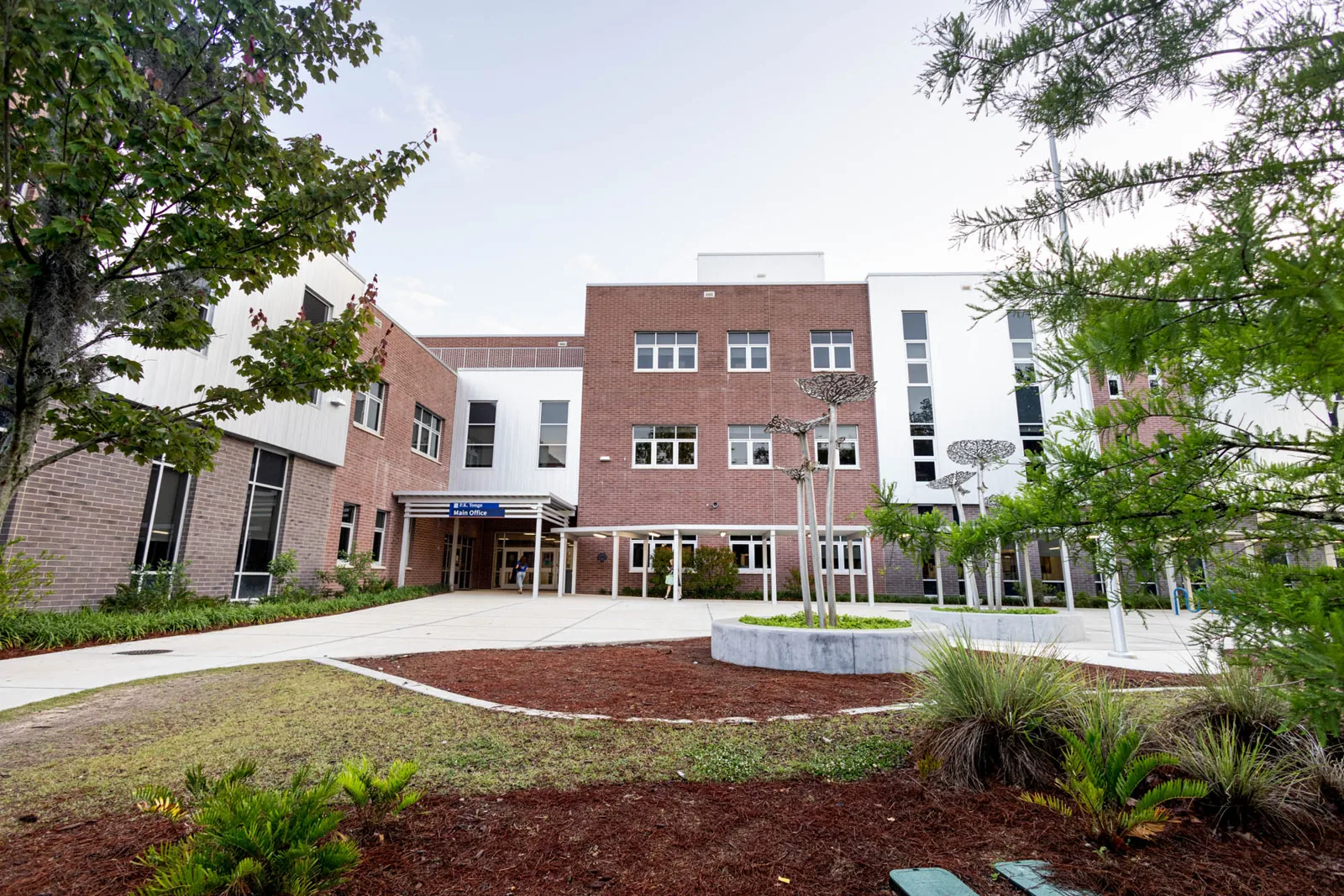
Use the documents the agency provides to identify roofs and buildings; do not infer ownership or jurisdiction from a public map. Keep internal asset IDs in the authorized project file. For a shared office or civic facility, confirm who controls common areas and occupant notices. An authorized roof survey can create a consistent condition record. A school roof plan illustrates public-occupancy coordination, but procurement and notice rules differ by agency.
Separate Observed Conditions From Assumptions
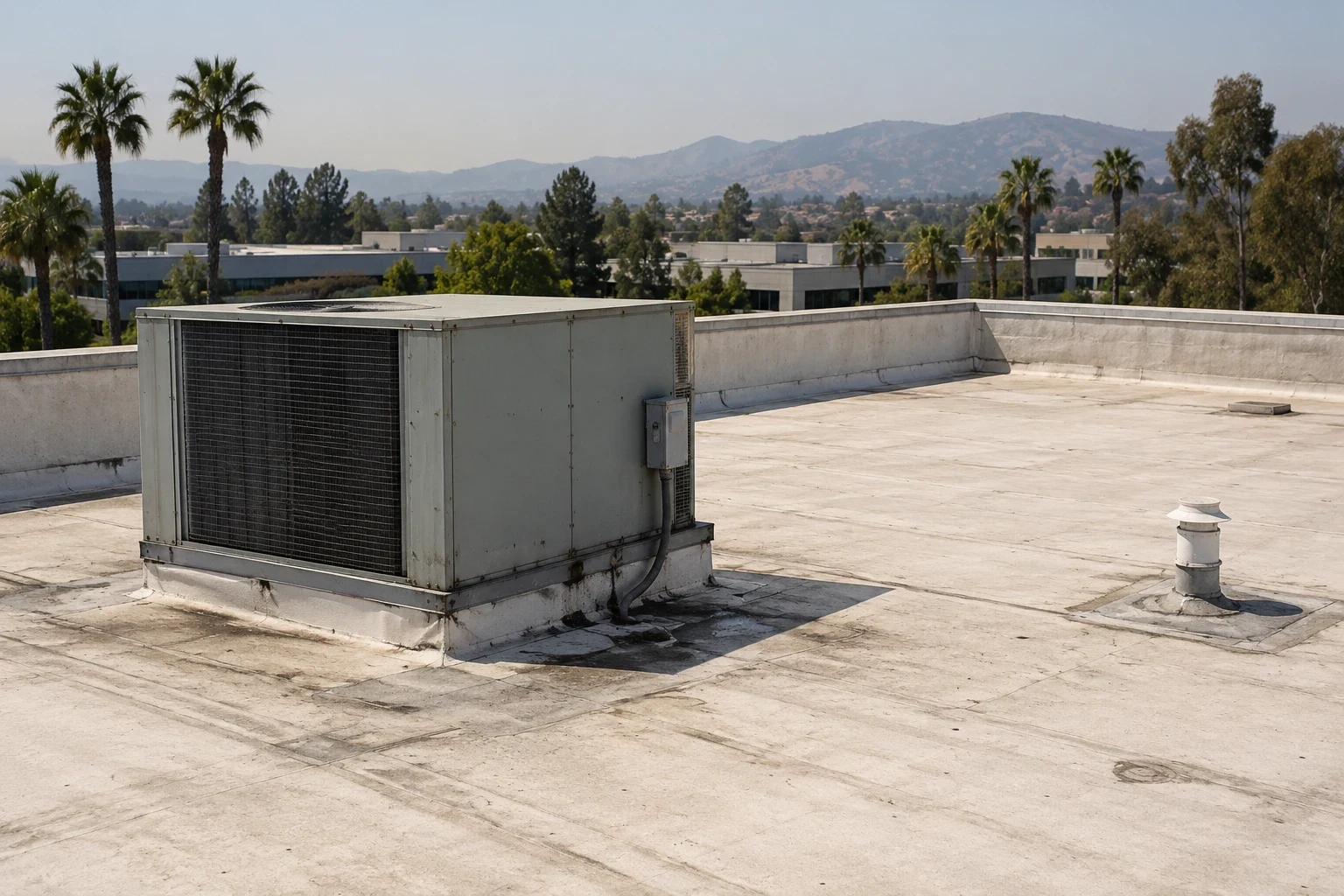
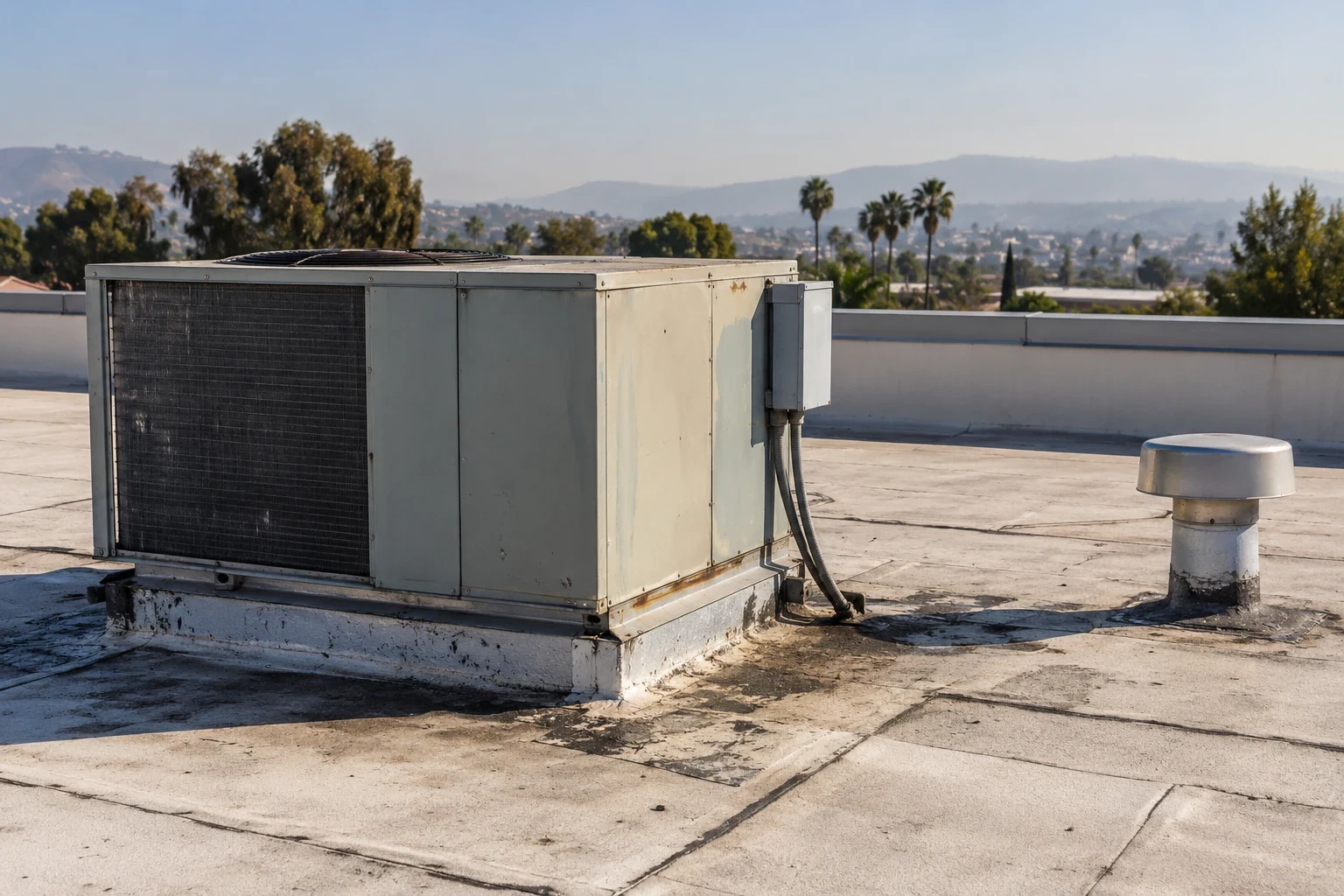
Inspect seams, flashings, drains, penetrations, rooftop units, perimeter edges and visible repairs by roof section. Connect a leak report to the area observed without publishing employee details or protected interior information. Mark inaccessible or obscured areas and state whether testing is recommended. A photo set should include a close view, an orientation view, date, roof zone and a description of what could not be verified. Avoid conclusions about structural capacity or code status unless the responsible professional has evaluated them.
Water can travel through an assembly, so an interior stain may not align with a roof opening. Note the path as an open question until evidence supports a cause. A commercial roof inspection can document findings and limits. The city's capital map shows I-5 and SR-134 links alongside streets such as Olive Avenue and Magnolia Boulevard. Use that geography to orient travel; agency staff determine permitted entry.
Public-facing access requires a simple map of the work boundary and alternate routes before mobilization. The authorized facility contact should decide whether an entrance, sidewalk, service lane or loading area can be temporarily restricted. Roofing crews can post the approved controls and report any condition that would make them unsafe or ineffective. Bid documents should keep base quantities, unit prices and allowances distinct, so an evaluator can compare proposals without treating a contingency as approved work. If the owner needs multiple procurement alternatives, show each as a separate scope with its own schedule and acceptance criteria. Downtown and the Media District are among Burbank’s commercial districts; this city context should not be used to infer a public building’s security or procurement rules. The project representative supplies those requirements. At closeout, provide the approved scope, change records, dated roof-zone photos, drainage checks and unresolved items in the format the owner requests. Do not place access codes, security-sensitive routes or staff details in public-facing marketing copy. A documented handoff gives facilities personnel a reliable basis for the next maintenance decision.
Keep Bid Alternatives and Quantities Auditable
Define the repair boundary, preparation, material, access, temporary protection and acceptance check. If replacement is being considered, list quantities, removal depth, insulation, deck assumptions, edge details, equipment coordination and phasing separately. State what remains an allowance and the process for approval if demolition exposes a different condition. Comparable options should use the same scope assumptions, so reviewers can see which costs change and why.
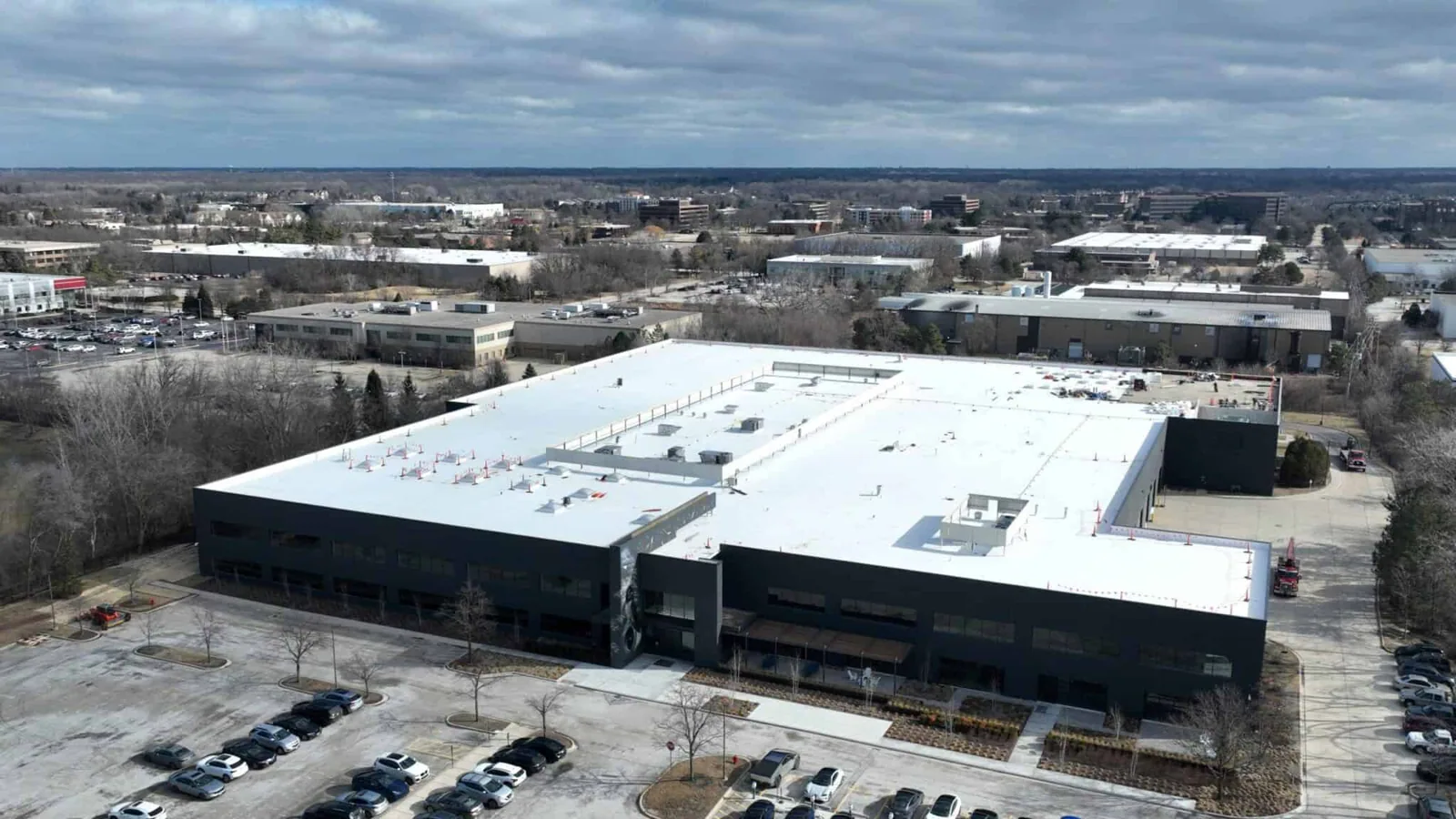
Public procurement staff may need a concise scope and a clear record of amendments, but the contracting authority sets its own solicitation requirements. Do not imply a bid award, contract history or agency endorsement. A institutional roof program can compare portfolio records. A condition report preserves photos and findings, while an asset plan groups verified needs without merging different buildings’ conditions.
If testing, inspection or additional removal is priced separately, state who authorizes it and what record supports the decision. That keeps the procurement trail aligned with the field condition and approved scope.
Check Code, Disposal and Site Disturbance
Assign code and permit questions to the authorized design or permit professional. Burbank says new construction, additions and alterations must meet California Building Energy Efficiency Standards based on building type and scope. The contractor can provide roof measurements and observed layers, but the reviewer determines what applies. For nonresidential alterations, remodels or tenant improvements above the city’s stated valuation threshold, the permit team should check construction-and-demolition debris diversion requirements.
The city also requires a Stormwater Pollution Prevention Plan for projects disturbing more than one acre and notes that some smaller projects can trigger CALGreen. A roof scope may or may not meet those conditions; ask the project professional to assess the actual work and site. Do not assume a roof replacement involves ground disturbance or an exemption. Include required submittal timing, haul-off assumptions and inspection holds in the schedule after applicability is confirmed.
Provide an Accountable Public-Asset Handoff
At completion, give the authorized contact the approved scope, section-by-section photos, materials, drainage and edge checks, weather-tight status, unresolved items and warranty documents supplied. Record any change order and its approval reference in the project file. Do not state that the agency accepts the entire roof if only a defined phase was completed. If another trade or reviewer has an open task, list the responsible party and next action.
Retain internal access instructions and asset identifiers in the agency’s designated record system. Public service-area copy should remain at district or corridor level. A later inspection can compare the new observations with the prior baseline and preserve the source of each change. Clear handoff information supports maintenance and future review without making an unsupported statement about public safety, contract status or the condition of roofs that were not included.
Keep the maintenance record available to the next authorized facilities lead.
Commercial Roofing Questions
What should be approved before an inspection?
Confirm the facilities representative, access window, inspection limits, testing authority, safety rules and record destination. A repair or replacement authorization may be separate.
Can a contractor define an agency procurement process?
No. The contracting authority sets its solicitation, approval and amendment requirements. A roofing scope can provide measured quantities, assumptions and a clear request for direction.
What if part of a roof cannot be accessed?
Record the section as uninspected, explain the access limitation and propose an approved return or testing method. Do not infer conditions in a concealed area.
Which local permits or disposal rules apply?
The project design or permit professional should review the actual scope, valuation, disturbance and filing date against city requirements. Do not assume an exemption.
What records support maintenance?
Keep approved scope versions, authorization references, roof-zone photos, materials, inspection limits, change approvals, open items and warranty documents supplied.