Commercial Roofing for Auto Dealerships in Burbank
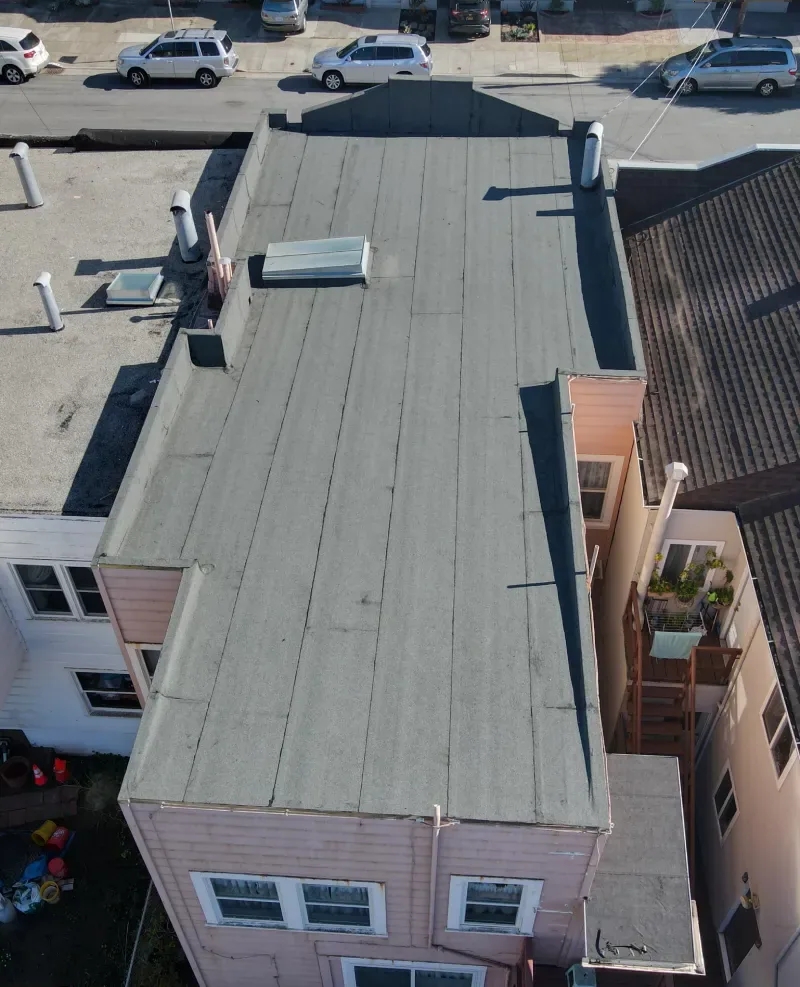
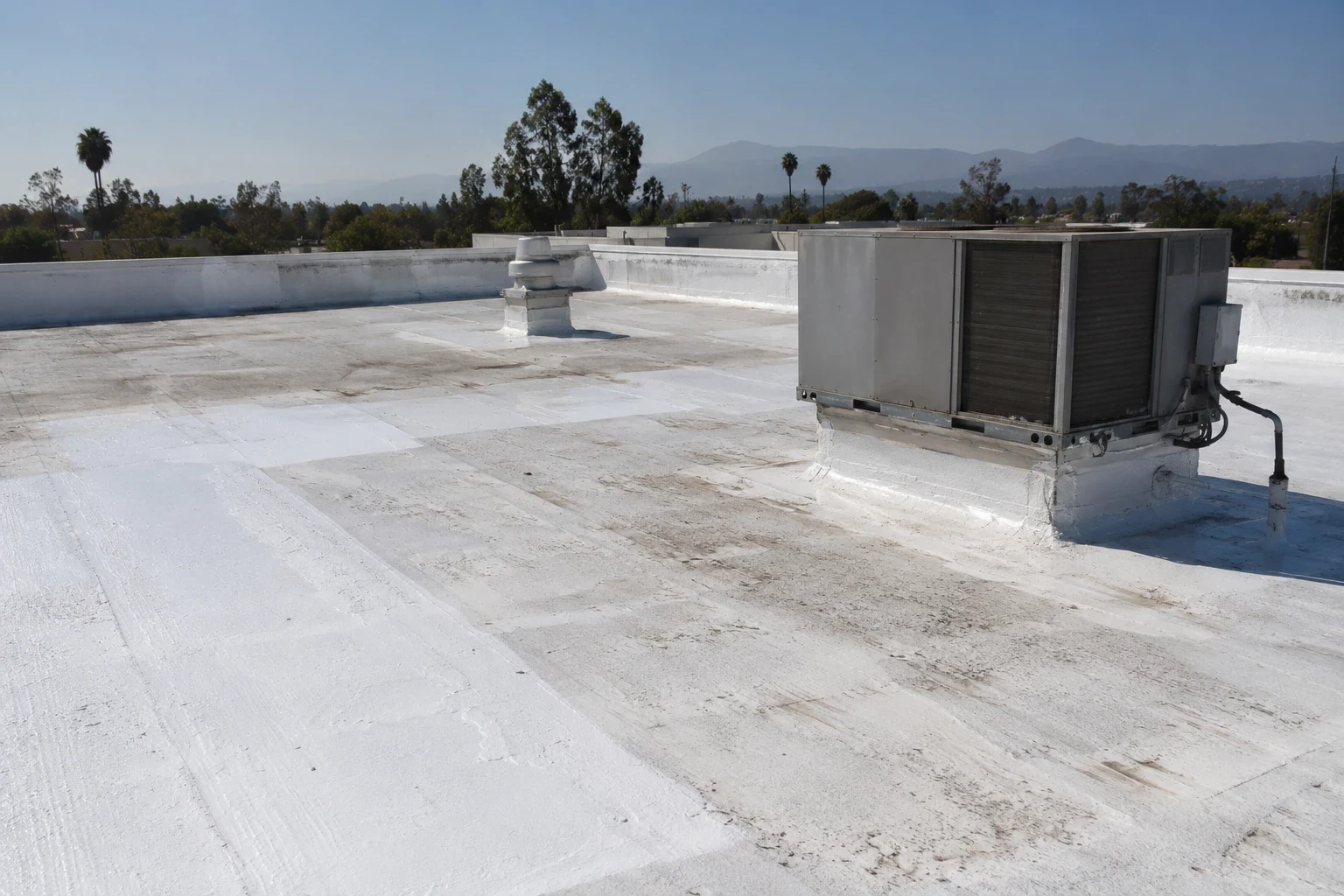
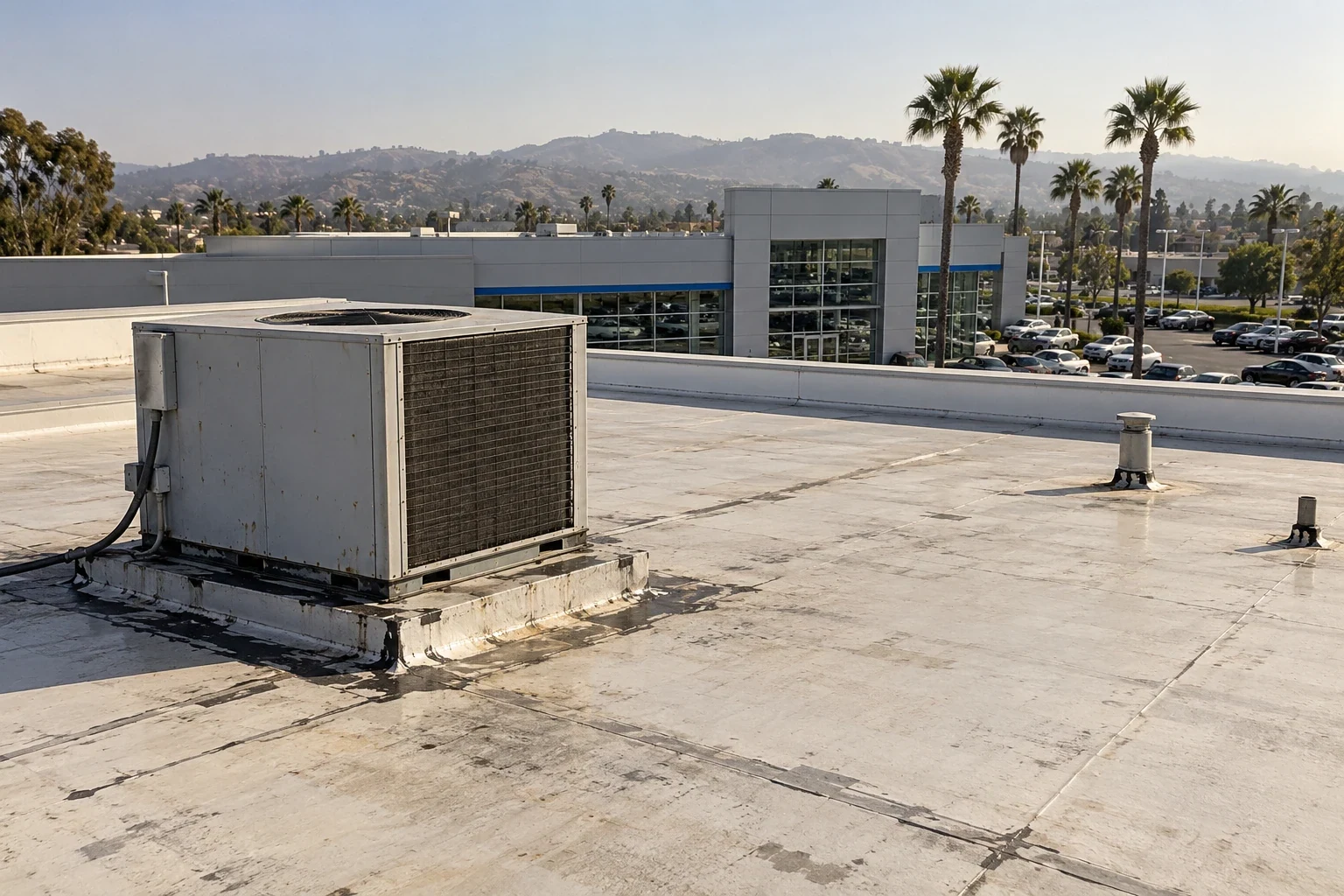
A dealership may place its sales floor, repair operations, parts, offices, and some vehicle storage beneath connected roof areas. A moisture complaint above the showroom creates different access questions than one over a service bay, so tie the report to a defined section before estimating work. We document the observed membrane, seams, drains, curbs, edges, and prior patches, then define what the proposed work will protect and what remains outside scope.
For Burbank properties, plan material handling and crew sequence around the actual forecast, roof surface, and product installation requirements. A monthly climate average cannot replace the day's conditions or the facility's safety rules. A commercial roof inspection establishes a record before the owner chooses a repair or wider renewal study.
Keep Customer Areas and Roof Work Separated
Sales traffic, vehicle delivery, and service appointments create changing access needs. Before mobilization, confirm which doors, parking aisles, pedestrian paths, and customer areas must stay open. Mark lift access, material staging, debris routes, and overhead work zones so a temporary closure does not surprise the service manager or block vehicle movement. If the dealership has multiple tenant or brand areas, identify who controls each access point and who can approve a schedule change.
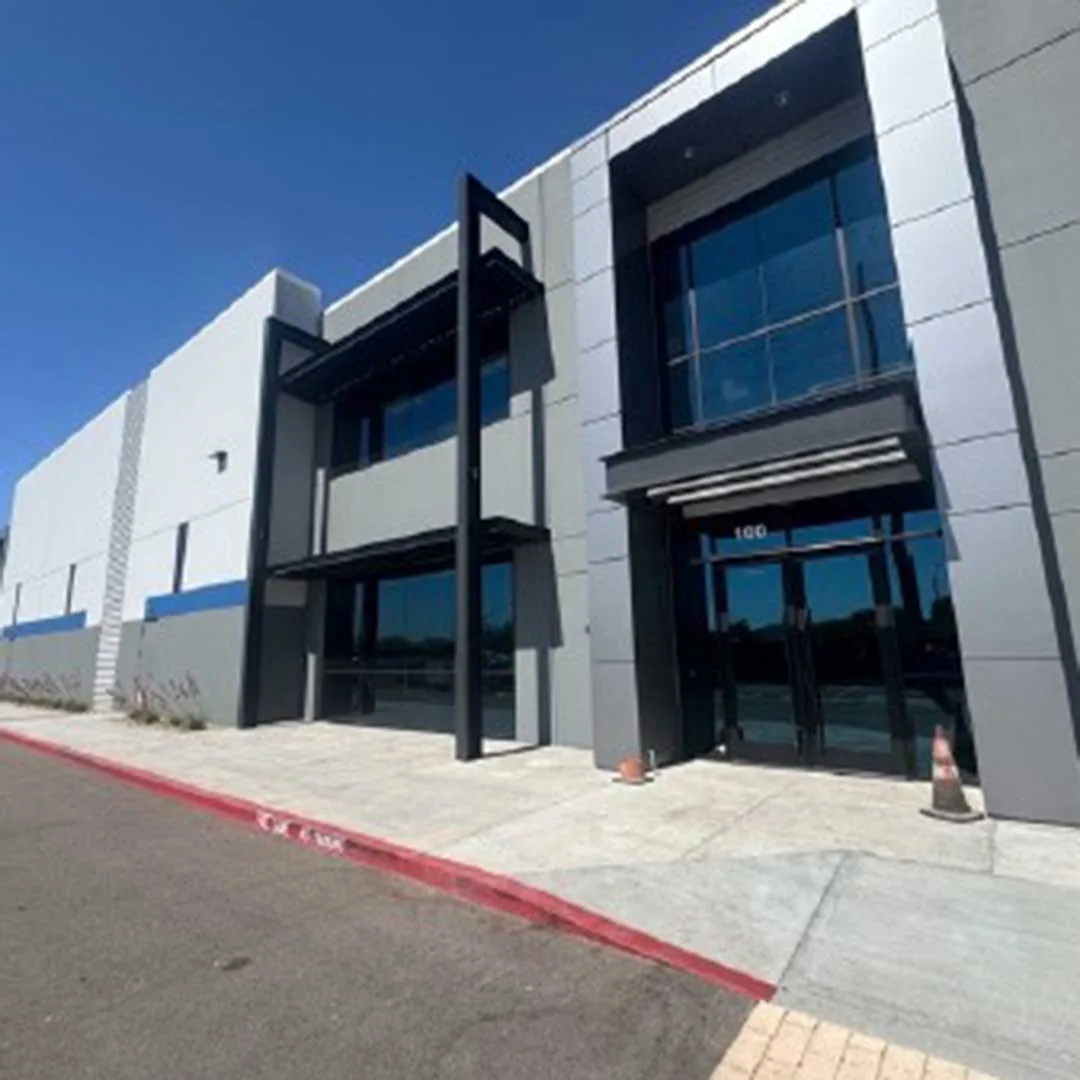
Showroom glazing, entry canopies, and signage can be vulnerable during overhead work. The scope should state how those surfaces are protected and how the crew will secure loose materials at shift end. A phased occupied-building roof plan can coordinate daily work areas with business hours. It should name the handoff contact, temporary protection method, and criteria for reopening an area rather than promising uninterrupted operations.
Coordinate Roof Work Above Active Service Bays
Repair bays may contain vehicle lifts, exhaust equipment, compressed-air piping, lighting, and tools that affect access below the roof. Ask the facility manager whether a bay can close temporarily, which equipment must remain energized, and whether exhaust fans can be isolated. The roofer should identify overhead work and potential debris exposure before roof materials are removed. The dealership's staff can then move vehicles or set a safe interior boundary without guessing which bay is affected.
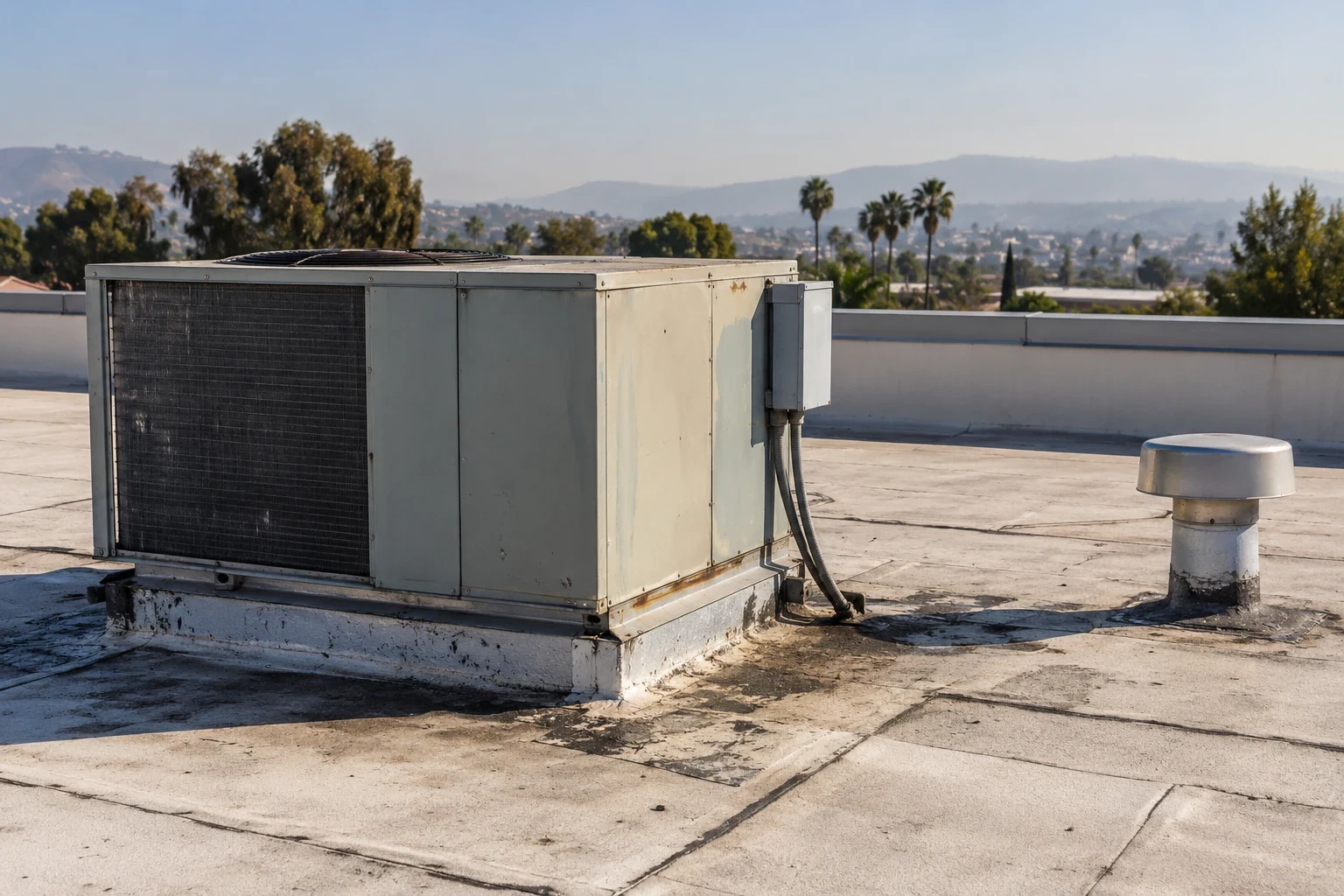
Document roof penetrations over the service area, including fan curbs, ducts, and abandoned supports. A flashing repair should address the curb or penetration detail and nearby membrane, not merely seal a visible gap from the top. If a test opening exposes saturation or a compromised substrate, pause at the authorized limit, document each layer, and obtain written direction before enlarging the repair. A commercial roof repair proposal should distinguish authorized base work from concealed-condition options.
Protect Parts, Vehicles, and Materials Below the Roof
Parts rooms and indoor vehicle areas need advance notice if a roof zone will be opened above them. Identify sensitive stock, electronics, finished vehicles, and aisles where a temporary cover or relocation is appropriate. The inspection record should connect any interior staining to its date, location, and weather history, while avoiding a diagnosis based on appearance alone. Water can migrate before reaching a ceiling, and a roof opening may expose a condition that was not visible during the first walk.
Every active zone needs a daily closeout check. Confirm that temporary protection is secure, drains are clear, tools and fasteners are removed, and no material can move in wind. If rain enters the forecast, the superintendent should know which roof areas can be closed before the crew leaves. An emergency response plan should also state who contacts the owner when interior protection or a changed work limit is needed.
Check Drainage, Canopies, and Perimeter Details
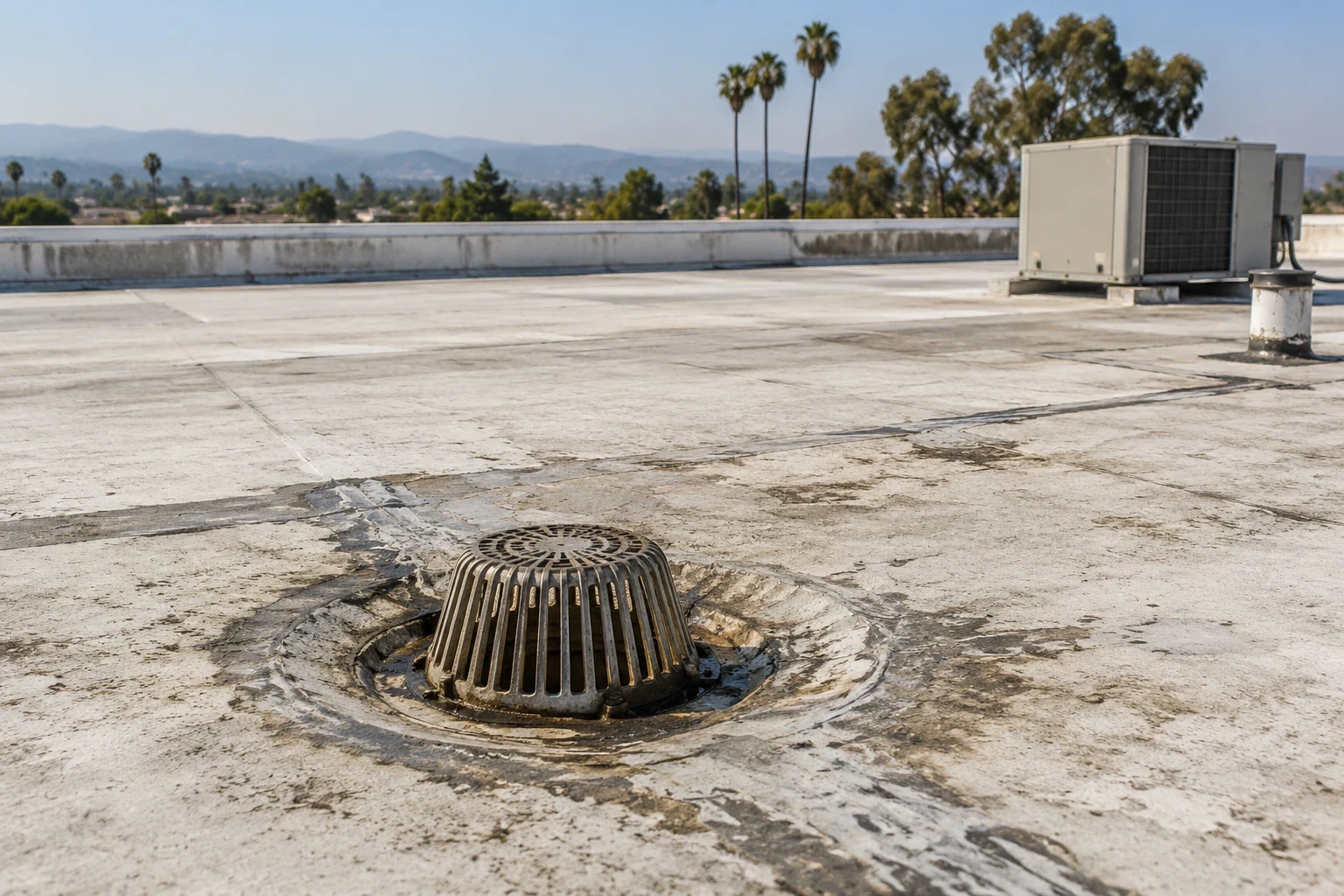
Showroom and service buildings may join roof areas of different heights. Water can collect at a step, behind equipment, or near a transition even when the nearest drain appears open. Record drain bowls, strainers, overflow paths, scuppers, edge metal, gutters, and any visible ponding. A drain and scupper review can distinguish debris removal from a repair to the outlet, flashing, or surrounding membrane. Keep roof drainage discharge away from customer paths and vehicle service entrances.
Canopies and perimeter edges need their own detail review. Check fastening, laps, sealant condition, terminations, and how the roof connects to wall or façade materials. A coating restoration may be an option only if the existing roof is suitable and the details can be repaired. It should not cover unstable edges or concealed moisture. Written quantities should identify test areas, preparation, reinforcement, and the limits of the proposed system.
Compare a Targeted Repair with a Broader Roof Plan
A localized repair makes sense when the defect can be bounded and the surrounding roof remains serviceable. The estimate should list the roof zone, preparation, compatible material, access needs, protection, and a clear limit for concealed conditions. If similar leaks recur across the property or the assembly has broader deterioration, compare the repair with a restoration or replacement study. The recommendation should identify the evidence behind the wider option and any testing needed before quantities are final.
Related warehouse roof planning and shopping-center roofing can share drainage questions, but the building's own use controls the scope. Dealership owners may also be evaluating future equipment, lighting, or solar work. Roof decisions should account for anticipated penetrations and service access, but a future project is not a reason to promise that today's roof is solar-ready. Confirm attachment, structure, drainage, warranty limits, and electrical scope with the responsible design professionals. A condition report can help separate today's repair list from planned capital work and from improvements that still require engineering.
Plan Access Across Burbank's Commercial Districts
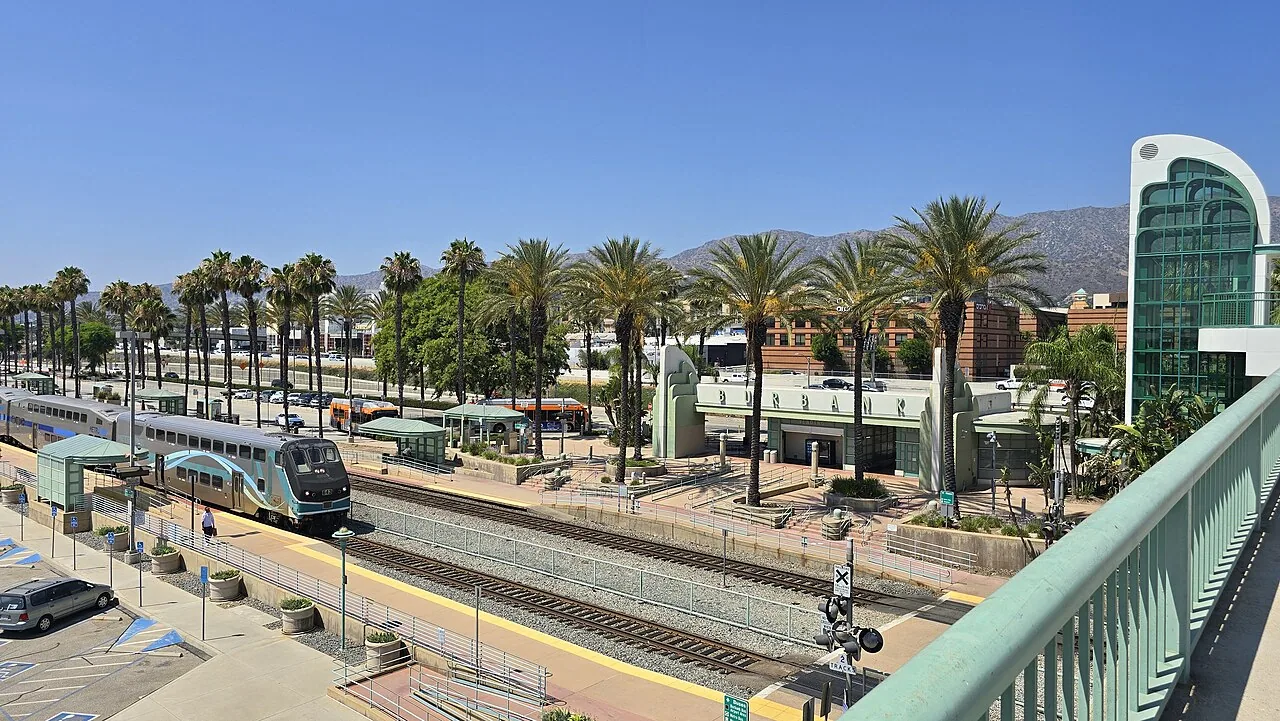
Burbank organizes commercial activity across Downtown, Media District, Magnolia Park, and Airport District. Auto-oriented businesses near the Burbank Media District or Airport District can face different visitor and delivery patterns, but a district label does not reveal a particular property's access rules. Confirm the gate, truck approach, customer parking, security check-in, and staging area with the site contact. Then plan the roof visit around the facility's real operating calendar instead of assuming that nearby businesses share the same hours or entrances.
If a service lane crosses customer circulation, establish who can pause vehicle movement while a lift or material cart passes. Keep emergency access, accessible routes, and neighboring parcels clear unless the owner has authorized another arrangement.
Leave a Record the Service Manager Can Use
At handover, walk the affected zones with the service manager. Note which repair is complete, where inspection stopped, whether a photograph records the finished detail, and any condition still awaiting authorization. Store product paperwork with the invoice and roof map so a future technician can reconcile a work ticket to a physical section. If the repair differed from the original scope, keep the approved change with those records.
The next leak call can then start with a known location and prior repair boundary. For properties with several roof areas or recurring capital decisions, a roof condition report can group observations by zone and date while identifying which items remain untested or unapproved.
Commercial Roofing Questions
Can a dealership stay open during roof repairs?
Often, if the contractor and site contact agree on work zones, customer routes, vehicle movement, interior protection, and daily closeout requirements. Some tasks may still require a temporary bay or access closure.
What should the service manager provide before the roof visit?
Share a roof plan if available, reported leak locations and dates, service-bay restrictions, delivery hours, security steps, and the contact authorized to approve temporary protection or a schedule change.
How should a leak above a repair bay be investigated?
Map the interior symptom, then inspect the related roof zone, penetrations, seams, drainage, and prior patches. The nearest roof opening is a clue; concealed moisture or deck damage may require authorized testing.
Can a roof coating solve recurring leaks?
Only if the assembly and details are suitable for restoration. Moisture, adhesion, drainage, edge condition, and repair needs should be evaluated before specifying a coating system.
What belongs in the roof-repair closeout?
Retain the approved scope, roof-zone references, dated photographs, materials, completed repairs, inspection notes, change approvals, warranty documents where applicable, and open recommendations.