Spray Polyurethane Foam Roofing in Burbank, CA


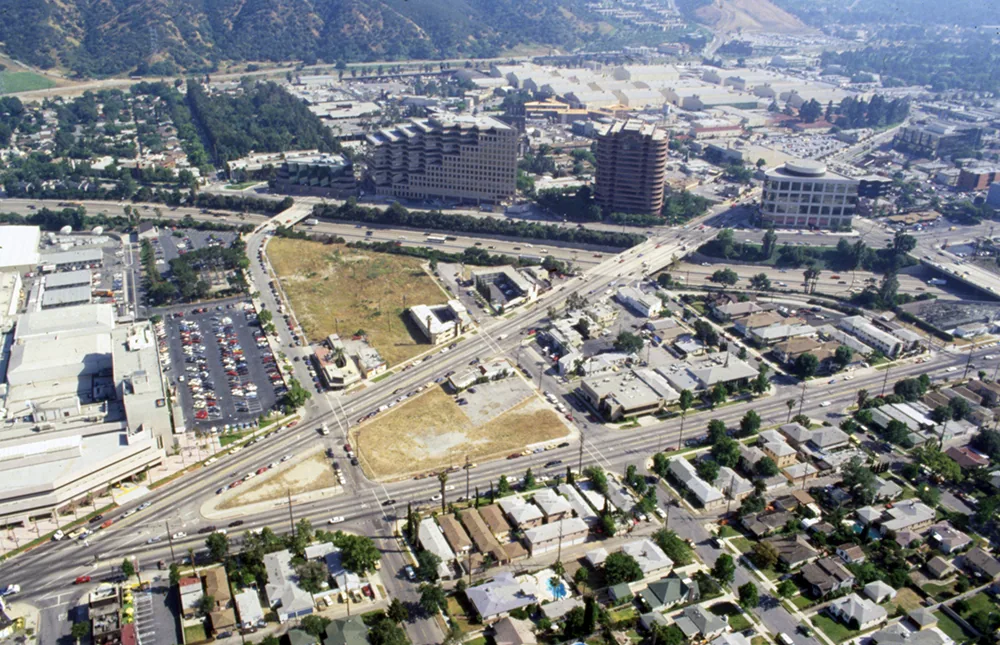
A foam roof needs its protective surface and drainage checked as one system. Burbank’s Media District includes production and office uses, while the Airport District mixes retail, hospitality and technology. We inspect the foam profile, coating condition, penetrations and water path, then compare findings with repair records. That helps a facility director see whether isolated repairs or a broader recoat deserves review, and how access can fit the building’s operating schedule.
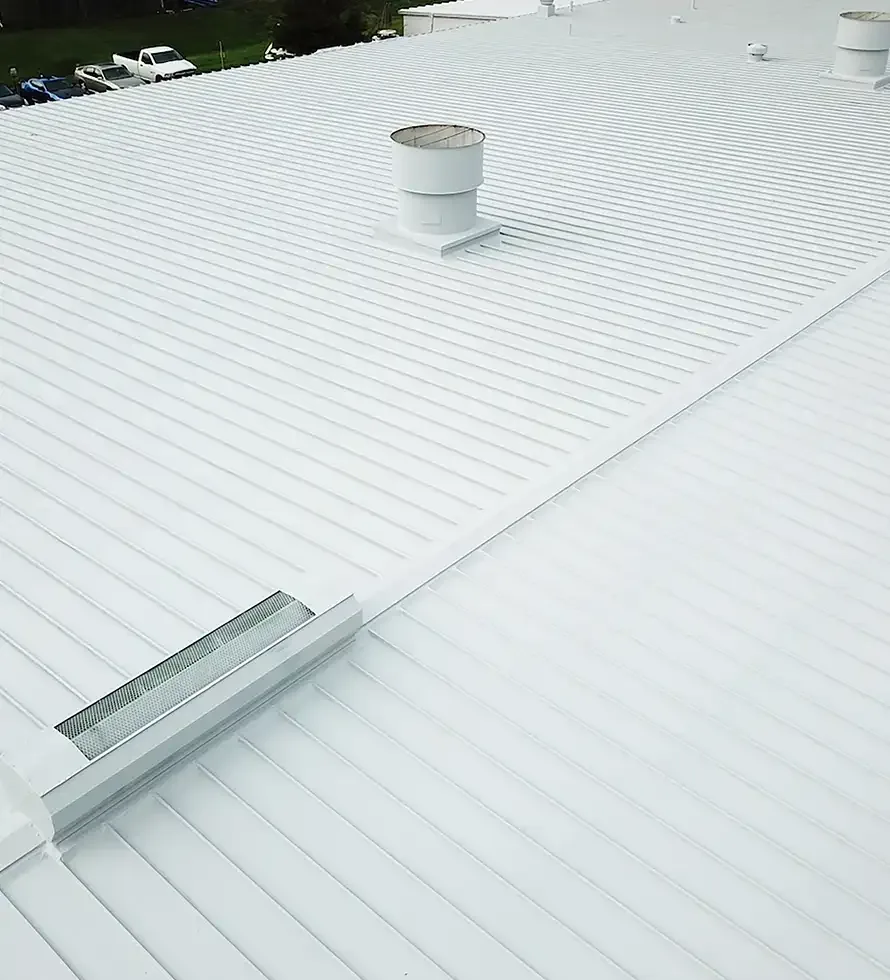
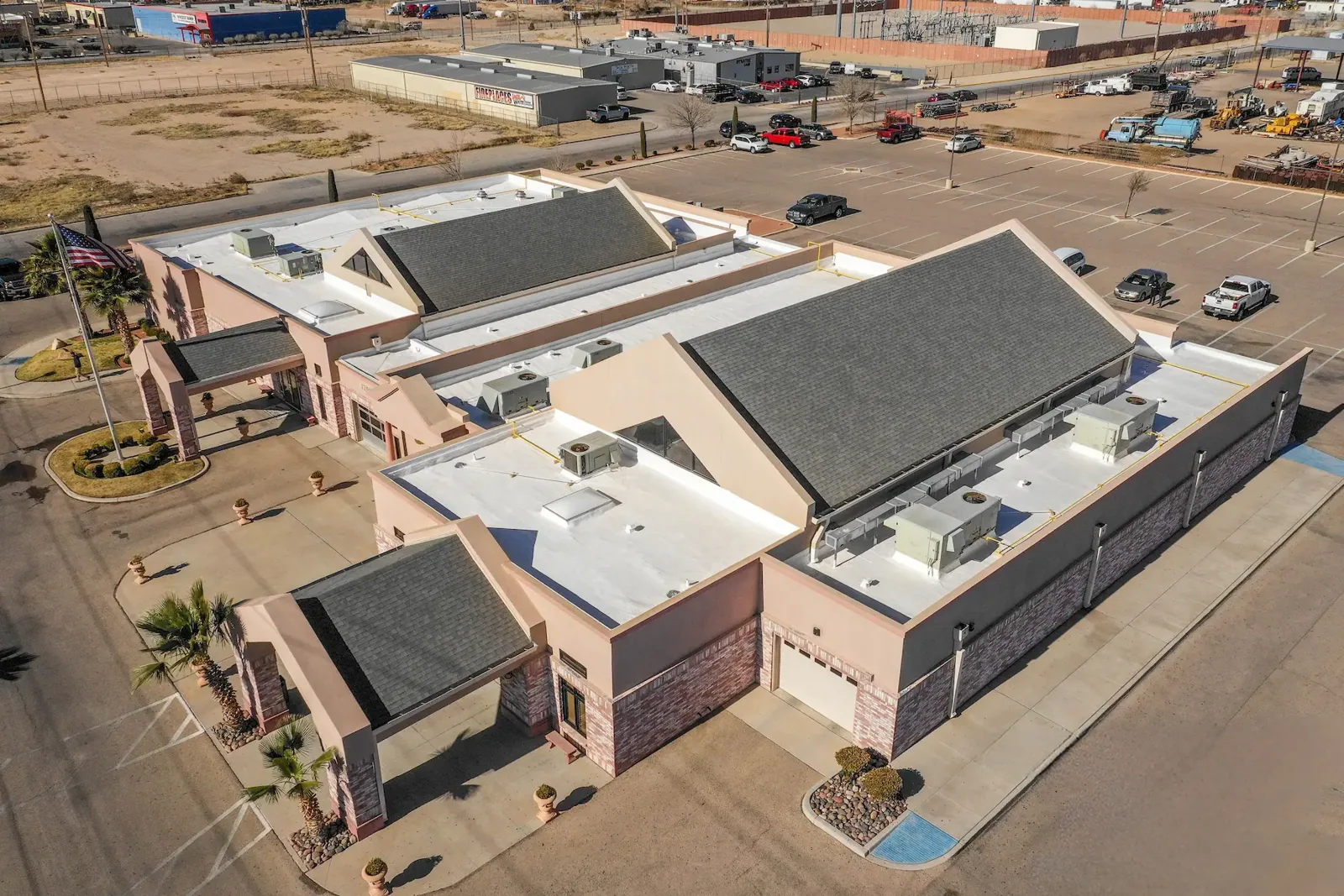
Spray polyurethane foam, or SPF, is applied as a liquid that expands into a continuous insulating layer, then receives a protective coating. The coating shields the foam from weather and ultraviolet exposure. We verify what coating is present and inspect the substrate and foam before specifying renewal. A roof inspection records the current assembly and any areas that need testing.
Inspect the Protective Surface First
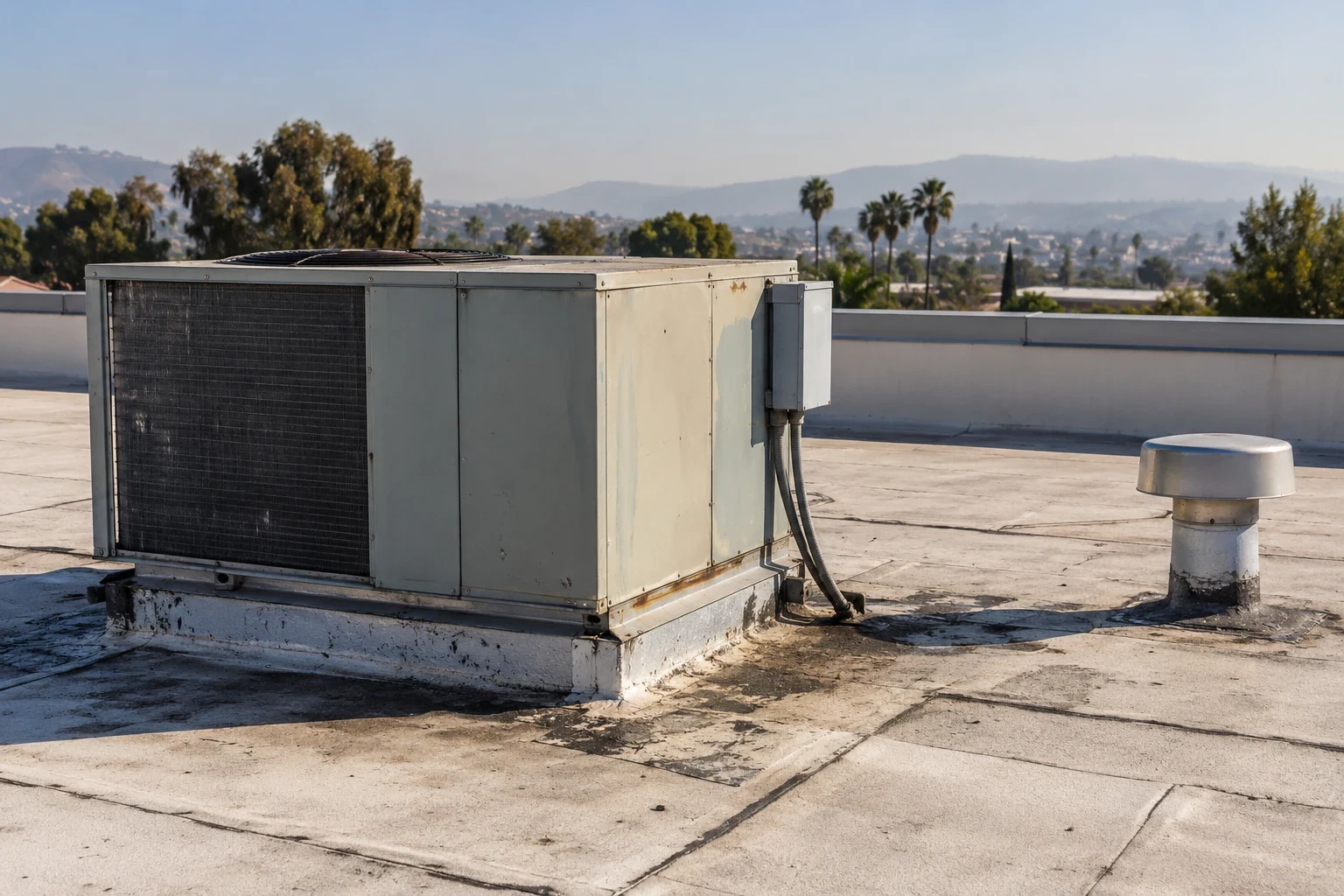
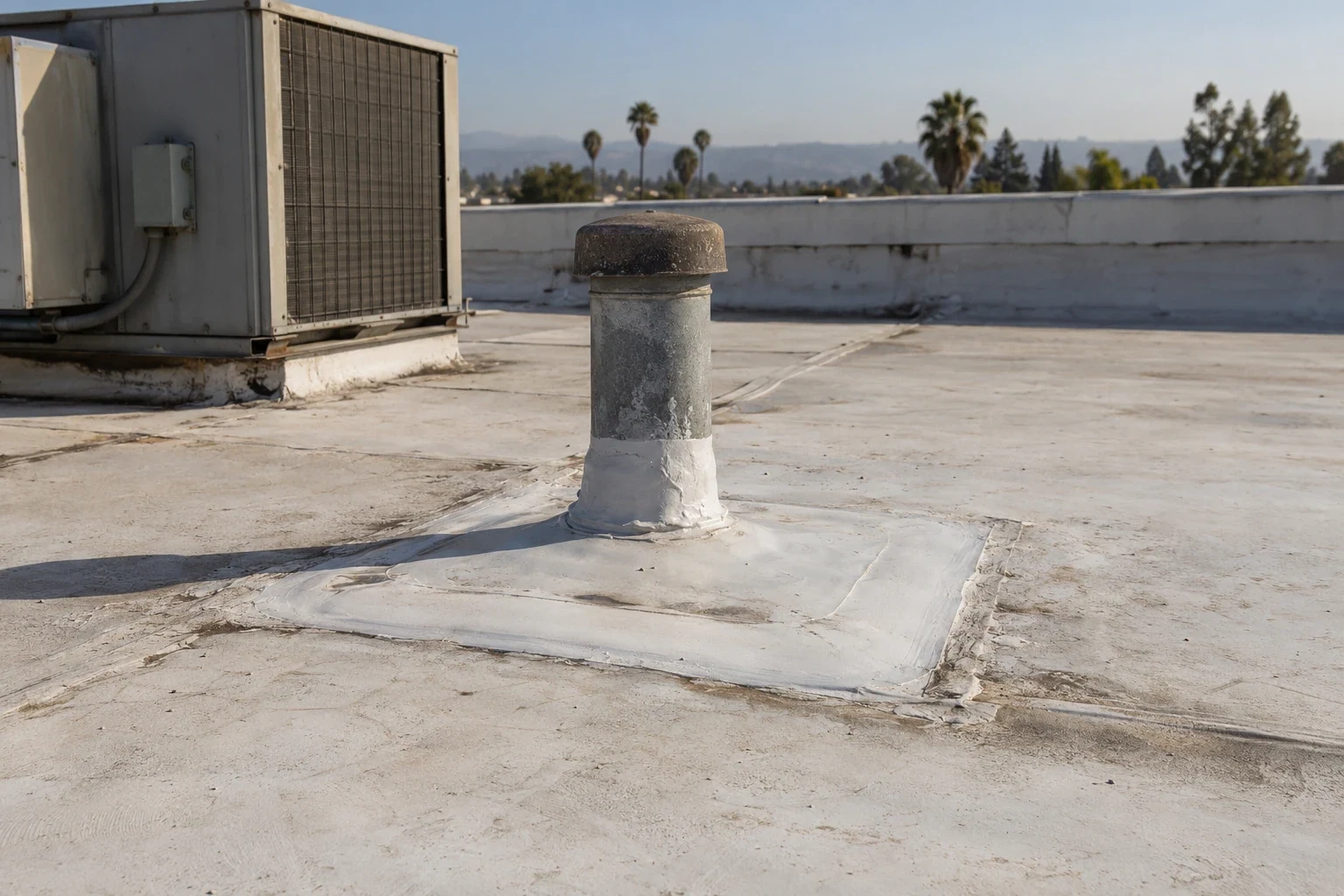
Exposed foam, coating wear, punctures and soft areas can indicate that a section needs repair, but their extent must be mapped. We inspect the coating for cracks, blisters, thin or worn spots and separation at terminations. At penetrations and parapets, we check that the protective layer ties into the flashing detail without trapping water. We check the foam profile for cracks, voids, erosion or loss of bond before treating the coating as a repairable surface. The report marks each observed condition by roof section and separates surface work from foam removal or rebuilding.
Summer heat matters to application timing. Long-term Burbank averagess 16.50 inches of annual precipitation. That regional value makes the water path worth documenting, but coating application still follows current weather, substrate moisture and system instructions. A coating work window must also allow proper preparation and cure before weather or rooftop use affects the application.
Shape Water Toward the Outlets
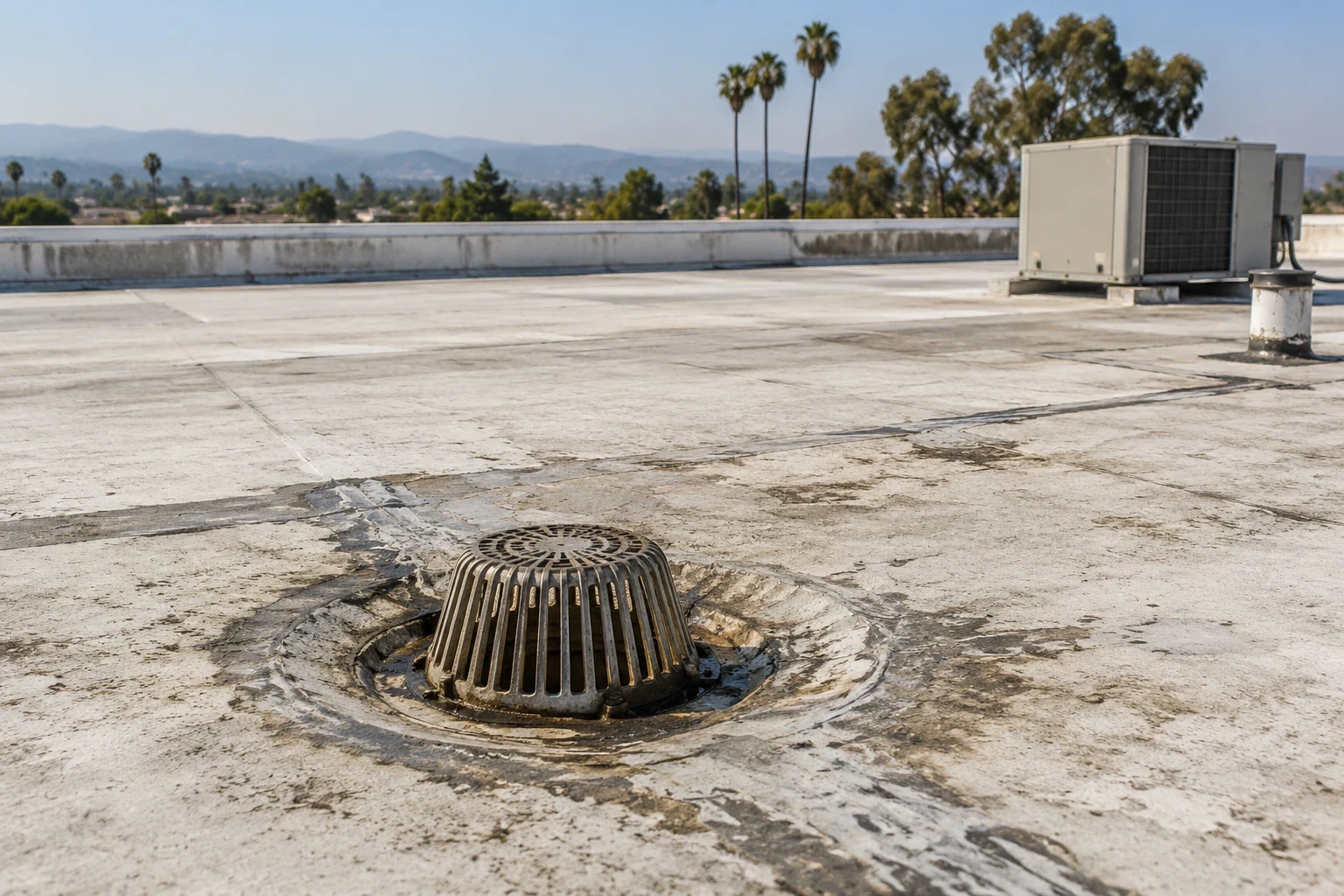
SPF can be shaped to guide water, but the finished profile must remain connected to functioning drains, scuppers and overflow paths. We trace water to each outlet and inspect the surface for low spots, blocked openings or coating wear near drainage. A new coating does not correct a drain that is obstructed or a slope that sends water away from the outlet. We document these issues separately so the repair scope addresses the actual path.
Magnolia Park’s commercial area includes independent retail and dining, while Downtown Burbank combines office, retail and restaurant uses. Deliveries and customer access can affect staging, but the roof profile must be checked at each property. We include drain and scupper work and review edge transitions where the inspection connects them to the foam system.
Select a Recoat for the Exposure
A recoat depends on sound foam, compatible existing coating, adequate preparation and dry conditions. We identify the current coating type where records or testing allow, then check adhesion and the repair materials required before application. Silicone and acrylic have different properties and recoat requirements; the substrate and drainage conditions inform the choice. The proposal identifies preparation, detail work, application area and any repair that must precede coating.
The silicone coating review and acrylic coating comparison address system differences that affect the decision. We follow manufacturer instructions for primer, coverage, wet-film checks and cure conditions. A facility director should also account for access to rooftop units during application and the time needed before maintenance traffic returns.
Repair the Foam Before Closing the Surface
Where foam is damaged, we remove material that cannot support a sound repair and restore the profile so water flows toward the intended outlet. We then apply compatible protective coating across the repair and tie it into the surrounding surface. A small puncture, a worn coating area and separated foam require different work. We photograph the repair boundary and note any adjacent area that should remain under observation.
Leak reports inside can help focus the review, but water may travel before it enters the building. We examine roof slopes, penetrations and previous patches above the reported area before naming the source. The puncture repair assessment records the surface opening and the condition of the foam below. If the damage is associated with an equipment curb, we coordinate the roof-side portion with the responsible mechanical contractor.
Plan Access Without Disturbing the Coating
SPF repairs and recoating need controlled access and a clean surface. We coordinate equipment shutdowns, material staging and pedestrian routes with the facility team, then mark areas that must stay clear while work is prepared and applied. For occupied floors, the plan includes protection below the roof and a daily record of the surface condition. If an application must pause, the crew secures the area and identifies where work will resume.
Media District production windows may differ from Airport District hotel or retail operations. We ask the property contact to identify quiet periods, delivery windows and rooftop maintenance needs. An occupied-building sequence sets zone boundaries, access controls and closeout checks before application starts.
Compare Recoat With Replacement
A recoat can be appropriate when foam remains bonded, drainage can be corrected and the existing coating accepts the proposed system. If the foam has deteriorated or water has reached the substrate, a surface coating may not address the underlying condition. We map repair areas, confirm test results and compare the work limit with a larger replacement scope. The record lists assumptions and unresolved areas before a capital decision.
For a different low-slope assembly, owners may compare SPF with a single-ply membrane such as TPO roofing. The assemblies differ in insulation, attachment, seams and detailing, so the building’s existing conditions and use guide the comparison. The capital planning process can organize timing, repair history and renewal options without treating a coating as a permanent solution for every condition.
Keep the SPF Inspection Record Current
The closeout file should show foam repairs, coating product, application limits, photos, drainage work and any area left for follow-up. We note where protective coating meets flashing and identify service routes that should avoid damaging the finished surface. Regular inspections can catch worn coating or punctures before exposed foam expands into a broader repair, with each finding mapped to the same roof plan.
We inspect SPF systems in Burbank’s commercial districts, including the Media District and Magnolia Park. The Media District service area is a broad district with several types of commercial buildings, not a specific studio. Share coating records, roof plans, leak reports and prior repair photos. We can inspect the foam and coating, map conditions and state which repair or renewal path the evidence supports.
Commercial Roofing Questions
Can spray foam roofing be recoated instead of replaced?
A recoat may fit when the foam remains bonded, the existing coating is compatible and drainage can be maintained. We inspect the substrate, foam profile, coating adhesion and details, then identify repairs that must happen first. If the foam or underlying deck has failed, coating alone will not restore the assembly.
How do you check for damage under the coating?
We review visible wear, punctures, soft areas and roof records. Infrared imaging may help target locations, but a scan does not confirm moisture by itself. We verify suspect areas through appropriate field checks and note which portions remain concealed. The map then shows what work is confirmed and what needs further access.
Which is better for SPF, silicone or acrylic coating?
We compare the existing coating, compatibility, drainage and the system’s application requirements. We identify the current surface and review the product data before specifying a recoat. Silicone and acrylic have different properties and limits, so the owner should compare the actual assembly conditions rather than choosing from a label.
Does a roof scan show where a spray foam roof is leaking?
A scan can identify thermal patterns that guide an inspection, but it cannot determine a leak source or prove the foam is wet. We compare the image with roof slopes, penetrations, visible surface damage and interior reports. Selected areas need field confirmation before they become part of a repair or removal scope.
How do you plan SPF work around active equipment?
We coordinate rooftop access, shutdown windows, surface preparation and cure time with the facility contact. The work zones show which units and routes remain available. Production, hotel and retail operations can have different schedules, so we confirm the property’s actual constraints before setting staging and application dates.